Hunting a Beaver Flowage in the Bush
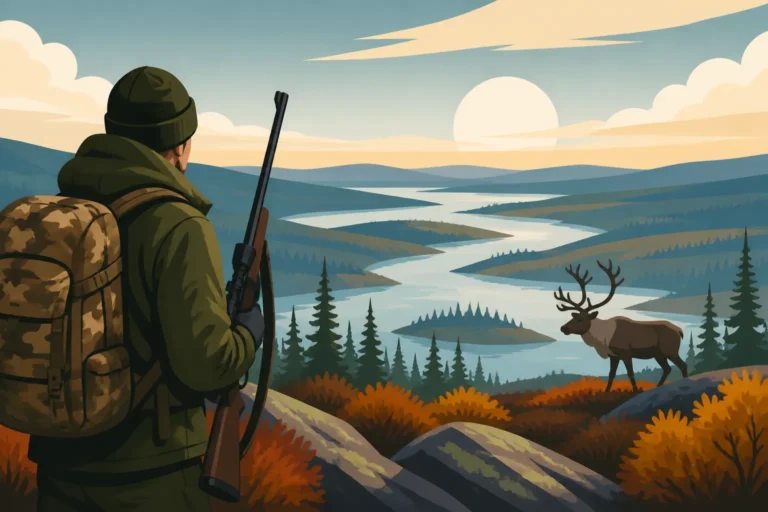
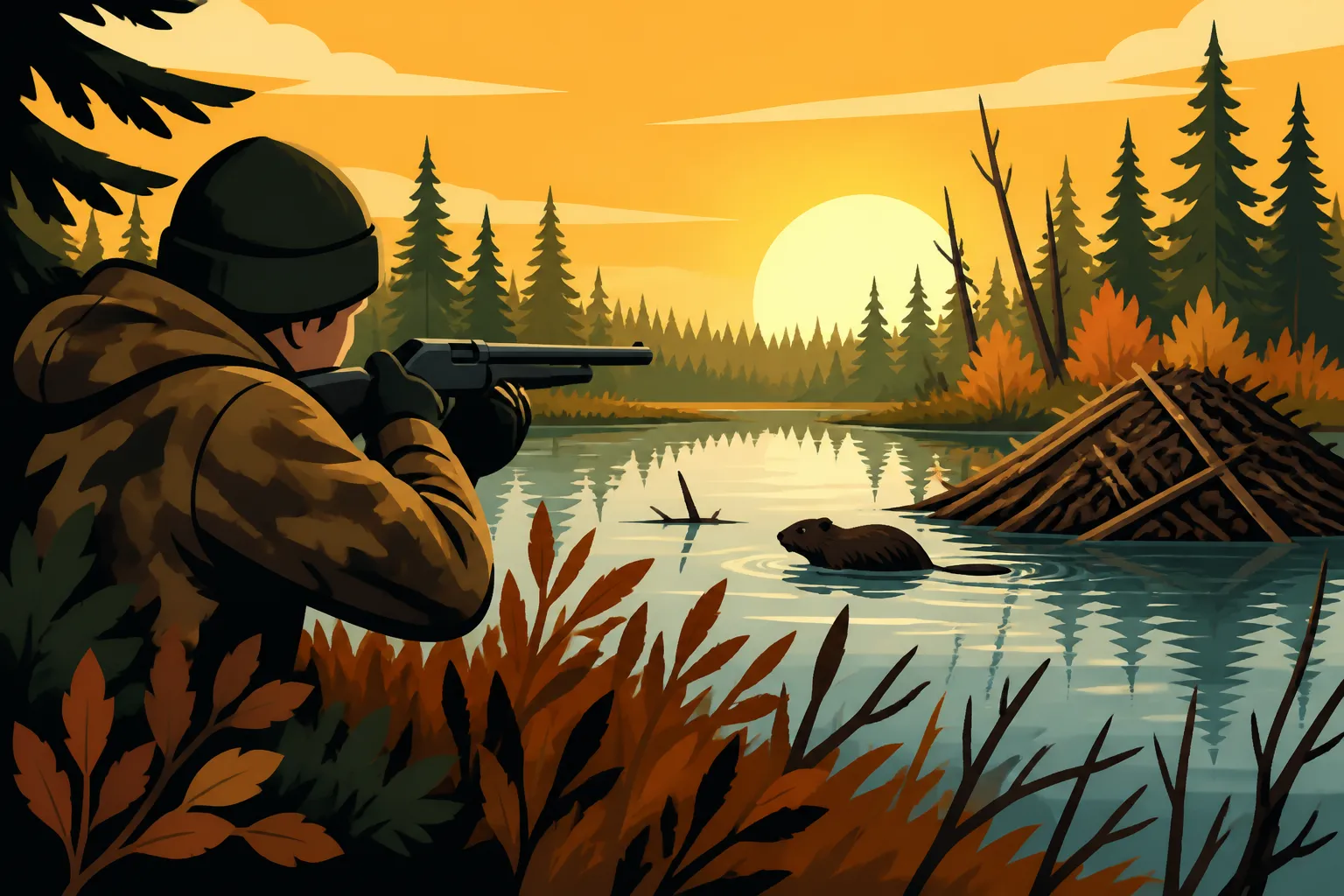
There’s nothing quite like the Saskatchewan bush, with its thick stands of aspen and spruce, and tucked within it, hidden gems that many hunters overlook: beaver flowages. These areas, created by the industrious work of beavers, are absolute magnets for wildlife, but they can be tricky to hunt effectively if you don't know what to look for. This guide is all about helping you understand these unique ecosystems and giving you the know-how to turn a seemingly impenetrable swamp into your next big hunting success.
Understanding Beaver Flowages as Hunting Hotspots
Beaver flowages, essentially mini-wetlands created by beaver dams, are dynamic environments that change over time, and that's precisely why they’re so valuable to wildlife. They break up the monotony of dense forest, creating edges, new plant growth, and dependable water sources that attract everything from whitetails and moose to black bears.
Why Deer, Moose, and Bears Love Them
Think about what an animal needs: food, water, and cover. A beaver flowage often provides all three in spades. For whitetails, the edges of a flowage, where the water meets the drier ground, are prime browsing areas. New shoots, woody browse, and forbs often flourish here due to the increased moisture and sunlight that penetrates where trees have been flooded out. Deer will travel these edges, dipping into the thicker cover of the surrounding bush for security, especially during daylight hours.
Moose, of course, are practically synonymous with water. They thrive on the aquatic vegetation found in and around these flowages – things like water lilies, sedges, and willow shoots. A flowage offers them a natural buffet, often with deep enough water for them to feed submerged, and thick cover nearby to bed down. You’ll often find well-worn trails leading directly into these watery havens, especially in the late summer and fall as they fuel up for the rut and winter ahead. It’s no wonder so many big bulls are taken near these spots. If you're wondering about general moose habitat, consider Moose Hunting Saskatchewan's Farmland and Forest.
Black bears also find flowages incredibly appealing. These areas provide soft ground for denning, ample water, and a diverse food source. Bears will forage along the edges, seeking out berries, roots, and even amphibians. In the spring, when other food sources are scarce, the green-up around a flowage can be an early magnet. Later in the season, they’ll use these travel corridors to move between feeding areas and more secure bedding sites. The combination of food and water makes them a natural draw for these opportunistic feeders. You might even find where they've been digging for grubs in the softer soil.
Identifying Prime Flowage Characteristics
Not all beaver flowages are created equal, and knowing what makes one "prime" can save you a lot of scouting time. A good flowage often has a varied landscape around it. Look for areas where the dam has created a significant body of water, but also where parts of the original forest floor are still visible or marshy. These shallower, muddier sections are often rich in nutrients and support a wider array of browse.
Size matters, but not always in the way you might think. A massive, deep flowage might seem great, but it can be harder for game to navigate or access its resources. Often, medium-sized flowages with a good mix of open water, marsh, and dry land edges are the most productive. The presence of numerous game trails leading into and out of the area is a huge indicator. Pay attention to pinch points—places where game is funnelled due to water, dense brush, or terrain features. These are natural ambush sites.
Topography also plays a role. A flowage in a slight depression or valley might offer more protection from wind and weather, making it a more comfortable bedding area for animals. Using mapping tools like onX Hunt can be incredibly helpful here. You can zoom in on satellite imagery to spot the distinct shapes of flowages, identify potential travel corridors, and even mark out entry and exit points before you ever set foot in the bush. This kind of pre-scouting, combined with a good understanding of Scouting With Satellite Imagery in Saskatchewan, can really give you an edge.
Reading the Sign in and Around a Flowage
Once you’re on the ground, the flowage will start to tell its story. Reading the sign correctly is paramount to understanding how game uses the area and, ultimately, to planning your hunt. The mix of water, mud, and various types of vegetation makes for an excellent canvas for animal activity.
Fresh Tracks and Travel Patterns
The soft, often muddy ground around a beaver flowage is a tracking paradise. Look for fresh tracks along the water's edge, in muddy crossings, and on any raised bits of dry ground that create natural paths. Whitetail tracks will typically be pointed and paired, while moose tracks are much larger, often heart-shaped, and usually show a wider stance. Bear tracks, with their distinct paw pads and claw marks, are also easy to distinguish.
Don't just look for single tracks; observe patterns. Do the tracks lead from a thick stand of timber to the water, suggesting a bedding-to-water route? Are there multiple tracks converging at a specific point, indicating a preferred crossing? Animals, especially deer and moose, are creatures of habit. They will often use the same trails year after year, especially if these trails offer the easiest route through difficult terrain. Pay attention to how game moves around the flowage—do they stick to the drier high ground, or are they wading through shallow sections? This tells you a lot about their comfort level and access points. For deeper insights into what tracks mean, check out Reading Sign After Fresh Saskatchewan Snow, even if there isn't snow, the principles apply to soft ground.
Rub Lines and Scrapes Along the Edges
Beyond tracks, rub lines and scrapes are invaluable pieces of the puzzle, especially when hunting during the rut. As deer prepare for and engage in breeding, they will leave their mark on the landscape. Rubs, where bucks strip bark from trees with their antlers, signal their presence and dominance. Around a flowage, you’ll often find rubs on saplings and small trees along the drier edges or on islands within the wetland. These rubs typically face the trail the buck is using.
Scrapes, on the other hand, are pawed-out patches of bare earth where bucks urinate and deposit scent from glands on their legs. They often involve an overhanging branch (a "licking branch") that the buck will rub his forehead and pre-orbital glands on. Finding a series of fresh rubs and scrapes leading into or out of a flowage is like hitting the jackpot. It tells you a specific buck is actively working that area, likely checking for does that are frequenting the water or browse. These can be prime spots for setting up a stand, especially if you can get in undetected. The timing of these activities often peaks during Hunting the Rut in Early to Mid November.
Tactics for Hunting a Saskatchewan Beaver Flowage
Hunting a beaver flowage isn't like hunting an open field or dense forest; it requires a unique approach. The mix of water, thick cover, and often boggy ground demands careful planning and execution.
Approaching and Entry Strategies
The number one rule when approaching a flowage is to be stealthy. Water amplifies sound, and a misstep in the mud or a branch breaking can send game fleeing. Always consider the wind direction and your scent. Animals will often approach a flowage from downwind, so if you’re setting up, try to be crosswind or downwind of where you expect the game to appear. This often means taking a longer, more circuitous route to your stand or blind.
Look for natural contours or existing game trails that you can use for silent entry. Sometimes, using the water itself can be an advantage. If there are shallow sections or a hard-packed beaver dam, you might be able to wade or walk along it more quietly than crashing through thick brush. Just be absolutely sure of the depth and stability before you commit! Always have a reliable mapping app, like onX Hunt, open on your phone or GPS to help you navigate, especially if you're taking an unconventional route. It helps confirm property boundaries too, which is critical if you're near private land or a Hunting a Saskatchewan Quarter Section.
Stand/Blind Placement and Wind Direction
Choosing the right spot for your stand or blind is critical. You want to be close enough to cover the natural travel corridors and feeding areas, but far enough away not to spook incoming game. Elevated stands, if possible, offer a great vantage point over the varied terrain of a flowage, allowing you to see over reeds and brush. Look for mature trees along the edge that offer good cover and shooting lanes. Consider the sun's position throughout the day to avoid being silhouetted or having the sun glare in your eyes.
Ground blinds can also be effective, especially if natural cover like blowdowns or dense shrubs are available. The key is to blend in completely. Use natural materials to augment your blind and break up its outline. As mentioned, wind direction is paramount. A sudden shift can ruin your hunt. Consider the prevailing winds for your chosen dates and have a backup plan or stand location for different wind conditions. Sometimes, sitting on a rise overlooking the entire flowage might be the best bet, allowing you to spot game moving from a distance and plan an ambush.
Calling and Decoying Considerations
Beaver flowages, with their natural water features, can be excellent places to employ calling and decoying tactics, especially for moose and deer. For moose, rattling antlers or using a cow call can be incredibly effective, particularly during the rut. The sounds carry well over the open water and through the sparse trees, and a bull might interpret it as another moose challenging his territory or a cow looking for a suitor. Remember that Calling a Bull Moose in the Rut requires specific techniques and timing.
For whitetails, grunt calls, snort-wheezes, and even rattling can draw a curious buck in, especially if he thinks there's a rival buck or a receptive doe near the water. Setting up a doe decoy along the edge of the flowage, especially if it's visible from a distance, can also be a game-changer. Just be sure to set it up in a way that allows you a clear shot and that you've thought about safety, especially if other hunters are in the vicinity. The open nature of a flowage can make a decoy visible from afar, increasing its effectiveness. GoHunt or similar resources often have great articles on optimal decoy placement.
Seasonal Considerations and Best Times to Hunt
The Saskatchewan bush transforms throughout the hunting seasons, and a beaver flowage changes with it. Knowing how game uses these areas during different times of the year can help you tailor your strategy.
Early Season Opportunities
When the archery season opens in September, the bush is usually still pretty green and thick. During this time, animals are often focused on feeding to put on weight for the upcoming colder months. Beaver flowages, with their lush vegetation and reliable water source, are prime feeding grounds. Whitetails might be seen browsing along the edges, and moose will still be heavily reliant on aquatic plants.
Early season is a great time for scouting these areas. You can often spot animals in their summer patterns before hunting pressure pushes them into more nocturnal habits. Look for fresh tracks, well-worn trails, and active feeding signs. Water levels can be higher in the early season, so be prepared for wet conditions and potentially more challenging access. Consider lightweight waterproof boots and gaiters. The cooler mornings and evenings of early fall are often when deer and moose are most active around these water sources. When Saskatchewan's Archery Season Opens is a fantastic time to explore these areas.
Rut and Late Season Potential
As the calendar flips to October and November, the rut kicks in for both moose and whitetails, and beaver flowages become even more critical. Bucks and bulls are actively searching for does and cows, and these prominent landscape features act as natural travel corridors and meeting points. A flowage offers an ideal place for does to gather, drawing in the bucks. You'll often find more intense rut sign—heavy rubs, large scrapes—along the edges during this period.
Later in the season, as temperatures drop and snow begins to fall, open water sources can become scarce. Beaver flowages that remain unfrozen or have areas of open water become crucial watering holes. Animals will concentrate in these areas, making them excellent locations for a late-season sit. The dense cover that often surrounds flowages also provides thermal protection against the harsh Saskatchewan winter winds.
However, late season also brings challenges. Access can become difficult with snow-covered trails and potentially thicker ice on the flowage itself. Safety is paramount when dealing with ice; always know if it's safe to cross or if you need to go around. Animals will be focused on conserving energy, so midday activity might increase as they move between bedding and feeding areas. Understanding Hunting the December Late Season Cold can make all the difference in these frigid conditions. A heated blind can be a real luxury if you're planning a long sit.
Navigating the Terrain and Access Considerations
Hunting beaver flowages often means venturing into more remote and rugged parts of the Saskatchewan bush. This isn't always a hunt you can do right off the grid road.
Dealing with Wet and Boggy Conditions
The very nature of a beaver flowage means wet, often boggy, ground. This can range from ankle-deep mud to treacherous knee-deep muck that will suck your boots right off. Appropriate footwear is non-negotiable. Quality knee-high rubber boots are a minimum, and chest waders might be necessary for some areas if you intend to cross the flowage itself.
Always carry a walking stick or shooting sticks to probe the ground ahead of you. It can help you find solid footing and prevent a nasty fall, especially when carrying gear or a firearm. Be prepared for slower travel times. What looks like a short distance on a map can take significantly longer to navigate on foot through thick, wet terrain. Plan your routes carefully, identifying potential dry ridges or old beaver dams that might offer more stable passage. Your onX Hunt map with its satellite and topo layers can be invaluable for identifying drier routes.
Accessing Remote Flowages and Crown Land Rules
Many of the most pristine and productive beaver flowages are tucked away deep in Crown land, far from maintained roads. Accessing these spots often requires venturing off main trails, potentially with an ATV or side-by-side. If you're using an off-road vehicle, it’s critical to be aware of and adhere to Quad and Side-by-Side Rules on Crown Land. Not all Crown land permits motorized access, and designated trails must be followed. Always check the regulations for the specific Wildlife Management Zone you're hunting in.
For truly remote areas, foot access might be your only option. This means packing light but smart. Water purification, emergency supplies, and a reliable communication device are crucial. Tell someone where you're going and when you expect to return. Hunting deep in the bush can be incredibly rewarding, but it also demands a higher level of preparedness and self-reliance. Always research Public Hunting Land in Saskatchewan and understand the specific rules for the area you plan to visit.
| Activity / Characteristic | Early Season (Sept-Oct) | Rut (Oct-Nov) | Late Season (Nov-Dec) |
|---|---|---|---|
| Whitetail Activity | Feeding, summer patterns | Rubs, scrapes, chasing | Browse, thermal cover |
| Moose Activity | Aquatic feeding, bulking | Rutting, calling | Browse, deep cover |
| Bear Activity | Foraging, den prep | Less active, denning | Denning, minimal |
| Water Levels | Often higher, marshy | Moderate, freezing | Ice forming, open water limited |
| Vegetation Cover | Dense, lush, green | Declining, colour | Sparse, frozen |
| Human Pressure | Moderate | High | Low |
| Accessibility | Challenging (wet) | Moderate | Challenging (snow/ice) |
Conclusion
Beaver flowages are a unique and often overlooked resource for hunters in Saskatchewan. They offer a concentrated hub of food, water, and cover, attracting a diverse array of game animals throughout the hunting seasons. From the lush browse of early fall to the crucial open water sources of late winter, these dynamic wetlands provide consistent opportunities for the prepared hunter. By understanding why animals use them, learning to read the subtle signs they leave behind, and employing smart tactics adapted to the specific challenges of the terrain, you can unlock the full potential of these bush diamonds. So, next time you're studying your maps, don't just see a swamp; see a hotspot, a vibrant ecosystem waiting to reveal its secrets.
Disclaimer
This article is for general informational purposes only and does not constitute professional advice. Laws, prices and regulations vary by location and change over time. Consult a qualified professional for guidance on your specific situation.