Hunting a Slough Ring in Open Country
Out in Saskatchewan's vast open country, finding consistent cover for whitetails and mule deer can feel like searching for a needle in a haystack. Hunters often drive for miles, scanning endless fields, only to wonder where the deer actually bed down or escape pressure. This guide is here to unravel the mystery of hunting slough rings, those isolated pockets of bush and cattails that, despite their often small size, act as absolute magnets for game in otherwise exposed landscapes, offering incredible opportunities for hunters willing to understand their secrets.
Understanding Slough Ring Dynamics in Open Country
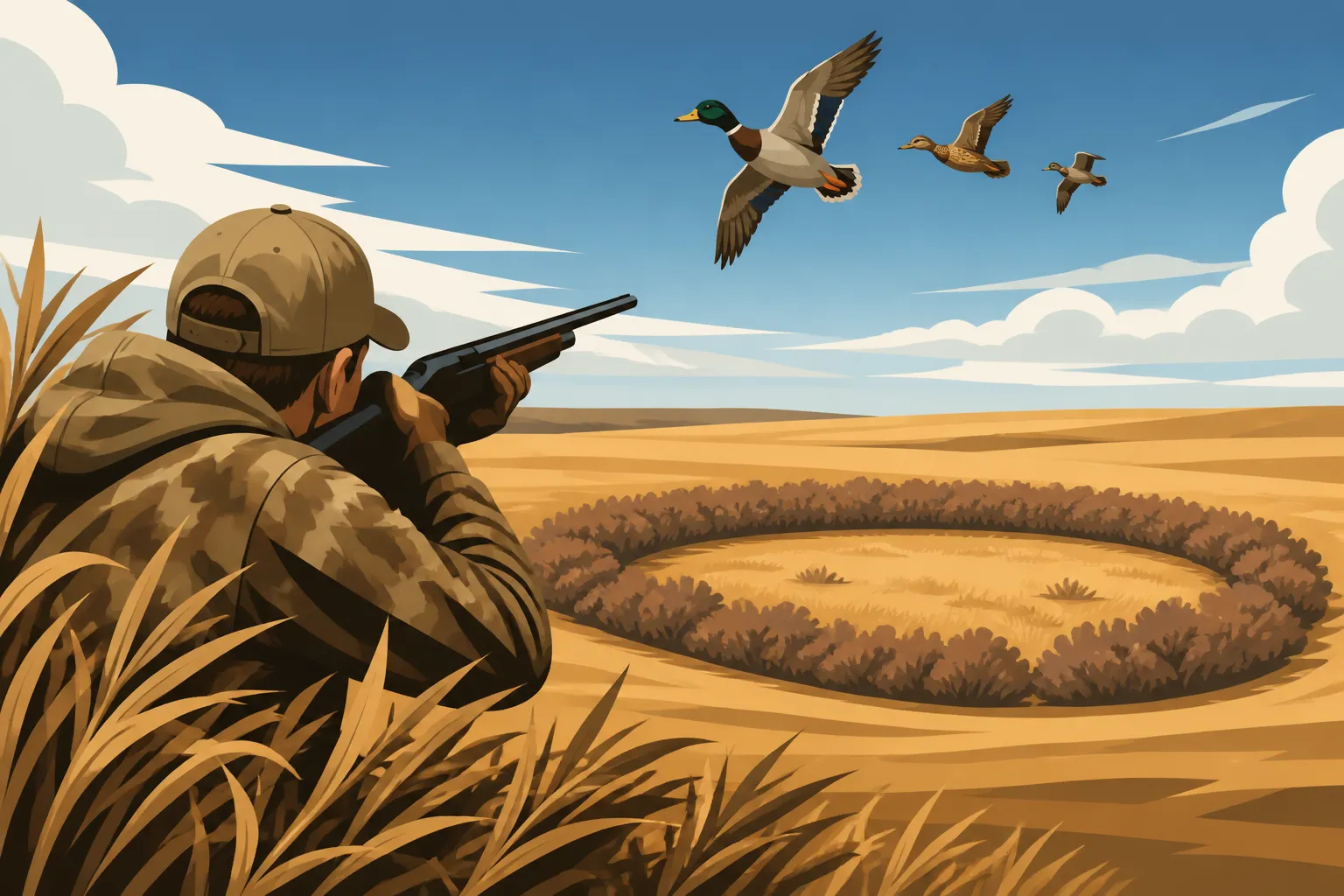
When you're looking across miles of golden stubble or winter wheat, those small, dark circles of trees and brush can seem insignificant. But to a deer, they're an oasis, a fortress, and a lifeline all rolled into one. These "slough rings" — typically aspen bluffs or willow thickets growing around a low-lying, often seasonal, wet area — offer an unparalleled combination of thermal cover, visual seclusion, and sometimes even food sources that makes them critical habitat in Saskatchewan's open prairie and parkland zones. Ignoring them is often a missed opportunity for a savvy hunter.
Why Slough Rings Attract Game
Imagine being a deer in a wide-open field on a blustery November day. There's no hiding from the wind, the sun, or predators. Now, picture a thick, dense slough ring. Suddenly, you have a windbreak, a place to soak up some solar warmth on a sunny cold day, and a secure spot to bed down, virtually invisible from the outside. These rings provide crucial thermal regulation, sheltering animals from harsh winter winds and providing shade during hot early-season days. Beyond just cover, the edges of these slough rings often hold specific browse, young aspens, willows, and other plants that deer and moose will feed on, especially during the colder months when other food sources are buried or scarce. They are also natural travel corridors, funnelling game between larger blocks of cover or feeding areas. A slough ring becomes a miniature ecosystem within the larger agricultural landscape.
Reading the Landscape Around a Slough Ring
The trick isn't just seeing a slough ring; it's understanding its role in the broader landscape. A lone ring in the middle of a massive quarter section of grain stubble will likely be a primary bedding area or a safe haven for deer moving across that field. If you see a series of slough rings connected by fingers of brush or a low depression, they might form a natural travel corridor. Pay attention to how the land slopes. Does a particular slough ring sit on a slight rise, offering a vantage point within its cover? Is it connected to a larger coulee system or a river valley nearby? Animals will often use these smaller patches as stop-overs, moving from a bedding slough ring, feeding in the surrounding field, and then retreating to another secure slough ring or a larger bluff. Think about prevailing winds – deer will often bed on the downwind side of the ring for security, but might travel along the upwind edge to keep their nose to the wind as they approach food. Understanding these patterns is key to figuring out how deer utilize these micro-habitats.
Scouting and Locating Productive Slough Rings
You can't just drive up to any slough ring and expect success. Effective hunting starts with meticulous scouting, and in the wide-open spaces of Saskatchewan, this often means blending modern technology with good old-fashioned boot leather. Knowing where to focus your efforts before you ever set foot on the ground saves an incredible amount of time and effort. It's about working smarter, not harder, especially when you're looking for that needle-in-a-haystack buck that calls these isolated havens home.
Using Digital Tools for Initial Reconnaissance
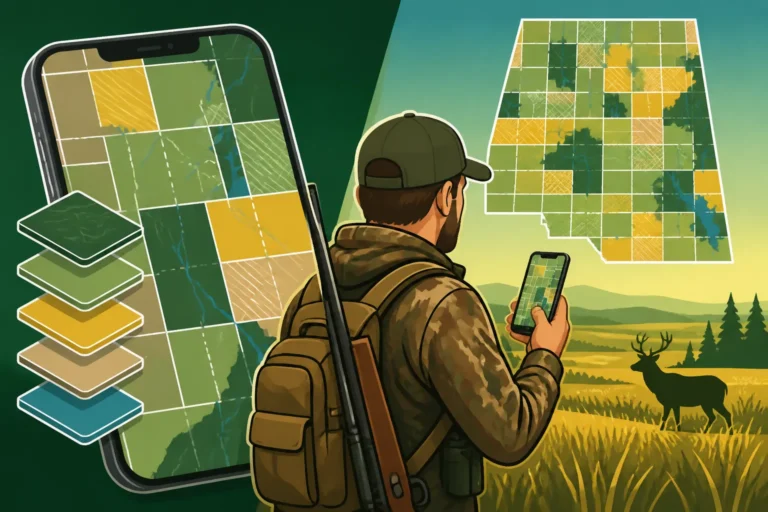
Before you even leave your living room, digital mapping tools can be your best friend. Applications like onX Hunt or GoHunt allow you to zoom in on specific quarter sections and identify every slough ring, bush line, and tree row. You can often toggle between satellite imagery from different times of the year, which can be immensely helpful. A slough that looks like a dense bush in summer might appear more open in a winter satellite photo, revealing trails or bedding areas within. Look for larger, thicker rings, especially those that show distinct, dark evergreen patches amidst the deciduous. Also, identify any connecting cover, even subtle ones like ditch lines with tall grass or fences with overgrown brush, as these can funnel game to and from the slough ring. Use the property boundary overlays to determine land ownership, which is crucial for securing permission. Scouting With Satellite Imagery in Saskatchewan is a fantastic resource for diving deeper into these techniques.
Ground Scouting for Fresh Sign and Access
Once you've identified promising slough rings on your map and secured permission from the landowner – which is a non-negotiable step when Knocking on Doors in Saskatchewan Farm Country – it's time for boots on the ground. Circle the perimeter of the slough ring, looking for fresh tracks entering and exiting, well-worn trails, rubs, and scrapes. Pay particular attention to the downwind sides of the ring, as this is where deer often prefer to bed. Look for entry and exit points that offer the best cover for the deer, especially if there's a nearby Hunting a Shelterbelt Between Two Fields or a field edge they're using for feeding. Don't be afraid to take a quick, quiet walk into the wind through the middle of the slough itself if it's not too dense, looking for well-used beds and evidence of current activity. Note wind direction on your scouting days and try to correlate it with where you find fresh sign. This intel will be invaluable for planning your actual hunt.
| Sign Type | What It Tells You | Best Time to Look | Importance |
|---|---|---|---|
| Tracks | Recent animal movement, size/species | After fresh snow or rain | High |
| Scrapes & Rubs | Buck activity, territory marking, pre-rut/rut | Pre-rut through rut (late Sept – Nov) | High |
| Beds | Specific bedding locations, preferred cover type | Any time, but clear in snow/less dense foliage | High |
| Trails | Regular travel routes, entry/exit points | Anytime, especially well-worn ones | Medium |
| Browse/Feeding | Current food sources, recent feeding activity | Anytime, look for nipped branches, droppings | Medium |
| Droppings | Recent presence, dietary clues | Anytime, especially fresh, soft droppings | Medium |
Strategies for Hunting a Slough Ring
Hunting slough rings is a nuanced game, requiring adaptability based on the ring's size, density, and the number of hunters involved. Whether you're a lone wolf or part of a small group, having a clear strategy for approach, setup, and execution is crucial. The goal is always to maximize your chances while minimizing pressure on the local game population, ensuring future opportunities. Remember, these isolated covers are often where you'll find Why Saskatchewan Bucks Grow So Large, so treat them with respect and smart tactics.
Approaching and Setting Up Your Position
The approach is everything when hunting a slough ring. Because they are often isolated, any disturbance is easily noticed by game. Always approach into the wind, or with a crosswind, using any available terrain features like ditches, fence lines, or taller crops for cover. For a single hunter, setting up a stand or ground blind on the downwind side, overlooking the most active entry/exit trails, is often the most effective method. Consider the shooting lanes you'll have and ensure you have a clear shot at potential targets moving along the edge or entering/exiting. If a slough ring is small enough and you're confident in its boundaries, a well-placed hunter can sometimes observe the entire ring. For larger rings, focus on pinch points where trails converge or where the cover thins. You might also find good success by getting set up well before first light or staying until well after legal shooting light, as deer often use these rings for feeding right at the edges of the day.
Still-Hunting or Stand Hunting the Edges
Still-hunting the perimeter of a larger slough ring can be an incredibly effective strategy, especially if the wind is in your favour and you're moving slowly and deliberately. This involves taking a few steps, pausing, and scanning every bit of cover for movement or a tell-tale antler tine. Look for subtle movements, horizontal lines that don't belong, or the flick of an ear. When still-hunting, always remember the deer will be looking for you, too. Use your binoculars constantly to pick apart the edges of the cover. Stand hunting, on the other hand, is a more passive approach, relying on the deer to move naturally. If you've identified key travel routes or bedding areas within a slough ring, setting up a stand or ground blind on a well-used trail, particularly one leading to a Hunting a Swathed Grain Field at Dusk or other feeding area, can yield fantastic results. Patience is paramount with stand hunting; sometimes you need to sit all day. Remember that deer in these isolated pockets often feel more secure, so they may not move until later in the morning or earlier in the afternoon.
Driving or Pushing Slough Rings Safely
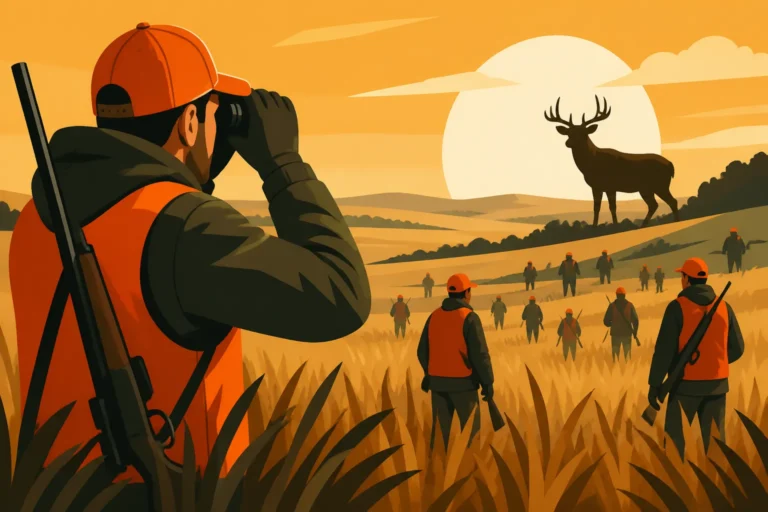
For groups of two or more, a carefully planned drive or "push" can be a highly productive way to hunt slough rings, especially larger ones that offer significant cover. The key is safety and communication. Station standers (shooters) on the downwind side, positioned where they have clear, safe shooting lanes into the wind as deer attempt to escape. The "pusher" or "drivers" then enter the upwind side of the slough, moving slowly and making some noise to encourage the deer to move towards the standers. The pace is critical – too fast, and deer might bust out prematurely or double back; too slow, and they might just sneak out. Always wear blaze orange, especially when pushing, to ensure maximum visibility and safety. Ensure everyone in the party knows the plan, the boundaries of the slough, and where other hunters are positioned. This tactic works particularly well for species like whitetails that prefer to stay in cover. For more details on group tactics and general safety, consider reading Hunting Saskatchewan Winter Weather Safely.
Overcoming Challenges and Maximizing Success
Hunting slough rings comes with its own set of challenges, from unpredictable wind shifts to the sheer cold of a Saskatchewan late-season hunt. But with careful planning and an understanding of how these variables affect game, you can turn potential obstacles into opportunities. Adaptability is the name of the game, and those who can read the conditions and adjust their tactics are often the ones who find success.
Dealing with Wind and Scent
Wind is perhaps the biggest factor when hunting any open country, and slough rings are no exception. The prevailing wind dictates how game will approach and bed in the cover, and how your scent will carry. Always hunt with the wind in your favour. If you're stand hunting, set up downwind of where you expect deer to approach or exit the slough. If you're still-hunting, keep the wind in your face or on your side. Thermal currents can also play a role, especially in the early mornings and late evenings, as air heats and cools. Use scent control measures diligently – clean clothes, scent-reducing sprays, and keeping your gear free of human odors. Deer in open country are incredibly wary, and a single whiff of human scent can send them packing long before you ever see them. Sometimes, a slight change in wind direction means you need to quickly relocate your stand or change your approach.
Weather Considerations and Timing Your Hunt
Saskatchewan weather can be notoriously fickle, but understanding its impact on game can give you an edge. Cold, clear days with fresh snow (check out Reading Sign After Fresh Saskatchewan Snow) are often fantastic for hunting slough rings. The snow makes tracks easy to read, and deer often seek the thermal cover of the slough to escape the cold. High winds, while challenging for the hunter, can also make deer seek refuge in the densest parts of the slough, making them easier to locate. Conversely, warm, calm days might see deer moving more freely in the open fields around the slough. Pay attention to major weather fronts. Deer often move heavily just before a big storm rolls in, and can be found bedded down tight in thick cover during the worst of it. The Hunting the Rut in Early to Mid November is also a prime time, as bucks will be actively cruising these pockets of cover looking for does. Regardless of the season, a careful eye on the forecast and understanding how it influences deer behaviour will significantly increase your odds.
Disclaimer
This article is for general informational purposes only and does not constitute professional advice. Laws, prices and regulations vary by location and change over time. Consult a qualified professional for guidance on your specific situation.