When Grid Roads Drift Shut
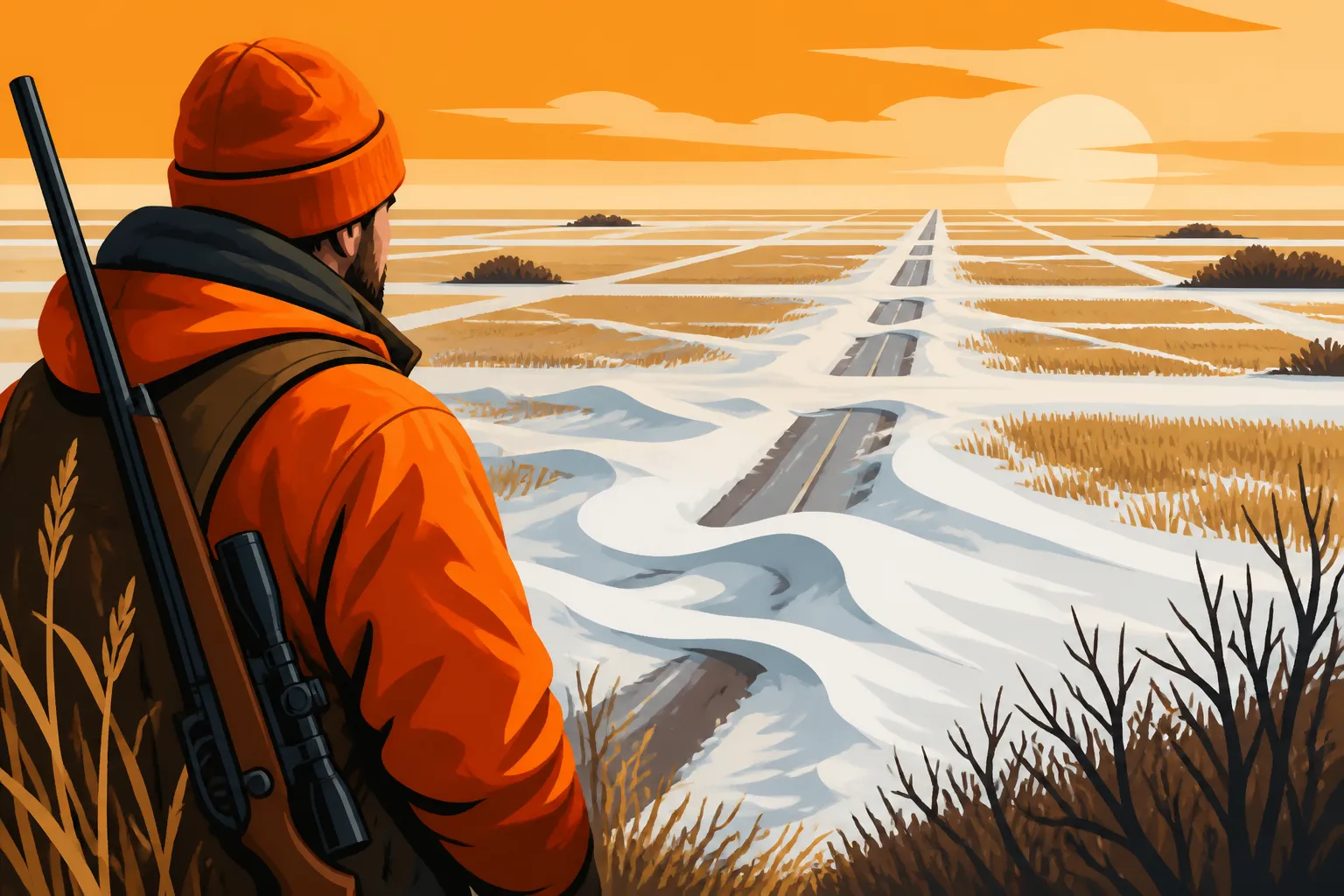
There's nothing quite as frustrating as waking up on a crisp Saskatchewan winter morning, ready for a day of hunting, only to find the grid roads you planned to use are completely impassable, swallowed by snowdrifts. It throws a wrench into even the best-laid plans, leaving you wondering if your hunt is over before it even began. This guide is all about navigating those challenging situations, understanding why our grid roads become so vulnerable, how to prepare, and what to do when winter truly takes hold and access becomes a major concern.
Understanding Saskatchewan's Winter Landscape and Road Network
Saskatchewan winters are legendary for a reason, and while the snow often brings exceptional hunting opportunities, it also brings unique challenges, especially concerning rural access. Getting stranded miles from anywhere is a serious risk, and understanding the terrain and road types can make all the difference.
The Nature of Grid Roads and Why They're Vulnerable
Our grid roads are the lifeblood of rural Saskatchewan, forming a mostly straight, mile-by-mile network that crisscrosses the province. These aren't your paved highways; they're typically gravel or dirt, often with minimal elevation changes and few natural windbreaks. This design, while efficient for surveying and farming, makes them incredibly susceptible to drifting snow. Imagine a wide, open field: when strong winds sweep across it, they pick up loose snow, creating a blizzard-like effect even if no new snow is falling. These winds then encounter any slight obstruction – even a shallow ditch or a vehicle parked on the side – and deposit their snowy cargo.
Because these roads are often built right across flat prairie, there's nothing to stop the wind from creating massive snow fences out of the ditches. The snow accumulates quickly, often packing down into dense, almost concrete-like drifts that can be deceivingly deep. What looks like a small ripple might hide several feet of solid snow. This isn't just fluffy powder you can easily drive through; it's often hard-packed snow that can high-centre even a capable 4×4, leaving you spinning tires and completely stuck. And unlike highways, grid roads rarely see consistent plowing during or immediately after a heavy snowfall, meaning they can stay drifted shut for days, sometimes even weeks, depending on the severity and local resources.
Geographic Factors Influencing Drifting
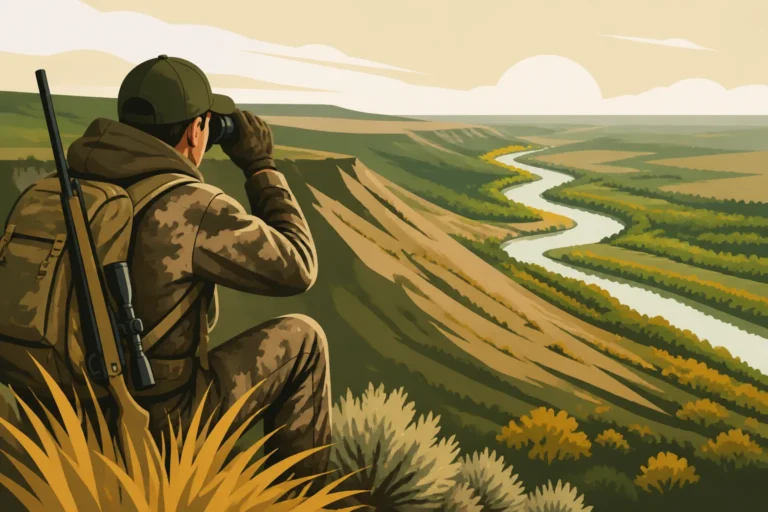
The flat, expansive nature of Saskatchewan's southern and central regions is a primary factor in the severity of snow drifting. When you have miles and miles of open stubble fields, the wind has an uninterrupted run-up to gather snow. These winds then dump their load wherever there's a change in topography or vegetation. A small bluff, a shelterbelt of poplars, or even a barely perceptible rise in the land can act as a giant snow fence, creating monumental drifts downwind on the adjacent road.
The problem is compounded in areas where the forest fringe begins, or where there are more natural draws and coulees. While these features might offer some shelter from the wind in places, they also create complex air currents that can deposit snow in unexpected and particularly deep spots. A seemingly innocent dip in a grid road running through an aspen bluff can become a massive trap. Conversely, the dense bush of the boreal north might keep snow from drifting as widely, but heavy snowfalls can still make logging roads and cutlines impassable simply due to sheer volume and lack of traffic. Understanding these localized patterns, whether you're Hunting Whitetails in Saskatchewan's Forest Fringe or hunting Saskatchewan's prairie coulees, is critical for winter access planning.
Predicting and Preparing for Drifting Conditions
Dealing with drifted grid roads isn't just about reacting when you're stuck; it's about proactive planning and knowing what to expect. Good preparation can mean the difference between a successful hunt and a chilly, potentially dangerous ordeal.
Key Weather Indicators for Impending Road Closures
Before you even load your gear, pay close attention to the weather forecast. It’s not just about how much snow is predicted; it’s about the wind. Even a small amount of fresh snow, combined with sustained winds of 30-40 km/h (about 20-25 mph) or higher, especially from the north or west, can cause significant drifting across open country. Look for snowfall warnings, certainly, but pay even closer attention to high wind advisories, especially if they follow a fresh snowfall. The combination of recent snow and high winds means grid roads will almost certainly drift shut.
Also, consider the temperatures. Extreme cold can make otherwise manageable situations far more dangerous. Below -20°C (-4°F), any time spent outside your vehicle trying to dig out or assess conditions becomes a serious health risk. Always check the forecast for wind chill values. If a significant snow event is followed by a sharp drop in temperature and strong winds, assume those grid roads will be closing and plan accordingly, even if you don't see current closure reports. It's often the day after a blizzard, when the winds continue to howl and the temperatures plummet, that the roads become truly impassable.
Essential Gear and Vehicle Preparedness for Winter Hunting
Preparation is paramount for Hunting Saskatchewan Winter Weather Safely. Your vehicle needs to be in top shape. A reliable 4×4 with good winter tires (not just all-seasons) is non-negotiable. Ensure your battery is strong, your block heater is working, and your fuel tank is full. Beyond vehicle readiness, your personal kit is critical. Think "self-rescue" and "survival."
Here's a table of essential gear to consider when venturing out in winter conditions:
| Category | Item | Why It's Essential |
|---|---|---|
| Vehicle | Strong Tow Strap | For pulling yourself out, or being pulled by another vehicle. |
| Shovel (collapsible) | Digging out tires, clearing drifts. | |
| Traction Mats/Chains | Added grip on ice or deep snow. | |
| Jumper Cables/Booster Pack | Cold starts are tough on batteries. | |
| Full Fuel Tank | Essential for heat if stranded; don't run on fumes. | |
| Tool Kit & Duct Tape | Minor repairs, hose clamps. | |
| Survival | Extra Warm Clothing | Layers, extra socks, hat, mitts. Think if you were walking. |
| Heavy Winter Sleeping Bag | For overnight survival if truly stranded. | |
| High-Calorie Food & Water (Thermos) | Maintain energy and hydration, especially warm liquids. | |
| First Aid Kit | Always, but vital in remote, cold environments. | |
| Matches/Lighter & Fire Starter | For emergency heat and signaling. | |
| Brightly Coloured Blanket/Flag | For signaling air rescue. | |
| Navigation/Comms | Satellite Messenger/SPOT Device | Essential where cell service is non-existent. |
| Fully Charged Phone & Power Bank | For emergency calls if service is available. | |
| Paper Maps & Compass | Backup for dead electronics. | |
| onX Hunt / GoHunt (Offline Maps) | For identifying alternate routes, access, and property lines. |
Always tell someone your hunting plan, including your route and expected return time. This is invaluable if something goes wrong.
Navigating and Hunting When Roads Are Shut
When the grid roads are drifted shut, your immediate priority shifts from just hunting to safe access and exit. This often means rethinking your approach entirely.
Safe Travel Strategies and Alternative Access Points
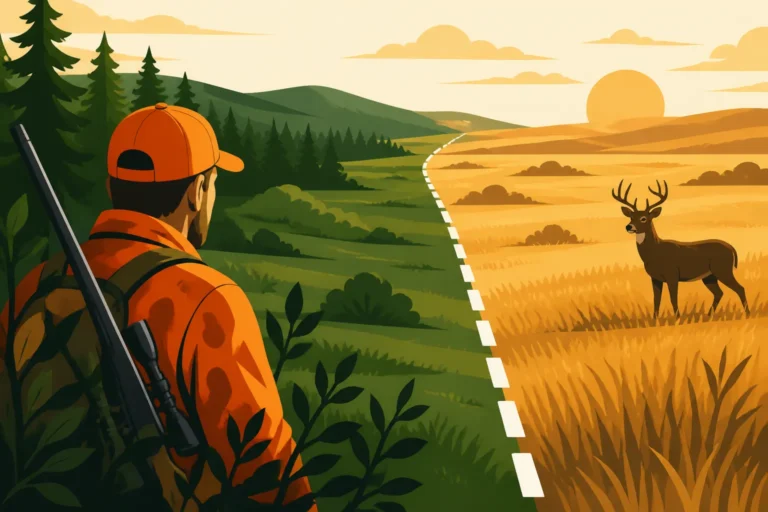
The golden rule when grid roads are drifted shut is simple: don't push it. If a drift looks questionable, it probably is. Trying to power through often results in getting high-centred and stuck, potentially miles from any help. Turn back and look for alternatives. Sometimes, simply approaching from a different direction on an un-drifted road can get you to where you need to be. In other cases, you might need to park your vehicle on a main highway or a clearer, less-trafficked road and walk, or use a snowmobile or ATV (if permissible and safe) to access your hunting area. Always check Quad and Side-by-Side Rules on Crown Land before heading out.
When walking in, consider the distance. A mile or two might seem manageable, but hauling out a deer through deep snow makes it feel exponentially longer. Use mapping apps like onX Hunt or GoHunt to identify potential clearings, shelterbelts, or natural terrain features that might offer a less drifted route, or that run parallel to a drifted road. These apps can be lifesavers for finding Saskatchewan Crown Land Access points that might not be obvious from the main grid. Be mindful of property lines – even if you're walking, you still need permission for private land. Knocking on Doors in Saskatchewan Farm Country might yield an alternative access route or even a landowner offering to help plow a short stretch.
Adapting Your Hunting Strategy to Limited Access
When widespread grid road closures limit human access, it fundamentally changes how game, particularly deer, move and behave. This can actually present unique opportunities for observant hunters. Deer will often be less disturbed in areas that suddenly become harder for people to reach. They might feel safer in these areas, settling into deeper cover. Where Saskatchewan Whitetails Bed in Snow will be crucial to understand. Look for signs of activity along the edges of standing crops, heavy bush, or un-harvested fields that now serve as secure sanctuaries.
Game animals will also concentrate around remaining food sources that are accessible, or in areas offering the best thermal cover from the biting cold and wind. A frozen slough crossing, a deep coulee, or a dense poplar bluff might become a hub of activity. If you can manage to access these hard-to-reach spots, your chances of encountering undisturbed game can significantly increase. Think about targeting areas like Hunting a Saskatchewan Bush Bluff or Hunting a Frozen Slough Crossing which might become de facto sanctuaries when vehicle access is cut off. This is where patience and persistence truly pay off. Be prepared for a long day Sitting All Day in a Saskatchewan Blind once you get to your chosen spot.
Tools and Resources for Road Condition Updates
Staying informed about road conditions is your best defense against getting stuck or having your hunt ruined by impassable routes. Luckily, there are several excellent resources available.
Leveraging Digital Mapping and Community Intel
Modern hunting technology has revolutionized how we scout and navigate, and it's particularly helpful when dealing with unpredictable winter road conditions. Apps like onX Hunt and GoHunt provide detailed satellite imagery and property line information, which is invaluable. Before you leave home, you can "virtually scout" alternative access points, identify treelines or bluffs that might create drifts, and even pinpoint potential walk-in routes around problem areas.
With these apps, you can download maps for offline use, meaning you still have access to critical information even if you lose cell service, which is common in many rural Saskatchewan hunting areas. Look for public land boundaries, such as those within Saskatchewan's Fish and Wildlife Development Fund Lands, that might have less maintained access but could be reachable on foot or by snowmobile when gravel roads are completely blocked. Beyond mapping, local community groups on social media, or even a quick call to a rural resident in the area, can provide real-time updates on grid road conditions that official channels might not report as quickly. This kind of grassroots intelligence is often the most accurate for specific backroads. Scouting With Satellite Imagery in Saskatchewan is a key part of winter preparedness.
Official Sources for Road Closures and Advisories
While local intel is great, official sources provide comprehensive, province-wide information on major routes and often critical advisories. The Saskatchewan Highway Hotline is the primary official source for road conditions, including closures, icy patches, and travel advisories for provincial highways. While it doesn't cover every single grid road, major drifts on a nearby highway often indicate that the grids branching off it will be in similar or worse shape.
Additionally, many Rural Municipalities (RMs) have their own websites or social media pages where they post updates on local road maintenance and closures, especially during significant snow events. It's a good practice to identify the RM(s) covering your hunting area and check their resources before you head out. These official channels are crucial for understanding the broader picture and making informed decisions about whether to even attempt to travel. Remember, safety first – no trophy is worth risking your life over.
Disclaimer
This article is for general informational purposes only and does not constitute professional advice. Laws, prices and regulations vary by location and change over time. Consult a qualified professional for guidance on your specific situation.