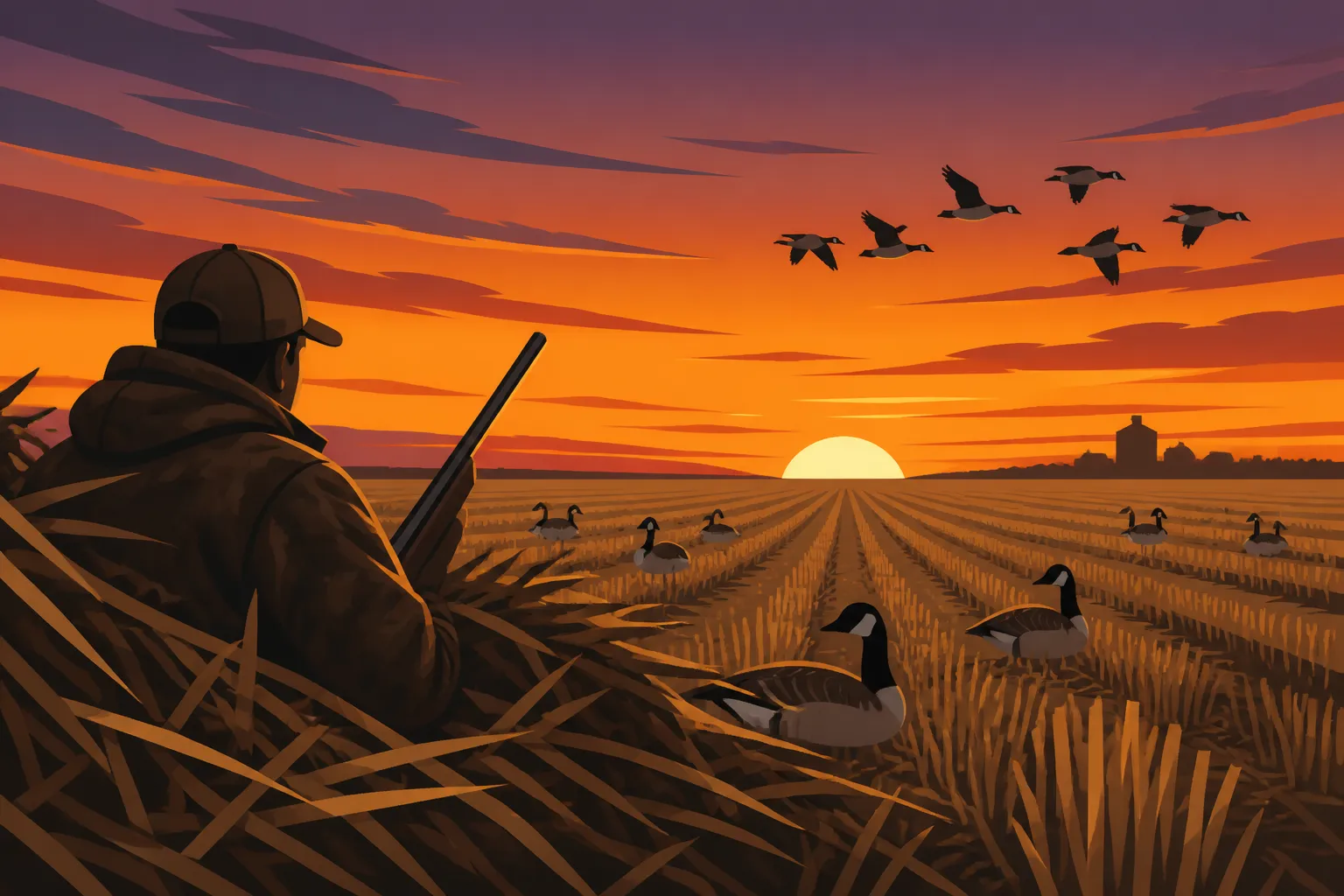
Hunting a Swathed Grain Field at Dusk
There’s nothing quite like the anticipation of a Saskatchewan evening hunt, but it can be incredibly frustrating when you know the deer are there, yet they seem to vanish during daylight hours. Many a hunter has watched deer pour into a golden swathed grain field right at last light, only to realize they were unprepared for that specific, fleeting opportunity. This guide will walk you through everything you need to know to successfully intercept those elusive whitetails as they emerge into swathed fields at dusk in Saskatchewan.
Understanding Deer Movement in Swathed Fields
Saskatchewan’s agricultural landscape is a mosaic of food and cover, and whitetail deer are masters at utilizing it. Swathed fields, in particular, present a unique set of challenges and opportunities that differ significantly from standing crop or open stubble.
Why Swathed Fields Attract Deer
Once the combines start rolling, or even before if the crop is swathed, the game changes. A swathed field, whether it's wheat, barley, canola, or peas, offers an immediate, easy food source. The grain is knocked down, making it readily accessible without having to browse through dense standing stalks. Deer, being creatures of efficiency, will quickly key into these newly available buffets. They'll transition from their daytime bedding cover – perhaps a nearby bluffs, a willow run, or even a standing crop of corn or canola – to these swathed fields as the sun dips below the horizon. The sheer abundance of exposed grain means less effort for more calories, a crucial factor as they prepare for the colder months and the upcoming rut. It’s also often a safer travel lane, as the downed crop can offer a bit more concealment than a completely bare stubble field might.
Deer will often filter into these fields from predictable travel corridors, such as treelines, bush edges, or even low spots and coulees that offer a degree of cover across the otherwise open prairie. Understanding What Cropland Change Did to Prairie Game is key to appreciating how these animals adapt their movements to agricultural patterns. They might spend the early evening hours browsing along the edge, cautiously testing the wind, before committing further into the field as darkness encroaches. This period, from a half-hour before sunset to true last light, is your prime window.
Interpreting Deer Activity Patterns
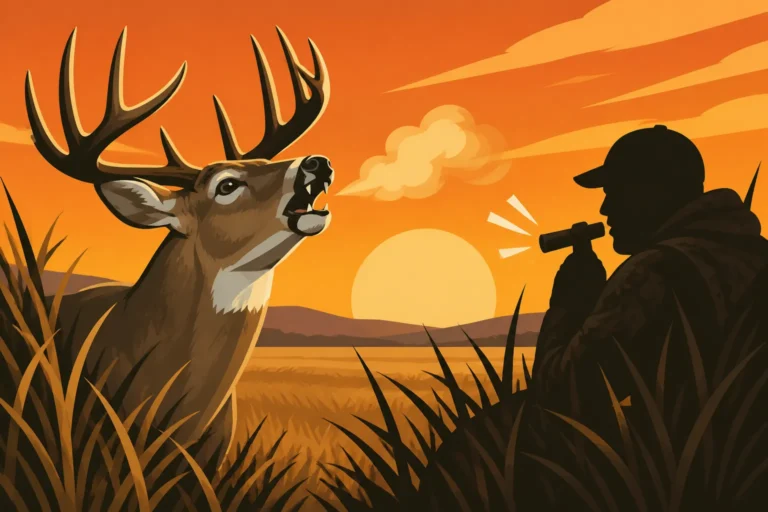
Deer are crepuscular, meaning they are most active during dawn and dusk. In a swathed field, this pattern is amplified. During the day, they're likely bedded down, sometimes surprisingly close in dense cover. As evening approaches, their internal clocks, combined with decreasing light and temperature, trigger them to move. You'll often see initial movements from does and younger bucks, acting as a sort of early warning system for the older, more cautious animals. Big bucks, especially, are notorious for waiting until the very last sliver of legal shooting light before stepping out into the open. This makes patience and a keen eye for subtle movement absolutely crucial.
Their approach often follows the path of least resistance or greatest security. Look for funnels created by small draws, shelterbelts, or even changes in topography. They’ll usually emerge from the downwind side of their bedding area, using the wind to detect any threats. If you've been doing your homework by Reading Whitetail Sign in Saskatchewan Bluffs or other nearby cover, you'll have a much better idea of their preferred entry points. Observing these subtle patterns is what separates a successful hunter from one who simply sits and hopes. Pay attention to how the wind shifts throughout the evening; a slight change can completely alter a deer's entry strategy.
Scouting and Setup Strategies for Dusk Hunts
A successful evening hunt in a swathed field isn't about luck; it's about meticulous scouting and strategic placement. Without proper groundwork, you’re just hoping for a chance encounter.
Pre-Hunt Reconnaissance
Your boots on the ground, or eyes in the sky with mapping tools, are your best friends here. Start by identifying which fields have been swathed and what type of crop they hold. Deer often show preferences. For example, a swathed pea field can be an absolute magnet. Drive the grid roads legally, glassing fields from a distance during morning and evening hours, long before you plan to hunt. Look for consistent entry points, trails leading into the swath, and fresh tracks. Pay close attention to how deer move from their bedding cover to the feeding area. Are they using a specific corner? A fence line? A small dip in the terrain?
Satellite imagery and hunting apps like GoHunt are invaluable for this. You can literally spend hours at home Scouting With Satellite Imagery in Saskatchewan, identifying potential funnels, pinch points, and cover close to swathed fields. Look for those hidden bush pockets, slough edges, or creek bottoms that connect to the fields. GoHunt allows you to mark these spots, track wind direction predictions, and even drop pins for potential stand locations. Don't be afraid to knock on doors to secure permission for Hunting Whitetails on Saskatchewan Farmland. Many landowners are happy to grant access to respectful hunters, especially if deer are causing crop damage. Remember, identifying where the deer are coming from is just as important as knowing where they're going.
Choosing Your Setup Location
Once you have a good handle on deer movement, it’s time to pick your stand or blind location. This is where the open nature of Saskatchewan’s agricultural land can be tricky. You need to be concealed, have a clear shot, and be positioned for the prevailing wind direction, especially at dusk when thermals might be settling.
Treestands: If there’s a suitable treeline, shelterbelt, or a sturdy lone tree on the field edge, a treestand offers an elevated vantage point. This allows you to see over the swath and can help carry your scent above the deer’s nose. Position your stand to face the most likely entry point, ensuring any crosswind carries your scent away from the approach. Consider the sun's position at dusk; you don't want to be staring into it or casting a long shadow that alerts deer.
Ground Blinds: In areas where trees are scarce, a well-placed ground blind can be incredibly effective. Portable pop-up blinds can be set up days in advance to allow deer to get used to them. Natural blinds, constructed from local vegetation like cattails or willow branches, can also work well if built with care and attention to blending in. Place your blind downwind or crosswind of the anticipated travel route, and ideally, slightly back from the field edge to minimize your silhouette against the skyline. Often, a subtle rise in terrain, a clump of brush, or even a large round bale can offer enough cover to break up your outline. Remember to bring a comfortable chair; evening hunts require patience!
Mobile Approach: Sometimes, the best strategy is a mobile one. This often involves spot-and-stalk tactics, but for a dusk hunt, it might mean careful observation from a vehicle (from the road, with proper permission) and then making a quick, quiet move on foot to intercept deer already in the field, or setting up a quick ambush on a known travel route. This is particularly challenging in open swathed fields, as cover is minimal. If using this method, ensure you use natural terrain features like sloughs, coulees, or even the rows of swathed grain itself to your advantage. This strategy is high risk, high reward, and requires excellent stalking skills and an intimate knowledge of the terrain.
| Setup Type | Advantages | Disadvantages | Ideal Scenario |
|---|---|---|---|
| Treestand | Elevated view, scent dissipation, less silhouette | Limited locations, often require pre-setup, less mobile | Wooded edges, shelterbelts, lone sturdy trees |
| Ground Blind | Excellent concealment, comfortable, easy setup | Scent control critical, limited visibility (can be), less mobile | Open fields near cover, round bales, natural brush clumps |
| Mobile (Stalk/Ambush) | Highly adaptable, can react to real-time movement | Very challenging in open fields, high risk of spooking | When deer patterns are unpredictable or cover allows close approach |
No matter your chosen method, ensure you're within comfortable shooting range of where you expect the deer to appear. Practice your shot repeatedly from the positions you expect to be in, whether sitting in a blind or standing in a stand. Don't forget that Saskatchewan Shooting Hours for Big Game are strictly enforced, so know precisely when legal light ends.
The Art of the Evening Stalk and Ambush
Once your setup is chosen and the evening draws near, the real game begins. Patience, stealth, and adapting to the deer's unpredictable nature are paramount.
Approaching Your Setup
The walk to your blind or stand is critical. Any disturbance on your approach can ruin the hunt before it even starts. Arrive early, ideally 1.5 to 2 hours before sundown. This allows you to settle in, lets the woods or field edge calm down, and gives any spooked animals time to forget your presence. Plan your route carefully to minimize noise and scent. Walk slowly, paying attention to every twig underfoot. Use natural cover like brush lines or ditches to obscure your movement. Always walk with the wind in your face or on a crosswind to prevent your scent from being carried ahead of you into the deer's likely approach path. This is especially true when Hunting a Saskatchewan Bush Bluff which might be holding the deer you're after. Your scent discipline needs to be impeccable, using scent-eliminating sprays or ozone generators if you prefer.
Sitting the Stand or Blind at Dusk
Once settled, become one with your surroundings. Minimize movement, especially any sudden, jerky motions. Scan the field edges, looking for ears, a flicker of a tail, or the subtle glint of an antler. Use binoculars or a spotting scope constantly, scrutinizing every shadow and anomaly. The low light of dusk can play tricks on your eyes, so take your time confirming what you see. As the light fades, the deer's confidence grows, and they often become less wary. This is the moment they'll typically step out.
Be ready for a quick shot. Your rifle should be shouldered, or your bow at the ready, as soon as a legal animal appears. In the fading light, every second counts. Practice quickly acquiring your target and taking a clean, ethical shot. Remember that Saskatchewan's legal shooting light can be very short at dusk, so you must be absolutely certain of your target and background. This often means making a snap decision.
Shot Placement and Follow-Up
When the moment arrives, take a deep breath and focus on shot placement. In the low light, a good quality scope with illuminated reticle can be a game-changer. Aim for the vital zone – the heart-lung area – for the quickest, most ethical kill. After the shot, observe the deer's reaction. Did it run off? Did it drop in its tracks? Mark the exact spot where the deer was standing when you shot, and where you last saw it run. This initial visual marking is incredibly important for later tracking, especially as darkness descends rapidly.
Resist the urge to immediately jump up and chase. Give the deer time. If you suspect a solid hit, wait at least 30 minutes, sometimes an hour, before starting your track. This allows a wounded animal to lie down and stiffen up, making it easier to find. If you push it too soon, it might run further and become much harder to recover. Use this waiting period to mentally replay the shot, confirm your last-seen point, and gather your tracking gear.
Post-Shot Considerations and Retrieval
The shot is only half the battle. Retrieving your game safely and preserving the meat is crucial, especially as temperatures drop quickly in Saskatchewan evenings.
Tracking in Fading Light
Tracking a deer in a vast swathed field at dusk or after dark is one of the most challenging aspects of hunting. Even with a good hit, a deer can travel surprisingly far. Start at the spot the deer was standing when you shot. Look for blood, hair, bone fragments, or disturbed earth. Use a good quality headlamp or powerful spotlight. Follow the trail slowly and methodically, marking each sign with flagging tape or reflective tacks. If you lose the trail, spread out in a grid pattern and search for fresh sign. If you're tracking with a partner, communicate constantly. Reading Sign After Fresh Saskatchewan Snow can be a huge advantage, but in a dry fall, every tiny clue matters.
One invaluable tool for tracking, especially in open country, is a reliable GPS device or a smartphone app like GoHunt. You can drop waypoints at each blood sign or point of interest, helping you stay oriented and visualize the trail even when it’s sparse. Many hunters also bring a rangefinder to mark the distance and direction of the last spot they saw the deer. If the blood trail peters out, look for overturned leaves, broken twigs, or scuff marks in the swath. Sometimes, deer will parallel a fence line or a distinct feature, so keep that in mind. If you're struggling, don't be afraid to back out and return in the morning with fresh eyes and better light. A well-placed shot often means the deer won't go far, but even a short track can feel miles long in the dark.
Field Dressing and Meat Care
Once you locate your deer, the next priority is field dressing to cool the carcass. Even if it's cool outside, removing the entrails immediately is essential to prevent spoilage. In Saskatchewan’s often chilly fall evenings, meat cooling down isn't usually the biggest problem, but preventing it from freezing solid before processing can be. Be mindful of the temperature; if it's going to be unseasonably warm, get that deer gutted and cooled as quickly as possible. Learn more about Meat Care in Saskatchewan's Cold Snaps to ensure your venison is top-notch.
After field dressing, get the deer back to your vehicle. This can be the hardest part of the entire hunt, especially with a mature Saskatchewan whitetail. A deer cart, sled, or even a strong tarp can be a lifesaver in a large, open field. If you have to wait until morning, ensure the carcass is elevated off the ground (e.g., on a pallet, logs, or hay bales) to allow air circulation and protect it from scavengers.
Transportation and Processing
Once your deer is out of the field, transport it responsibly. Ensure it's tagged properly and the tag is validated according to Saskatchewan regulations. Cover the carcass with a tarp or game bags to keep it clean during transport. If you plan to hang your deer for a few days before processing, ensure you have a cool, clean, and secure location. Many hunters use unheated garages or sheds for this, being careful about Hanging Meat in Fall Temperature Swings.
The ultimate goal is to get that hard-earned venison into your freezer. Whether you process it yourself or take it to a local butcher, proper care from the field to the table is what completes the hunting cycle. Enjoy the fruits of your labor, knowing you've successfully navigated the unique challenge of hunting a swathed grain field at dusk.
Disclaimer
Hunting is an inherently dangerous activity. Always prioritize safety, understand and follow all provincial and federal hunting regulations, and ensure you have proper training and equipment. The information provided in this guide is for informational purposes only and should not be considered legal advice. Always consult the most current Saskatchewan Hunting and Trapping Guide and local authorities for specific rules and regulations.