Day Rates Versus Package Prices
It’s a common scenario for any hunter looking to book a trip, especially when you’re eyeing a province like Saskatchewan known for its incredible hunting opportunities. You start looking at outfitters, and suddenly you're faced with phrases like "day rates" and "package prices," and it can feel like you need a finance degree just to understand what you're signing up for. The frustration is real – you just want to know what your hunt is going to cost and what exactly that price includes. This guide will break down the differences between day rates and package prices in Saskatchewan's hunting outfitting world, helping you understand what each option offers and which might be the best fit for your next adventure.
Understanding the Basics: What's the Difference?
When you’re planning a hunt, whether it’s for a trophy whitetail or a limit of ducks, the pricing structure can be the first hurdle. It’s not always straightforward, and what one outfitter considers a "day rate" another might roll into a "package." Knowing the fundamental distinctions is key to budgeting and avoiding surprises.
Day Rates Explained
A "day rate" usually implies a more à la carte approach to hunting services. Essentially, you're paying for the guide's time and expertise for a single day, or sometimes a series of individual days, without a lot of other amenities bundled in. Think of it as hiring a professional for their specific service for a set period.
What typically falls under a day rate might include the guide's wages, their knowledge of the local terrain, access to their scouting information, and perhaps basic field transportation for that day's hunt. For example, if you’re a local Saskatchewan resident with your own accommodation and meals sorted, you might hire a guide for a single day of waterfowl hunting, or a specific morning of rattling for whitetails during the rut. The guide would meet you, take you to the field, call, set decoys, and help with retrieval, but when the hunt is over, you’re on your own for the night. You'd be responsible for your own gear, your licence, your food, and any post-hunt processing. This option offers flexibility if you have other aspects of your trip already covered, or if you're just looking for a very specific, short-duration experience.
Package Prices Explained
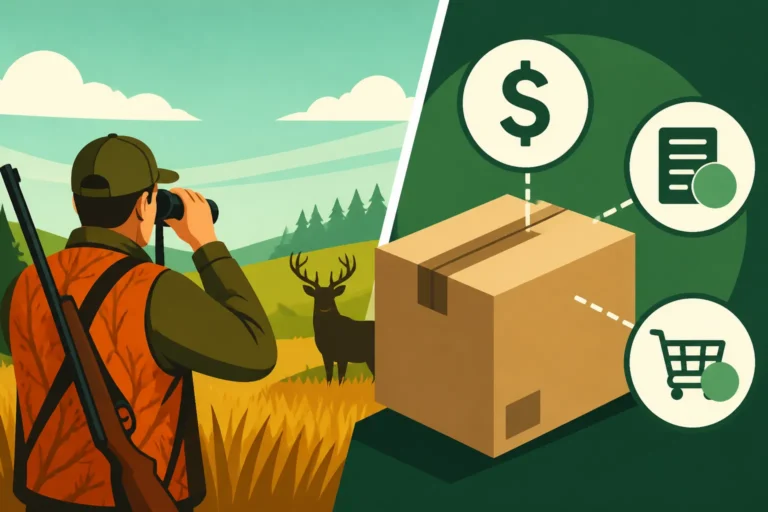
In contrast, a "package price" is generally a comprehensive offering designed to cover most, if not all, of your hunting trip's core components for a set number of days. These packages are particularly popular and often necessary for non-resident hunters coming to Saskatchewan, as regulations typically require them to book through a licensed outfitter for big game. A package is built to provide a relatively seamless experience, taking many logistical burdens off the hunter.
A typical package might include a multi-day guided hunt, comfortable lodging (which could range from a rustic cabin to a modern lodge), all meals (often home-cooked and hearty), basic field transportation (like getting you to and from hunting blinds), initial field dressing of your animal, and sometimes even airport pick-up and drop-off. For someone flying in from another province or country, this all-inclusive approach simplifies travel immensely. It means you can focus on the hunt itself, rather than worrying about where you'll sleep, what you'll eat, or how you'll get from the airport to the hunting area.
When a Day Rate Makes Sense (And When It Doesn't)
Deciding between a day rate and a package hunt really boils down to your specific needs, where you're coming from, and the type of hunting experience you're after. While a day rate can seem more economical at first glance, it's essential to understand its true applicability and potential hidden costs.
Ideal Scenarios for Day Rates
Day rates are usually best suited for Saskatchewan residents, or perhaps those from a neighbouring province who can easily drive in and handle their own logistics. If you already have a place to stay (like a cabin, a camper, or staying with friends/family) and you prefer to cook your own meals, a day rate for a guide might be an excellent option. For example, a local hunter might want to hone their skills in Calling Coyotes in Saskatchewan Stubble for a day, or get an expert’s advice on Hunting Hungarian Partridge on Saskatchewan Farms without committing to a full week-long guided experience. This allows you to tap into an outfitter's local knowledge for a specific purpose without the added overhead.
Furthermore, some outfitters might offer day rates for specialized, shorter hunts like spring snow goose hunts, where the focus is intense action over a big spread for a few hours, and hunters often prefer to arrange their own lodging in a nearby town. It's about flexibility and cost control, assuming you can manage all the ancillary aspects of the trip yourself.
Hidden Costs and Considerations
The biggest pitfall of day rates, and why they often don't work for non-resident hunters, is what they don't include. For big game hunting, non-residents legally require an outfitter for their entire trip, which generally means a package deal. Trying to cobble together a hunt with only day rates can quickly lead to logistical nightmares and potentially exceed the cost of a package once you factor everything in.
Consider the following expenses that are almost always separate from a day rate:
- Accommodation: Hotels, motels, Airbnb, or camping fees.
- Meals: Groceries, restaurant tabs, or packed lunches.
- Transportation: Rental car, fuel, airport transfers, or travel to and from hunting areas each day.
- Licences and Tags: The cost of your hunting licence, tags, and federal migratory bird permits (if applicable). This is a non-negotiable expense for any hunt. You can find more information on Saskatchewan Resident Licence Options to understand what you’ll need.
- Meat Processing: Butcher fees, freezing, and packaging.
- Taxidermy: If you harvest a trophy, the cost to cape and transport it.
- Equipment Rental: Some guides might rent out blinds, decoys, or firearms, but this adds to the daily cost.
- Gratuities: Tipping your guide is standard practice, whether on a day rate or a package. You might want to review Tipping a Saskatchewan Guide for more details.
For a hunter travelling a long distance, the cumulative cost and hassle of arranging all these elements individually often makes a package deal the more practical and ultimately more economical choice. The convenience factor for non-residents, in particular, is monumental.
The Value Proposition of a Package Hunt
While a package hunt might present a higher initial price tag, its true value lies in the comprehensive, worry-free experience it offers. For many hunters, especially those travelling a significant distance, this convenience is worth every penny.
The All-Inclusive Experience
Imagine arriving at the airport in Saskatchewan, being picked up by your outfitter or their staff, and being transported directly to a comfortable lodge or camp. Your meals are prepared, your guides are waiting, and the plan for your hunt is already laid out. This is the essence of a package hunt. Outfitters meticulously plan every detail, from scouting promising areas like Hunting Farmland Moose in Saskatchewan or setting up a Setting a Bear Bait Site in Saskatchewan, to ensuring you have a warm place to sleep and good food to fuel your days.
These packages are designed to maximize your hunting time and minimize logistical stress. They often include comfortable sleeping arrangements, whether it's a dedicated hunting lodge with private rooms or a well-appointed camp. Meals are typically provided, ranging from hearty breakfasts before dawn to delicious dinners after a long day in the field. Basic field care of your game, such as initial field dressing and transport back to camp, is also usually part of the deal. Some high-end packages even include initial processing or cold storage facilities on-site, which can be a huge benefit, particularly in early season when temperatures can fluctuate. This level of service allows you to fully immerse yourself in the hunt, knowing that the details are being handled.
Predictable Budgeting
One of the greatest advantages of a package hunt is the predictability it brings to your hunting budget. When you sign up for a package, you receive a single, upfront price that covers the majority of your expenses for the duration of the trip. This eliminates the guesswork and the potential for unexpected costs to pile up during your adventure.
You'll know exactly what you're paying for guide services, accommodation, and food before you even leave home. While you'll still need to budget for your licence, travel to Saskatchewan, and possibly a tip for your guide, the core expenses are fixed. This makes financial planning much simpler and reduces stress, allowing you to focus on preparing for the hunt itself. For those wondering about the general cost structure, resources like What a Saskatchewan Guided Whitetail Hunt Costs can provide an idea of what typical packages might include financially. This transparency allows you to compare different outfitter offerings with a clearer understanding of the total investment.
How to Choose: Day Rate vs. Package for Your Hunt
Making the right choice between a day rate and a package price requires a careful assessment of your individual circumstances and hunting goals. There's no one-size-fits-all answer, but by considering a few key factors, you can determine which option aligns best with your needs.
Assessing Your Needs and Residency
The first and most critical factor is your residency status. As mentioned, non-residents (both from other Canadian provinces and international hunters) are generally required to book with a licensed outfitter for big game in Saskatchewan. This nearly always means opting for a package deal, as day rates typically don't meet the regulatory requirements for non-resident big game hunting. If you’re a non-resident looking to chase whitetails or bears, a package is essentially your only viable option. For non-resident bird hunters, while the rules have changed, it’s still often most practical to book through an outfitter, especially with the Non-Resident Game Bird Licence Changes that occurred.
For Saskatchewan residents, however, the choice opens up. If you live close to your hunting area, have your own gear, a reliable vehicle, and a place to stay (or prefer to camp), a day rate for specific guidance on a difficult species or a particular technique could be a great fit. Consider how many days you plan to hunt, what level of comfort you expect, and how much time and effort you're willing to put into arranging logistics yourself. If you're after a full, immersive, stress-free vacation that happens to include hunting, a package will almost certainly be the better choice, regardless of residency.
Researching and Comparing Options
Once you've considered your residency and needs, it's time to dive into research. Don't be shy about asking outfitters detailed questions about what exactly is included in their quoted prices. Is transportation from the nearest town part of it? Are there any hidden fees for field dressing or cold storage? Clarifying these details upfront can prevent misunderstandings later.
Platforms like BookYourHunt or GoHunt can be excellent starting points for seeing what various Saskatchewan outfitters offer. You can often filter by species, duration, and price range, giving you a good overview of the market. Pay close attention to the "inclusions" and "exclusions" sections of any listed hunt. Some outfitters might include your licence in the package price, while others clearly state it's an additional cost. Look for details on lodging quality, meal plans, and the guide-to-hunter ratio. A one-on-one guided hunt, for instance, will invariably be more expensive than a two-on-one, but might offer a more personalized experience. Take the time to compare apples to apples when looking at different operations. Reading reviews and asking for references can also provide invaluable insight into the quality of the overall experience, not just the price.
| Feature | Day Rate (Typical) | Package Price (Typical) |
|---|---|---|
| Duration | Single day or limited, specific days | Multi-day (e.g., 3-7 days) |
| Guide Service | Included | Included |
| Accommodation | Not Included (hunter arranges) | Included (lodge, cabin, camp) |
| Meals | Not Included (hunter arranges) | Included (breakfast, lunch, dinner) |
| Field Transportation | Often included for the day's hunt | Included (to/from hunting areas, sometimes airport) |
| Licences/Tags | Not Included (hunter purchases separately) | Not Included (hunter purchases separately, some assist) |
| Meat Processing | Not Included (hunter arranges) | Sometimes initial field dressing/cooling, further processing extra |
| Taxidermy Prep | Not Included (hunter arranges) | Sometimes basic cape/antler prep, further services extra |
| Best For | Local residents, specific short hunts, maximum flexibility if self-sufficient | Non-residents (often mandatory), out-of-province hunters, stress-free experience |
| Budget Predictability | Lower initial cost, but many variable additional expenses | Higher initial cost, but most core expenses covered, very predictable |
Ultimately, the goal is to choose the option that provides the best value and experience for your specific hunting adventure in Saskatchewan. Whether you opt for the flexibility of a day rate or the comprehensive nature of a package, a well-informed decision will lead to a more enjoyable and successful hunt.
Disclaimer
This article is for general informational purposes only and does not constitute professional advice. Laws, prices and regulations vary by location and change over time. Consult a qualified professional for guidance on your specific situation.