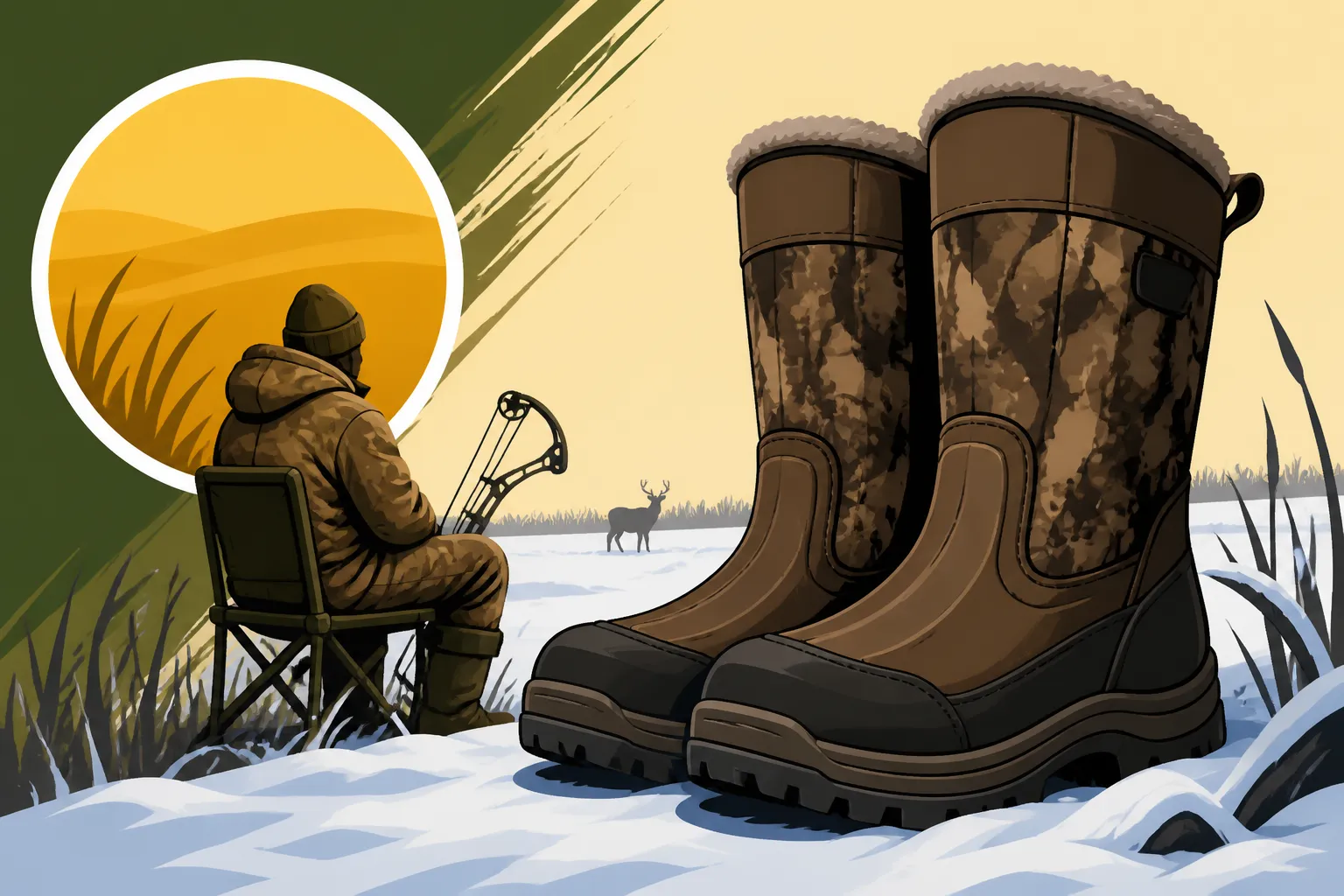
Boots for Sitting Still in Deep Cold
There’s nothing quite like the feeling of watching a Saskatchewan sunrise paint the prairie or the boreal forest edge with soft light, knowing a big buck could step out at any moment. But that magic moment can turn into sheer misery if your feet are numb with cold. Many of us have been there, sitting on stand for hours, absolutely frozen from the ankles down, counting down the minutes until we can stomp our feet and warm up. This guide is all about tackling that exact frustration, ensuring your feet stay warm and comfortable, even when you’re sitting absolutely still in Saskatchewan's deep cold.
The Unique Challenge of Still-Hunting in Saskatchewan's Deep Cold
Saskatchewan winters are legendary, and for good reason. They can be brutal, with temperatures plummeting far below freezing and often accompanied by biting wind. For hunters, this isn't just a matter of general discomfort; it's a critical factor in success and safety. When you’re spending hours on a whitetail stand, waiting for that perfect opportunity, your body isn't generating much heat. Your feet are particularly vulnerable, especially when exposed to cold metal stands or frozen ground.
Why Stillness Kills Warmth
Think about it: when you're hiking, walking, or even just slowly still-hunting, your muscles are working, pumping blood, and creating metabolic heat. This warmth circulates throughout your body, helping to keep your extremities relatively comfortable. The moment you settle into a blind or climb into a tree stand, that dynamic changes drastically. Your body's core temperature regulation shifts, and less blood is actively shunted to your hands and feet. Gravity also plays a role, as blood flow to your feet becomes less vigorous when you're sedentary. Add to that the constant conductive loss of heat from your boots to a cold surface, and you have a recipe for frozen toes. It’s a battle against thermodynamics, and without the right gear, your feet will always lose.
The Saskatchewan Winter Reality Check
Out here, "cold" isn't just a number on the thermometer; it's a feeling that seeps into your bones. A typical November rut hunt can see daytime highs barely above freezing, with overnight lows dipping well into the negative teens or twenties Celsius. By December, when you might be Hunting the December Late Season Cold, those numbers can easily hit -30°C (-22°F) or colder, before factoring in wind chill. Sitting in a blind waiting for deer in these conditions requires a whole different level of preparation than a brisk morning hunt back home. Your regular insulated boots that might perform well for a walk-and-stalk hunt simply won't cut it when you're Sitting All Day in a Saskatchewan Blind. The moisture from sweat, even minimal, can turn to ice if your boots aren't breathable enough, creating a cold, damp environment that accelerates heat loss. It's a harsh reality that demands serious attention to what's on your feet.
Key Features to Look for in Cold-Weather Hunting Boots
Choosing the right boots for extreme cold, stationary hunting in Saskatchewan isn't about finding the "warmest" boot on the shelf; it's about selecting a combination of features that work together to insulate, protect, and manage moisture. You're looking for a boot that can create a comfortable microclimate for your feet, even when the outside world is trying its best to turn them into popsicles.
Insulation Ratings and Materials
This is often the first thing hunters look at, and it's certainly crucial. Insulation in boots is typically measured in grams, indicating the weight of insulation material per square meter. For truly deep cold, especially when sitting still, you'll want to aim for boots with 1200 grams of insulation or more. Many veteran Saskatchewan hunters even opt for 2000-gram or higher boots for static November and December hunts.
However, the type of insulation matters just as much as the amount. Synthetic insulations like Thinsulate, Primaloft, or Aerogel are popular because they retain much of their insulating properties even when damp, unlike down. They also tend to be less bulky for the warmth they provide. Some boots combine these synthetics with wool or fleece liners for added comfort and moisture-wicking properties. While researching different boot brands and their insulation technologies, platforms like GoHunt often have detailed gear reviews that can help you understand the nuances of various materials and their real-world performance. Don't just pick the highest number; consider the overall construction.
Waterproofing and Breathability
It might seem counterintuitive to talk about breathability when the goal is warmth, but it's vital. Your feet sweat, even in cold weather. If that moisture gets trapped inside your boot, it will eventually cool, drawing heat away from your foot and making you miserably cold. A good cold-weather boot needs to be utterly waterproof on the outside to prevent snowmelt and slush from penetrating, but also allow internal moisture vapor to escape.
Membranes like Gore-Tex, eVent, or proprietary brand-specific technologies are key here. They have microscopic pores small enough to block water droplets from entering but large enough for water vapor molecules to escape. Without effective waterproofing, a sudden change in weather, stepping in a hidden puddle, or even just melting snow from your pant legs can soak your socks and render all that insulation useless. Always ensure the boot's construction, from the seams to the sole attachment, is robustly waterproof.
Fit, Layering, and Traction
The fit of your cold-weather boot is incredibly important, perhaps more so than any other boot you own. It needs to be snug enough to prevent your foot from sliding around, which can cause blisters and friction, but loose enough to accommodate thick socks (or multiple layers of socks) without compressing your foot. Compression restricts blood flow, and restricted blood flow means cold feet, no matter how much insulation you have. When trying on boots, always wear the thickest socks you intend to hunt in. Walk around, sit down, and try to simulate sitting still for a bit.
The sole of the boot also needs to provide serious traction on icy or snowy surfaces. Look for aggressive lug patterns that can bite into frozen ground. A thick sole also provides an additional barrier of insulation from the cold earth or tree stand grate. Rubber compounds designed to remain flexible in extreme cold are also a plus, preventing the sole from becoming rock-hard and slippery. Finally, consider the height of the boot. Taller boots offer more protection against deep snow and prevent cold air from sneaking in around your ankles, which is particularly helpful when you're wading through drifts or setting up in an area Where Saskatchewan Whitetails Bed in Snow.
Layering Strategies for Your Feet (It's Not Just the Boots!)
It’s easy to focus solely on the boots, but they are only one part of the equation when it comes to keeping your feet warm in the frigid Saskatchewan conditions. What goes inside those boots is just as critical. Think of your foot comfort as a system, where each component plays a vital role. Just like you'd layer your upper body when Dressing for Saskatchewan's November Cold, your feet benefit immensely from a thoughtful layering strategy.
The Magic of Proper Socks
This is where many hunters unknowingly sabotage their comfort. Cotton socks are the enemy in cold weather. They absorb moisture and hold it against your skin, rapidly drawing heat away from your foot. Once cotton is wet, it's essentially useless for insulation. Instead, invest in high-quality wool or synthetic blend socks.
- Wool (Merino is king): Merino wool is fantastic because it wicks moisture away from your skin, insulates even when damp, and is naturally antimicrobial, meaning less stink after long days. You might consider a two-sock system: a thin, wicking liner sock directly against your skin, followed by a thick, heavy-duty wool sock. The liner sock pulls moisture away, and the thicker sock provides the primary insulation. This air gap between the two layers also adds a bit more thermal barrier.
- Synthetics: Modern synthetic socks (like those made from polypropylene or polyester blends) also excel at moisture-wicking and insulation. They can be a great alternative or complement to wool.
When choosing socks, avoid anything that feels too tight or constricts your circulation. Remember, a boot that fits perfectly with a thin sock might be too tight once you put on your serious winter socks, leading to cold feet. Always size your boots to accommodate your intended sock setup.
Supplemental Warmth and Overboots
For truly extreme conditions or for those prone to cold feet, sometimes even the best boots and socks aren't enough when you're absolutely static for hours. This is where supplemental warmth comes in.
- Chemical Hand Warmers: These little packets of warmth aren't just for hands! You can activate them and place them strategically inside your boots, often on top of your toes or on the bottom of the footbed. Ensure they have enough air to activate properly. Brands like HotHands or Grabber often have adhesive versions that stick to your socks, preventing them from shifting around. They can provide several hours of consistent heat, which can be a game-changer when you're Hunting Whitetails at Thirty Below.
- Insulated Boot Covers/Overboots: For the ultimate in stationary foot warmth, consider investing in insulated boot covers or overboots. These are essentially giant, heavily insulated booties that slip over your regular hunting boots once you're on stand. Brands like Arctic Shield or HeaterMeals offer these. They create an incredible thermal barrier, often with hundreds of grams of additional insulation, effectively turning your already warm boots into a mini-furnace. They're bulky for walking, but for Sitting All Day in a Saskatchewan Blind, they are a lifesaver. Some guides on BookYourHunt might even suggest specific brands or setups that work well in their area.
- Heated Socks/Insoles: Battery-powered heated socks or insoles are another excellent option. These have heating elements that are powered by small rechargeable batteries, offering adjustable levels of warmth. They can be a significant investment but provide targeted, controllable heat for hours. Just be sure to carry spare batteries, as the cold can reduce battery life.
Field-Testing and Maintenance for Longevity
Buying expensive cold-weather hunting boots is an investment, both in your comfort and your hunting success. To make sure that investment pays off and lasts for many seasons, proper testing and maintenance are key. You don't want to find out your brand-new boots aren't up to snuff when you're miles from the truck and the temperature is plummeting.
Trying Before You Buy
This step is critical and often overlooked. Don't just order boots online and hope for the best, especially if you haven't worn that particular brand or model before. If possible, visit a reputable outdoor outfitter store.
- Bring Your Socks: Always try on cold-weather boots with the exact socks (or sock layering system) you plan to wear while hunting. This is non-negotiable.
- Simulate the Conditions: Walk around the store, climb any stairs they might have, and most importantly, sit down for a good 10-15 minutes. Prop your feet up if you can, simulating being in a tree stand or blind. Pay attention to any pressure points, tightness, or areas where your feet feel constricted.
- Check for Wiggle Room: You should have a bit of toe wiggle room, even with your thickest socks, but your heel shouldn't slip excessively. Too much movement can lead to blisters; too little can restrict circulation.
- Consider Different Brands: Different boot brands (e.g., Irish Setter, Lacrosse, Kenetrek, Sorel, Baffin) have different lasts and fits. What works for one person might not work for another. Don't be afraid to try on several pairs. While you're researching potential hunts on sites like BookYourHunt, you might also find discussions about preferred gear in specific regions, which can offer starting points for brands to explore.
Care and Storage for Your Investment
Once you've found the perfect pair of boots, taking care of them ensures they continue to perform season after season.
- Drying: After every hunt, especially in wet or snowy conditions, ensure your boots are thoroughly dried. Remove the insoles and open up the boot as much as possible. Stuffing them with newspaper can help absorb moisture. Avoid direct, intense heat sources like roaring fires or direct heater vents, as this can damage the leather, adhesives, and waterproof membranes. A boot dryer (electric ones often use gentle heat and air circulation) is an excellent investment.
- Cleaning: Regularly clean off mud, dirt, and debris. This isn't just for aesthetics; mud can hold moisture and break down materials over time. Use a soft brush and water, and follow the manufacturer's recommendations for any specific cleaning agents or conditioners, especially for leather.
- Waterproofing Maintenance: Over time, the Durable Water Repellent (DWR) coating on the exterior of your boots can wear off. Reapply a suitable waterproofing treatment periodically. This helps water bead off the surface, preventing the outer fabric from "wetting out" and improving breathability.
- Storage: When the season is over, clean and thoroughly dry your boots before storing them. Store them in a cool, dry place away from direct sunlight. Consider putting shoe trees or crumpled newspaper inside to help them retain their shape. Keeping your gear in top shape will not only extend its life but also ensure you're ready to go when you need to be, whether it's for Hunting the Rut in Early to Mid November or for a late-season Rifle Hunting Saskatchewan's Whitetail Rut.
Taking these steps seriously will make a world of difference. There’s nothing worse than having a hunt cut short because of cold feet, and with the right boots and care, you can push through those brutal Saskatchewan days and increase your chances of success.
Disclaimer
This article is for general informational purposes only and does not constitute professional advice. Laws, prices and regulations vary by location and change over time. Consult a qualified professional for guidance on your specific situation.