Tipping a Saskatchewan Guide
You've just wrapped up an incredible hunting trip in Saskatchewan, filled with unforgettable moments in the field, challenging stalks, and maybe even a successful harvest. As the excitement settles and you prepare to depart, a common question often surfaces, sometimes awkwardly: "How much do I tip my guide?" This guide will help you navigate the unspoken rules of gratuity in the Saskatchewan hunting world, ensuring you can show your appreciation confidently and appropriately for all the hard work that goes into making your hunt a success.
Understanding the Role of Tipping in Guided Hunts
Tipping is a deeply ingrained custom in many service industries, and guided hunting is no exception. It’s more than just a gesture; it’s a significant part of a guide’s income and a way to acknowledge the often relentless effort, expertise, and dedication they pour into your experience. Many guides, especially those working seasonally, rely heavily on gratuities to supplement their wages and make their hard work economically viable.
The Guide's Dedication and Hard Work
Think about everything your guide does, often starting long before you even arrive at camp. They’re scouting, maintaining equipment, setting up blinds, hauling supplies, and constantly assessing game movement. During your hunt, they are up before you and often turn in long after you’ve gone to bed. They endure all weather conditions, from crisp autumn mornings to bitter late-season cold, all with the goal of putting you in the best position possible. This isn't just a job; for many, it's a passion, but it's also incredibly demanding physically and mentally.
Beyond the visible efforts, guides often act as your teacher, your confidant, and your problem-solver. They share their deep knowledge of the land, the animals, and local hunting techniques. They manage expectations, keep spirits high when things are tough, and ensure your safety in potentially remote and rugged environments. Recognizing this immense effort is at the heart of why tipping has become such an important part of the hunting culture, particularly in a place like Saskatchewan, known for its challenging yet rewarding hunting opportunities.
It's About Service, Not Just Success
This is perhaps the most crucial point to understand about tipping your Saskatchewan hunting guide: it’s about the quality of the service, the effort expended, and the overall experience, not solely about whether you punched your tag. While everyone hopes for a successful harvest, hunting is inherently unpredictable. A guide can do everything right – put you on trophy-caliber animals, track diligently, glass for hours, and call expertly – and still, sometimes, the animal wins.
If your guide worked tirelessly, remained positive, shared valuable insights, prioritized your safety, and made your time in the field enjoyable, they’ve earned a respectful gratuity regardless of whether you took an animal home. Conversely, a poor attitude, lack of effort, or compromised safety measures should naturally influence your decision, even if by some stroke of luck you did manage to fill your tag. Outfitters often discuss this aspect, stressing that while they aim for high Success Rates on Saskatchewan Whitetail Hunts, the experience itself is paramount.
How Much to Tip Your Saskatchewan Guide
Determining the right amount to tip can feel like walking a tightrope. You want to be generous and fair, but also realistic. While there isn't a universally mandated figure, industry standards and common practices provide a helpful framework. Most hunters aim for a percentage of their total hunt cost, reflecting the significant investment made in the trip itself.
Standard Tipping Ranges
A widely accepted range for tipping your main guide in Saskatchewan is usually somewhere between 10-20% of the total hunt cost. This is the figure that most outfitters and guides genuinely expect for good to excellent service. For instance, if you've booked a comprehensive What a Saskatchewan Guided Whitetail Hunt Costs package, you would calculate your tip based on that total. A lower percentage might be considered if the service was adequate but not exceptional, while an outstanding experience, perhaps one where your guide went above and beyond, could warrant the higher end of that range, or even a little more.
It's helpful to remember that "hunt cost" typically refers to the base price of the package, before any additional licenses, taxes, or personal expenses you might incur. Some hunters will check with the outfitter beforehand or look up general guidelines on hunting travel sites like BookYourHunt, which often provide common tipping expectations for different regions and species. These platforms can be a great resource for getting a clearer picture before you even leave home.
Factors Influencing Your Decision
Several variables can, and should, play into your final tipping amount. It’s not just a blanket calculation; it’s a personalized assessment of the value your guide added to your adventure. Consider these points:
- Effort and Dedication: Did your guide work hard every day, regardless of conditions? Were they always trying to improve your chances, even when game activity was slow? Did they show genuine enthusiasm and resilience?
- Knowledge and Skill: How knowledgeable were they about the local game, terrain, and hunting strategies? Did they demonstrate exceptional tracking skills, calling abilities, or glassing prowess?
- Professionalism and Communication: Was your guide punctual, respectful, and clear in their communication? Did they keep you informed and make you feel comfortable asking questions?
- Safety First: Did your guide consistently prioritize your safety in the field, around camp, and during travel? This is non-negotiable and a paramount aspect of their service.
- Personality and Compatibility: Did you enjoy spending time with your guide? Hunting often involves long hours in close quarters, so a good personality fit and enjoyable companionship certainly add to the experience.
- Animal Harvest: While not the only factor, a successful harvest (especially of a quality animal) is often the culmination of great guiding and does tend to lean hunters towards the higher end of the tipping scale. However, remember the "service, not just success" mantra.
When and How to Deliver Your Tip
The act of tipping itself can sometimes feel awkward. The key is to be discreet, respectful, and ensure your appreciation is conveyed directly to those who earned it. Timing and method both play a role in making the gesture feel genuine and well-received.
Timing is Everything
The most appropriate time to present your tip is typically at the very end of your hunt, just before you depart from camp. This allows you to fully evaluate the entire experience, from the first morning to the last evening, and base your gratuity on the complete picture. Presenting it earlier in the hunt might seem premature, while sending it later can feel impersonal or even be forgotten in the hustle of post-hunt travel.
As you're packing up or enjoying your last meal, find a quiet moment with your guide. A brief, sincere thank you, accompanied by the tip, is usually all that's needed. Keep it simple and from the heart. For example, "John, I really appreciate all your hard work and expertise this week. I had an incredible time. Please accept this as a token of my gratitude." That kind of direct, personal interaction reinforces the value of their efforts.
The Preferred Method: Cash
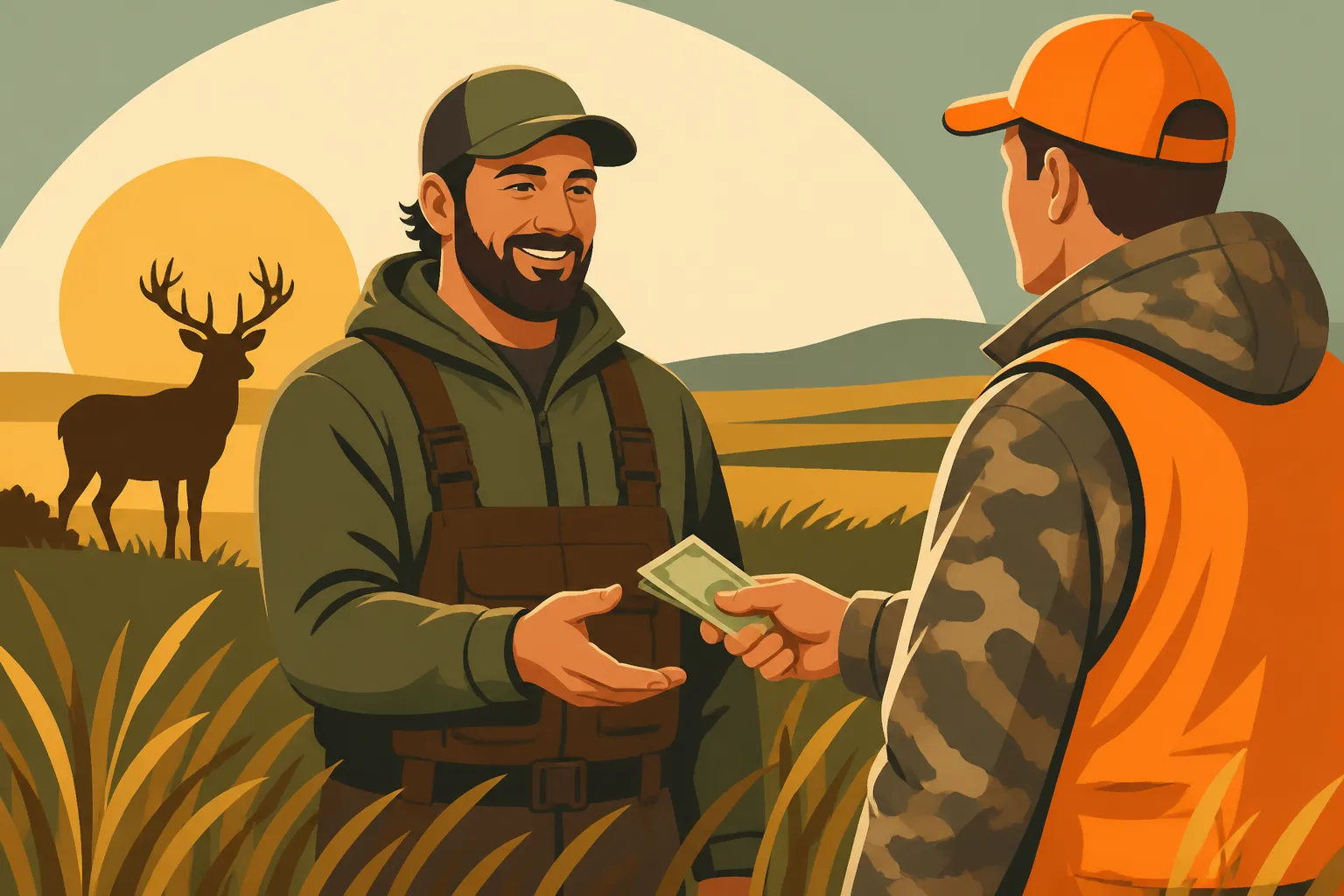
In most Saskatchewan hunting camps, cash is still king when it comes to tipping. It’s immediately accessible to the guide, doesn’t involve any processing fees for them, and ensures privacy. While some outfitters might facilitate e-transfers or allow tips to be added to a credit card bill, cash is generally preferred by guides themselves.
Before you leave home for your Planning a Saskatchewan Hunting Trip, it’s a good idea to budget for your tip and have the cash ready in smaller denominations if possible. This prevents you from having to scramble for an ATM in a small town or asking the outfitter to break a large bill, which can add to the awkwardness. If you're a non-resident hunter, ensuring you have Canadian currency on hand for tips is also a crucial detail to remember.
Tipping Beyond the Guide: The Camp Staff
While your main hunting guide is undoubtedly central to your experience, they are rarely the only individuals working hard behind the scenes. A well-run hunting camp is a team effort, and acknowledging the contributions of others who made your stay comfortable and enjoyable is a thoughtful gesture.
Cooks, Cleaners, and Camp Hands
Think about the delicious meals that fueled your long days in the field, the clean and comfortable lodge you returned to, and the logistical support that kept everything running smoothly. These are the unsung heroes of many hunting adventures, including those in Saskatchewan's prime hunting areas. Cooks, cleaners, and general camp hands work incredibly hard, often starting their day even earlier than the guides and finishing later. Their efforts contribute significantly to the overall positive atmosphere and enjoyment of your trip.
It's customary to leave a collective tip for the camp staff. This can be done by leaving a lump sum with the head outfitter or camp manager, specifically designated for staff gratuities, or by having a designated "tip jar" in a common area. When deciding on an amount, consider anywhere from $50-$100 (or more for longer, more involved trips) per hunter for the collective staff, depending on the length and quality of service. This ensures everyone who contributed to your comfort feels appreciated. You might even find helpful discussions on this specific topic in online communities, such as those associated with GoHunt, where hunters often share their experiences and recommendations for Tipping the Cook and Camp Staff.
Other Crew: Skinners and Trackers
On some hunts, especially for larger game or in certain conditions, additional personnel might be involved. This could include designated skinners, meat processors, or specialized trackers brought in for a particularly challenging recovery. If these individuals are not part of the regular camp staff (who would receive from the general camp tip) and provided direct, noticeable service that significantly aided your hunt, a separate, smaller gratuity to them directly is a good idea.
For example, if a tracker spent hours on a difficult blood trail after a shot, or a skinner did an exceptional job preparing your cape for taxidermy, a direct cash tip of a reasonable amount (e.g., $20-$50) shows your direct appreciation for their specific skill and effort. This is often an ad-hoc decision based on the circumstances of your hunt.
What Not to Do When Tipping
While the intention behind tipping is always positive, there are a few missteps to avoid that can create awkwardness or send the wrong message. Being mindful of these can ensure your gesture is truly appreciated.
Don't Feel Pressured or Obligated
While tipping is a strong custom, it should never feel like a mandatory fee or a ransom for good service. You are rewarding good service, not paying for it a second time. If you genuinely felt the service was subpar, or if safety was compromised, your tip should reflect that, or you might choose not to tip at all. However, such instances are rare with reputable Saskatchewan outfitters, who often pride themselves on excellent client relations and adhere to strict standards, often under the purview of Saskatchewan Outfitter Licensing and Allocations.
If you feel undue pressure or are given direct, aggressive instructions on how much to tip, that's a red flag. A good outfitter or guide will allow your generosity to be a genuine expression of your satisfaction. Don't let social pressure or guilt dictate an amount that doesn't feel right to you based on your actual experience.
Don't Use a Tip to "Buy" Success
Never offer a larger tip before or during a hunt with the expectation that it will guarantee you a trophy animal or special treatment. This goes against the spirit of ethical hunting and can put a guide in an uncomfortable position. Good guides will always work their hardest for every client, regardless of any potential tip.
Your gratuity is a reward for service rendered, not a bribe for future performance. Approaching your hunt with this mindset ensures a more authentic relationship with your guide and preserves the integrity of the experience. Focus on enjoying the adventure, building rapport, and assessing the guide's efforts throughout your How Many Days a Guided Hunt Runs to determine your final tip.
Avoid Unprofessional Behavior
While you might become friendly with your guide over the course of the hunt, always maintain a respectful and professional demeanor when discussing or delivering the tip. Avoid making jokes about the amount, complaining about costs, or attempting to negotiate the tip. This undermines the value of their hard work and can make the interaction uncomfortable for everyone involved.
Keep it simple, sincere, and discreet. Your guide will appreciate the respect and thoughtfulness far more than any extravagant display. Remember, the goal is to acknowledge their dedication in a manner that truly conveys your gratitude.
Choosing an Outfitter with Clear Tipping Policies
One of the best ways to avoid any confusion or awkwardness around tipping is to choose an outfitter who is transparent about their policies. Reputable Saskatchewan outfitters understand that clients want clarity, and they will often provide guidelines in their booking information or be happy to answer questions directly.
Pre-Trip Planning and Communication
When you're in the process of Booking a Saskatchewan Whitetail Hunt or any other guided trip, don't hesitate to ask about tipping expectations. This is a legitimate question and a sign of a responsible hunter. A good outfitter will provide clear, consistent information. They might state a customary range, specify if tips are shared among guides, or advise on how to tip other camp staff. This upfront communication is invaluable for Choosing the Right Saskatchewan Outfitter and planning your budget.
Platforms like BookYourHunt are excellent resources because they often standardize how outfitters present this information. While the core of your Saskatchewan guided hunt will be laid out, the finer points like tipping policies should ideally be covered as well. If you can't find the information, send an email or make a call. It's much better to know before you arrive than to be caught off guard.
Budgeting for the Entire Experience
A successful hunting trip involves more than just the cost of the outfitter. When you're Booking a Saskatchewan Hunt a Year Ahead, factor in not just the licence fees, travel, and gear, but also the gratuities for your guide and camp staff. This holistic approach to budgeting ensures you're prepared for all aspects of the trip and can focus on the hunt itself without financial worries clouding your experience.
Consider the potential maximum of the tipping range (e.g., 20% of the hunt cost) plus a reasonable amount for camp staff, and set that money aside. Having it prepared in Canadian currency before you travel will make the end-of-trip logistics seamless. This foresight allows you to enjoy the entire experience, from preparing your gear like What to Bring to a Saskatchewan Deer Camp to getting your meat processed with Saskatchewan Meat Processing and Cold Storage, knowing you’re ready to acknowledge everyone who made it possible.
Disclaimer
This article is for general informational purposes only and does not constitute professional advice. Laws, prices and regulations vary by location and change over time. Consult a qualified professional for guidance on your specific situation.