What Happens If Weather Ruins the Hunt
You’ve booked that dream Saskatchewan hunting trip, spent months planning, investing in gear, and counting down the days. Your heart is set on those crisp fall mornings or the deep cold of the late season, imagining that trophy buck or a sky full of geese. But then, as the date approaches, the forecast turns ugly. A massive blizzard rolls in, an unseasonable thaw creates impassable mud, or temperatures plummet to dangerous extremes. Suddenly, all that anticipation is overshadowed by a nagging dread: what happens if the weather completely derails your hunt? It's a real fear, and understanding your options and the realities of the situation is crucial. This guide is here to walk you through the unpredictable nature of Saskatchewan's weather and how it might impact your meticulously planned adventure.
The Unpredictable Nature of Saskatchewan Weather
Saskatchewan is a province of extremes, and while it's famous for its incredible hunting opportunities, it's also famous for its weather. A hunt booked for mid-November might be met with mild, open conditions one year and a full-blown arctic deep freeze the next. This unpredictability is part of the challenge and charm, but it's also the source of significant anxiety when a hunt is on the line.
From Blizzards to Thaws: The Full Spectrum of Impact
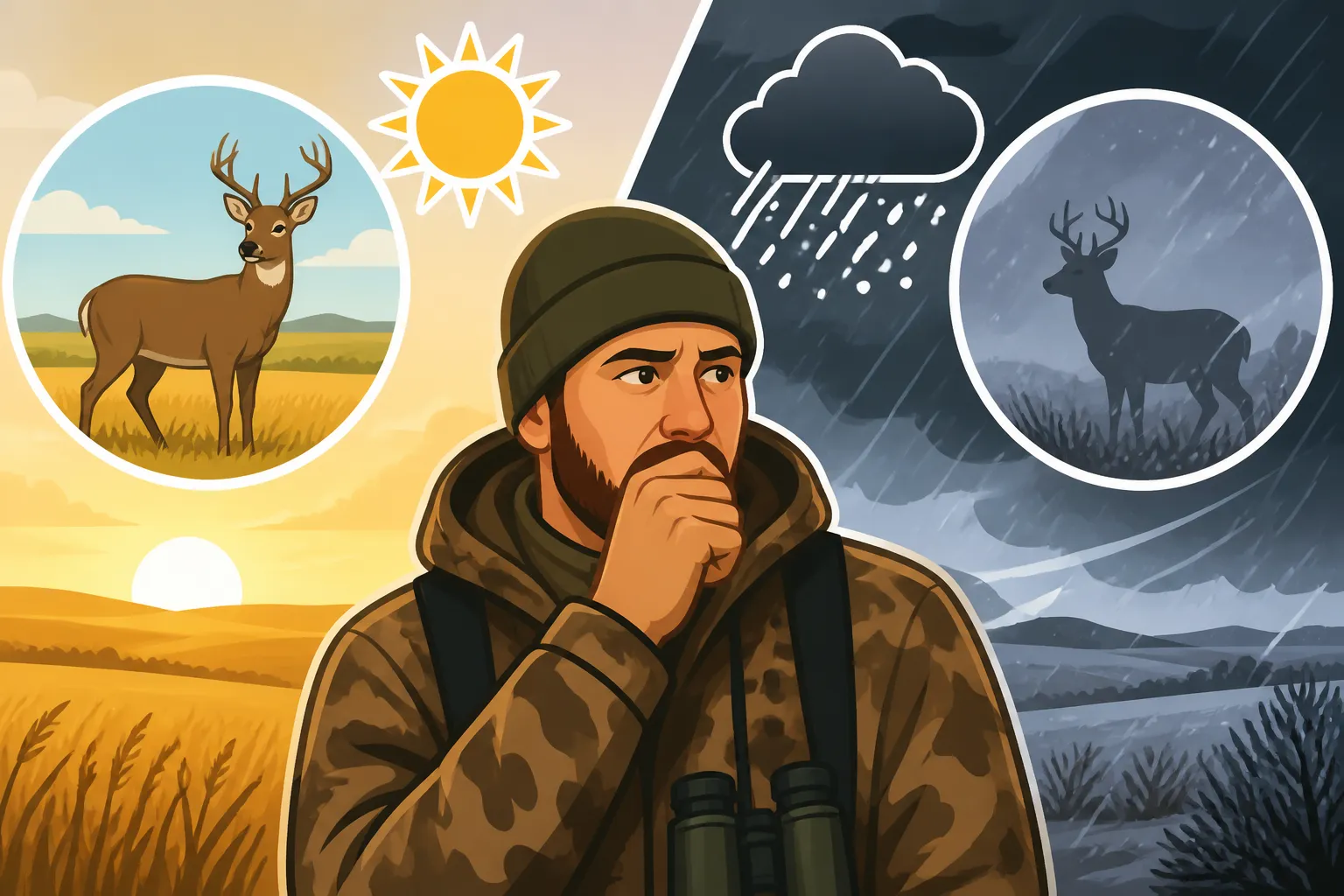
Imagine setting out for a Whitetail Hunting in Saskatchewan trip in late fall. You’re expecting crisp air, maybe a dusting of snow. Instead, a massive blizzard hits, dumping feet of snow overnight, bringing roads to a standstill, and making travel impossible. This isn't just an inconvenience; it can mean the entire hunt is a no-go. Conversely, a hunt planned for deep winter, where you're banking on snow to track and cold to keep animals moving for warmth, might be interrupted by an unseasonable thaw. Suddenly, fields turn to quagmires, bush trails become impassable mud pits, and deer movements shift drastically as they no longer need to seek dense cover from the cold.
Even less dramatic weather can be devastating. Persistent freezing rain can coat everything in ice, making walking treacherous and shooting dangerous. Weeks of unseasonably warm temperatures can make late-season big game hunting incredibly tough, as animals move less and scent trails dissipate quickly. And don't forget the northern reaches, where early freeze-ups can cut off lake access or late thaws can delay fly-in trips. Each scenario presents unique challenges, not just for the hunter, but for the outfitter who has to navigate these conditions on the ground.
How Weather Directly Affects Hunting Conditions
The impact of weather goes far beyond just comfort; it directly influences the hunting experience and success rates.
- Visibility Issues: Heavy snow, fog, or blowing snow can reduce visibility to mere yards, making spotting game impossible and travel dangerous. Imagine trying to glass a prairie coulee for mule deer during a whiteout – it's a non-starter.
- Animal Movement Changes: Extreme cold often means deer and moose hunker down in dense cover, moving only when absolutely necessary, usually at night. Heavy snow can push animals to specific wintering grounds or make their normal travel routes impassable. A sudden warm spell can make them lethargic and less predictable. Waterfowl, too, are highly weather-dependent. A sudden cold snap can push birds south prematurely, emptying fields that were packed just days before. Hunting Saskatchewan Winter Weather Safely is about more than just your own well-being; it's about understanding how game reacts.
- Access Problems: This is often the most frustrating and unavoidable consequence. Deep snowdrifts can close grid roads and trails, making it impossible to even reach your hunting area or stand. Muddy conditions from rain or thaw can render quad trails impassable and get vehicles hopelessly stuck. For outfitters operating in more remote areas, frozen lakes for ice roads or passable bush trails are critical. If these routes become unsafe or inaccessible, your hunt can be grounded before it even begins.
- Safety Concerns: Beyond just discomfort, extreme weather poses significant safety risks. Hypothermia, frostbite, treacherous ice, falling branches under heavy snow load, or getting stranded in remote areas are very real dangers. No responsible outfitter will risk their clients' safety, or their own, in truly dangerous conditions.
Understanding Outfitter Policies on Weather-Related Cancellations
This is where the rubber meets the road. You've invested time and money, and the weather is calling the shots. What does your outfitter's contract say? This is often the most overlooked part of the booking process, yet it’s critical.
The Standard "Act of God" Clause and Its Implications
Most outfitter contracts will include what's commonly known as an "Act of God" clause. This legal jargon essentially covers events that are beyond human control or foresight – think blizzards, floods, wildfires, or extreme, dangerous temperatures. The vast majority of outfitters include this clause to protect themselves financially from events they cannot predict or prevent.
What does this mean for you, the hunter? In most cases, if a hunt is cancelled or significantly altered due to an "Act of God," the outfitter is typically not obligated to issue a full refund. They have already invested significant resources in scouting, baiting (for bear hunts), preparing blinds, staffing, and managing their allocations. These costs don't disappear just because the weather turns sour. It's a tough pill to swallow, but it's the reality of a business that operates at the mercy of Mother Nature.
This isn't about the outfitter being unfair; it's about the inherent risks of a weather-dependent industry. You might feel frustrated, and that's completely valid, but understanding this clause before you sign the contract is paramount. It shifts the risk, at least partially, to the hunter for these unpredictable events. For more on what to expect, refer to Saskatchewan Deposit and Cancellation Terms.
Different Approaches to Rebooking or Future Credit
While full refunds due to weather are rare, many reputable outfitters will try to work with you to salvage some value from your booking. Their specific approach can vary widely, which is why asking direct questions about this before you book is essential.
Here are some common scenarios:
- Rebooking for a Future Date: This is perhaps the most common solution. An outfitter might offer to rebook your hunt for a future season, sometimes at a reduced rate or with a rebooking fee. This allows them to retain your business and recover some costs, while giving you another shot at your dream hunt. However, availability can be an issue, especially for prime dates, and you might have to wait a year or more.
- Credit Towards Another Hunt: Some outfitters might offer a credit of a certain percentage of your payment towards a different type of hunt (e.g., a bird hunt instead of a big game hunt, if they offer both), or a different time of year where conditions might be more stable.
- Partial Refund (Less Common): In very rare circumstances, and usually at the outfitter's sole discretion, a partial refund might be offered if the cancellation is far enough in advance and they can fill your spot. This is not something to count on, however.
- No Recourse: Unfortunately, some contracts might simply state that payments are non-refundable in the event of an "Act of God," with no provision for rebooking or credit. This is why thorough vetting and asking tough questions is so important when Choosing the Right Saskatchewan Outfitter.
When you're researching outfitters on platforms like BookYourHunt or GoHunt, always look for explicit policies on weather cancellations, or be prepared to contact them directly for clarification. Having this conversation upfront ensures there are no surprises down the line.
The Role of Deposits and Final Payments
Your financial commitment typically happens in stages, and how much you've paid can influence the outcome of a weather-related cancellation.
- Deposits: Almost universally, the initial deposit is non-refundable. This deposit secures your spot on the outfitter's calendar, and often covers administrative costs, early scouting, and holds an allocation for you. If the hunt is cancelled due to weather (or anything else, often), that deposit is usually retained by the outfitter. This is standard practice across the industry.
- Final Payments: The final payment is usually due a set number of weeks or months before the hunt. If the weather event occurs after the final payment has been made, but before the hunt begins, the situation becomes more complex. This is where the outfitter's "Act of God" clause and their specific policies on rebooking or credit come into play. If the hunt is truly ruined, and you haven't taken out Saskatchewan Hunt Cancellation Insurance, you might be looking at losing the entire payment, or at best, receiving a credit for a future hunt.
It's a significant financial risk, which brings us to proactive measures you can take.
Your Options and Actions When Weather Strikes
So, the weather forecast is grim. What can you actually do? While you can’t control the weather, you can control your preparation and your response.
Proactive Steps: Insurance and Contract Review
This cannot be stressed enough: the single most important thing you can do to protect your investment in a Saskatchewan hunting trip is to be proactive.
- Hunting Travel Insurance: This is your best friend when it comes to unpredictable events like severe weather. Standard travel insurance often covers things like medical emergencies or lost luggage, but you need a policy specifically designed for hunting trips. These specialized policies can cover trip cancellation or interruption due to extreme weather, outfitter bankruptcy, or even certain unforeseen personal emergencies. Carefully read the policy details to understand what is covered and what conditions apply. It might seem like an extra expense, but compared to losing the entire cost of a guided hunt, it's a wise investment. You can find providers that specialize in this type of insurance by searching online, or by asking your outfitter if they recommend any specific providers.
- Thorough Contract Review: Before you ever put down a deposit, get a copy of the outfitter's contract and read every single word. Pay particular attention to clauses regarding cancellations, refunds, rebooking, and "Acts of God." If anything is unclear, ask for clarification in writing. Don't be shy about it. An ethical outfitter will be transparent and happy to explain their policies. If they aren't, that's a red flag. Platforms like BookYourHunt or GoHunt often have reviews where previous clients might mention their experiences with an outfitter's policies, which can provide additional insight.
Communicating with Your Outfitter
If bad weather is looming, or has already hit, don't wait. Early and respectful communication with your outfitter is absolutely vital.
- Immediate Contact: As soon as you see a potentially hunt-ruining weather event on the horizon, reach out. The outfitter is likely already monitoring the situation too and will appreciate your proactive approach.
- Explore Alternatives: Ask what options are available. Is there a possibility to shift your hunt by a few days if the forecast looks better later in the week? Can the hunt be moved to a different zone or area where conditions might be more favourable? While outfitters have strict zone allocations and schedules, sometimes there might be flexibility, especially if you're willing to adapt.
- Document Everything: Keep a record of all your communications – emails, texts, and notes from phone calls. Date them, summarize the conversation, and note who you spoke with. This can be invaluable if there are any misunderstandings or disputes later on, though ideally, you won't need it.
Remember, your outfitter is often as disappointed as you are when weather ruins a hunt. Their reputation and livelihood depend on client satisfaction, so they usually want to find a workable solution if possible. They might be dealing with multiple cancellations or rebookings at the same time, so patience and understanding will go a long way.
When a Hunt Gets Cut Short: Partial Services and Expectations
What if the hunt starts, you’re there in Saskatchewan, but then a weather event hits mid-week and cuts the hunt short? This is a different beast entirely.
- Prorated Refunds or Credits: It's unlikely you'll receive a prorated refund for days lost due to weather. Again, the outfitter's costs (staff, food, lodging, fuel) continue regardless of whether you're actively hunting. However, some outfitters might offer a partial credit towards a future hunt, especially if a significant portion of your trip was lost.
- Alternative Activities: Depending on the severity of the weather, your outfitter might offer alternative activities. This could be scouting new areas once conditions improve, focusing on smaller game if big game movement is stalled, or simply enjoying the lodge and camaraderie. It might not be the hunt you planned, but it can help make the most of a bad situation.
- Realistic Expectations: The most important thing is to manage your expectations. When you book a guided hunt, you're paying for the outfitter's expertise, access, equipment, and time – not a guaranteed animal or perfect weather. While a successful harvest is the goal, the experience itself is part of the package. If the weather intervenes, understand that your outfitter is doing their best within the constraints of their business and the environment.
Mitigation Strategies for Future Hunts
Even after a frustrating experience, the call of Saskatchewan’s wild often remains strong. You can definitely learn from these situations and plan for future hunts with a better understanding of the risks.
Choosing the Right Time of Year and Location
Saskatchewan is vast, and its weather patterns vary considerably by region and season. Strategic booking can sometimes mitigate weather risk.
- Seasonal Considerations: Early archery season in September typically sees more stable, milder weather than the rifle rut in November or the late-season cold in December. When Saskatchewan's Archery Season Opens generally presents fewer weather-related travel hazards compared to the late fall. However, even September can have unexpected snowfalls or severe rain. Late season hunts, like Hunting the Rut in Early to Mid November or Hunting the December Late Season Cold, often offer prime big buck opportunities, but they come with a much higher risk of extreme cold, heavy snow, and blizzard conditions that can shut down roads and animal movement.
- Geographic Considerations: Hunting in the southern prairie can mean open roads but relentless wind and blizzards that fill roads quickly. The forest fringe offers more shelter but can still be impacted by deep snow or freezing rain. Remote northern boreal hunts, particularly for moose or bear, rely heavily on stable conditions for fly-in or overland access. Researching historical weather patterns for your specific hunt dates and location can give you a better idea of what to expect, though, as we've discussed, "expected" is often just a guideline here.
Building Flexibility Into Your Travel Plans
Giving yourself extra buffer time can be a lifesaver.
- Allow Extra Travel Days: If you're driving, plan to arrive a day or two early, especially if traveling during a risky weather period. This provides a cushion if you encounter bad roads, closures, or unexpected delays. Similarly, build in an extra day or two after your hunt before you absolutely must be home.
- Consider Driving vs. Flying: While flying can be quicker, driving gives you more control and flexibility if roads are passable but flights are cancelled due to weather. If you do fly, consider flying into major hubs like Saskatoon or Regina and renting a vehicle that can handle potentially rough conditions, if your outfitter doesn't provide airport pickup.
- Have Backup Plans: Know alternative routes, especially if you're travelling to a more remote area. Keep a Winter Truck Kit for a Saskatchewan Hunt in your vehicle, including extra fuel, food, warm gear, and recovery equipment, just in case you get stuck.
Preparing for All Conditions, Even if Unlikely
Even if the forecast looks good, Saskatchewan weather can turn on a dime. Being physically and mentally prepared for any eventuality will make the hunt more enjoyable and safer, regardless of whether it's ultimately "ruined."
- Layered Clothing: Pack for both extremes. You might start a November day in temperatures below freezing and end up shedding layers if the sun comes out and conditions warm up. Dressing for Saskatchewan's November Cold is critical, but so is having rain gear for an unseasonable thaw.
- Appropriate Footwear: Invest in high-quality, insulated, waterproof boots. Sitting for long hours in a stand means your feet will get cold quickly. If the weather turns to slush or mud, good traction and waterproofing are essential.
- Positive Mindset: Hunting is as much about the experience as it is about the harvest. Even if the weather limits your opportunities, embracing the challenge, enjoying the wilderness, and learning from the conditions can still make for a memorable trip. Sometimes, just being out there, despite the elements, is the real trophy. And always have What to Bring to a Saskatchewan Deer Camp in mind – having the right gear can turn a miserable day into merely a challenging one.
It's heartbreaking when conditions conspire against your well-laid plans. But by understanding the realities, being prepared with insurance, and communicating openly with your outfitter, you can navigate these challenges with more confidence and hopefully, still make the most of your adventure in Saskatchewan.
| Weather Impact Category | Common Issues Faced | Outfitter Policy Approach (Typical) | Hunter Action & Mitigation |
|---|---|---|---|
| Extreme Cold/Blizzard | Impassable roads, animal inactivity, hypothermia risk, reduced visibility. | "Act of God" clause applies. Often offer rebooking for future season with fee or credit. | Buy hunting travel insurance. Review contract before booking. Pack extreme cold weather gear. Be flexible with dates. |
| Heavy Snowfall | Blocked access to hunting areas, difficulty tracking, vehicle stuck. | Similar to extreme cold; rebooking/credit is common. | Allow extra travel days. Have 4×4 vehicle. Carry winter emergency kit. |
| Unseasonable Thaw/Rain | Muddy trails/fields, impassable roads, changed animal movement, discomfort. | "Act of God" clause. Less likely to offer rebooking unless conditions are extreme and unsafe. | Pack waterproof gear. Inform outfitter early if concerned about access. Manage expectations. |
| Wildfires/Smoke | Area closures, poor air quality, zero visibility. | Strong "Act of God" clause. Likely rebooking or credit if entire area is closed. | Check local wildfire reports. Insurance is crucial. Be prepared to change zones if allowed. |
| Early/Late Freeze-Up | Access issues for water-based hunts (e.g., northern moose by boat, waterfowl). | Specific to outfitters operating in these conditions. Rebooking is common. | Discuss with outfitter about historical ice conditions. Consider timing of hunt carefully. |
Disclaimer
This article is for general informational purposes only and does not constitute professional advice. Laws, prices and regulations vary by location and change over time. Consult a qualified professional for guidance on your specific situation.