Saskatchewan Meat Processing and Cold Storage
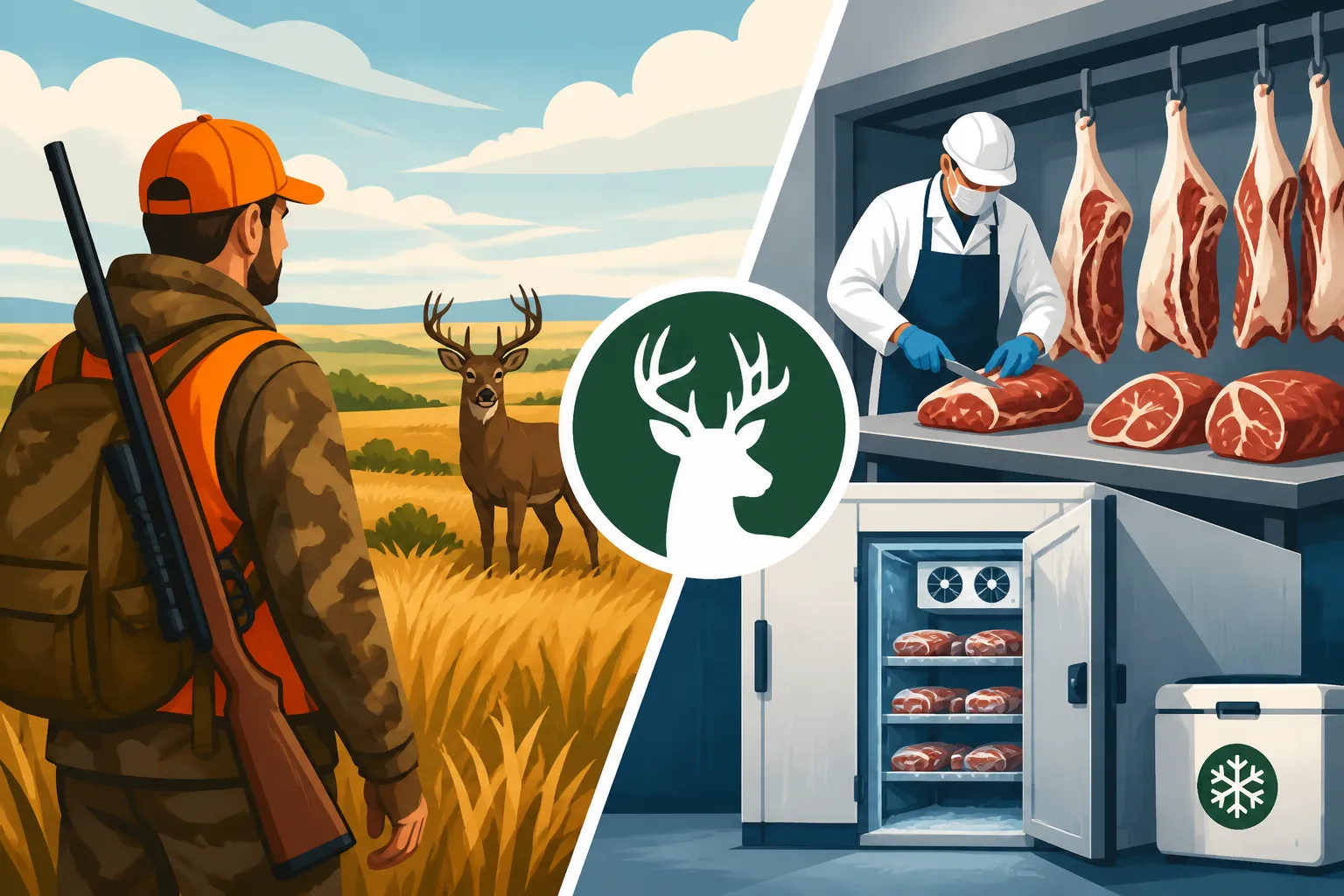
After the exhilaration of a successful hunt in Saskatchewan, the real work, and often the real anxiety, begins: how do you properly care for that hard-earned meat? Many hunters, especially those new to the province's vast landscapes or unfamiliar with local resources, can feel overwhelmed by the crucial steps from field to freezer. This comprehensive guide is designed to walk you through the essential stages of game meat processing and cold storage in Saskatchewan, ensuring your harvest is handled safely and professionally, preserving its quality for your table.
Initial Field Care: The First Crucial Steps
The journey from a magnificent animal in the field to delicious cuts on your plate begins the moment you pull the trigger or release an arrow. Proper field care isn't just a suggestion; it's absolutely vital for the quality and safety of your game meat. Neglecting these initial steps, even for a few hours, can compromise the entire harvest.
Gutting and Skinning in the Field
Immediately after the animal is down and confirmed expired, your priority is to begin field dressing. This involves removing the entrails to allow the carcass to cool rapidly and prevent bacterial growth. While it might feel like a messy job, getting it done quickly is paramount, especially during warmer early season hunts. Removing the gut pile helps shed a significant amount of heat from the animal's core. For larger animals like moose or elk, or even a big Saskatchewan whitetail, it’s a job often best done with a partner. Take your time to be clean, avoiding puncturing the stomach or intestines, which can contaminate the meat. If you're on a multi-day hunt, or planning to take your animal to a processor quickly, you might even consider skinning it in the field, or at least quartering it, to further aid cooling. Field Dressing in Saskatchewan's Deep Cold talks about how these steps change when the mercury plummets.
Once the gutting is complete, wipe out the body cavity with clean cloths or paper towels to remove any excess blood or debris. Some hunters prefer to rinse the cavity with water, but if you do, make sure to dry it thoroughly afterwards to prevent bacterial growth from moisture. This is especially true if temperatures are above freezing.
Rapid Cooling and Air Circulation
After gutting, the next critical step is to cool the carcass as quickly and thoroughly as possible. Heat is the enemy of fresh meat, and a warm carcass can spoil rapidly, leading to off-flavours and potential health risks. Prop open the body cavity using sticks to allow maximum air circulation. In cooler weather, natural air will do wonders. If it's warm, or if you anticipate a long retrieve, consider packing bags of ice into the body cavity. This isn't just for big game; even smaller game birds benefit from being cooled quickly after harvest. You'll want to avoid direct sunlight and get the animal into shade as soon as possible.
Remember that a massive animal like a bull moose or an exceptionally large whitetail buck retains heat for a very long time, even in chilly weather. This is where meticulous attention to cooling really pays off. If you’re hunting in the early fall when temperatures can still be quite mild, a quick field dress and efficient cooling are non-negotiable.
Protecting the Carcass During Transport
Once the animal is field dressed and cooled, you need to protect it during transport. This means keeping it clean and preventing contamination. Whether you're dragging it out to a truck, using a quad, or loading it onto a trailer, ensure it doesn't pick up dirt, leaves, or other debris. Game bags are your best friend here. They allow air to circulate while keeping flies and other insects off the meat. For quartered animals, individual game bags for each quarter work exceptionally well. You don't want to throw a freshly field-dressed animal into the back of a truck exposed to road grime.
If you're transporting the whole carcass, ensure it’s secured properly to prevent it from shifting and bruising. Bruised meat degrades faster and can be difficult to trim away. During warmer days, cover the carcass with a tarp to keep the sun off, but don't seal it tightly, as you still need airflow to prevent heat buildup. You might want to review Transporting Game Meat in Saskatchewan for more specific guidelines on what's allowed and what's recommended for safe hauling.
Getting the Meat to a Processor or Cold Storage
The time from shot to cold storage is often referred to as "the golden hour" – or in reality, the golden few hours. How you manage this period can significantly impact the final product. Saskatchewan's vastness means you might be quite a distance from the nearest processing facility, making good planning essential.
The Urgency of Time and Temperature
Once field dressed and initially cooled, the clock truly starts ticking. Ideally, game meat should be delivered to a reputable processor or placed in a cooler below 4°C (40°F) within a day or two, depending on ambient temperatures. If you're hunting in November when temperatures often hover around freezing, you have a bit more leeway than a warm September archery hunt. But even in cold weather, direct sunlight or intermittent thawing and refreezing can damage the meat. Think of it like this: your hard-won trophy deserves the same care you'd give prime beef.
Many outfitters understand this urgency and will have facilities or connections to ensure your game gets to cold storage quickly. If you're hunting with a guide, this is one of the key services they provide. When you're researching potential outfitters on platforms like BookYourHunt, it's a smart idea to ask about their specific meat handling procedures and what's included in their packages post-harvest.
Navigating Saskatchewan's Roads with a Carcass
Saskatchewan’s roads range from smooth highways to rough gravel and winding bush trails. Transporting a full or quartered carcass requires care. For full carcasses, use a truck bed or a dedicated trailer, ensuring the animal is secured to prevent bouncing and bruising. If you've quartered the animal, robust coolers filled with ice are your best bet. Keep the meat elevated off the bottom of the cooler if possible, to keep it out of melted ice water. Large, insulated fish bins can also work well for bigger game.
Be aware of legal requirements for transporting game. Your tag must be properly validated and attached as required. You don't want any misunderstandings with conservation officers. For details on regulations, consult Saskatchewan Tag Validation Rules. Always drive carefully, especially on rough terrain, to minimize stress on the meat. Getting a Moose Out With a Quad or a deer out of a tricky spot is one challenge; getting it to the butcher without damage is another.
Finding Local Processing Options
Saskatchewan has numerous custom meat processors, many of whom specialize in wild game. These are often small, family-run businesses found in rural towns or near popular hunting areas. It's highly recommended to research these facilities before your hunt. A quick search online, asking local hunters, or getting recommendations from your outfitter can save you a lot of stress when you're standing over a fresh kill.
For residents, this often means calling ahead to your preferred local butcher. For non-residents, an outfitter is invaluable. They'll have established relationships and can guide you to a reputable processor who understands the unique needs of wild game, especially concerning regulations like Saskatchewan's CWD Testing Rules.
Choosing a Meat Processor
Selecting the right meat processor is a decision that can make or break your post-hunt experience. A good processor can turn your game into culinary masterpieces, while a poor one can lead to disappointment. Don't just pick the first name you find; do your homework.
Reputation and Experience with Wild Game
When you're looking for a processor, their experience with wild game is paramount. Not all butchers handle deer, moose, or bear, and those who primarily deal with domestic livestock might not be set up for the unique challenges of processing wild animals. Look for processors who advertise specific wild game services. Ask around in hunting forums, local sporting goods stores, or get recommendations from fellow hunters or outfitters.
A reputable processor will have clean facilities, proper cooling equipment, and staff knowledgeable in handling game meat safely and hygienically. They should be able to explain their process clearly, from check-in to final pickup. Word of mouth is often the best indicator. If an outfitter recommends a place, especially one they consistently use for clients found through platforms like GoHunt or BookYourHunt, that's usually a good sign.
Services Offered and Customization
Beyond basic cutting and wrapping, many processors offer a range of services that can elevate your game meat experience. This could include grinding, making various sausages (breakfast, Italian, garlic), jerky, pepperoni, and even specialty products like smokies or cured hams. The ability to customize your order is a huge plus. Do you want bone-in steaks or boneless? All roasts or more burger? How thick do you want your chops?
| Service Type | Description | Common Game Species | Benefits | Considerations |
|---|---|---|---|---|
| Standard Cuts | Steaks, roasts, chops, ground meat, stew meat. | Deer, Moose, Elk | Familiar cuts, easy to cook, versatile. | Requires freezer space, potential for freezer burn if not packaged well. |
| Sausages | Fresh (breakfast, Italian) or cured (pepperoni, smokies, farmer sausage). | Deer, Bear, Moose | Great for variety, uses trim, excellent flavour. | Often has added fat (pork, beef), additional cost for processing and ingredients. |
| Jerky/Pepperoni | Dried, seasoned meat snacks. | Deer, Elk, Bear | Long shelf life, convenient, popular snack food. | Can be more expensive due to processing time and ingredients, may require specific cut. |
| Specialty | Burger patties, brats, specialty roasts (e.g., corned game), cured ham. | Deer, Moose, Elk, Bear | Unique culinary options, makes use of different parts of the animal. | Costs can vary widely, availability depends on processor. |
| Vacuum Sealing | Meat sealed in airtight plastic bags. | All | Extends freezer life significantly, prevents freezer burn. | Additional cost per package. |
Discuss these options upfront with your processor. Some might have a standard menu, while others are more flexible. For a full breakdown of getting your meat handled, check out Getting Meat Processed in Saskatchewan.
Pricing and Turnaround Time
Naturally, cost is a factor. Processing fees typically vary by animal size (weight) and the services you choose. Ask for a clear pricing structure beforehand. Be wary of places that are significantly cheaper or more expensive than others; quality usually falls somewhere in the middle. Remember, you've invested time, effort, and money into your hunt; skimping on proper processing isn't worth it.
Turnaround time is another important consideration. During peak hunting season (especially in November for whitetails), processors can get very busy. It’s not uncommon to wait a week or two, sometimes more, for your meat. Ask about their estimated wait times when you drop off your animal. Planning ahead can save you from unexpected delays. If you're a non-resident with a flight to catch, this becomes even more critical, and your outfitter should be able to advise on options for shipping or timely processing. You don't want to leave your What an Outfitter Needs From You Beforehand until the last minute.
Understanding the Processing Options
Once your game is at the processor, you'll be faced with choices on how you want your meat prepared. Thinking about this beforehand can streamline the drop-off process and ensure you get exactly what you want.
Standard Cuts for Your Freezer
Most hunters opt for a combination of standard cuts that are familiar and easy to cook. This typically includes:
- Steaks: Usually cut from the backstraps, hindquarters, or shoulders. You'll specify thickness.
- Roasts: Often from the hindquarters, shoulders, or neck. Great for slow cooking.
- Ground Meat: Excellent for burgers, chili, tacos, and casseroles. This is where a lot of trim ends up. Processors can blend it with pork or beef fat to improve flavour and moisture, which is often a good idea for lean wild game.
- Stew Meat: Cubed pieces, perfect for slow-cooked stews and curries.
Consider your family's eating habits. If you rarely make roasts, opt for more ground meat or stew meat. If you love grilling, get plenty of steaks. Don't be shy about asking for specific cuts if you know what you like. This is your meat, after all!
Specialty Products and Culinary Creativity
Beyond the basics, the world of specialty game meat products is vast and exciting. This is where processors really shine. You can transform portions of your harvest into:
- Sausages: Fresh breakfast sausage, spicy Italian sausage, garlic sausage, or even unique regional blends.
- Smokies and Pepperoni: Perfect for snacks or quick meals, these are usually cured and smoked.
- Jerky: A classic hunter's snack, ideal for taking on future outdoor adventures.
- Custom Blends: Some processors can create specific blends for you, perhaps incorporating unique spices or less common cuts.
These specialty items often come with an extra cost per pound due to the added ingredients and labour, but they can be well worth it for the variety and extended enjoyment of your harvest. If you're hunting with an outfitter found on a site like BookYourHunt, they may even have preferred options they recommend for specific cuts or products.
Packaging and Labeling for Longevity
Proper packaging is just as crucial as the cuts themselves. The goal is to prevent freezer burn, which can dry out and discolour meat, affecting its taste and texture. Most processors offer heavy-duty freezer paper or vacuum sealing.
- Freezer Paper: A traditional method, it's cost-effective but requires careful wrapping to ensure an airtight seal.
- Vacuum Sealing: This is generally considered the gold standard. It removes all air from the package, drastically extending the freezer life of your meat and virtually eliminating freezer burn. It's usually an extra charge but often well worth the investment for the quality preservation.
Always ensure each package is clearly labeled with the type of meat (e.g., "Whitetail Steak"), the cut, and the date it was processed. This simple step will save you countless headaches when you're rummaging through your freezer months later trying to figure out what's what. A non-resident hunter particularly benefits from good labeling if they plan on Taking Meat and Antlers Across the Border.
Long-Term Storage Solutions at Home
Once you pick up your processed game, the responsibility for its long-term quality shifts to you. Proper home storage is essential to enjoy your harvest throughout the year.
Freezing Methods for Optimal Quality
Your home freezer is the primary tool for long-term meat storage. While conventional chest or upright freezers work, paying attention to how you freeze can make a difference.
- Flash Freezing: If you have the option, flash freezing individual packages before boxing them up can help maintain texture by minimizing large ice crystal formation.
- Avoid Overloading: Don't overload your freezer with warm meat all at once. This can raise the overall temperature, slowing the freezing process for everything and potentially compromising other frozen items. Freeze in batches if you have a large amount.
- Temperature Consistency: A consistent freezer temperature of -18°C (0°F) or colder is ideal for long-term storage. Fluctuations can lead to freezer burn.
Consider investing in a dedicated chest freezer if you regularly harvest game. This allows you to keep game meat separate and maintain a more stable temperature than a freezer attached to a kitchen refrigerator.
The Power of Vacuum Sealing
We briefly touched on it, but vacuum sealing deserves its own mention as a home storage game-changer. If your processor doesn't offer it, or if you prefer to process some of your own meat at home, a home vacuum sealer is an excellent investment.
- Prevents Freezer Burn: By removing all oxygen, vacuum sealing virtually eliminates freezer burn, keeping your meat tasting fresh for much longer—often well over a year.
- Extended Shelf Life: Meat that might last 6-9 months in freezer paper can easily last 1.5-2 years or more when vacuum-sealed.
- Protection from Contamination: The airtight seal protects the meat from any freezer odors or potential cross-contamination.
While the initial cost of a vacuum sealer and bags adds up, the peace of mind and quality preservation it offers makes it an invaluable tool for any serious hunter looking to make the most of their Saskatchewan hunting harvest.
Home Cold Storage Best Practices
Beyond freezing, there are other best practices for managing your stored game:
- Inventory Management: Keep a running inventory of what you have in your freezer. Note the date processed, the type of meat, and the cut. This helps you rotate your stock and ensures you use older packages first.
- Organize Your Freezer: Use bins or shelves to organize similar cuts together. This makes it easier to find what you need without having to dig through everything, exposing other items to warmer air.
- Thawing Safely: Always thaw frozen meat in the refrigerator, in cold water, or in the microwave—never at room temperature on the counter. Thawing slowly in the fridge maintains quality and safety.
Remember, the goal is to respect the animal you harvested by ensuring its meat is used responsibly and enjoyed to its fullest. Diligent care from the field to your freezer guarantees you'll be enjoying delicious, high-quality game meat for months to come.
Special Considerations for Saskatchewan Hunters
Saskatchewan hunters, whether resident or non-resident, face unique considerations when it comes to meat processing and cold storage. These can range from disease management to how your outfitter can assist you.
CWD Testing and Your Meat
Chronic Wasting Disease (CWD) is a serious concern for deer, elk, and moose populations in Saskatchewan. Certain wildlife management zones (WMZs) have mandatory CWD testing requirements for harvested animals. This means that if you hunt in one of these zones, you must submit the head of your animal for testing. This obviously impacts your processing timeline.
- Head Submission: You’ll need to leave the head (with sufficient neck attached) at an approved drop-off location. Many processors are also designated drop-off sites, which simplifies logistics.
- Waiting for Results: While you often don't have to wait for test results before processing the meat, knowing the status is crucial for your peace of mind and, importantly, for making informed decisions about consumption. Mandatory CWD Testing Zones outlines where these rules apply.
- Positive Test Results: In the unfortunate event of a positive CWD test, it is strongly recommended not to consume the meat. The processor may have specific protocols for handling meat from CWD-positive animals.
Always stay informed about the latest CWD regulations and recommendations by checking the official Saskatchewan hunting guide.
The Outfitter's Role in Meat Handling
For non-resident hunters, an outfitter often plays a pivotal role in the entire meat processing chain. They are your local experts and often have established systems to ensure your game is handled correctly.
- Initial Care: Many outfitters and guides are skilled in rapid field dressing and cooling, or will guide you through the process.
- Transport to Processor: They typically have arrangements with local processors and will transport your animal from the field to the facility. This is a huge convenience, especially after a long, successful hunt.
- CWD Management: Outfitters in mandatory CWD zones will be well-versed in the testing requirements and will help facilitate the head submission. CWD Testing on an Outfitted Saskatchewan Hunt details this further.
- Shipping Arrangements: If you're flying home, your outfitter can often assist with coordinating with a processor who can prepare your meat for travel or connect you with services for shipping meat and trophies home.
When booking your hunt through a platform like GoHunt, don't hesitate to ask prospective outfitters about their specific meat care services and what's included in their package price. It’s an essential part of the overall hunting experience.
Non-Resident Challenges and Solutions
Non-resident hunters face unique logistical challenges in getting their meat home.
- Border Regulations: Transporting meat across the international border (especially into the US) has strict rules. You generally cannot bring back brain, spinal cord, eyes, or lymphoid tissue due to CWD concerns. Processed cuts are usually fine, but certain parts of the carcass are restricted.
- Shipping Costs: Shipping processed meat and trophies can be expensive and requires specialized services. Your outfitter can often recommend reputable freight forwarders or taxidermists who can handle this.
- Timely Processing: If you have a flight to catch, ensure your chosen processor can complete the work within your timeframe, or be prepared to leave it with your outfitter for later shipment. What a Guided Whitetail Hunt Costs is one thing, but don't forget the added logistics of meat!
Planning ahead and clear communication with your outfitter and processor are key to a smooth and successful post-hunt experience. Your goal is to enjoy the fruits of your labour, and with proper planning, you absolutely can.
Disclaimer
This article is for general informational purposes only and does not constitute professional advice. Laws, prices and regulations vary by location and change over time. Consult a qualified professional for guidance on your specific situation.