What to Bring to a Saskatchewan Deer Camp
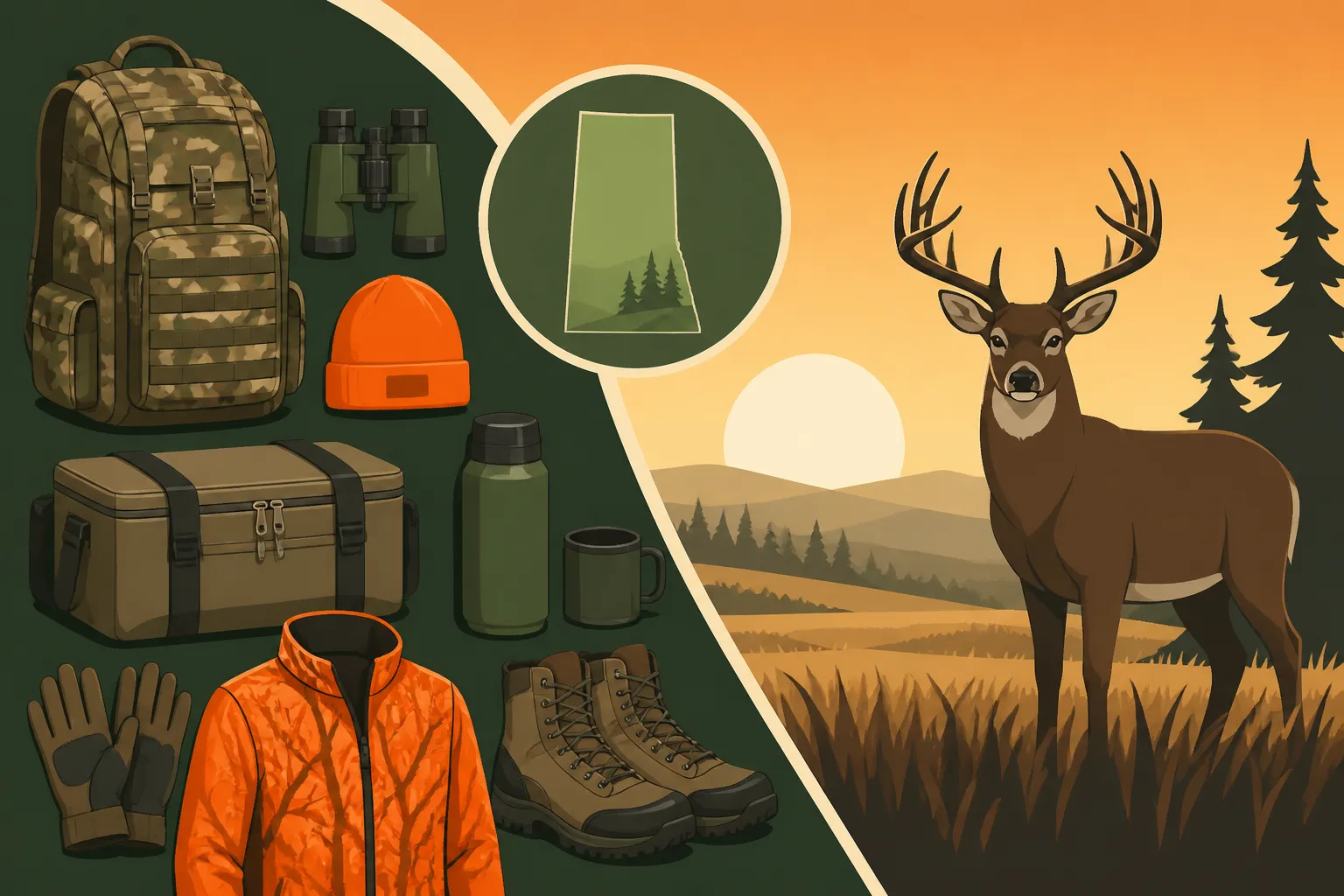
Packing for a Saskatchewan deer hunt, especially if you're traveling from afar or it's your first time chasing whitetails or mule deer in this big province, can feel like a daunting task. You're heading into a place where the weather can flip from mild to brutally cold in a matter of hours, and having the right gear isn't just about comfort—it's about safety and success. This comprehensive guide will walk you through everything you need to bring to a Saskatchewan deer camp, ensuring you're prepared for whatever the Prairies throw your way.
Essential Clothing Layers for Saskatchewan's Variable Weather
The secret to staying comfortable and effective in Saskatchewan's diverse hunting conditions lies in mastering the art of layering. You'll likely experience everything from crisp autumn mornings to bitter December cold, and being able to add or shed layers is paramount.
Base Layers: The Foundation of Warmth
Your base layer is the first line of defense against the cold and the first step in managing moisture. It sits directly against your skin, so its properties are crucial.
Many hunters swear by merino wool for its exceptional warmth-to-weight ratio, breathability, and natural odor-resistant qualities. Even if you sweat climbing into a stand, merino will continue to insulate when damp and won't smell after a few days in camp. This is a huge advantage when you're spending multiple days in the field and don't have the luxury of washing clothes daily. Synthetic options, often made from polyester, are also excellent for wicking moisture away from your skin, drying quickly, and offering good insulation. They tend to be a bit more durable against snags and can be a more budget-friendly option. What you absolutely want to avoid is cotton. Cotton absorbs moisture and holds it against your skin, rapidly chilling you once you stop moving, a sure-fire way to get cold and miserable. Imagine a crisp October morning, hiking to your stand, you break a sweat, then settle in for a long sit. If you're wearing cotton, that sweat will turn ice cold against your skin, sucking the warmth right out of you. With a proper merino or synthetic base layer, that moisture is wicked away, keeping you drier and warmer for your entire sit.
Mid-Layers: Insulation and Adaptability
The mid-layer provides the bulk of your insulation, trapping warm air close to your body. This is where you really adapt to the day's temperature changes.
You'll want a combination of options here. A good quality fleece jacket or vest is a versatile choice, offering warmth without excessive bulk. For colder days, a packable down or synthetic puffy jacket is invaluable. The beauty of these layers is their compressibility, allowing you to easily stow them in your pack when you're moving and quickly pull them out when you settle into a blind or the temperature drops. Think about the flexibility: you might start your morning walk into a stand with just your base layer and a lighter fleece. As you sit and the wind picks up, you can easily throw on your puffy vest or jacket. If it gets really cold, you layer both. This adaptability is key in Saskatchewan, where a calm morning can turn into a blustery afternoon. Having options means you won't be constantly overheating or freezing, which keeps you focused on the hunt.
Outerwear: Protection from the Elements
Your outer layer is your shield against wind, rain, and snow. It needs to be tough, quiet, and offer additional insulation.
Look for outerwear that is both waterproof and windproof. A good quality jacket and pants or bibs made from a durable, quiet fabric are essential. The rustle of stiff material can give away your position to wary deer, so test it out before you commit. Brands like Sitka Gear or First Lite are popular among serious hunters for their performance and quiet materials. For safety, Saskatchewan has specific Saskatchewan Blaze Orange Rules that mandate wearing blaze orange during certain seasons. Make sure your outerwear includes sufficient blaze orange, or be prepared to layer a vest over top. For late-season hunts in November or December, choose heavily insulated outerwear designed for extreme cold. Think about heavy parkas and insulated bibs, not just shell layers. The temperatures can easily dip to -20°C (-4°F) or colder, and sitting still for hours requires serious protection.
Footwear, Headwear, and Hand Protection: Don't Skimp on the Extremities
You hear it all the time: if your feet and hands are cold, your whole body will be cold. This adage couldn't be truer in Saskatchewan, where frostbite is a real concern if you're not properly equipped.
Boots: Keeping Your Feet Warm and Dry
Your boots are perhaps the most critical piece of gear for comfort and endurance in a cold environment.
For Saskatchewan deer hunting, you need insulated, waterproof boots. The level of insulation (measured in grams, e.g., 800g, 1200g, 2000g Thinsulate) will depend on when you're hunting. For early to mid-season, 800-1200g might suffice, especially if you're actively moving. However, for late-season hunts where you're sitting for extended periods in single-digit or negative double-digit Celsius temperatures, you'll want boots with 1600g to 2000g of insulation, possibly even specialized pac boots designed for extreme cold. Always go with waterproof materials like Gore-Tex or similar membranes. You'll likely encounter snow, slush, or even standing water in fields. Nothing ends a hunt faster than wet, cold feet. When selecting boots, make sure they are comfortable with thick wool socks. Don't forget multiple pairs of quality wool or synthetic socks, as damp socks lose their insulating properties quickly. Change them if your feet get sweaty or wet. For more detailed advice on extreme cold, check out Boots for Sitting Still in Deep Cold.
Hats and Balaclavas: Conserving Body Heat
A significant amount of body heat is lost through your head, so keeping it covered is non-negotiable.
Bring a warm, windproof hat, preferably one that covers your ears. A merino wool or fleece beanie is a good start. For colder days, or when you need concealment, a balaclava or neck gaiter is invaluable. These can be pulled up to cover your face and neck, protecting exposed skin from biting winds and helping to break up your silhouette. Layering here is also smart; you might wear a thin balaclava under a warmer hat. Imagine the wind howling across an open stubble field in November. A balaclava can literally save your face from frost nip, allowing you to stay on stand longer and increase your chances of seeing that buck.
Gloves and Mitts: Maintaining Dexterity and Warmth
Keeping your hands warm while retaining the ability to operate your firearm or bow can be a balancing act.
A good system involves layering your hand protection. Start with a thin pair of gloves, often called "shooting gloves," that allow for good dexterity and trigger feel. These can be merino wool or a thin synthetic. Over these, you'll want a warmer, insulated pair of gloves or, even better, large insulated mitts. Mitts are generally warmer than gloves because your fingers share body heat. Many hunters use mitts with a flap or an opening that allows them to quickly expose their shooting fingers when a shot opportunity arises, then cover them back up to stay warm. Consider bringing several pairs, as wet gloves are useless. Chemical hand warmers are also a hunter's best friend in Saskatchewan's cold, providing hours of extra warmth inside gloves or pockets.
Hunting Gear and Accessories: Beyond the Basics
Once you're dressed for success, it's time to consider the essential tools and accessories that will make your hunt productive and safe.
Your Weapon and Ammunition
This is, of course, central to your deer hunt.
Whether you're bringing a rifle or a bow, ensure it's sighted in and in perfect working order before you leave home. Bring enough ammunition for practice and the hunt, plus a little extra. A sturdy hard case for travel and a soft case for transport in the field are important. Don't forget a sling for your rifle, or a release aid, quiver, and spare arrows for your bow. Optics on your weapon should be clean and protected. A small cleaning kit for basic field maintenance is also a good idea. Always carry ear and eye protection for the range, and consider ear protection for hunting, especially if you're in a blind. Understanding the Legal Firearms and Bows for Big Game is critical for your trip. When booking an outfitted hunt, discuss weapon requirements and potential rental options with your outfitter, many of whom can facilitate this for you. Platforms like BookYourHunt are excellent resources for comparing outfitter packages that often detail what equipment is provided versus what you need to bring.
Optics and Navigation Tools
These tools help you locate game and navigate the vast Saskatchewan landscape.
High-quality binoculars are essential for spotting deer, especially when glassing large fields or bush edges. A rangefinder is crucial for ethical shot placement, helping you accurately determine distances. For those hunting larger, more open areas, a spotting scope can be very useful. A reliable GPS unit or a hunting app on your smartphone (like onX Hunt, which offers excellent satellite imagery and land ownership overlays) is critical for navigation, especially on Crown land or unfamiliar private land. Always download offline maps before you go, as cell service can be spotty. Don't forget a headlamp with extra batteries and a red light option to preserve your night vision while walking in or out of your stand in the dark. For more on using technology to your advantage, refer to Scouting With Satellite Imagery in Saskatchewan.
Field Essentials and Safety Gear
These items ensure you're prepared for any situation you might encounter in the field.
A sharp hunting knife and a small sharpener are indispensable for field dressing your animal. Bring strong, heavy-duty game bags to protect your meat from dirt and flies. Zip ties are incredibly useful for attaching tags or securing gear. A basic first-aid kit is a must for minor cuts or emergencies. For remote hunts, especially in the northern bush, a satellite communication device (like a Garmin inReach or a Zoleo) can be a literal lifesaver, allowing you to send messages or an SOS even without cell service. Pack a fire starter (waterproof matches, lighter, or ferro rod) and some tinder. A thermos filled with hot coffee, tea, or soup can make a huge difference in morale and warmth on a cold day. Don't forget plenty of water and high-energy snacks. Having a well-stocked Winter Truck Kit for a Saskatchewan Hunt is also wise, even if you're mostly walking.
Camp Comfort and Personal Items: Making Your Stay Enjoyable
While the hunt is the main event, your time back at camp is about recharging and preparing for the next day. A few creature comforts go a long way.
Personal Toiletries and Medications
Keep your personal hygiene simple and practical.
Bring your usual toiletries: toothbrush, toothpaste, unscented soap, shampoo, and deodorant. Opt for unscented versions where possible, as strong scents can spook game. If you take any prescription medications, ensure you have more than enough for the duration of your trip, stored in their original containers. It's also wise to bring over-the-counter pain relievers, allergy meds, and any personal items that make you feel comfortable. Remember, camp life is generally rustic, so embrace simplicity.
Camp Attire and Relaxation
Once the day's hunt is done, you'll want to shed your heavy hunting gear.
Pack comfortable, warm clothing for evenings in camp. Fleece pants, a sweatshirt, and perhaps some camp slippers or Crocs are perfect for relaxing around the fire or in the lodge. Don't underestimate the comfort of a clean pair of socks and something loose-fitting after a long day in the woods. A portable power bank for charging your phone, camera, or other electronics is also a smart addition, as outlets might be limited in some camps. A good book, cards, or a downloaded movie can provide entertainment if you have downtime. You can often find outfitters that balance excellent hunting opportunities with comfortable accommodations through booking services like BookYourHunt or by researching on GoHunt, which often review camp amenities.
Important Documents and Cash
These are the non-negotiables you simply cannot forget.
You absolutely need your valid hunting licences and tags. For residents, this usually means having your Saskatchewan HAL (Hunter and Angler Licence) account details readily accessible. Non-residents will need their provincial licence, federal migratory bird permits (if applicable), and proof of outfitter booking. Ensure you have your hunter education certification and any other required permits. Don't forget government-issued identification, such as your driver's license or passport. While many places accept cards, it's always wise to carry some Canadian cash for incidental purchases, small tips for camp staff, or places that might not have card machines. Familiarize yourself with Saskatchewan Hunting Licences and What They Cost well in advance, and read up on Tipping a Saskatchewan Guide so you know what to expect.
Saskatchewan Hunting Gear Checklist
Here’s a quick reference checklist to help you pack for your Saskatchewan deer hunt:
| Category | Item | Notes |
|---|---|---|
| Clothing | Merino/Synthetic Base Layers (2-3 sets) | Avoid cotton. Moisture-wicking is key. |
| Fleece/Puffy Mid-Layers (2) | Insulating, packable for varying temps. | |
| Insulated Outerwear (Jacket & Pants/Bibs) | Waterproof, windproof, quiet fabric. Blaze orange requirements. | |
| Warm Hat/Beanie (1-2) | Covers ears. | |
| Balaclava/Neck Gaiter (1) | Wind protection, concealment. | |
| Insulated Gloves/Mitts (2-3 pairs) | Dexterity for shooting, warmth for waiting. | |
| Wool/Synthetic Socks (4-6 pairs) | Multiple pairs for changing. | |
| Camp Attire (Pants, Shirt, Slippers) | Comfortable clothes for evenings. | |
| Footwear | Insulated, Waterproof Boots | 800-2000g insulation, depending on season/activity. |
| Hunting Gear | Rifle/Bow, Case, Sling | Sighted in, in good working order. |
| Ammunition/Arrows | Enough for practice and hunt. | |
| Binoculars, Rangefinder | Essential for spotting and ethical shots. | |
| GPS/Hunting App (offline maps) | Navigation and land ownership. | |
| Headlamp (with red light & extra batteries) | For early mornings/late evenings. | |
| Hunting Knife & Sharpener | For field dressing. | |
| Game Bags, Zip Ties | Protect meat, secure tags. | |
| Small Cleaning Kit | Basic weapon maintenance. | |
| Ear/Eye Protection | For range and hunting. | |
| Safety/Misc. | First-Aid Kit | Basic medical supplies. |
| Satellite Communication Device | For remote hunts (Garmin inReach, Zoleo). | |
| Fire Starter | Matches, lighter, ferro rod. | |
| Thermos, Water Bottle, Snacks | Stay hydrated and fueled. | |
| Hand Warmers, Seat Cushion (optional) | Extra comfort and warmth on stand. | |
| Documents | Hunting Licences & Tags | Provincial, federal permits. |
| Hunter Education Cert. | Proof of completion. | |
| Photo ID (Driver's License/Passport) | For identification. | |
| Outfitter Booking Confirmation | If applicable. | |
| Cash (Canadian) | For tips, incidentals. | |
| Credit/Debit Cards | For larger purchases, emergencies. | |
| Personal | Toiletries (unscented) | Basic hygiene. |
| Prescription Medications | Sufficient supply, in original containers. | |
| Power Bank | For charging electronics. | |
| Entertainment (Book, Cards) | For downtime in camp. |
This comprehensive list should cover most of your needs, whether you're heading to the Hunting the Forest Fringe for Big Bucks or planning a full day sitting still in a blind, as discussed in Sitting All Day in a Saskatchewan Blind. Being well-prepared means you can focus on the hunt itself, rather than worrying about cold feet or missing gear. Always remember to check the specific weather forecast for your hunting dates and adjust your clothing layers accordingly. Being over-prepared is always better than being under-prepared when it comes to hunting in Saskatchewan's unpredictable environment. Knowing Staying Warm in a Saskatchewan Stand is crucial for those long hours.
Disclaimer
This article is for general informational purposes only and does not constitute professional advice. Laws, prices and regulations vary by location and change over time. Consult a qualified professional for guidance on your specific situation.