Hunting Whitetails on Saskatchewan Crown Land
Finding quality whitetail hunting ground that isn't already leased or strictly private can feel like an impossible puzzle in Saskatchewan. Many hunters get discouraged, constantly driving past "No Hunting" signs and wondering where they can actually put in an honest day's work. This guide is dedicated to helping you unlock the potential of Saskatchewan's Crown land, offering practical strategies to find, scout, and successfully hunt whitetails in these often overlooked public areas.
Understanding Saskatchewan Crown Land for Whitetail Hunting
Saskatchewan's landscape is a patchwork of private land, provincial forests, and designated Crown land, each with its own set of rules and characteristics. For whitetail hunters, understanding these differences is crucial for ethical and successful hunting. Crown land, by definition, is publicly owned land managed by the provincial government, but it's not all open season, so to speak.
Differentiating Crown Land Types and Access
It's a common misconception that all land not obviously marked as private is fair game. In reality, Crown land comes in various forms, and some require specific permissions or have limited access. You've got your "true" provincial Crown land, often found in the northern forest fringe or scattered throughout the agricultural zone. Then there are other public lands like Wildlife Management Zones (WMZs) and certain community pastures that, while technically Crown land, might have specific regulations or require direct contact with a pasture manager for access. For instance, the Agricultural Crown Land Leasing program manages vast tracts that are leased out for grazing or farming, and while hunting may be permitted, you still need to obtain permission from the leaseholder. It’s a bit of a maze, and that's why doing your homework with detailed maps is non-negotiable. Knowing Finding Saskatchewan Public Land Boundaries before you even leave your driveway can save you a lot of grief and wasted time.
Why Crown Land Holds Whitetail Potential
Despite the access complexities, Crown land offers incredible opportunities for whitetail hunters, especially those willing to put in the effort. These areas often receive less hunting pressure than easily accessible private lands because they're harder to find, harder to navigate, and sometimes require more legwork. This reduced pressure often allows whitetails to grow older and develop larger racks. You're also more likely to find natural habitat features like thick bluffs, willow bottoms, and untouched slough rings that provide excellent cover and bedding for deer, especially mature bucks seeking refuge. While some private lands might be manicured farms, Crown land frequently offers a more rugged, diverse ecosystem, which translates to better deer habitat. It’s where the deer can truly be deer, away from constant human disturbance.
Strategies for Locating Whitetails on Crown Land
Once you've identified potential Crown land parcels, the real work begins: figuring out where the whitetails are actually living and moving. This requires a combination of modern scouting tools and good old-fashioned boots-on-the-ground effort.
Utilizing Digital Mapping and Satellite Imagery
Before you step foot on any Crown land, your first scouting mission should be digital. Tools like GoHunt's mapping services, or similar apps like onX Hunt, are invaluable. They allow you to overlay property boundaries, terrain features, vegetation types, and even historical aerial imagery right on your phone or computer. Start by looking for areas that offer a combination of dense cover (like poplar bluffs, willow thickets, or conifer stands), water sources (sloughs, creeks, dugouts), and proximity to agricultural fields if you're in the parkland or forest fringe zones. These apps can help you pinpoint transition areas, natural funnels, and potential bedding sites that might not be obvious from the road. When you're Scouting With Satellite Imagery in Saskatchewan, pay close attention to subtle changes in vegetation, faint trails, or even areas of disturbed ground that could indicate deer activity. It’s like having a bird's-eye view, revealing hidden gems you’d otherwise miss.
On-the-Ground Scouting Techniques
There's no substitute for walking the land. Even with the best maps, you need to verify what the satellite imagery suggests and discover fresh sign. Focus your efforts on areas identified as high potential from your digital scouting. Look for obvious deer trails, rubs on trees, and scrapes, particularly along the edges of dense cover or natural travel corridors. During the early season, you might find feeding sign in natural browse areas like willow, aspen, or various berry bushes. Later in the season, after a fresh snow, deer tracks become incredibly obvious, telling you exactly where the deer are bedding, feeding, and traveling. Pay close attention to these patterns. You might find that Reading Whitetail Sign in Saskatchewan Bluffs reveals preferred bedding areas, or that deer are consistently using a particular frozen slough crossing. Remember, deer on Crown land, especially mature bucks, often seek out the hardest-to-reach spots, so be prepared to put in the miles.
Essential Gear and Tactics for Crown Land Whitetails
Hunting Crown land isn't just about finding the deer; it's about being prepared for the unique challenges these public areas present. From minimalist gear to adaptable hunting methods, success often hinges on flexibility and self-reliance.
Mobility and Minimalist Gear
When you're hunting Crown land, particularly the larger, more remote parcels, mobility is key. You often won't have the luxury of driving right up to your stand. This means hiking in, possibly over rough terrain, and carrying everything you need on your back. Pack light but smart. A comfortable backpack is non-negotiable, along with adequate layers for Saskatchewan's unpredictable weather. Think versatile gear: a lightweight climbing stand or saddle setup if allowed, rather than a bulky ladder stand. Hand warmers, a thermos of hot coffee, and high-energy snacks can make a big difference when you're sitting still in the cold for extended periods. Given the varied terrain, reliable footwear with good ankle support is paramount. Remember that Vehicle Rules on Saskatchewan Crown Land can be strict, so be prepared to leave your truck or ATV behind and walk deep into promising areas.
Hunting Methods Tailored for Public Land
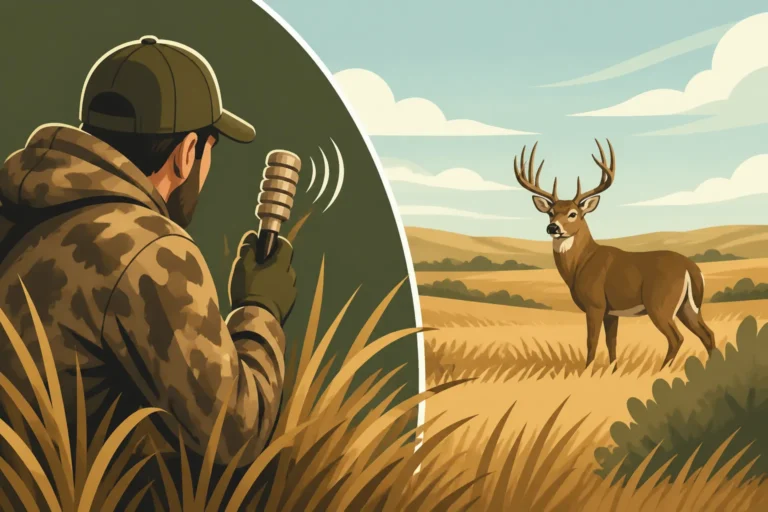
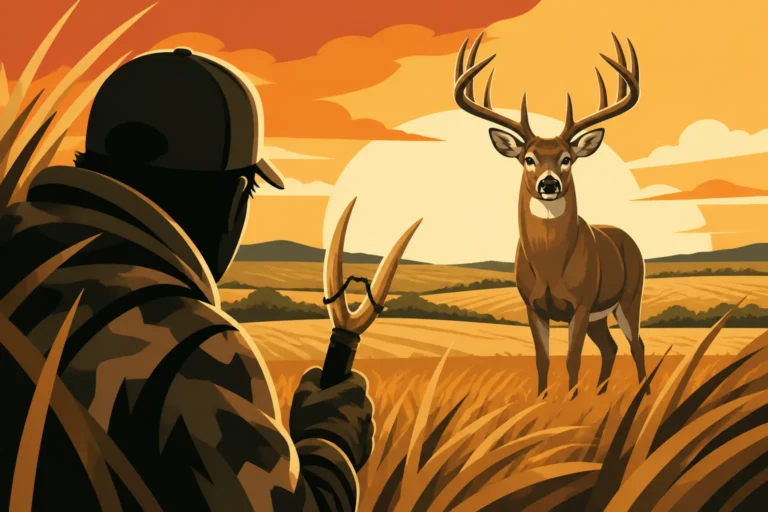
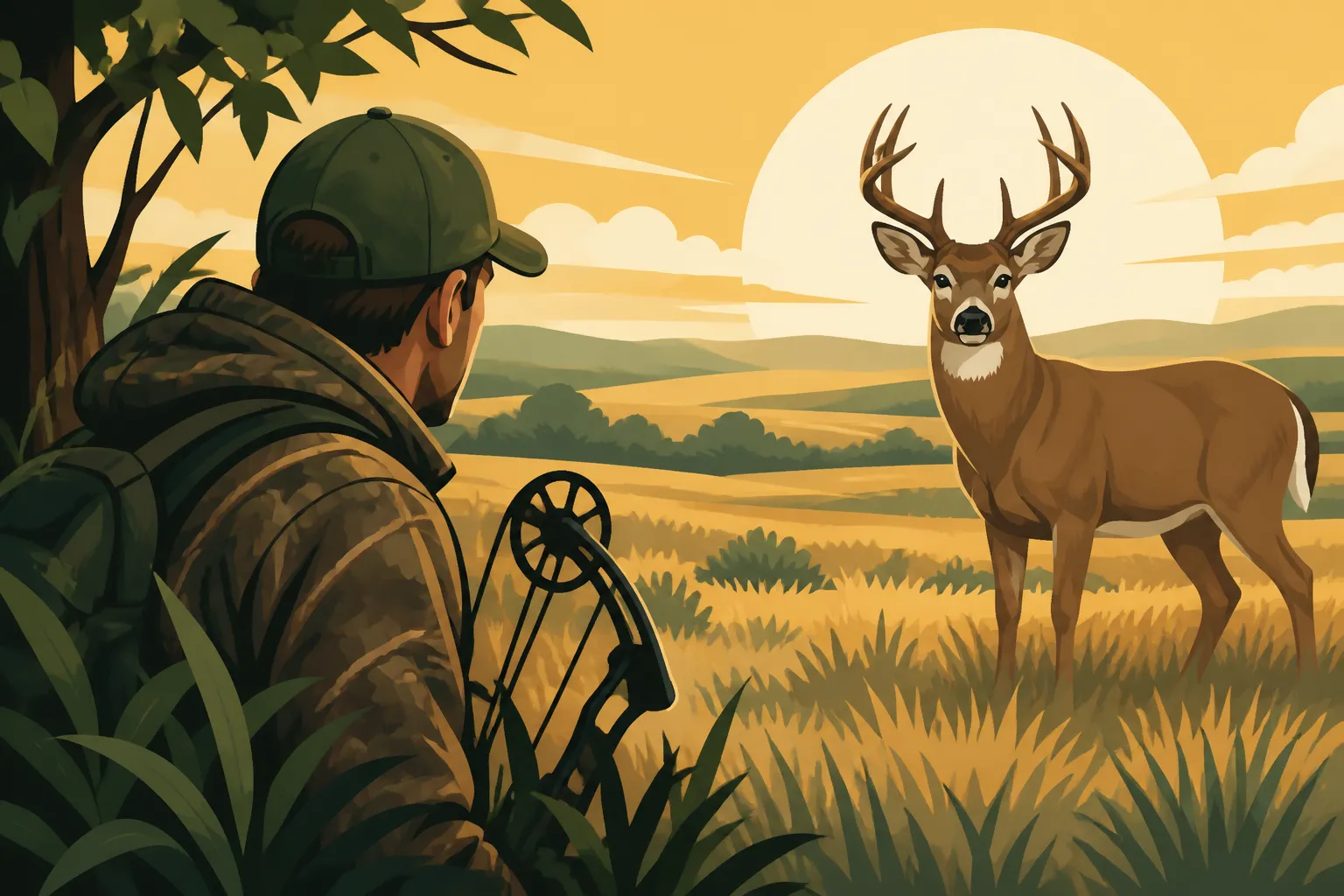
Public land whitetails are often more wary than their private land counterparts due to increased pressure. This means your tactics need to be adaptable. Still-hunting or slow-stalking through likely bedding areas, especially during midday, can be highly effective. Focus on moving quietly into the wind, stopping frequently to glass ahead and listen. If you prefer stand hunting, consider portable setups that you can move as deer patterns change, or as hunting pressure shifts deer around. Ground blinds, especially natural ones made from fallen timber or brush, can be very effective in areas where deer are conditioned to seeing less vertical disturbance. Remember your Treestand Rules on Saskatchewan Public Land and always retrieve your stands to avoid issues with other hunters or regulations. Calling and rattling can also be effective, particularly during the rut. The key is to be stealthy, patient, and persistent.
Navigating Regulations and Ethics on Saskatchewan Crown Land
Hunting Crown land isn't just about following deer; it's also about adhering to the rules and upholding a strong ethical standard. Ignoring regulations or displaying poor etiquette can jeopardize public hunting access for everyone.
Understanding Key Regulations and Licensing
Before embarking on your Crown land whitetail hunt, a thorough understanding of Saskatchewan's hunting regulations is paramount. This includes possessing a valid Saskatchewan's HAL Account and Licensing, ensuring you have the correct tags for the species and zone you're hunting, and being aware of specific season dates. Beyond the general hunting guide, pay close attention to any local bylaws or specific rules pertaining to the Crown land parcel you intend to hunt. For example, some areas might have restrictions on certain types of weapons, or on the use of ATVs. It's also vital to understand Saskatchewan Hunter Education Requirements, not just for licensing, but for promoting safe and responsible hunting practices. Always carry your licence and any required permits with you.
Respecting the Land and Other Hunters
Hunting on Crown land means sharing the resource, and a respectful attitude is essential. Be mindful of where you park, avoiding blocking access roads or farm gates, even if they appear unused. Pack out everything you pack in – and then some. Leave no trace of your presence, whether it's spent shell casings, food wrappers, or flagging tape. If you encounter other hunters, give them plenty of space. A friendly nod or wave is fine, but avoid encroaching on their hunting area or disrupting their hunt. Communication can go a long way, and often, other hunters are a valuable source of information about the area. Transparency, courtesy, and leaving the land better than you found it are the cornerstones of ethical public land hunting.
Table: Key Crown Land Considerations for Whitetail Hunters
| Aspect | Description | Importance |
|---|---|---|
| Mapping & Scouting | Utilize digital tools (GoHunt, onX) to identify public land boundaries, habitat features, and access points. Supplement with on-the-ground reconnaissance. | Essential for efficient use of time, locating deer sign, and avoiding trespass. |
| Access & Permitting | Confirm land ownership and specific access requirements (e.g., Ag Crown Land leases might need landowner permission). Carry all necessary licences and permits. | Ensures legality of your hunt and good standing with landowners/authorities. |
| Habitat Focus | Target areas with dense cover, water sources, and proximity to food (natural browse or agricultural fields) to find productive whitetail habitat. | Increases chances of encountering deer, particularly mature bucks seeking refuge. |
| Hunting Pressure | Be aware that Crown land often experiences higher pressure than private land. Adapt tactics (still-hunting, deep penetration) to counter wary deer. | Helps tailor your approach to successfully harvest pressured animals. |
| Leave No Trace | Pack out all trash, avoid damaging vegetation, and remove any temporary stands or markers. Respect the environment and other users. | Maintains public access and promotes a positive image of hunters. |
Disclaimer
The information provided in this guide is for general informational purposes only and does not constitute legal advice. Hunting regulations in Saskatchewan can change, and it is the hunter's responsibility to consult the official Saskatchewan Hunters' and Trappers' Guide and relevant provincial government resources for the most current and accurate information. Always verify land ownership and obtain necessary permissions before hunting.