Rattling Volume in Open Parkland
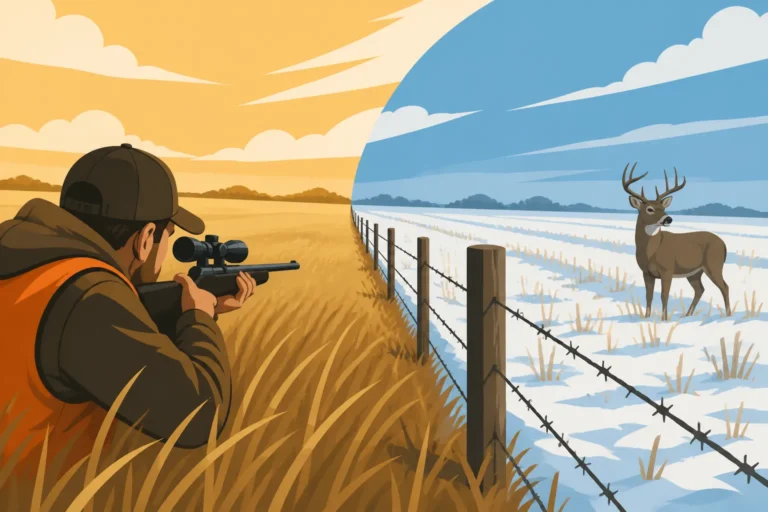
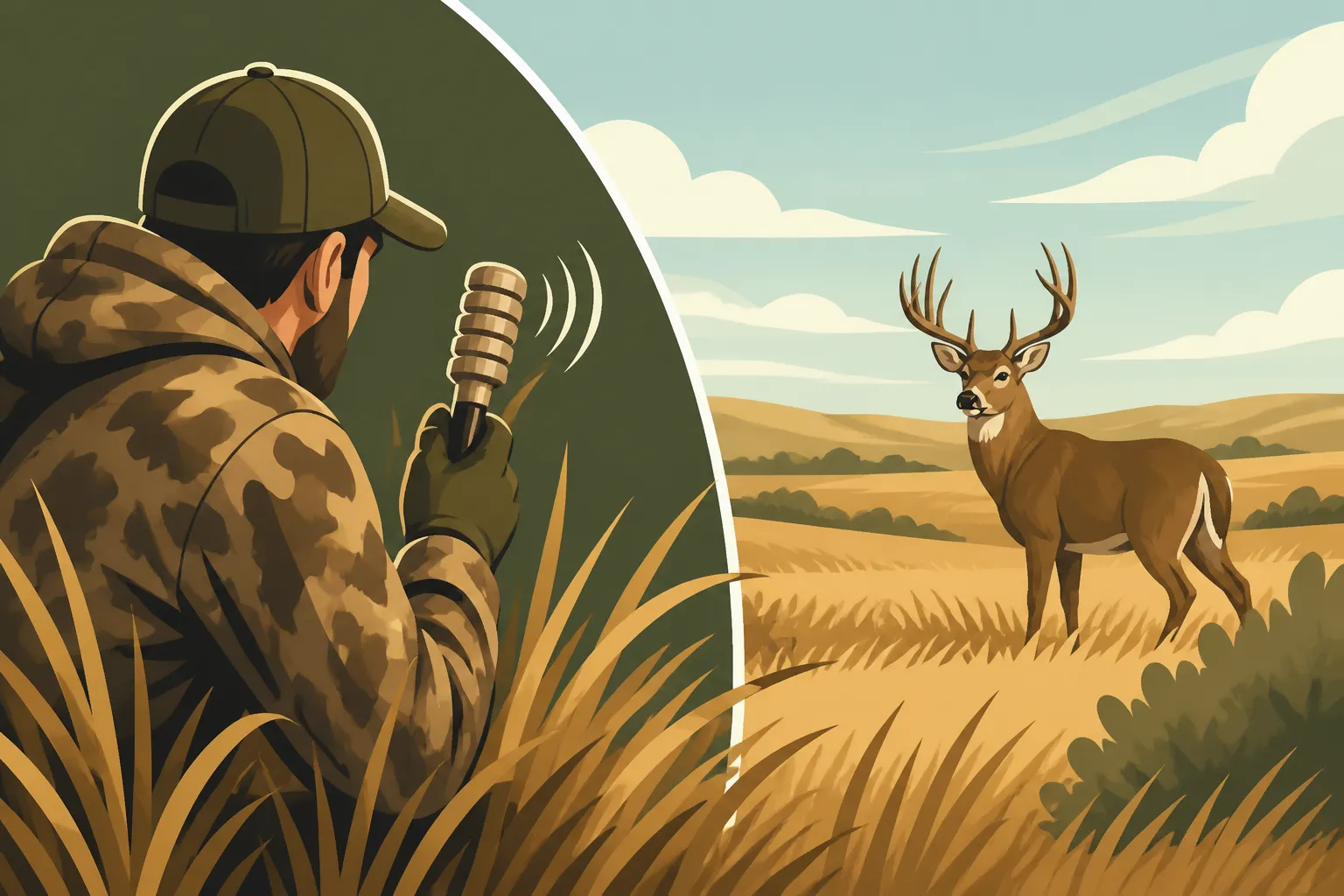
The open expanses of Saskatchewan's parkland can be truly deceptive for whitetail hunters, especially when it comes to calling. What works in dense bush often falls flat in areas where sound carries differently, leaving many frustrated as bucks either ignore calls or approach too warily. This guide will walk you through the nuances of adjusting your rattling volume and technique to effectively draw in those elusive Saskatchewan whitetails in open, broken terrain.
The Acoustic Challenge of Open Parkland Environments
Hunting in Saskatchewan's aspen parkland, where patches of bush meet sweeping fields, presents unique challenges for hunters relying on vocalizations or rattling. The way sound behaves in these environments is fundamentally different from the thick boreal forest, and understanding this is the first step to successful calling.
How Sound Travels Differently in Open Spaces
In dense forest, sound waves are constantly interrupted and absorbed by trees, brush, and uneven terrain. This means sounds don't travel as far, and their direction can be muffled or distorted. In open parkland, however, sound can carry for incredible distances. There are fewer obstacles to absorb or deflect the noise, allowing your rattling sequence to be heard by deer much further away than you might expect. This extended reach can be both a blessing and a curse. While it means more deer might hear your calls, it also means they have more time to assess the sound, pinpoint its origin, and approach with extreme caution. Wind, a constant factor on the prairies, plays a much more dominant role here. A brisk breeze can carry your rattling much further, but it can also blow the sound away from your target deer or carry your scent directly to them. Understanding these dynamics is crucial; a light tickle of antlers might be heard a kilometer away on a calm morning, whereas in a dense bluff, that same sound might only reach 100 yards.
Reading the Landscape for Acoustic Advantage
Saskatchewan's parkland isn't just flat fields; it's a mosaic of bluffs, willow runs, coulees, and shelterbelts. Each of these features can be leveraged to either project your sound or mask your approach. A rattling sequence performed from a slight elevation, like a small ridge or the top of a bluff, can project sound further across open fields. Conversely, setting up in a coulee or behind a substantial shelterbelt can help contain your sound, making it seem closer and potentially more urgent. Frozen ground, common during late season hunting, can also make sound travel more efficiently, almost echoing across the landscape. Hunters using mapping tools like GoHunt can pinpoint these subtle topographical changes, identify potential travel corridors, and strategize their calling locations based on how sound will carry from their position. Consider how sound might bounce or dissipate in these varying landscapes, and use that knowledge to your advantage to surprise a buck or coax one closer. Knowing your acoustic footprint in a given location is as important as understanding your scent cone.
Understanding Whitetail Behavior in Open Parkland
Whitetails inhabiting open parkland areas are often a different breed than their deep woods cousins. They're typically warier, more reliant on their eyesight, and generally less forgiving of mistakes. This heightened sense of caution directly influences how they respond to rattling.
Deer Sensitivity to Sound and Visual Cues
In areas with limited cover, whitetails have evolved to be incredibly sensitive to both sound and visual cues. They don't have the luxury of thick timber to hide their movements or offer quick escape, so they're constantly scanning, listening, and testing the wind. When they hear rattling in the open, their initial reaction is often to freeze, listen intently, and try to visually locate the source. They’ll frequently circle downwind, using their nose to confirm what their ears are telling them. A buck approaching rattling in open country is likely to be on high alert, taking slow, deliberate steps, pausing frequently, and constantly looking for movement. This means your setup needs to be absolutely rock-solid in terms of concealment, and you need to be prepared for a slow, cautious approach, often from unexpected angles. Forget about a buck charging in head-on like you might see on a TV show in dense timber. These Saskatchewan bucks are too smart for that.
The Role of Cover and Concealment for Approaching Bucks
When a buck in open parkland hears rattling, its natural instinct is to use any available cover to conceal its approach. This could be a willow run, a low-lying ditch, a standing crop field, or even just a slight dip in the terrain. They will rarely, if ever, saunter directly across a wide-open field to investigate a fight. Instead, they will hug the edges of bluffs, creep through tall grass, or use a series of small, scattered clumps of trees. For this reason, your rattling setup should ideally be situated near these pockets of cover, allowing the buck to feel comfortable enough to get within shooting range. Using detailed satellite imagery, perhaps through a GoHunt subscription, can help identify these subtle travel corridors and escape routes that bucks will instinctively utilize. If you're hunting a Saskatchewan bush edge, that’s a prime spot, but even smaller features like a Hunting a Shelterbelt Between Two Fields can serve as a vital funnel for an approaching whitetail. Position yourself where you can intercept them before they have the opportunity to fully scent-check your position.
Adjusting Your Rattling Volume and Intensity
The "volume" of your rattling isn't just about how loud you hit the antlers together; it's about the entire presentation – the intensity, the duration, and the perceived aggression. Mastering this balance is key to success in Saskatchewan's open parkland.
When to Go Loud and When to Go Soft
In open country, the default assumption is often to go softer because sound travels so far, but this isn't always the case.
- Loud, Aggressive Rattling: This is best reserved for certain situations. If there's a strong wind, you need to project sound further to reach distant deer, especially if they are bedded down or feeding far away. A loud, crashing sequence can simulate a dominant buck fight, potentially drawing in another dominant buck looking to assert itself or even satellite bucks hoping to pick off a doe. It can also be effective earlier in the rut when bucks are actively seeking out challengers. When the conditions are right, and you know there are deer at a distance, don't be afraid to lay into those antlers. However, be ready for an immediate, cautious response.
- Soft, Subdued Rattling: More often than not, in open parkland, a softer, more subtle approach is warranted. This could involve light sparring, gentle tickling of the antlers, or even just a few short, soft clashes. This technique is excellent for calm days, when deer are closer, or when you're trying to pique the curiosity of a wary buck without alarming it. A soft sequence can imitate younger bucks sparring or bucks testing each other without a full-blown brawl. It can be particularly effective during the post-rut when bucks are still cruising but less inclined to engage in high-impact fights. The goal here is to entice them to investigate without screaming "hunter!"
Incorporating Grunts and Bleats
Rattling in isolation can be effective, but in open parkland, it often benefits from being part of a larger vocalization strategy. Adding grunts and bleats can significantly enhance the realism and draw of your setup.
- Buck Grunts: After a rattling sequence, especially an aggressive one, a few deep buck grunts can add credibility. It simulates the sounds a buck would make during or after a confrontation. These grunts serve to pinpoint the location of the "fight" and communicate to an approaching buck that there are indeed deer present. A tending grunt after a lighter rattling sequence can indicate a buck with a hot doe, potentially making another buck come in to investigate the opportunity. Learning Grunt Calls Late in Saskatchewan's Rut can also be a game-changer as bucks become warier and more focused on remaining does.
- Doe Bleats: A soft doe bleat or two can be incredibly effective when combined with rattling, especially outside the peak of the rut. It suggests the presence of a doe, which can draw in bucks that might be hesitant to approach a perceived buck fight directly. A fawn bleat can also sometimes trigger a protective response from a doe or a curious response from any deer in the vicinity. The combination creates a more realistic scenario: two bucks fighting over a doe, or simply sparring while a doe feeds nearby. Remember, in open country, visual confirmation is key for a deer, so making the sound scenario as realistic as possible helps overcome that wariness.
Duration and Frequency of Rattling Sequences
The length and repetition of your rattling sequences also play a role in open country.
- Longer, Intense Sequences: These are generally used to mimic an aggressive, full-blown fight. They might involve 30-60 seconds of continuous crashing, grinding, and pushing, followed by a period of silence. Use these when you want to make a big statement and believe deer are at a greater distance. The goal is to grab attention and imply a serious dispute.
- Shorter, Softer Bursts: These are more subtle and often more effective in open parkland. Think 10-20 seconds of light sparring, followed by a few minutes of silence, then another short burst. This implies curiosity or a less intense encounter. It's a great way to "test the waters" without over-committing or alarming nearby deer.
Remember, patience is paramount after any rattling sequence in open country. Bucks will often take their time, circling and assessing the situation. Give them at least 15-20 minutes, sometimes even longer, before moving or calling again.
Here's a quick guide to adjusting your rattling volume:
| Condition | Recommended Volume/Intensity | Duration & Frequency | Added Calls | Rationale |
|---|---|---|---|---|
| Calm, Low Wind | Soft to Medium | Short (10-20s), infrequent (15-20m) | Occasional grunts/bleats | Sound carries far; avoids alarming close deer. Mimics light sparring. |
| Windy Conditions | Medium to Loud | Medium (20-40s), moderate (10-15m) | Aggressive grunts | Need to cut through wind; projects sound further. Mimics intense fight. |
| Distant Deer | Loud | Long (30-60s), moderate (10-15m) | Series of aggressive grunts | Maximize reach; signals a major event. Attracts attention from afar. |
| Close, Wary Deer | Very Soft (tickling) | Short (5-10s), infrequent (20-30m) | Soft doe bleats, tending grunts | Avoids spooking; appeals to curiosity. Confirms presence gently. |
| Peak Rut (Aggressive) | Loud, crashy | Long (30-60s), frequent (5-10m) | Dominant buck grunts | High buck aggression; stimulates challenge. Capitalizes on Hunting the Rut in Early to Mid November. |
| Post-Rut (Cruising) | Soft to Medium | Short (10-20s), infrequent (15-25m) | Doe bleats, tending grunts | Bucks more interested in does; less inclined to fight aggressively. |
Strategic Setup and Wind Consideration
Your rattling technique is only as good as your setup, especially in the exposed environment of Saskatchewan's parkland. Strategic positioning and an unwavering respect for the wind are non-negotiable for success.
Optimal Stand or Blind Placement
In open country, where deer rely heavily on their eyesight, your concealment is paramount. Simply standing out in a field and rattling is a recipe for disaster. Instead, you need to choose a location that offers both cover for you and a strategic vantage point for observing approaching deer. This might mean setting up in a natural blind within a dense bluff or a significant patch of brush. Alternatively, a pop-up blind positioned carefully along a field edge or within a willow cluster can provide excellent concealment. When you're Hunting Whitetails on Saskatchewan Farmland, finding these pockets of cover is critical.
Look for areas where deer naturally funnel or travel, such as a narrow neck of cover between two fields, a drainage ditch, or a dense fenceline. A buck hearing your rattle will almost always try to use these features to approach undetected. Your goal is to be in a position to intercept them before they've pinpointed your exact location or, more importantly, caught your scent. Scouting with tools like GoHunt can help you identify these natural funnels and ideal setup locations. Remember, an elevated position in a tree stand, such as when Hanging a Stand on a Saskatchewan Bush Edge, can often give you an advantage by allowing you to see deer approaching from a distance and allowing your scent to dissipate above the deer's primary detection zone.
Playing the Wind in Open Country
Wind is, without a doubt, the single most critical factor in successful whitetail hunting in open country, and it dictates almost every aspect of your rattling strategy. Deer, especially mature bucks, will almost invariably circle downwind of any sound they hear to catch a whiff of potential danger before committing.
This means you must always, always, always set up with the wind in your favor. If you rattle, assume any approaching deer will try to get downwind of you. Your setup needs to account for this. Place yourself so that the primary approach corridors for deer will bring them into shooting range before they get downwind of your position. This often means positioning yourself on the downwind side of the cover or travel route you expect deer to use.
Constantly monitor wind direction and strength using a wind checker or a reliable weather app. If the wind shifts unexpectedly, be prepared to adjust your strategy, or even move to a new location. There's no point in rattling if your scent is blowing directly into the area you expect deer to approach from. Patience in waiting for the right wind conditions is far more effective than forcing a rattling sequence in a poor wind, which will only educate and spook deer. When you’re Rattling and Calling Farmland Whitetails, this wind strategy is paramount. It doesn't matter how perfectly you mimic a fight; if a buck smells you, the jig is up.
Disclaimer
Hunting is an activity with inherent risks. Always prioritize safety, understand and follow all local hunting regulations, and ensure you have the necessary training and licenses. The advice provided here is for informational purposes only and does not guarantee success or safety. Conditions in the field can change rapidly, and personal judgment based on real-time circumstances should always prevail.