Hunting Elk in the Porcupine Hills
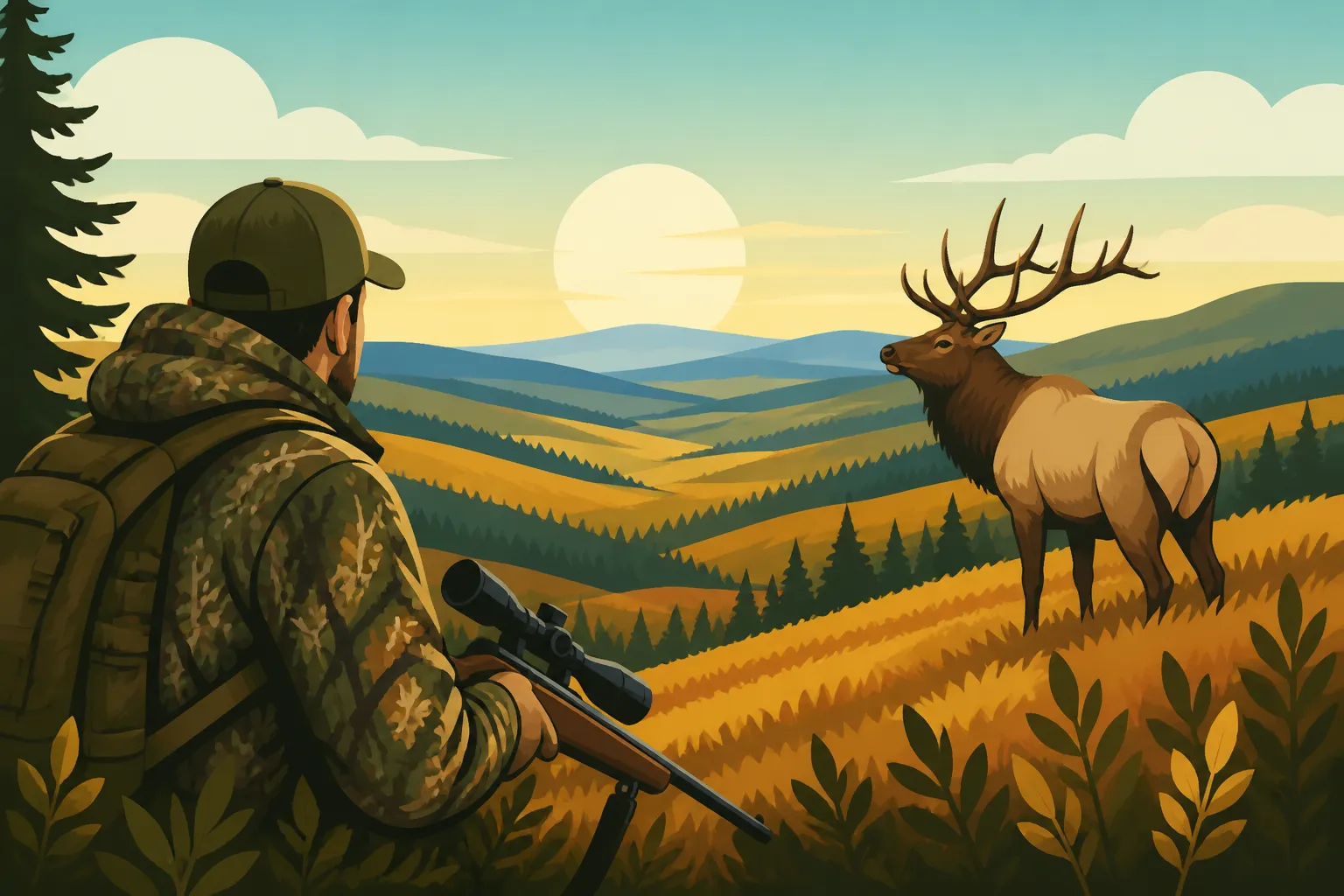
Hunting elk in the dense, rolling terrain of Saskatchewan's Porcupine Hills is a challenge that can test even the most seasoned hunter. Unlike the open prairie where spotting distant herds is possible, these hills demand a completely different approach, often leaving hunters frustrated by the elusive nature of big bulls in thick timber. This guide will delve deep into the strategies and insights you need to successfully navigate this unique landscape and increase your chances of tagging an elk in this rugged, beautiful region.
Understanding the Porcupine Hills Elk Habitat
The Porcupine Hills, straddling the east-central part of Saskatchewan, present a distinct environment that elk have adapted to perfectly. It's a land of contrasts, moving from the open agricultural fields at its base to a mosaic of dense boreal forest, aspen parkland, and intricate creek systems higher up. This isn't your typical wide-open elk country, and understanding its nuances is key to finding success.
The Unique Terrain and Vegetation
Imagine a patchwork quilt of towering spruce and pine stands, intermingled with trembling aspen bluffs that shimmer in the fall breeze. These aren't just pretty trees; they are the backbone of the elk's survival here. The dense conifer stands, particularly the black spruce and jack pine, offer unparalleled thermal cover, especially during the brutal Saskatchewan winters. Elk will bed down in these thickets, seeking refuge from the wind and heavy snowfall. When you're Hunting Saskatchewan Winter Weather Safely, knowing these bedding preferences is crucial.
Aspen bluffs, on the other hand, provide excellent browse. Elk love to strip the bark from young aspens, and the undergrowth beneath these deciduous trees offers a bounty of shrubs and forbs. This mix of cover and feed sources, combined with the undulating topography of the hills, creates countless pockets and draws where elk can live undisturbed. Creek bottoms, often lined with willows and dogwood, serve as natural travel corridors and provide essential water sources. These lower elevations also tend to be less affected by the deepest snow, making them critical for wintering elk. The varied elevation changes mean that elk often move vertically, much like their mountain counterparts, seeking out different microclimates or escape routes when pressured.
Elk Behavior and Seasonal Patterns
Elk in the Porcupine Hills are notoriously savvy and have learned to adapt to hunting pressure. Early in the season, during Saskatchewan's September Archery Opener, they might be more visible, transitioning between their summer feeding grounds in the clearings and their daytime bedding areas. As the rut approaches, usually peaking in late September and early October, the hills come alive with bugles. However, these calls often emanate from deep within the thick timber, making it incredibly challenging to pinpoint and stalk a bull. This is where mastering Bugling Elk on a Farm Edge techniques needs to be adapted for dense bush.
As rifle season opens and hunting pressure increases, elk quickly become more nocturnal and secretive. They'll spend daylight hours bedded in the thickest cover they can find, only venturing out to feed in the agricultural fields or natural clearings at dusk and dawn. Their feeding habits are diverse; while they'll readily raid pea, canola, or oat fields on the fringes of the hills, they also rely heavily on natural forage like browse, grasses, and forbs found throughout the forest. Late season, when snow blankets the ground and temperatures plummet, elk will yard up in the most protected conifer stands, conserving energy. Understanding these seasonal shifts is paramount.
Essential Scouting and Planning Strategies
Successful elk hunting in the Porcupine Hills isn't just about showing up with a rifle; it's about meticulous preparation. The sheer vastness and density of the terrain mean that good scouting, both digital and on-the-ground, will save you countless hours of aimless wandering and significantly increase your odds.
Pre-Season Digital Reconnaissance
Before you even step foot in the bush, modern tools can give you a significant advantage. Satellite imagery, especially with high-resolution layers, is your best friend. Services like GoHunt are invaluable for this. You can use their mapping features to identify potential travel corridors, which often follow old logging roads, creek beds, or subtle elevation changes. Look for natural pinch points where two types of cover meet or where a ridge narrows. These are prime locations for ambushes.
Scout for potential bedding areas – dense, dark timber stands, especially on north-facing slopes that offer cooler temperatures in warmer weather or south-facing slopes that catch more sun in the cold. Identify natural clearings or old cut blocks that might serve as feeding areas. Water sources, like sloughs, springs, or small ponds, are also critical focal points. With GoHunt, you can also overlay public land boundaries, which is crucial for identifying accessible hunting areas within the Porcupine Hills or Finding Saskatchewan Public Land Boundaries if you're exploring beyond the core. Mark these waypoints and potential access points on your digital map, creating a solid game plan before you leave home.
Boots-on-the-Ground Scouting
Digital scouting can only get you so far. There's no substitute for lacing up your boots and hitting the woods. Your goal here is to confirm what you saw on the map and find fresh elk sign. Look for tracks, paying attention to their freshness and direction of travel. Big, round tracks in soft soil or snow are undeniable proof of elk presence. Scat will tell you what they've been eating and how recently they've been there. During the rut, look for fresh rubs on small trees and saplings, where bulls have marked their territory. Wallows, muddy depressions where elk roll to cool off and remove parasites, are also hotspots, especially near water.
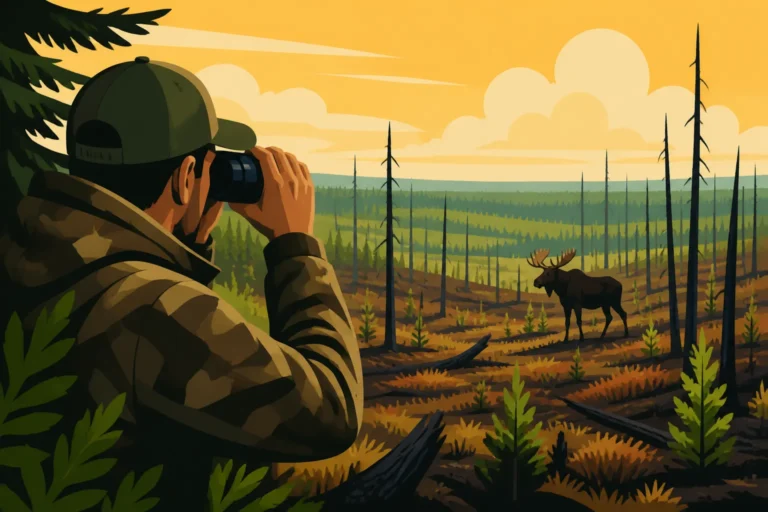
When scouting, move slowly and quietly, as if you're hunting. Pay attention to the wind direction. Try to observe from a distance, using binoculars to scan clearings or draws without alerting any animals. This type of reconnaissance is vital for understanding how elk use the specific piece of ground you intend to hunt. Navigating the dense bush can be challenging, but focusing on existing game trails or old cutlines can make your movement more efficient. Remember, the goal is to gather intelligence without disturbing the very animals you hope to hunt.
Hunting Tactics for Porcupine Hills Elk
Once you have a good understanding of the habitat and have done your scouting, it's time to put those plans into action. Hunting elk in the Porcupine Hills requires patience, persistence, and often, a willingness to get deep into the bush.
Still Hunting and Spot-and-Stalk in Dense Cover
Still hunting is arguably one of the most effective methods for Porcupine Hills elk. This involves moving incredibly slowly, taking a few steps, and then pausing to scan and listen for several minutes. Use your senses: look for flicking ears, a patch of brown hide through the trees, or the faint crunch of hooves on leaves. Focus on the wind, always trying to keep it in your face or quartering. Elk have an incredible sense of smell, and a single whiff of human scent will send them packing.
Spot-and-stalk can be challenging due to the limited visibility. Instead of wide-open glassing, it becomes more about spotting individual animals or small groups in openings, then making a careful, silent approach. Utilize the terrain to your advantage, using ridges and thick cover to mask your movement. While bugling can be effective, especially during the rut, often a soft cow call or chuckle is less alarming and can bring a curious elk closer in the dense timber without immediately identifying you as a hunter. Remember, the Legal Firearms and Bows for Big Game in Saskatchewan means you're often dealing with powerful tools, but shot opportunities might be close and quick.
Stand Hunting and Ambush Points
Given the dense nature of the Porcupine Hills, stand hunting can be a highly productive strategy. Identifying pinch points, funnels, and natural crossings based on your scouting is crucial. Look for areas where elk are forced to travel through a narrow strip of timber between two open areas, or where several game trails converge. Creek crossings, old logging road intersections, or saddles between ridges are classic ambush locations.
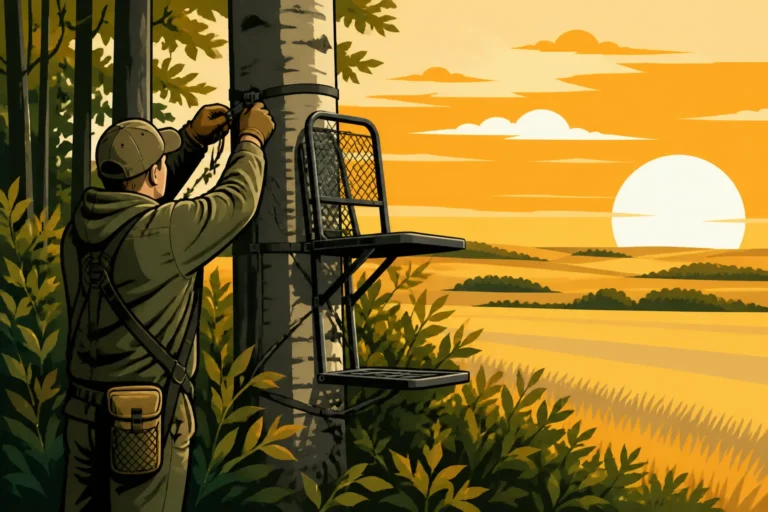
Both ground blinds and treestands have their place. A well-constructed ground blind, brushed in naturally, can offer excellent concealment and warmth, especially when Hunting the December Late Season Cold. Treestands provide a higher vantage point, which can be beneficial for seeing over some of the undergrowth, but finding suitable trees in the thick spruce can sometimes be a challenge. The key is patience. Elk often move slowly and deliberately through their environment. Being still, quiet, and committed to long hours on stand in a well-chosen location can often pay off with a big bull. Consider Hanging a Stand on a Saskatchewan Bush Edge where the forest meets a field for optimal success.
Recovering Elk in the Porcupine Hills
One of the biggest challenges of hunting in the Porcupine Hills is the recovery of an animal after the shot. An elk is a large animal, and even a well-placed shot can see them run a surprising distance into incredibly thick cover. It's vital to have a robust recovery plan. After the shot, give the animal time, especially if the hit wasn't immediately fatal. An hour or more can allow a mortally wounded animal to lie down and expire.
Begin tracking slowly and meticulously. Look for blood, broken branches, or disturbed leaves. Mark your last known blood or sign with flagging tape to avoid getting lost or confused. Tracking in dense bush, especially as darkness falls, can be incredibly difficult. A good tracking dog, if legally available and trained, can be an invaluable asset. If you hit an elk late in the day, consider backing out and returning at first light with more help. Getting a large animal out of the Porcupine Hills often requires a strong back, potentially a game cart, or access with a side-by-side or ATV on designated trails. Getting a Moose Out With a Quad tactics can apply here. Always prioritize the ethical recovery of the animal and proper Meat Care in Saskatchewan's Cold Snaps.
Navigating Regulations and Access
Understanding the rules and securing proper access are non-negotiable aspects of hunting elk in the Porcupine Hills. Saskatchewan has specific regulations that hunters must adhere to, especially regarding licences and land access.
Understanding Elk Draws and Zones
Elk hunting in many parts of Saskatchewan, including the Porcupine Hills region, is often managed through a draw system. This means you can't simply buy an over-the-counter tag; you must apply in the Saskatchewan Big Game Draw for specific zones. The Porcupine Hills fall within particular Wildlife Management Zones (WMZs), and each zone will have its own draw odds, season dates, and bag limits. It's imperative to consult the official Saskatchewan Hunters' and Trappers' Guide annually for the most up-to-date information on application deadlines, draw results, and zone-specific rules.
Some zones might offer antlerless tags, while others are antlered-only, and seasons can vary significantly for archery, muzzleloader, and rifle hunters. Knowing How Saskatchewan's Zones Set Your Season is fundamental to planning your hunt. The draw system often means that it can take several years to build up enough priority to draw a coveted elk tag in a good zone, so planning ahead is key.
Crown Land vs. Private Land Access
The Porcupine Hills region is a mix of Crown (public) land and privately owned agricultural or timberland. Hunters often face the challenge of determining where they can legally hunt. While there are significant tracts of provincial forest and other Crown lands accessible to the public, much of the productive forest fringe or valley bottom is privately owned.
For private land, you must obtain permission from the landowner before hunting. This often involves Knocking on Doors in Saskatchewan Farm Country and building relationships with local farmers and ranchers. Always respect "Posted Land" signs; under Saskatchewan law, these signs clearly indicate that entry requires permission. Understanding Saskatchewan Landowner Permission Law is critical to avoid trespassing and maintain a good reputation for hunters in the area. Utilizing digital mapping tools from GoHunt can again assist in identifying land ownership, helping you distinguish between Crown land, private land, and other special designations like Fish and Wildlife Development Fund (FWDF) lands or Community Pastures, each with their own access rules.
| Elk Sign Type | What It Indicates | When to Look | Where to Look |
|---|---|---|---|
| Tracks | Recent presence, travel direction, size of animal | Fresh snow, muddy trails, soft ground | Near water, creek beds, game trails, old logging roads |
| Scat (Droppings) | Recent presence, diet (browse vs. grass), health | Any time | Bedding areas, feeding areas, travel corridors |
| Rubs | Bull presence, territorial marking, pre-rut/rut activity | Late summer through rut | Small saplings (aspen, pine), along travel routes |
| Wallows | Bull presence, cooling/parasite removal, rut activity | Summer through rut | Near water, muddy depressions, shaded areas |
| Beds | Daytime resting areas, preferred cover | Any time | Dense conifers, thick aspen bluffs, sheltered slopes |
| Bugles | Bull activity, rut intensity | Pre-rut through rut | Anywhere in the bush, especially early morning/late evening |
Disclaimer
Hunting is an inherently dangerous activity. This guide provides general information and recommendations only. Always consult the official Saskatchewan Hunters’ and Trappers’ Guide and local regulations before hunting. Ensure you have proper safety training, suitable equipment, and physical preparedness. The author and publisher are not responsible for any accidents, injuries, or legal issues that may arise from hunting activities. Hunt safely and ethically.