Hunting a Slough Edge for Whitetails
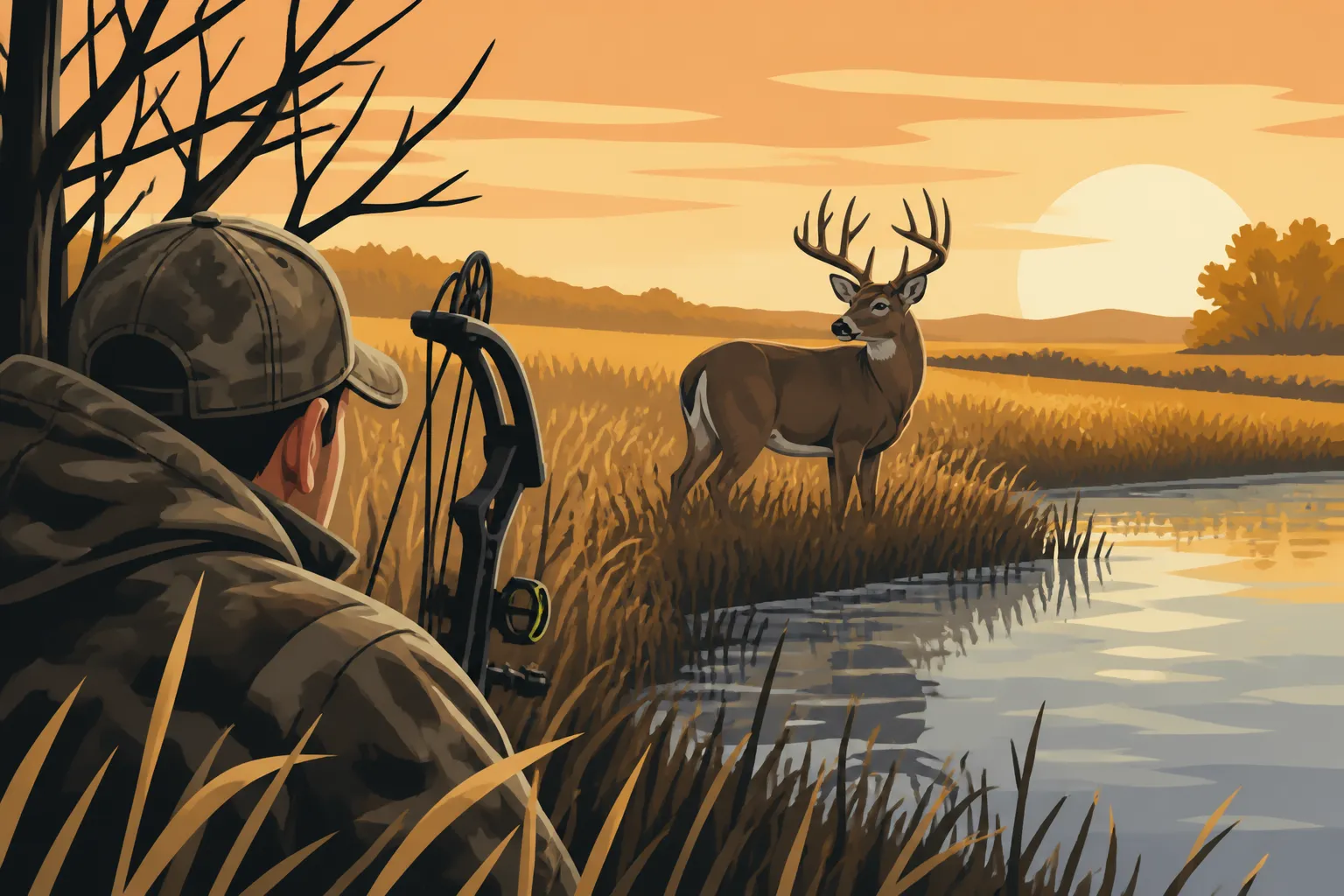
There’s nothing quite like the feeling of watching a mature whitetail buck ghost through the Saskatchewan landscape, but finding them can sometimes feel like searching for a needle in a colossal haystack. Many hunters focus on bush bluffs or field edges, but often overlook one of the most productive, yet challenging, pieces of whitetail habitat: the humble slough edge. This guide dives deep into understanding, scouting, and effectively hunting these watery havens, transforming them into your secret weapon for a successful whitetail season.
Why Whitetails Love Slough Edges: A Habitat Goldmine
Saskatchewan is dotted with countless sloughs, from small, cattail-choked depressions to sprawling wetlands. These aren't just stagnant puddles; they are vibrant ecosystems that offer whitetails a trifecta of essential needs: food, water, and crucially, security cover. Understanding why deer utilize these areas is the first step to hunting them successfully.
The All-Season Pantry and Watering Hole
Imagine a whitetail’s perfect grocery store and hydration station rolled into one, and you’re picturing a good slough edge. Throughout the year, these transitional zones between open land and water provide an abundance of forage. In spring and summer, the lush grasses, sedges, and forbs that grow along the banks are a readily available buffet. As the season progresses into fall, deer will often browse on willow shoots, dogwood, and other woody browse that thrives in the moist soil. Even when crops are abundant in surrounding fields, a slough edge offers variety and often more palatable green growth, especially during dry spells when other forage might be less appealing.
Beyond food, sloughs are a consistent water source. While deer can get moisture from dew and plant matter, direct access to water is vital, particularly in warmer early season hunts or if the weather has been unusually dry. These water sources become even more critical during the rut, when bucks are constantly on the move and dehydrating quickly. They'll often seek out slough edges to grab a quick drink before continuing their search for does.
The Ultimate Hideaway and Travel Corridor
Perhaps the most significant draw of a slough edge for whitetails is the incredible security cover it provides. Dense cattails, reeds, tall grasses, and often surrounding willow and aspen growth create an almost impenetrable fortress. A mature buck, wary from years of evading hunters, knows he can disappear into these thickets and be incredibly difficult to dislodge. These areas become prime bedding sites, offering protection from predators and the elements.
But sloughs aren't just for bedding. The edges, especially those with more timber or a distinct "finger" of cover extending into a field, act as natural travel corridors. Deer will use these sheltered pathways to move between bedding areas, feeding grounds, and other parts of their home range, often preferring to stick to the thick cover rather than exposing themselves in open fields. During the hustle and bustle of the rut, these edges can become veritable deer highways, as bucks follow doe trails along the fringes. This is a critical insight for hunters; you're not just looking for a deer in the slough, but a deer moving along its edge.
Scouting Productive Slough Edges: Finding the "X"
Identifying a slough on a map is one thing; determining if it’s a productive whitetail hotspot is another. This requires a combination of modern mapping tools and old-fashioned boots-on-the-ground scouting. You're looking for signs that confirm consistent deer activity, not just occasional visits.
Leveraging Satellite Imagery and Topo Maps
Before you ever set foot in the field, fire up your favorite mapping app. Platforms like GoHunt are invaluable for initial reconnaissance. Start by scanning large areas, identifying clusters of sloughs or individual sloughs adjacent to known feeding areas like grain fields or alfalfa. Look for fingers of cover extending from larger blocks of bush towards or around a slough. These often serve as natural funnels.
Pay close attention to the topography. Are there subtle elevation changes that create pinch points or natural travel lanes leading into or out of the slough? Even a slight rise can offer a deer a vantage point, making it a preferred bedding spot. Identify potential access routes for yourself, noting wind directions relative to these. While satellite imagery provides a bird's-eye view, remember that it doesn't always show the full picture of ground cover density or water levels, which can change seasonally. Use it to narrow down your options, then move to the next stage. Knowing how to use Scouting With Satellite Imagery in Saskatchewan is a definite advantage.
Boots on the Ground: Reading the Sign
Once you have a few promising sloughs identified, it's time to get dirty. The best time for this is typically after the harvest, but before heavy snow, when visibility is good, and you can clearly see deer sign. Accessing slough edges can be tricky; be prepared for wet, muddy, or marshy conditions.
Walk the perimeter, looking for classic whitetail indicators:
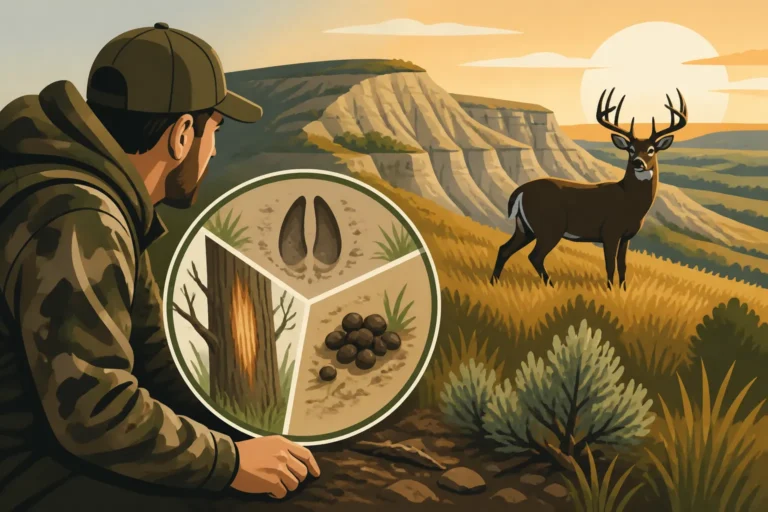
- Tracks: Look for well-worn trails leading into and out of the thick cover. Larger, deeper tracks might indicate a mature buck. Pay attention to crossings; where do deer prefer to enter or exit the water? These are often narrow points or subtle rises.
- Droppings: Fresh droppings indicate recent activity. The size and consistency can even give you an idea of what they’ve been eating (e.g., grain vs. browse).
- Rubs and Scrapes: These are gold, especially if you find them along the edge of the slough. Rubs on small trees or saplings indicate bucks are marking their territory and often using that path. Scrapes, particularly during the pre-rut and rut, show where bucks are actively scent-checking for does. Finding a scrape line along a slough edge suggests it’s a major travel route. Learning how to identify Reading Whitetail Sign in Saskatchewan Bluffs will also greatly assist your slough edge scouting efforts.
- Bedding Areas: Look for flattened-down spots in the thickest cover, often sheltered from the prevailing wind. These might be deeper within the cattails or just inside the tree line bordering the slough.
Don't be afraid to put on waders and explore the edges if safe to do so. Sometimes the best trails are hidden just within the initial layer of vegetation. Take notes, mark waypoints on your GPS or GoHunt app, and start forming a picture of how deer are using the area.
Hunting Strategies for Slough Edges
Once you've identified a promising slough edge, the real fun begins: developing a strategy to intercept a whitetail. This often involves careful stand placement, understanding wind, and being patient.
Strategic Stand Placement for Maximum Impact
Choosing the right spot for your treestand or ground blind is paramount when hunting slough edges. The cover here can be so dense that if you're even a few yards off a main trail, you might miss your opportunity.
Here are key considerations:
- Wind Direction: This is non-negotiable. Deer rely heavily on their sense of smell. Always hunt with the wind in your favor, blowing your scent away from where you expect deer to approach or pass. Slough edges can create swirling winds, so pay extra attention to thermals, especially at dawn and dusk.
- Travel Corridors and Pinch Points: Set up where deer are naturally funneled. This could be a narrow strip of dry ground between the water and a field, a hard bend in the slough’s edge, or where two trails converge. These are high-traffic zones.
- Bedding to Feeding Transitions: Position your stand between the thick cover of the slough (likely a bedding area) and the adjacent feeding grounds (e.g., a stubble field). Morning hunts are often productive catching deer returning to bed, and evenings catching them moving out to feed.
- Entry and Exit Routes: Plan your approach and departure so you don’t spook deer already in the area. Use existing ditches, treelines, or other cover to remain undetected. A noisy entry can ruin your hunt before it even begins.
- Visibility and Shot Lanes: While you want to be in thick cover, ensure you have clear shooting lanes to the trails you expect deer to use. Trim any branches that might impede a shot, but do so minimally and well in advance of the season to avoid alerting deer.
Consider Hanging a Stand on a Saskatchewan Bush Edge techniques, as many principles apply here.
Capitalizing on the Rut
The whitetail rut transforms slough edges into prime hunting grounds. As bucks become more active, chasing does and constantly cruising for receptive females, these linear cover strips become invaluable. A slough edge provides a relatively safe, hidden thoroughfare for a buck covering ground.
During the peak of Hunting the Rut in Early to Mid November, bucks will often scent-check every pocket of cover, every trail, hoping to find a hot doe. Does, in turn, will often seek refuge in the dense cover of a slough edge when being pursued. This creates a dynamic where bucks are constantly patrolling these areas. This is when rattling, grunting, and even doe bleats can be incredibly effective. A buck might hear your calls and follow the slough edge to investigate, offering you a shot. Sitting all day, especially near a productive slough edge, can pay dividends during this intense period of deer activity.
Still-Hunting and Drives
While stand hunting is often the preferred method, still-hunting or carefully executed drives can also be effective around slough edges, especially larger ones.
- Still-Hunting: This involves moving incredibly slowly and deliberately along the edge of the slough, stopping frequently to glass and listen. The dense cover often means close-quarters encounters, so be ready. This works best when you have a good understanding of deer movement patterns and wind direction. It's a method that requires immense patience and attention to detail, almost becoming part of the environment yourself.
- Drives: For larger sloughs with significant cover, a small, well-planned drive can be successful. One or two "pushers" move slowly through the densest part of the slough, ideally with the wind at their backs, attempting to nudge deer out to "standers" positioned strategically along the edges or anticipated escape routes. Safety is paramount with drives, ensuring everyone knows their zones of fire and communicating effectively. Always ensure you are within legal limits for party hunting and adhering to all Saskatchewan hunting regulations.
Gear and Safety for Slough Edge Hunting
Hunting slough edges presents unique challenges that require specific gear and a heightened awareness of safety. The wet, often unstable terrain demands attention to detail.
Essential Gear for Wet Conditions
Your gear choices can make or break a slough edge hunt. Being cold and wet is not only uncomfortable but can be dangerous.
- Waterproof Footwear: This is non-negotiable. High-quality rubber boots or waterproof hiking boots (with gaiters if necessary) are a must. You'll likely encounter standing water, mud, and damp ground. Ensuring your feet stay dry will significantly improve your comfort and ability to stay on stand longer.
- Layered, Waterproof Clothing: Even if it’s not raining, dew and moisture in the dense vegetation can quickly soak through non-waterproof outer layers. Invest in good waterproof or water-resistant pants and jacket. Layering underneath will allow you to adjust to changing temperatures, which can fluctuate dramatically between dawn, midday, and dusk.
- Navigation Tools: A reliable GPS or a smartphone with a mapping app (like GoHunt) is essential. Slough edges can be disorienting, and it’s easy to get turned around in thick cover, especially in low light. Mark your stand location and your entry/exit points clearly.
- Retrieval Aids: If you do harvest a deer near a slough, getting it out can be a challenge. Consider a deer cart if the terrain allows, or at least a good game bag and strong rope. The ground can be soft and muddy, making traditional dragging difficult. Knowing about Getting a Deer Out on a Frozen Trail or Getting a Moose Out With a Quad (for larger animals) might give you ideas for your whitetail.
- Blaze Orange: Always wear the legally required amount of Saskatchewan Blaze Orange Rules, especially when moving through dense cover or if hunting with others. Visibility is key for safety.
Navigating the Terrain Safely
Slough edges, while productive, can be hazardous. Being aware of the risks is crucial.
- Unstable Ground: The ground around sloughs can be soft, boggy, and uneven. Watch for sinkholes or deep mud that can trap a foot or even a leg. Use a sturdy stick to probe the ground ahead of you if unsure.
- Cold Water Immersion: Falling into cold water, especially in late fall or early winter, can quickly lead to hypothermia. Be extremely cautious around open water and thin ice. If hunting in freezing conditions, ensure you have a plan and the right gear to deal with accidental immersion.
- Limited Visibility: Dense vegetation means limited visibility. Be extra vigilant about identifying your target and knowing what lies beyond it. Never take a shot if you’re not 100% certain of your target and your backdrop. This is critical for safety, especially with other hunters potentially in the vicinity.
- Getting Stuck: Vehicles can easily get bogged down in muddy approaches to sloughs. Always park on solid ground and be prepared to walk in, even if it’s a longer hike. Carry a Winter Truck Kit for a Saskatchewan Hunt that includes a shovel, tow strap, and traction aids, and know What to Do If You Get Stuck in the Bush.
Hunting a slough edge for whitetails is a challenging but incredibly rewarding pursuit. These often-overlooked habitats hold some of Saskatchewan’s most elusive bucks. By understanding why deer use them, diligently scouting, and employing smart hunting strategies, you can unlock the full potential of these unique landscapes and put yourself in a position for a memorable hunt. Remember to prioritize safety, respect the land, and enjoy the rich experience of hunting in Saskatchewan.
Disclaimer
The information provided in this guide is for general informational purposes only and does not constitute legal advice. Hunting regulations, seasons, and licensing requirements in Saskatchewan are subject to change. Always consult the most current Saskatchewan Hunter's and Trapper's Guide and relevant government websites before planning any hunting activity. It is the individual hunter's responsibility to know and abide by all provincial and federal laws and regulations.