Hunting a Cattle Pasture Draw
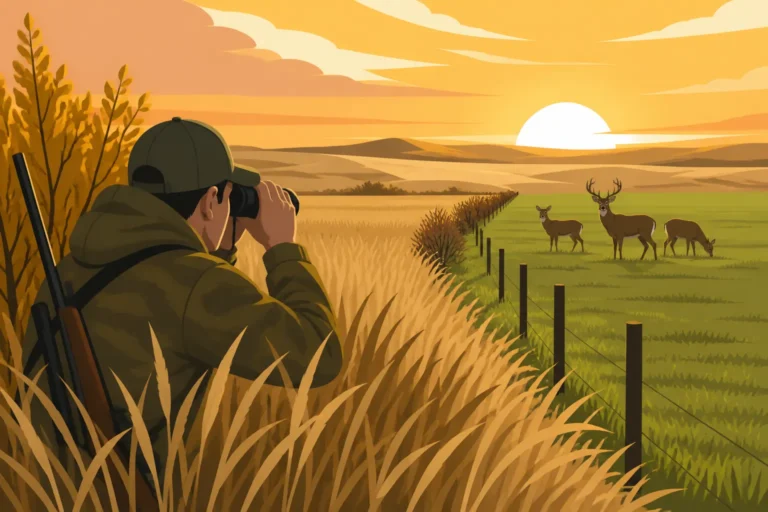
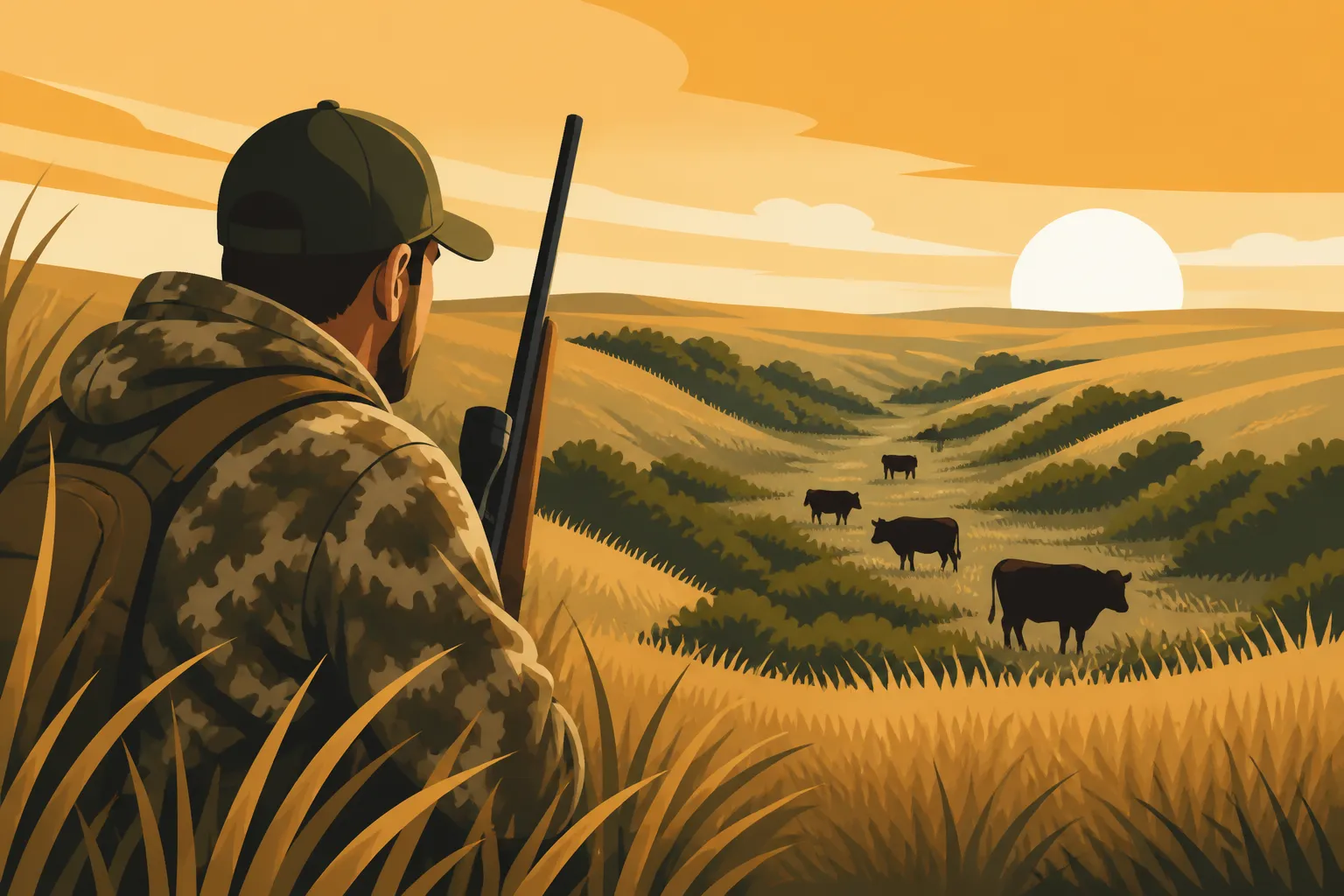
It's easy to look at a vast Saskatchewan cattle pasture, with its open stretches and the constant presence of livestock, and think there's nothing there for a hunter. Many of us have driven past these areas, dismissing them as too disturbed or lacking cover, believing big bucks only hide in thick bush or dense forest fringes. But that's a mistake. Those subtle dips, those winding dry creek beds, the small clumps of willow or poplar that make up a cattle pasture draw, are often overlooked hotspots for whitetails, mule deer, and even other game. This guide is here to help you understand why these draws are so appealing to wildlife and how you can effectively hunt these unique and often incredibly productive Saskatchewan habitats.
Understanding the Cattle Pasture Draw Ecosystem
Cattle pasture draws, often formed by ancient water flows or glacial activity, are much more than just depressions in the landscape. They create micro-environments that offer crucial resources for wildlife, especially in otherwise open prairie or parkland settings. The presence of cattle certainly changes the dynamic, but it doesn't eliminate the draw's appeal; it just shifts how game animals use it.
Why Deer and Other Game Use Draws
Even with cattle grazing nearby, these draws provide three essential things for wildlife: cover, food, and water. The undulating terrain, even if only a few feet deep, offers a visual break from the surrounding open country. This is vital for deer that feel vulnerable in wide-open spaces. They can navigate these draws, moving from one patch of cover to another, often completely unseen by predators or hunters on higher ground. Think of it as a natural highway system through an otherwise exposed landscape.
Beyond visual cover, these draws often hold denser vegetation than the surrounding pasture. This might be a thicker stand of native grasses, a patch of brush like wolf willow, or even small trees that have managed to establish themselves where they're somewhat protected from cattle and fires. This denser vegetation provides bedding cover and browse. Deer, particularly whitetails, are masters of concealment, and even a small dip with some brush can provide enough hiding space for a mature buck to bed down and feel secure. Mule deer, too, will use these draws to contour their movements and bed in strategic spots that offer both cover and a commanding view.
Impact of Cattle on Game Movement and Sign
It's true that cattle activity can make hunting a pasture draw a bit more challenging. Their constant grazing can impact available browse, and their sheer physical presence creates a lot of noise and movement. However, this isn't always a negative. Cattle can actually act as a "screen" for deer. A big buck might feel less threatened moving through an area with cattle, knowing that many hunters will dismiss the spot due to the livestock. The cattle's constant movement and scent can also mask the presence of deer to some degree, ironically providing another layer of camouflage.
One of the biggest frustrations for hunters in cattle pastures is deciphering game sign amidst all the cattle sign. Tracks, droppings, and rubbed vegetation from cattle can easily be mistaken for or completely obscure deer sign. This requires a keen eye and a bit of experience. We'll delve into how to differentiate these later, but for now, remember that while cattle might seem like a deterrent, they often simply change the pattern of game use rather than eliminate it. Often, deer will use the draws during low-traffic times, like early morning, late evening, or at night, when cattle activity is minimal.
Identifying Key Features within a Draw
To effectively hunt a cattle pasture draw, you need to be able to "read" the terrain and identify the specific features that game animals are most likely to use. Not all draws are created equal. Some are shallow and barren, offering little appeal, while others are deep, brushy, and almost like miniature river valleys.
Look for areas where the draw deepens or widens, creating more substantial cover. Any small clumps of trees, especially poplars or willows, are immediately prime spots. These provide thermal cover in colder weather, shade in warmer times, and visual breaks. Similarly, watch for any natural water sources within the draw, like a spring, a permanent puddle, or a dugout. These are magnet points, especially in dry conditions. Even a seasonally wet area can be a draw for game. For more on how game uses water, check out our piece on Hunting a Frozen Slough Crossing.
Another critical feature is where smaller draws or finger-like depressions "feed" into the main draw, or where the draw crosses a fence line. These junctions and crossings act as natural funnels, concentrating animal movement. Deer are creatures of habit and efficiency; they'll use the path of least resistance. Identifying these natural choke points is crucial. Using mapping tools like GoHunt can help you spot these topographical nuances even before you set foot on the ground, allowing you to pre-scout potential ambush points and travel corridors.
Scouting Strategies for Success
You can't just drive up to a cattle pasture draw, hop out, and expect to stumble upon a trophy. Effective hunting in these areas demands diligent scouting, both from your couch and on the ground, to understand the unique patterns of game movement in relation to livestock.
Pre-Season Scouting with Technology
Before you even think about putting boots on the ground, modern technology is your best friend. Start with satellite imagery on platforms like GoHunt or other mapping apps. Zoom in and study the draws meticulously. Look for distinct changes in vegetation density, indicating thicker brush or trees. Identify any water bodies, even seasonal ones. Pinpoint natural funnels, pinch points where the draw narrows, or where it intersects with other terrain features like treelines or fence lines.
Pay close attention to the surrounding landscape as well. Where are the nearest crop fields? Where are the larger blocks of cover, even a kilometre or two away? Deer often travel from these secure bedding areas to feed in nearby fields, using the draws as safe corridors. Mapping out these travel routes is essential. Also, use these tools to identify property lines. Knowing if a draw traverses multiple landowners or if there's public land nearby can save you a lot of hassle. Speaking of land, always remember the importance of Saskatchewan Landowner Permission Law before stepping onto private property.
On-the-Ground Reconnaissance
Once you've done your digital homework, it's time to hit the field. The best time for on-the-ground scouting in a cattle pasture draw is typically during the off-season or just before hunting season, when you won't disturb actively hunted animals. Walk the draws, but do so carefully, mimicking a hunting approach. Walk the edges, peer into the deeper sections, and scan for any sign.
Look for tracks, droppings, and most importantly, rubs and scrapes. Rubs, especially fresh ones, indicate bucks are in the area and actively marking their territory. Scrapes are communication hubs. While cattle will browse on brush, their rubs on trees are usually accidental and haphazard. Deer rubs will be more deliberate, often at specific heights, and will typically be on smaller saplings. Droppings are a clearer indicator: deer droppings are pellet-like, distinct from the larger, softer patties left by cattle. For a deeper dive into understanding these subtle cues, consider our article on Reading Whitetail Sign in Saskatchewan Bluffs.
Interpreting Cattle vs. Game Sign
This is where many hunters get confused in cattle pastures. It's easy to see a well-worn trail and assume it's a deer highway, when in reality, it's just a cattle path to water. Here's a quick guide to help you differentiate:
| Sign Type | Deer Sign | Cattle Sign |
|---|---|---|
| Tracks | Heart-shaped, pointed, typically 2-4 inches long | Rounded, blunt, larger (4-6+ inches), often splayed |
| Droppings | Small, dark, pellet-like (often in clusters) | Large, soft, roundish patties |
| Rubs | Vertical scrapes on small trees/saplings, bark removed by antlers, often with scuff marks nearby | Accidental scrapes on larger trees, often lower, less deliberate |
| Bedding Areas | Smaller, oval depressions in cover; often one individual | Larger, communal depressions; multiple animals, often in open |
| Trails | Often narrower, sometimes winding, follow subtle contours, avoid open areas | Wider, heavily pounded, often direct lines to water/feed, less cover-oriented |
When you're scouting, look for deer trails that diverge from main cattle paths, leading into thicker cover or away from heavily grazed areas. These subtle detours are where the deer are. Also, pay attention to the freshness of the sign. If there's fresh deer sign (shiny rubs, moist droppings), you know game is actively using that specific part of the draw.
Hunting Techniques for Pasture Draws
Once you've done your scouting and identified the key areas, it's time to consider how you'll actually hunt these draws. Their relatively open nature requires a different approach than hunting dense bush, often prioritizing concealment and smart movement.
Stand Placement Considerations
If you plan to hunt from a stand, whether a tree stand or a ground blind, placement is everything in a pasture draw. Your primary goal is concealment, followed closely by having the wind in your favour. Look for the densest cover you can find within the draw – a clump of poplars, a willow thicket, or even a deep erosion cut with tall grass. Your stand needs to offer a commanding view of a known game trail or a bottleneck, but you absolutely cannot be silhouetted against the sky.
Consider your access and exit routes. You need to be able to get to and from your stand without spooking animals that might already be in the draw or approaching it. Often, this means using the draw itself as cover to sneak in before first light or leave after dark. Pay attention to prevailing winds. Wind direction is even more critical in open country where your scent will carry further. Use the GoHunt app to track historical wind patterns for your area to inform stand placement. Our article on Hanging a Stand on a Saskatchewan Bush Edge offers transferable advice on stand security and positioning that can be adapted to these more open environments.
Still Hunting and Stalking Approaches
Given the linear nature of many draws and the often scattered patches of cover, still hunting or spot-and-stalk can be incredibly effective. Still hunting involves moving slowly and deliberately through the draw, pausing frequently to glass ahead and to your sides. Use the contours of the land, any available brush, and even the cattle themselves (if they're calm) to mask your movement.
When stalking, the goal is to spot deer from a distance – often from higher ground overlooking the draw – and then plan a careful approach. This is where patience and extreme caution come into play. Mule deer, in particular, are well-suited to this type of hunting. Use every fold in the terrain, every bush, every slight rise to your advantage. Move when the deer's head is down feeding or looking away. Stop when they're alert. The noise of cattle moving or even a light breeze can sometimes provide enough cover for you to close the distance. This is a tactic often employed when Stalking Mule Deer in Open Prairie.
Calling Strategies in Open Country
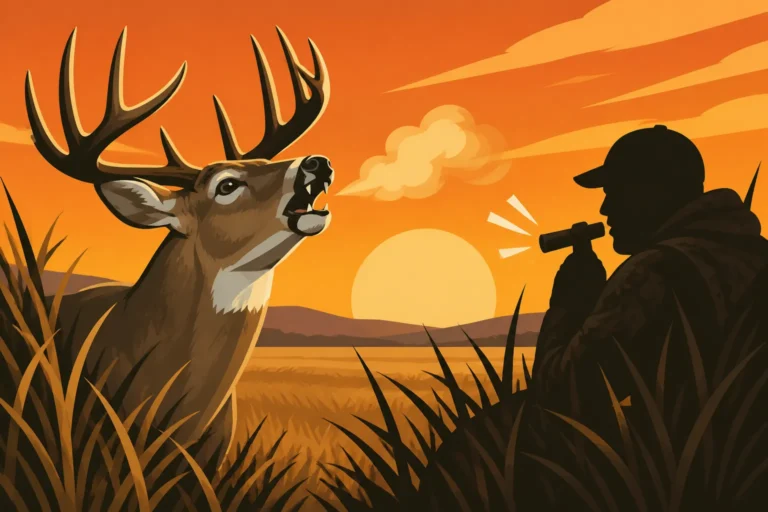
Calling can be a powerful tool in a pasture draw, especially during the rut for whitetails or for drawing in coyotes. The relatively open nature of these areas means your calls can carry further, but it also means animals can pinpoint your location more easily. For whitetails, soft grunts and bleats can work well to pique curiosity without being overly aggressive. Rattling antlers can be incredibly effective in draws, simulating a fight that bucks simply can't resist investigating.
However, the key is to call judiciously and to be ready. A buck might appear quickly, trying to circle downwind to scent-check the "fight." Be prepared for them to approach from unexpected angles. For coyote hunting, the open landscape of a draw is ideal. A distress call from a rabbit or fawn will travel, and coyotes often use the draws themselves as travel corridors, making them excellent candidates for calling setups. Being mindful of the environment and knowing when to use Rattling Volume in Open Parkland can be crucial for success.
Seasonal Considerations and Best Practices
The way game animals use a cattle pasture draw will shift throughout the hunting season, influenced by food availability, breeding cycles, and weather patterns. Adapting your strategy to these changes is key to consistent success.
Early Season Opportunities
In the early season (late August, September, and early October), pasture draws are often prime feeding grounds. Lush grasses, forbs, and any berry-producing bushes within the draw become vital food sources. Water, especially during drier spells, will also concentrate animals in and around the draw's lower sections. This is a fantastic time for scouting, as bucks are still in bachelor groups and less wary than during the rut.
Focus your early season hunting efforts on dawn and dusk, when deer are actively feeding and moving. Stand placement near obvious food sources or water crossings will be most effective. Since the weather is usually milder, scent control is paramount. Even a slight thermal drift can give you away quickly in these open environments. Remember that Saskatchewan's Big Game Season Dates will dictate when you can actually hunt, so ensure your scouting aligns with legal hunting periods.
Rut and Late Season Tactics
As the whitetail rut kicks into gear, typically in early to mid-November, pasture draws transform. Bucks will use these draws as cruising lanes, searching for does. The cover within the draw provides security for both bucks and does, allowing them to move without being fully exposed. Scrapes and rubs will become more prevalent along these travel corridors.
During the rut, consider an all-day sit in a well-placed blind or stand that covers a good section of the draw. Bucks might be moving at any time of day, following scent trails. Calling, especially rattling and grunting, can be particularly effective. For more specific tactics during this critical time, refer to our article on Hunting the Rut in Early to Mid November.
In the late season, when cold snaps hit and snow blankets the prairie, draws become even more important. They offer crucial thermal cover from harsh winds and can hold more accessible food if the snow isn't too deep. Deer will often yard up in the thickest parts of the draw, especially if there are any small trees or dense brush. Focus on hunting midday, when deer are most likely to be up and moving, trying to feed or get some sun. Hunting at thirty below presents unique challenges, making thermal cover in draws absolutely vital for deer and hunters alike.
Ethical Hunting and Landowner Relations
Hunting cattle pasture draws often means hunting on private land, which makes landowner relations absolutely critical. Always, always ask for permission. A friendly, respectful approach can open up incredible hunting opportunities. When you ask, be specific about where you want to hunt and what species you're after. Offer to share meat or help with chores.
Once you have permission, respect the land. Close gates, don't drive on wet fields, pack out all your trash, and avoid disturbing cattle unnecessarily. A good relationship with a landowner is a privilege, and you want to ensure you're invited back. Knowing what to say and how to conduct yourself when Knocking on Doors in Saskatchewan Farm Country can make all the difference. Remember, the future of hunting on private land depends on the positive relationships hunters build with landowners. If you notice any damage or issues, politely report them to the landowner.
Disclaimer
Hunting is an activity with inherent risks. This guide provides general information and recommendations. Always consult the official Saskatchewan hunting regulations for the current season, obtain necessary licenses and permits, and adhere to all local, provincial, and federal laws. Ensure you have proper safety training and equipment. The author and publisher are not responsible for any accidents, injuries, or legal issues that may arise from hunting activities.