Which Saskatchewan Species Are Draw Only
It can be incredibly frustrating to dream of hunting a specific species in Saskatchewan, only to realize that getting a tag isn't as simple as walking into a vendor and buying one. Many of Saskatchewan's most sought-after big game animals are managed through a competitive draw system, meaning your hunting aspirations hinge on a lottery. This guide will meticulously break down which species require a draw, delve into the reasons behind these regulations, and offer insights to help you navigate this often-complex system to boost your chances of success.
Understanding Saskatchewan's Big Game Draw System
Saskatchewan is renowned for its incredible big game populations, but to maintain healthy herds and provide quality hunting opportunities, the provincial government utilizes a lottery-style draw system for many species. This isn't just about limiting tags; it's a critical management tool that balances hunter demand with conservation goals, ensuring sustainable populations for future generations.
Why the Draw System Exists
The primary reason for a draw system is wildlife conservation. Species like moose, elk, and certain mule deer populations can be sensitive to overhunting, especially mature animals. By limiting the number of tags issued each year for specific Wildlife Management Zones (WMZs), the province can carefully control harvest rates. This helps to maintain stable age structures, healthy buck-to-doe ratios, and overall herd vitality. Without such controls, localized populations could quickly decline, leading to reduced hunting opportunities for everyone in the long run. It's a proactive measure designed to protect the resource while still allowing hunters to pursue these magnificent animals.
Furthermore, the draw system manages hunter pressure. Imagine if tags for trophy moose were unlimited; certain popular areas would be overrun, leading to a diminished hunting experience and potential safety concerns. The draw spreads hunters out, reduces crowding, and helps maintain the "fair chase" ethic that many hunters value deeply. It also ensures that the benefits of hunting are distributed more equitably among residents over time, even if it means waiting your turn. To dive deeper into the overarching system, check out our guide on Saskatchewan's Big Game Draw.
How the Draw Works
The Saskatchewan Big Game Draw operates annually, with specific application periods and deadlines. Hunters apply through their Hunting, Angling and Trapping (HAL) account, selecting their desired species, weapon type (rifle, bow, muzzleloader), and up to three preferred WMZs. What many don't realize is the critical role of the priority pool system. Each applicant starts in the "Regular" pool, but depending on the species and previous applications, you might accumulate priority points or enter specialized pools like "Legacy" or "SuperA" for harder-to-draw tags. These pools significantly influence your odds of drawing a coveted tag.
For instance, if you apply for an antlered moose tag in a prime zone and are unsuccessful, your priority might increase for the next year, giving you a better chance. Conversely, if you draw a tag, your priority for that species usually resets. The specific rules vary slightly by species and pool type, making it a system that rewards persistence and careful planning. While it can feel like a gamble, understanding how to apply strategically and leverage the priority system is key to eventually drawing that dream tag. Keep an eye on the Saskatchewan Big Game Draw Deadlines to ensure you never miss your chance to apply.
The Prestige and Challenge of Draw-Only Species
Hunting a draw-only species in Saskatchewan is often seen as a significant achievement, not just because of the animal itself, but because of the journey to obtain the tag. These tags represent more than just a permit to hunt; they symbolize a culmination of patience, planning, and often, years of application.
What Makes These Tags Highly Coveted
The allure of draw-only tags stems from several factors. Firstly, the animals themselves are typically larger, more elusive, or simply less common than over-the-counter species like whitetail deer in many zones. Think of the massive bodied moose from the northern forest fringe or the majestic antlered elk bugling in the parkland – these are truly iconic animals that offer a profound hunting experience. The limited availability of tags naturally drives up their desirability, creating a sense of exclusivity. Hunters know that when they finally draw one of these tags, they're pursuing an animal that many others are vying for, adding to the excitement and intrinsic value of the hunt.
Moreover, drawing one of these tags often opens up access to prime hunting areas that see less pressure due to the tag limitations. This can mean higher success rates, opportunities for larger animals, and a more solitary experience in the field. For many, it's about the quality of the hunt over quantity. The anticipation built during the waiting period, sometimes stretching for years, only intensifies the satisfaction when that successful draw notification finally arrives. It transforms the hunt into a long-term goal, a significant investment of time and dedication.
The Impact on Hunter Effort and Planning
Securing a draw-only tag dictates a vastly different approach to hunting compared to easily obtainable tags. Instead of simply deciding to go hunting and purchasing a licence, you're looking at a multi-year strategy. Hunters often spend considerable time researching past draw odds, understanding herd dynamics in specific WMZs, and adjusting their application choices year after year. Services like GoHunt are invaluable for hunters who want to optimize their draw strategy, providing detailed data and insights into success rates for various species and zones. This level of preparation extends beyond just the draw; once a tag is secured, the commitment to scouting and physical readiness is often much higher.
You might be traveling to a new part of the province, unfamiliar with the terrain, requiring more extensive pre-season scouting or reliance on local knowledge. For some, it might mean investing in new gear or refining specific hunting techniques, like calling a bull moose in the dense bush or spot-and-stalk hunting for mule deer in open country. The limited time frame of the season for these tags also adds pressure; you want to make every day count. This intense focus on a single, hard-earned tag often leads to a deeper appreciation for the animal and the landscape, creating unforgettable hunting memories.
Key Big Game Species Requiring a Draw
Saskatchewan offers an incredible diversity of big game, but when it comes to the draw, certain species stand out as the most coveted and challenging to acquire tags for. These are the animals that often demand years of patience and strategic application.
Moose: The Northern Giant
Saskatchewan is home to a robust moose population, particularly in its northern forests and extending down into the productive forest fringe zones. While some areas might offer limited over-the-counter opportunities or special landowner draws, for the most part, hunting antlered moose in Saskatchewan is a draw-only affair for residents and exclusively through outfitters for non-residents. The draw system ensures that these magnificent animals, known for their massive body size and impressive racks, are managed sustainably.
The odds of drawing a moose tag can vary wildly depending on the WMZ. Zones in the deep boreal forest often have different dynamics than those in the parkland or agricultural fringe where moose populations have expanded in recent decades. Hunters often prioritize zones known for producing mature bulls, leading to more competition for those specific tags. Applying for a moose tag means committing to a hunt that often requires significant physical exertion, navigating dense bush, and understanding moose behaviour, especially during the rut. If you're lucky enough to draw, consult our detailed information on Saskatchewan Moose Season Dates to plan your trip accordingly.
Elk: Elusive Parkland and Forest Dwellers
Elk are another highly prized species in Saskatchewan, primarily found in fragmented herds across the parkland and forest fringe regions, with some populations extending into the boreal forest. Like moose, antlered elk tags are almost exclusively obtained through the big game draw for residents. Elk are known for their wariness, keen senses, and ability to inhabit diverse habitats, from dense timber to open agricultural fields. Their majestic presence and the thrilling experience of bugling a bull in the rut make their tags incredibly desirable.
The draw for elk can be just as competitive, if not more so, than for moose in some prime zones. Saskatchewan's elk herds are a testament to successful conservation efforts, but this success means demand for tags is high. Hunters often apply as a party to improve their chances in certain zones, and understanding the specific herd units and their locations is crucial for a successful draw application. Once drawn, elk hunting demands patience, stealth, and often a deep understanding of their movement patterns and feeding habits. Planning for this hunt is critical, so be sure to check out Saskatchewan Elk Season Dates to align with your hunting schedule.
Mule Deer: Prairie Ghosts
While whitetail deer tags are generally available over-the-counter for residents in most zones, mule deer hunting in Saskatchewan is predominantly regulated by the draw system, especially for antlered bucks. These "prairie ghosts" inhabit the rugged coulees, badlands, and rolling hills of southern Saskatchewan, offering a distinctly different hunting experience than their whitetail cousins. Mule deer are often targeted using spot-and-stalk tactics in their open prairie habitat, making glassing and long-range shooting skills paramount.
The draw for antlered mule deer tags can be highly competitive in zones known for producing large, mature bucks. Hunters will often spend years building priority points for these coveted tags. There are also specific regulations regarding antlered versus antlerless mule deer, with most opportunities focused on bucks to manage herd genetics and overall population health. Understanding these distinctions and knowing Where Mule Deer Are Buck Only is crucial when submitting your draw application. The satisfaction of spotting and successfully stalking a big mule deer buck in Saskatchewan's vast prairie landscape is an experience many hunters dream of.
Pronghorn: Speedsters of the Southern Plains
Pronghorn, often mistakenly called antelope, are truly unique to North America and are the fastest land animals on the continent. They are exclusively found in the open grasslands of southwestern Saskatchewan. Hunting pronghorn is entirely managed through a draw system, emphasizing their sensitive population dynamics and specific habitat requirements. A pronghorn tag is a true trophy for any hunter seeking a distinctive prairie hunting challenge.
The draw for pronghorn is often one of the most difficult to succeed in, with low odds in many years due to relatively smaller quotas compared to deer or moose. Hunters usually need significant priority to draw a tag, meaning it's a long-term commitment for most. A successful pronghorn hunt typically involves extensive glassing, long-range shooting, and cunning stalks in wide-open country where cover is minimal. The thrill of pursuing these incredible speedsters across the prairies is unlike any other hunt in the province. For an idea of the challenge, you might want to review the Saskatchewan Pronghorn Draw Odds before applying.
Strategies for Navigating the Draw Pools
The Saskatchewan Big Game Draw isn't just a random lottery; it's a system with rules, and understanding those rules is your best bet for eventually drawing a coveted tag. Strategic application can significantly increase your chances, especially for the harder-to-get species.
Understanding Priority Pools
Saskatchewan utilizes a tiered priority pool system designed to give unsuccessful applicants a better chance in subsequent draws. This system is crucial for draw-only species. The three main pools are:
- Regular Pool: This is where every applicant starts for a given species and zone. If you are unsuccessful in the Regular Pool, and provided you apply for the same species and type (e.g., antlered moose) in the subsequent year, you will generally advance to a higher priority pool.
- Legacy Pool: This pool is for those who have been unsuccessful for a number of years in the Regular Pool and have built up considerable priority. It essentially provides a higher chance for long-term applicants. For some highly sought-after tags, like certain trophy moose zones, it can take many years to clear the Legacy Pool.
- SuperA Pool: This is another high-priority pool, often specifically designed for older applicants (usually 65+) who have participated in the draw for many years. It acknowledges their long-standing contributions and provides a better chance to draw tags later in life.
It's vital to remember that drawing a tag for a specific species will typically reset your priority for that species to zero, sending you back to the Regular Pool for future applications. This reset mechanism is how the system ensures that tags are eventually distributed among many persistent hunters. Understanding How Saskatchewan's Priority Pools Work is fundamental to crafting a long-term draw strategy. GoHunt provides excellent resources for tracking your priority and understanding the trends for various species and zones.
Maximizing Your Odds
While no strategy guarantees a tag, you can certainly improve your statistical chances within the draw system.
Firstly, apply every year. Consistency is key to building priority. Even if you don't plan to hunt that specific year, applying and being unsuccessful will still increase your priority for the next. This foresight can pay dividends down the line, especially for species like moose or elk where it can take many years to draw.
Secondly, consider your zone choices carefully. Some WMZs are notoriously difficult to draw due to high demand and exceptional hunting quality. While it's tempting to apply for the "best" zone, sometimes selecting a slightly less popular but still excellent zone can significantly improve your odds, especially in your earlier years in the draw. Researching past draw statistics, which are often available from the province or through platforms like GoHunt, can help you make informed decisions about zones with better success rates relative to the number of applicants.
Thirdly, applying as a party can be a useful tactic for some species. If multiple hunters apply together, if any member of the party draws the tag, all members draw. This means if your group has individuals with high priority, they can essentially "pull" the rest of the party through the draw. However, if the party is successful, all members will typically have their priority reset for that species. This can be a great way for families or hunting partners to increase their chances of hunting together, but it does mean everyone's priority history is affected collectively. Always review the specific rules for party applications for the species you are targeting, as they can vary.
Important Considerations Beyond the Draw
Securing a draw-only tag is a monumental step, but it's far from the only hurdle to a successful hunt in Saskatchewan. Several other crucial elements need to be addressed to ensure you're fully prepared and compliant with provincial regulations.
Licensing and Habitat Certificates
Even after drawing a coveted tag, you still need to ensure your general hunting licence and the mandatory Wildlife Habitat Certificate are in order. The Habitat Certificate is a foundational requirement for all hunters in Saskatchewan, with funds generated supporting critical wildlife habitat projects across the province. Think of it as your entry fee into the world of Saskatchewan hunting, irrespective of whether you're chasing a draw-only species or an over-the-counter whitetail. It's often overlooked in the excitement of drawing a big game tag but is absolutely essential.
Furthermore, make sure your specific draw tag is properly validated and attached to your HAL account. There can be specific instructions for validating drawn tags, and failure to follow them could invalidate your hunt. Knowing the total cost involved, including your general licence, habitat certificate, and the specific draw tag fee, is important for budgeting your hunting adventure. For a comprehensive breakdown of all associated costs, our guide on Saskatchewan Hunting Licences and What They Cost is an invaluable resource. Ensure all these ducks are in a row well before you head into the field.
CWD Testing and Regulations
Chronic Wasting Disease (CWD) is a significant concern for wildlife management in Saskatchewan, particularly for deer, moose, and elk. For many draw-only species, especially in certain WMZs, mandatory CWD testing of harvested animals is required. This means that if you are successful in your draw hunt, you will be responsible for submitting the head of your animal for testing within a specified timeframe. The province provides designated drop-off locations throughout the hunting season.
It's crucial to be aware of the specific CWD testing requirements for the WMZ you draw your tag in. Failure to submit a head for testing when mandatory can result in penalties. Moreover, understanding how to properly handle and transport a carcass, especially across zone boundaries, is also part of CWD mitigation efforts. This isn't just a bureaucratic step; it's a vital part of monitoring and managing this disease to protect the health of Saskatchewan's wildlife populations. For detailed information on which zones are affected and the submission process, refer to Mandatory CWD Testing Zones.
Outfitter Requirements for Non-Residents
If you're a non-resident hunter, the rules for pursuing draw-only species in Saskatchewan become even more stringent. With very few exceptions, non-residents are legally required to book a hunt through a licensed Saskatchewan outfitter to pursue big game. This means that even if you theoretically "drew" a tag (which non-residents cannot do directly for these species), you still could not hunt without an outfitter. Outfitters receive specific allocations of tags for various species and zones, and non-residents access these tags by booking a guided hunt.
This requirement ensures that non-resident hunting is managed within strict quotas and provides an economic benefit to the province through the outfitting industry. It also means that for non-residents, the planning for a draw-only species hunt involves not only the desire for the animal but also the financial investment in a guided package. Choosing the right outfitter, one with a good reputation and a proven track record for the species you're after, is paramount. Our guide on Why Non-Residents Need an Outfitter offers extensive details on this topic, which is critical for anyone planning a destination hunt in Saskatchewan.
Overview of Draw-Only Big Game Species in Saskatchewan
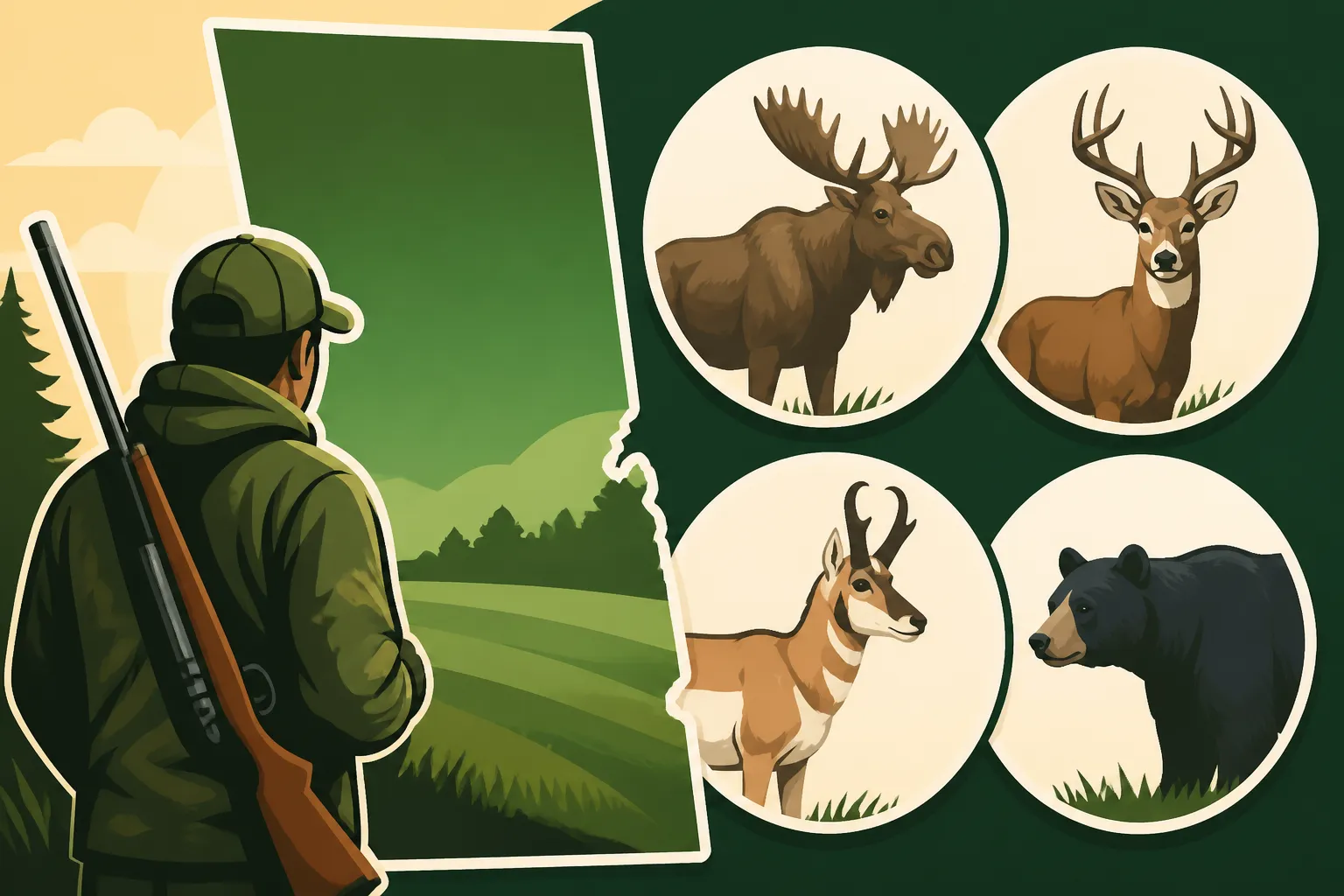
To summarize, here's a table outlining the primary big game species in Saskatchewan that typically require a draw, along with general notes on their difficulty to draw and typical habitats.
| Species | Primary Habitat | Draw Difficulty (Residents) | Non-Resident Access | Notes |
|---|---|---|---|---|
| Moose | Boreal Forest, Forest Fringe, Parkland | High | Outfitter only | Antlered tags almost exclusively draw-only. |
| Elk | Parkland, Forest Fringe, Boreal Forest | High | Outfitter only | Antlered tags are highly competitive and draw-only. |
| Mule Deer | Southern Prairie, Coulees, Badlands | Medium to High | Outfitter only | Primarily antlered bucks are draw-only in most zones. |
| Pronghorn | Southern Prairie, Open Grasslands | Very High | Outfitter only | Entirely draw-only due to sensitive populations. |
| White-tailed Deer | Forest Fringe, Parkland, Farmland, Boreal | Low to Medium (Special Draws) | Some Over-the-Counter, Outfitter for prime zones | Generally over-the-counter for antlered, but antlerless & special zones often draw-only. |
While whitetail deer are largely available over-the-counter for residents in most zones, there are specific antlerless or special permit draws for them in certain areas. However, moose, elk, mule deer (for bucks), and pronghorn are consistently the species where resident hunters must enter the draw system.
Scouting for Draw Species
Once you've secured that highly anticipated draw tag, the real work begins. Effective scouting is paramount, especially for species known for their elusive nature and specific habitat requirements. Tools like GoHunt's mapping features can be incredibly helpful in this phase, allowing you to identify potential travel corridors, bedding areas, and feeding grounds from your home. This digital scouting can save you countless hours of boots-on-the-ground work, helping you narrow down productive areas within your drawn WMZ.
For example, if you've drawn a moose tag in the northern forest fringe, you might focus on identifying old cut lines, beaver ponds, and areas with dense willows and young aspen. For elk in the parkland, scouting could involve pinpointing bluffs, dense creek bottoms, and agricultural fields they might be feeding in. Mule deer in the prairie necessitate extensive glassing of coulees and breaks to locate animals. A strong understanding of the terrain, combined with on-the-ground sign reading and trail camera use, will significantly increase your odds of a successful harvest. Remember to consult our detailed guide on Scouting a Saskatchewan Wildlife Management Zone for in-depth strategies specific to different terrains and species. Additionally, always prioritize safety when heading into the field, especially when hunting during colder months. Our guide on Hunting Saskatchewan Winter Weather Safely provides essential tips to prepare for unpredictable conditions.
Disclaimer
This guide is for informational purposes only and does not constitute legal advice. Hunting regulations in Saskatchewan can change annually. It is the hunter's responsibility to consult the most current Saskatchewan Hunters' and Trappers' Guide, published by the Ministry of Environment, or visit the official Saskatchewan hunting and fishing licence website (Saskatchewan HAL system) for the definitive and most up-to-date regulations before participating in any hunting activity.