Saskatchewan Pronghorn Draw Odds
It's incredibly frustrating, isn't it? You spend hours dreaming of chasing pronghorn across Saskatchewan's vast prairies, only to face the daunting reality of the big game draw. Getting a coveted pronghorn tag in Saskatchewan feels like winning the lottery sometimes, leaving many hunters wondering if their efforts are even worth it. This guide is here to demystify the Saskatchewan Pronghorn Draw Odds, helping you understand the system, analyze the data, and build a strategy to hopefully put you in the field with one of these incredible animals.
Understanding the Saskatchewan Big Game Draw System
Saskatchewan's big game draw system is designed to fairly allocate hunting opportunities for species with limited populations or high demand, and pronghorn certainly fit that bill. Unlike some other species where you can simply purchase an over-the-counter tag, pronghorn hunting in Saskatchewan is strictly a draw-only affair. This means you must apply during a specific window, cross your fingers, and hope your name, or more accurately, your priority pool, comes up. The system aims to ensure sustainable populations while providing a chance for all resident hunters to participate.
The biggest frustration for many is the feeling of a "black box" – you put in your application, pay your fee, and then just wait, often with little understanding of why some zones are impossible to draw and others might offer a glimmer of hope. It’s not just about luck; it’s about understanding the mechanics behind the draw and making informed choices. For new hunters, or even seasoned veterans who haven't delved into the intricacies, the draw can seem completely arbitrary.
The Importance of Priority Pools
At the heart of Saskatchewan's draw system, especially for those highly sought-after species like pronghorn, are the priority pools. These pools essentially reward persistence and give long-time applicants a better chance over time. When you apply for a draw, you're placed into one of three main pools: Legacy, Super A, or Regular. A new applicant, or someone who successfully drew a tag for that species in a previous year, will start in the Regular pool.
Each year you apply for a specific species and are unsuccessful, your priority for that species increases. This means if you’re applying for a pronghorn tag and don't draw one this year, you’ll have higher priority next year. This system is crucial because it ensures that those who consistently apply eventually get their turn. However, the catch is that if you do draw a tag for a specific species, your priority for that species resets back to zero for the following year. This mechanism prevents any single hunter from hogging tags year after year and keeps the playing field somewhat level over the long run. Understanding How Priority Pools Sort Applicants is key to navigating the system effectively.
Specific Factors Influencing Pronghorn Draw Odds
Pronghorn are truly a marvel of the prairie, found primarily in the wide-open spaces of Saskatchewan's southwest. Because their habitat is somewhat specific and their populations are carefully managed, pronghorn hunting opportunities are generally limited to specific Wildlife Management Zones (WMZs). This geographical concentration means that draw odds can vary wildly from one WMZ to another, depending on a host of local factors.
The number of tags available for pronghorn in any given WMZ is determined by wildlife biologists who assess population health, winter survival rates, and fawn recruitment. These quotas are not static; they can fluctuate year to year based on environmental conditions and biological assessments. A harsh winter, for example, might reduce the available tags for the following season, making an already tough draw even harder. Conversely, a mild winter and good fawn crop could lead to slightly more tags being issued. When you're ready to apply, checking the official Saskatchewan Big Game Draw portal for specific zone information is critical.
Analyzing Draw Data and Application Strategies
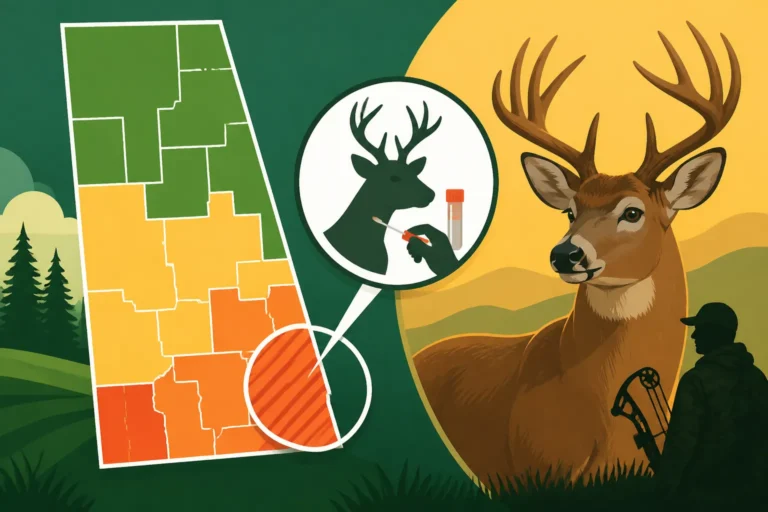
So, how do you make sense of all this? The good news is that the provincial government usually publishes past draw statistics. These statistics, often broken down by WMZ and priority pool, can offer invaluable insights. They show you how many applicants applied for a given zone, how many tags were issued, and what the lowest priority pool was that successfully drew a tag. This data is your best friend when it comes to making an informed decision. Platforms like GoHunt are excellent resources for compiling and analyzing this kind of historical draw data, allowing you to quickly compare different zones and assess your chances.
When it comes to application strategies, you've got a couple of main paths. You can go for the highly popular, historically successful WMZs, knowing full well that your odds will be slim unless you've got a high priority. These are often the zones known for Pronghorn on Saskatchewan's Southwest Grassland and bigger bucks, attracting a lot of competition. Or, you can play the long game, focusing on less popular WMZs that might have slightly better odds, especially if you’re a newer applicant in the Regular pool. Some hunters even make a point of checking Which Zones Draw Fastest for Mule Deer to get a feel for other high-demand prairie species and adjust their expectations accordingly. It’s a delicate balance between dreaming big and being realistic.
Another strategic consideration is applying as a party. While it sounds great to apply with your hunting buddies, understanding Applying as a Party in Saskatchewan's Draw is vital. Generally, if you apply as a party, the application is assigned the lowest priority among all members of that party. This means if you have high priority but your buddy has low priority, your combined application will be treated as low priority. For species with extremely tough draw odds like pronghorn, applying individually might be a better strategy if you’re focused solely on maximizing your personal chances, rather than hunting with a specific group.
Improving Your Chances in the Pronghorn Draw
Let's be honest, there's no magic bullet for drawing a pronghorn tag. But there are certainly ways to play the game smarter. The most straightforward path to improving your odds is persistence. Apply every single year for pronghorn, even if you suspect your chances are low. Each year you're unsuccessful, your priority for that species climbs, making it increasingly likely that you'll draw in a future year. This patient, consistent approach is the cornerstone of success in any draw system that uses priority points or pools. Don't let the frustration of an unsuccessful draw deter you from putting in your application When Saskatchewan's Big Game Draw Opens the following year.
For new hunters, or those who haven't built up significant priority, it might be worth considering less competitive zones or even different species as a way to get hunting experience while still accumulating priority for pronghorn. If your main goal is to get any big game tag in Saskatchewan, researching Saskatchewan Open Season Species might reveal opportunities that don't rely on the draw at all, or have much better draw odds for other species. Some tools provided by organizations like GoHunt can help you visualize these different scenarios and make an educated decision.
Finally, while the draw is largely about numbers, good scouting can give you an edge once you do draw that tag. Understanding the nuances of various WMZs and how pronghorn use the landscape, perhaps by Glassing Saskatchewan Prairie for Pronghorn or learning about Hunting Pronghorn Near a Prairie Water Hole, can help you choose the most promising zones to apply for, rather than just picking randomly. It’s not just about getting the tag; it’s about making the most of it when you do.
Here's an illustrative table to show how draw odds might change with priority, keeping in mind these numbers are for example purposes and actual odds vary annually:
| WMZ | Priority Level | Illustrative Applicants | Illustrative Tags | Illustrative Odds (Approx.) |
|---|---|---|---|---|
| 701 | First-time (Regular) | 500 | 20 | 4.0% |
| 701 | 5-9 Years (Regular) | 150 | 20 | 13.3% |
| 701 | 10+ Years (SuperA/Legacy) | 50 | 20 | 40.0% |
| 707 | First-time (Regular) | 300 | 15 | 5.0% |
| 707 | 5-9 Years (Regular) | 100 | 15 | 15.0% |
| 707 | 10+ Years (SuperA/Legacy) | 30 | 15 | 50.0% |
| 711 | First-time (Regular) | 200 | 10 | 5.0% |
| 711 | 5-9 Years (Regular) | 75 | 10 | 13.3% |
| 711 | 10+ Years (SuperA/Legacy) | 20 | 10 | 50.0% |
Please note: These are hypothetical numbers for illustrative purposes only. Actual draw odds depend on the specific WMZ, the number of applicants, and the quota for that year. Always consult the official Saskatchewan hunting guide and draw statistics for the most accurate information.
Ultimately, drawing a Saskatchewan pronghorn tag requires a blend of patience, strategy, and a little bit of luck. By consistently applying and understanding how the priority pool system works, you significantly improve your chances over time. Keep an eye on the Saskatchewan Big Game Draw Deadlines, ensure you apply annually, and consider leveraging tools like GoHunt to analyze past draw results. With a bit of perseverance, you'll eventually find yourself enjoying a hunt for these magnificent animals across the beautiful southern prairie.
Disclaimer
The information provided in this guide is for general informational purposes only and does not constitute legal advice or official hunting regulations. Hunting regulations, season dates, and draw procedures are subject to change. Always consult the official Saskatchewan Ministry of Environment hunting regulations guide and relevant government websites for the most current and accurate information before planning any hunting activity.