Saskatchewan Blaze Orange Rules
It's a frustrating situation when you're geared up for a hunt, ready to hit the field, but you're constantly second-guessing whether you're wearing the right safety gear, specifically blaze orange. The rules can feel murky, changing based on the season, the species, or even the weapon you're carrying. This guide is here to clear up all that confusion, walking you through Saskatchewan's blaze orange regulations so you can hunt confidently and, most importantly, safely.
Understanding Saskatchewan's Blaze Orange Mandate
Hunting is a cherished tradition in Saskatchewan, bringing us closer to nature and providing sustenance. But with that privilege comes a profound responsibility: safety. One of the most fundamental aspects of hunter safety, particularly during big game seasons, is the use of blaze orange. It's not just a suggestion; it's a legal requirement designed to protect every person in the field.
Why Blaze Orange is Crucial for Hunter Safety
Think about it from a purely practical standpoint. Our eyes, especially in the low light of dawn or dusk, or amidst dense brush, are naturally drawn to movement and contrasting colours. Blaze orange, a vibrant, fluorescent orange hue, stands out like a beacon against the browns, greens, and grays of the natural landscape. It's designed to be highly visible to other humans, drastically reducing the risk of a hunter being mistaken for game. This is especially vital when multiple hunting parties are in the same general area, or even when you’re hunting with a partner who might momentarily lose sight of you. It's an undeniable fact that wearing blaze orange significantly reduces hunting accidents involving misidentification. It's a simple, non-negotiable layer of protection for everyone.
Moreover, while safety is the primary driver, understanding these rules is also a matter of compliance. Ignorance of the law is never an excuse, and game wardens take blaze orange requirements very seriously. Not adhering to them can result in fines and, more importantly, could put yourself and others at unnecessary risk. It's about respecting the land, the wildlife, and your fellow hunters.
The Legal Basis: Who Needs to Wear It and When
Saskatchewan's hunting regulations, as outlined by the Ministry of Environment, clearly stipulate when and by whom blaze orange must be worn. The core of the law centers around big game hunting during any open rifle season. If you are hunting big game, such as white-tailed deer, mule deer, moose, or elk, during a season where rifles are permitted, you and anyone accompanying you (even if they aren't hunting) must wear blaze orange. This includes resident hunters, non-residents, and even youth hunters under the mentored youth hunting program. The rule is broad because the risk is universal.
The specific text often refers to "a reverse vest and headwear of blaze orange," which means not just a patch, but a substantial amount of visible material. This ensures that a hunter is visible from all angles. For instance, if you're tracking a wounded animal through thick brush, or simply moving through varying terrain, your blaze orange should be consistently visible. Many hunters consult resources like the GoHunt app or the official hunting guide to ensure they have the most up-to-date information on these regulations, as slight variations or updates can occur year to year. Keeping informed is part of being a responsible hunter.
Specific Scenarios: When Blaze Orange is Required
Navigating the various hunting seasons and species can make the blaze orange rules feel complicated, but they boil down to a few key distinctions. Understanding these specific scenarios will ensure you're always in compliance, whether you're after a trophy buck or a limit of ducks.
Big Game Hunting: Whitetails, Moose, and More
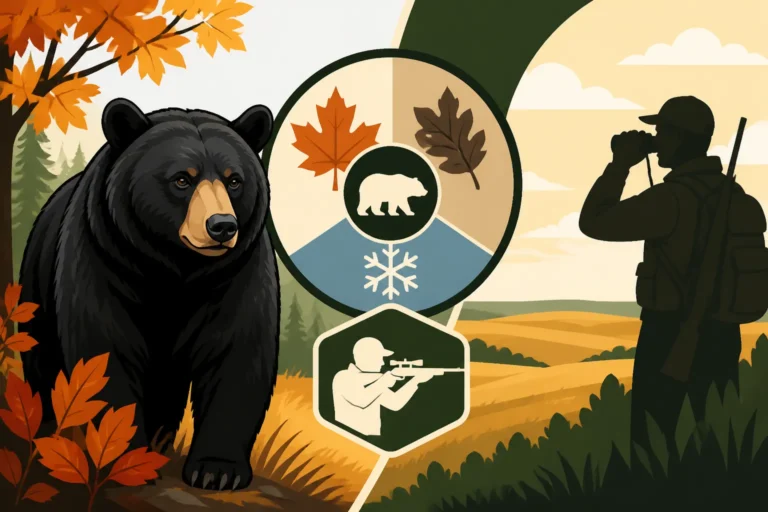
When it comes to big game in Saskatchewan, the rule of thumb is quite clear: if it's rifle season, you need blaze orange. This applies across the board for all species classified as big game, including the ever-popular white-tailed deer, impressive mule deer, majestic moose, and elusive elk. If you're out there during any of the Saskatchewan Rifle Season Dates for these animals, whether you're actively carrying a rifle, a shotgun, or even just scouting, you are required to wear blaze orange. This isn't just for the person pulling the trigger; it's for everyone present in the hunting party.
Consider a typical November whitetail hunt. The rut is in full swing, and hunters are often spread out across the landscape, from the dense forest fringe to open farmland bluffs. During this time, visibility can be reduced by snowfall, fog, or simply the natural cover. The blaze orange you wear acts as your personal billboard, shouting "I'm a human, not a deer!" to every other hunter within eyesight. This requirement underscores the significant risk associated with big game hunting, where a moment of misidentification can have tragic consequences. For detailed information on specific species and their seasons, many hunters find it useful to regularly check the official Ministry of Environment hunting guide.
Exceptions and Special Considerations for Archery Hunters
Here's where the rules often diverge, causing a bit of confusion for some. Generally, hunters participating exclusively in archery-only seasons for big game are not required to wear blaze orange. This makes sense when you consider the method of hunting: archery often demands extreme stealth, close proximity to the animal, and maximum concealment. The bright colour of blaze orange would compromise an archer's ability to get within bow range of wary big game. So, if you're out during the Saskatchewan Archery Season Dates specifically targeting deer with your bow, you can typically leave the blaze orange at home, sticking to your camouflage.
However, a critical nuance exists: if you are bowhunting during a general rifle season, or in an area where rifle hunting for big game is also permitted, then you are required to wear blaze orange, even with your bow. This situation often arises when archery seasons overlap with general firearms seasons, which can happen in various zones across the province. The logic is simple: if there are rifle hunters in the woods, everyone needs to be as visible as possible for safety. Always double-check the specific Wildlife Management Zone (WMZ) regulations for your chosen hunting area, as rules can vary slightly. You can find out more about Legal Firearms and Bows for Big Game by checking the official regulations.
Upland Birds, Waterfowl, and Small Game Rules
For many small game and bird hunters, the blaze orange requirements are a bit more relaxed, or sometimes non-existent. When you're pursuing upland birds like sharp-tailed grouse or Hungarian partridge, or waterfowl such as ducks and geese, blaze orange is typically not mandatory. The nature of these hunts is different; you're often moving through fields, flushing birds, or sitting concealed in blinds. The risk profile for misidentification by another hunter is considerably lower compared to big game hunting.
That being said, many upland bird hunters still choose to wear some blaze orange, especially a hat or a vest, particularly if they are walking up birds in areas that might also see big game activity or where visibility might be limited by tall cover. It’s a personal choice driven by an extra layer of caution. For example, if you're Walking Up Sharp-Tailed Grouse in Saskatchewan in prairie coulees that also hold deer, a blaze orange hat provides that peace of mind. For waterfowl, the goal is often concealment, so blaze orange is generally avoided. Always refer to the specific Saskatchewan Upland Bird Seasons or migratory bird regulations to confirm what's applicable for your chosen pursuit. While not legally required for these species, it’s a good practice to be aware of other hunters in the area and consider high-visibility clothing as an option.
What Qualifies as Legal Blaze Orange Attire
It's not enough to just wear any orange; the regulations specify "blaze orange," which is a distinct, fluorescent shade. This isn't just a fashion statement; it's about maximizing visibility in the field. Understanding the minimum coverage and material standards is crucial to ensure you're compliant and safe.
Minimum Coverage Requirements and Visibility Standards
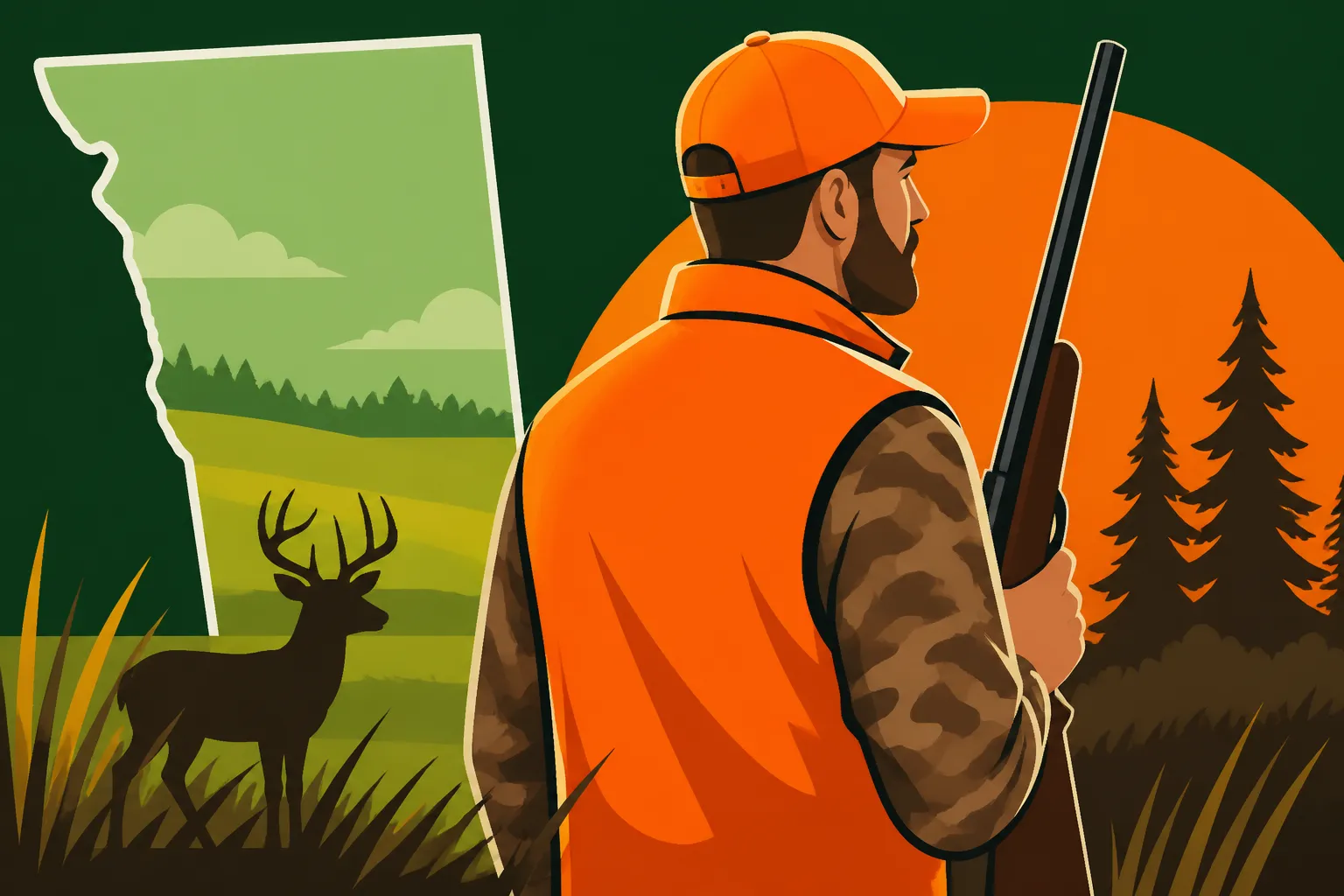
Saskatchewan regulations are quite specific about the amount and placement of blaze orange. The requirement is typically for a "reverse vest and headwear." What does this mean in practice? A reverse vest means a vest that is blaze orange on both the front and back, providing 360-degree visibility. It cannot be just a small patch or a few stripes; it needs to be a substantial garment that covers a significant portion of your torso. Similarly, the headwear must be entirely blaze orange, such as a full hat or cap, not just a small logo or band.
The intent behind this rule is to ensure that you are visible from all practical angles as you move through varying terrain and cover. If you bend over to pick something up, your vest should still be visible. If you turn your back, the reverse vest ensures you're still clearly seen. The overall goal is unmistakable identification as a human hunter, even at a distance or in challenging conditions. The best practice is to ensure your blaze orange is unobstructed by backpacks, game bags, or other gear as much as possible, though the reality of hunting means some obstruction is inevitable. Many refer to the guideline for How Much Blaze Orange Saskatchewan Requires for precise measurements and interpretations.
Materials, Colours, and Acceptable Garments
When the regulations state "blaze orange," they're not talking about just any shade of orange. It must be a fluorescent, highly visible orange. Regular orange clothing, like a construction worker's vest, while orange, might not meet the specific "blaze" fluorescent standard designed for hunting. This particular shade of orange is engineered to reflect more light, making it pop against natural backgrounds, even in low light conditions or against the dull backdrop of a grey, snowy day.
Acceptable garments include full vests, jackets, and hats. Some hunters prefer full blaze orange jackets for added warmth and protection in colder weather, which certainly fulfills the requirement. However, a vest over your regular hunting jacket, coupled with a blaze orange hat, is the most common and often practical setup. The material should be durable enough for field conditions. Companies like Sitka Gear or Browning offer high-quality blaze orange options that meet these standards, providing both compliance and comfort. When purchasing, always look for products explicitly labeled "blaze orange" or "hunter orange" to ensure you're getting the correct, legally compliant colour and reflectivity. Always ensure your chosen gear is clean and unfaded, as dingy or faded orange loses its crucial visibility.
Common Misconceptions and Hunter Responsibilities
Even with clear rules, some misunderstandings about blaze orange persist. It's important to address these and reinforce the overarching responsibility hunters have to each other and to safety. After all, the rules are there to prevent tragedies.
"Camouflage Blaze" and Other Gray Areas
One common area of confusion arises with "camouflage blaze" patterns. These patterns incorporate blaze orange but break it up with camouflage elements. While some manufacturers offer these products, and they might be popular in other jurisdictions, in Saskatchewan, the spirit and often the letter of the law emphasize solid, unobstructed blaze orange for maximum human visibility. If the camouflage elements significantly reduce the continuous, highly visible blaze orange surface area, it may not meet the "reverse vest and headwear" requirement. The goal is to make you unmistakably human, not to blend a human shape with orange.
It's always safest to err on the side of caution and opt for solid blaze orange for your vest and headwear during mandatory periods. Relying on patchy or broken-up patterns could put you in a legal grey area and, more importantly, a safety risk. When in doubt, consult the official Saskatchewan hunting regulations guide or contact the Ministry of Environment directly. Don't risk a fine or, worse, an accident, over a nuanced interpretation of a camouflaged orange pattern. Hunters often use tools like GoHunt to quickly reference regulations on their phone in the field, which can clarify these points on the spot.
Penalties for Non-Compliance and Enforcement
Ignoring blaze orange requirements in Saskatchewan is not a minor infraction; it carries real consequences. Conservation officers take these rules very seriously because they are directly tied to public safety. A hunter found not wearing the required blaze orange during a mandatory season can face significant fines. These penalties are designed to be a strong deterrent, emphasizing the importance of compliance. For instance, violating a safety regulation could lead to a fine of several hundred dollars, and repeated offenses could escalate the penalties. You can find more specific details regarding Penalties for a Hunting Violation in the provincial legislation.
Beyond the monetary fines, there's the moral and ethical cost. Failing to wear blaze orange puts not only yourself at risk but also every other hunter in the vicinity. It erodes the trust and safety that are paramount in the hunting community. Enforcement efforts often involve patrols by conservation officers, especially during peak big game seasons, who are vigilant in ensuring hunters are following all safety regulations. It's their job to keep the wilds safe for everyone, and blaze orange is a fundamental part of that.
Beyond the Law: Best Practices for Maximum Safety
While the law sets the minimum standard, true hunter responsibility goes beyond mere compliance. Think of blaze orange as the baseline for safety, but there are always additional best practices you can adopt. For example, even in situations where blaze orange isn't legally required, such as during archery-only seasons or while hunting small game, many hunters still choose to wear a blaze orange hat or an accessory. This adds an extra layer of visibility without necessarily compromising their hunting style.
Another best practice is to ensure your blaze orange is always clean and visible. Mud, dirt, or faded fabric can significantly reduce its effectiveness. Regularly wash and inspect your gear. Furthermore, if you're hunting with a group, make it a point to establish visual contact frequently and always communicate your movements. The more proactive you are about safety, the less chance of an incident. Even when scouting, it can be a good idea to wear blaze orange, especially if it's during an open hunting season. Remember that responsible hunting is a continuous process of learning and adapting, always prioritizing safety. Understanding how to responsibly interact with private land, for example, is also a critical safety consideration, as outlined in Saskatchewan Landowner Permission Law.
Strategic Use of Blaze Orange in the Field
It's common for hunters to worry that wearing blaze orange will scare off game. After all, you spend so much time trying to blend in! But the science and the experience of countless hunters tell a different story. Understanding how game animals perceive colour is key to making blaze orange work for you, not against you.
How Game Animals Perceive Blaze Orange
Here’s the fascinating part: most big game animals, like deer, moose, and elk, are largely colourblind, similar to humans with red-green colourblindness. Their vision is dichromatic, meaning they see in two primary colour ranges, primarily blues and yellows. They lack the cones in their eyes that allow humans to see reds, oranges, and greens vibrantly. To a deer, the bright, fluorescent blaze orange that screams "human!" to us, likely appears as a duller shade of grey or yellow-grey, possibly blending into the background of a cloudy sky or autumn leaves.
What they do see incredibly well is movement and contrast, especially in the blue and ultraviolet spectrum. This is why washing your hunting clothes in UV-killer detergents is often recommended, as game animals can perceive the UV brighteners in common laundry detergents. So, while your blaze orange is highly visible to other hunters, it's generally much less conspicuous to the game you're pursuing. This scientific understanding should alleviate the common concern that wearing blaze orange will inherently blow your cover. Your movement, scent, and sound are far greater factors in spooking game than your blaze orange vest.
Balancing Visibility with Concealment (where applicable)
Given that blaze orange doesn't alert game animals in the same way it alerts humans, the goal then becomes to maximize human visibility while maintaining sufficient concealment for your hunting style. For most big game hunting, especially active still-hunting or stand hunting, a solid blaze orange vest and hat provide ample visibility without hindering your success. You're counting on the animal not perceiving the colour, and your stillness or strategic positioning to keep you undetected.
The only real "balance" comes into play when you might be in an area with extremely limited human presence, or perhaps during archery-only seasons where blending into the environment is critical for very close shots. In those specific scenarios where blaze orange isn't legally mandated, hunters might opt for full camo. However, during any general season where firearms are permitted, the legal requirement and the overriding safety benefit of blaze orange far outweigh any perceived need for concealment from game. When you're Hunting Saskatchewan Winter Weather Safely, for instance, the contrast of blaze orange against snow is even more pronounced for human eyes, making it an absolute necessity. Always prioritize safety, and remember that game animals likely don't see your blaze orange the way you do. When preparing for your hunt, Scouting a Saskatchewan Wildlife Management Zone and checking the specific regulations for that area is always a smart first step. You can also gain an understanding of the layout by Reading a Saskatchewan WMZ Map Before You Go.
| Hunting Activity/Species | Blaze Orange Required | Primary Reason | Legal Enforcement |
|---|---|---|---|
| Big Game (Rifle Season) | Yes | Hunter Safety | Mandatory |
| Big Game (Archery-Only Season) | No, unless rifle season is also open | Stealth/Concealment | Mandatory if rifle season overlaps |
| Upland Birds (Shotgun) | No (recommended for visibility) | Low misidentification risk | Not mandatory |
| Waterfowl (Shotgun) | No | Concealment for decoy hunting | Not mandatory |
| Small Game (Rifle/Shotgun) | No (recommended for visibility) | Lower risk than big game | Not mandatory |
| Scouting during Rifle Season | Yes | General safety in active hunting areas | Mandatory |
Disclaimer
Please note that while this guide provides comprehensive information, hunting regulations are subject to change. It is always the hunter's responsibility to consult the most current Saskatchewan hunting regulations guide published by the Ministry of Environment before heading into the field. This guide is for informational purposes only and does not supersede official government regulations.