Saskatchewan Upland Bird Seasons
It's no secret that Saskatchewan holds an almost mythical status for waterfowlers, but what many hunters might not realize is just how incredible our province is for upland birds. If you've ever felt overwhelmed by trying to figure out where to go, what to hunt, and when you can actually hunt it, you're certainly not alone. This guide is here to untangle the complexities of Saskatchewan's diverse upland bird seasons, covering the most popular species, their habitats, and the crucial regulations you need to know for a rewarding experience.
Understanding Saskatchewan's Upland Bird Landscape
Saskatchewan is a mosaic of habitats, each offering unique opportunities for upland bird hunting. From the vast, undulating prairie grasslands to the dense, sprawling boreal forest, and the transitional aspen parkland in between, the province supports a healthy population of several sought-after species. This diversity is what makes upland hunting here so special, but it also means understanding which birds thrive where, and how their seasons are structured.
The Diverse Habitats of Saskatchewan Upland Birds
Our province truly is a land of contrasts, and these contrasts are directly reflected in where you'll find different upland birds. In the southern and central parts of the province, you're firmly in prairie and parkland territory. This is the domain of the sharp-tailed grouse, often found in native prairie, stubble fields, and around brushy coulees. Hungarian partridge, or "Huns" as we affectionately call them, also prefer this open farmland, often congregating along shelterbelts, field edges, and abandoned farmsteads. These areas, characterized by their mixed agricultural and grassland landscapes, provide the perfect blend of food, cover, and nesting sites.
As you move northward, the landscape gradually shifts into the Aspen Parkland, a transitional zone of trembling aspens, willow thickets, and small wetlands. This "forest fringe" environment begins to introduce you to the ruffed grouse, a bird that absolutely thrives in denser deciduous cover. Further north still, deep into the Boreal Forest, the habitat becomes even more specialized. Here, you'll encounter spruce grouse, which prefer coniferous forests, and in the far reaches, ptarmigan, which are found in tundra and sub-arctic zones, particularly around rocky outcrops and stunted vegetation. Understanding these habitat preferences is your first step to finding birds and making the most of your hunting efforts.
Why Saskatchewan is an Upland Bird Mecca
The sheer abundance of upland birds in Saskatchewan isn't just a happy accident; it's a testament to the province's diverse and productive ecosystems, coupled with sustainable wildlife management practices. We have vast tracts of undisturbed native prairie, countless miles of productive agricultural land, and immense forests that provide crucial habitat for these species. Unlike some more densely populated regions, Saskatchewan still offers relatively unpressured hunting opportunities, especially if you're willing to venture off the beaten path a bit.
The land itself is incredibly fertile, meaning excellent food sources for birds throughout the year. Abundant insects in the summer, followed by seeds, berries, and grain through fall and winter, allow bird populations to flourish. The varied cover, from tall grass to dense bush and shelterbelts, provides protection from predators and the harsh prairie weather. Plus, the hunting culture here is strong but respectful, with many landowners often willing to grant access to ethical hunters who ask politely. All these factors combine to create an upland bird hunting experience that is genuinely world-class. You'll understand why many consider Saskatchewan's Upland Birds a true treasure.
Common Challenges for Upland Bird Hunters
While Saskatchewan offers incredible opportunities, it's not without its challenges. One of the biggest hurdles, especially for those new to the province, is simply finding birds. Our landscape is vast, and without local knowledge or good scouting tools, it can feel like looking for a needle in a haystack. Birds can be incredibly nomadic, shifting their locations based on food availability, weather patterns, and hunting pressure. You might scout a perfect field one week, only to find it empty the next.
Another common frustration is securing access to private land. While many landowners are accommodating, it still requires effort, time, and respectful communication to gain permission. Getting Permission for a Goose Field often involves the same principles that apply to upland bird hunting, so that article can give you a head start. Weather can also be a major factor; early season can be warm and dry, making dogs quickly tire and scenting difficult, while late season can bring deep snow and biting cold, requiring specialized gear and safety precautions. Lastly, navigating the specific regulations for each species and zone can be a headache, especially with daily bag limits and possession limits varying. It requires diligent research and attention to detail to stay compliant.
Key Upland Bird Species and Their Seasons
Saskatchewan is home to several fantastic upland game bird species, each offering a unique hunting experience. Knowing their habits, preferred habitats, and especially their season dates and limits is paramount to a successful hunt. The general framework for Saskatchewan Game Bird Seasons and Limits provides an excellent overview, but let's dive into the specifics for our most popular upland targets.
Sharp-Tailed Grouse: The Prairie Icon
The sharp-tailed grouse is arguably Saskatchewan's most iconic upland bird, synonymous with our prairie and parkland landscapes. These beautiful birds are renowned for their explosive flush and challenging flight patterns. You'll typically find them in native grassland, brushy draws, around sloughs, and often feeding in stubble fields, particularly those with pea or wheat residues. They prefer areas where taller grasses and shrubby cover meet open ground.
The season for sharp-tailed grouse generally opens in mid-September and runs through until mid-December, though exact dates can vary slightly by wildlife management zone (WMZ). Daily bag limits are usually generous, often around 6 birds per day, with a possession limit of 18. Hunting sharptails often involves a lot of walking, either pushing brushy cover or working fields with a good dog. They hold fairly well for pointing dogs, but can be flushy when approached too quickly. If you're keen to learn more about specific techniques, check out our guide on Walking Up Sharp-Tailed Grouse in Saskatchewan. Always be aware of your surroundings, as coveys can flush in multiple directions, creating exciting but challenging shooting opportunities.
Hungarian Partridge: The Farm-Country Rockets
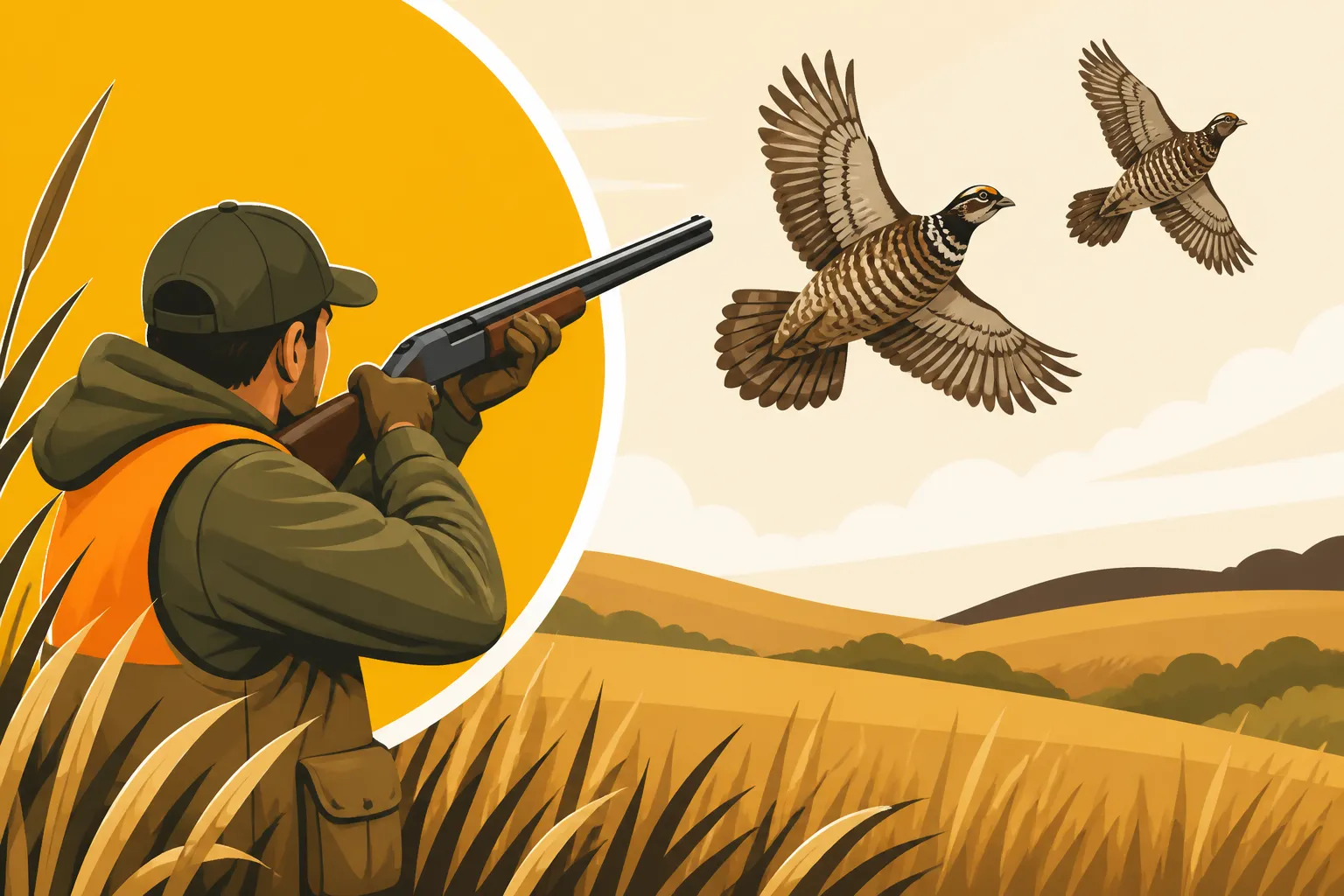
Hungarian partridge are small, fast, and incredibly fun to hunt. Often called "Huns," these birds are true survivors, thriving in the agricultural landscapes of central and southern Saskatchewan. You'll find them primarily along field edges, especially those bordering shelterbelts, fence lines, and stubble fields. They often feed on waste grain and weed seeds, and their camouflage blends perfectly with the drab colors of harvested fields.
The Hun season typically opens around mid-September, coinciding with sharp-tailed grouse, and extends into December. Daily bag limits are usually quite generous, often 8 birds per day, with a possession limit of 24. Hunting Huns often involves driving grid roads and spotting coveys on the ground, then getting out to make a stalk. They are notorious for running before flushing, making a good dog invaluable for pinning them down. When they do flush, they erupt like rockets, flying low and fast, presenting a tough shot. For more targeted strategies, take a look at our guide on Hunting Hungarian Partridge on Saskatchewan Farms. Be prepared for long walks and quick shots!
Ruffed Grouse: The Forest Drummer
As you head into the mixedwood forests of the parkland and boreal fringe, the ruffed grouse becomes your primary target. Known for their distinctive "drumming" display in spring, these birds offer a completely different hunting experience than their prairie cousins. Ruffed grouse prefer dense deciduous and mixed forests, particularly areas with young aspen, willow, and alder thickets, often found along old logging roads, creek bottoms, and bush trails.
The ruffed grouse season typically opens earlier than sharptails and Huns, often in early September, and can run well into December. Daily bag limits are usually 5 birds, with a possession limit of 15. Hunting ruffed grouse is often an immersive experience in the bush, walking slowly, scanning for movement, and listening for the telltale flush. They can be incredibly camouflaged, blending seamlessly with the forest floor. A flushing dog can be a huge asset in getting these birds airborne. If you want to dive deeper into finding these forest birds, our article on Ruffed Grouse Hunting Saskatchewan's Bush Trails offers some great pointers. They provide challenging shooting in often dense cover, making every bird earned a true trophy.
Spruce Grouse and Ptarmigan: Northern Specialists
For the more adventurous upland hunter, Saskatchewan's northern reaches offer opportunities for spruce grouse and ptarmigan. Spruce grouse are denizens of the deep boreal forest, preferring mature coniferous stands, particularly black spruce and jack pine. They are often incredibly "tame" or unwary, earning them the nickname "fool hens." Their season aligns with ruffed grouse in many northern zones, with similar bag limits. Hunting them usually means venturing deeper into the wilderness, often along cutlines or trapper trails in remote areas.
Ptarmigan, on the other hand, are true arctic specialists, found only in the far northern reaches of Saskatchewan where tundra and sub-arctic conditions prevail. They undergo a remarkable plumage change, turning pure white in winter for camouflage. Their season typically starts in September and can run into March, reflecting the long northern winter. Hunting ptarmigan is a genuine wilderness experience, often requiring float plane access or extensive travel by snowmobile. While not as commonly pursued by the casual hunter, these birds offer a truly unique and challenging hunt for those willing to brave the northern elements.
Here's a quick overview of the main upland bird seasons and limits in Saskatchewan:
| Species | Typical Season Start | Typical Season End | Daily Bag Limit | Possession Limit | Preferred Habitat |
|---|---|---|---|---|---|
| Sharp-Tailed Grouse | Mid-September | Mid-December | 6 | 18 | Native prairie, stubble fields, brushy coulees |
| Hungarian Partridge | Mid-September | Mid-December | 8 | 24 | Farm fields, shelterbelts, fence lines |
| Ruffed Grouse | Early September | Mid-December | 5 | 15 | Deciduous/mixed forests, bush trails |
| Spruce Grouse | Early September | Mid-December | 5 | 15 | Coniferous forests, jack pine stands |
| Ptarmigan | Mid-September | March | 10 | 30 | Tundra, sub-arctic, rocky areas (Far North) |
Note: Specific dates and limits can vary by Wildlife Management Zone (WMZ) and year. Always consult the current Saskatchewan Hunters' and Trappers' Guide.
Navigating Licensing and Regulations for Upland Birds
Understanding the rules and securing the proper permits is non-negotiable for any hunter. Saskatchewan has a clear system for licensing and regulations, but it requires careful attention to detail to ensure you're hunting legally and safely. Don't let the paperwork deter you; it's a vital part of responsible hunting.
Essential Licences and Permits
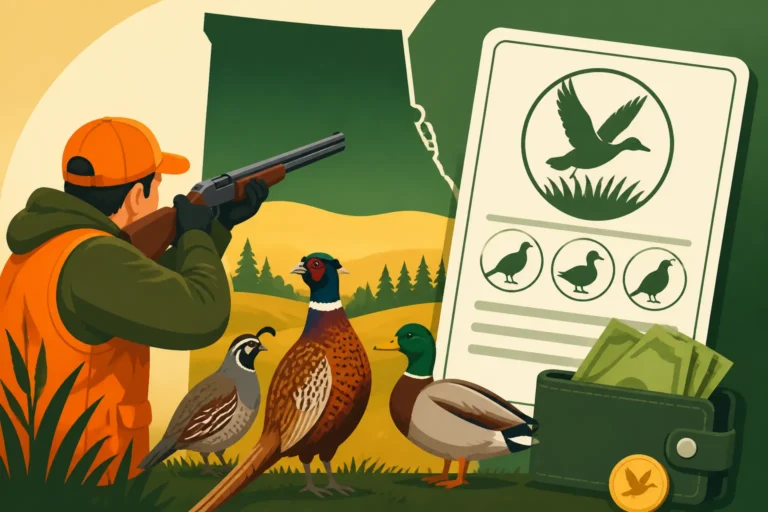
Before you even step foot in the field, you'll need to make sure your paperwork is in order. For all resident hunters in Saskatchewan, the first step is to have a valid Wildlife Habitat Certificate. This annual certificate is a mandatory purchase for all hunting and trapping licences and contributes directly to habitat conservation efforts in the province. Following that, you'll need a Saskatchewan Game Bird Licence. This single licence covers all resident upland game birds and migratory game birds (ducks, geese, cranes) in Saskatchewan, making it fairly straightforward. Non-residents, however, have different requirements, typically needing to hunt with a licensed outfitter for many big game species, though bird hunting rules have specific non-resident options.
All licences are managed through Saskatchewan's Hunting, Angling and Trapping Licence (HAL) account system. If you don't have one, setting up a Saskatchewan's HAL Account and Licensing is your starting point. You'll need your Saskatchewan Hunter Number, which is assigned after completing your hunter education course. It's crucial to purchase your licences and permits before you go hunting, as digital copies often need to be carried or easily accessible on your phone. Always double-check the expiry dates of your licences, as they are typically valid for a specific licence year, not a full 12 months from purchase.
Understanding Daily Bag and Possession Limits
Daily bag and possession limits are in place to ensure sustainable harvesting and prevent overhunting. The daily bag limit is the maximum number of a particular species you can harvest in one day. The possession limit is the maximum number of a particular species you can have in your possession at any given time, whether that's in your cooler, freezer, or vehicle. This includes birds that have been processed and stored at home. For upland birds, these limits can vary by species, as seen in the table above, so it's critical to know them for each bird you intend to pursue.
For example, if the daily limit for sharp-tailed grouse is 6 and the possession limit is 18, you could theoretically shoot 6 on day one, 6 on day two, and 6 on day three, and then you would be at your possession limit. You could not shoot another sharp-tailed grouse until some of your current possession has been consumed or given away according to regulations. These limits are not suggestions; they are strictly enforced. Always consult the official Saskatchewan Hunters' and Trappers' Guide for the most current and specific regulations for the WMZ you plan to hunt, as they can occasionally change year to year.
Important Gear and Safety Regulations
Beyond licences, there are critical gear and safety regulations that all upland bird hunters must adhere to. First and foremost is the requirement for wearing blaze orange. Saskatchewan law dictates that all big game hunters and those accompanying them must wear a minimum amount of blaze orange above the waist and visible from all sides. While upland bird hunting doesn't always have the same strict requirements as big game, it's always a good idea, especially when hunting with others, to wear a blaze orange vest or hat to enhance visibility and safety. The article on Saskatchewan Blaze Orange Rules can give you precise details on the requirements.
You'll also need to ensure your firearm is legal for game bird hunting. Generally, shotguns are the weapon of choice, and federal regulations regarding shot capacity (typically 3 shells total in the magazine and chamber for migratory birds, though less restrictive for upland) apply. Non-toxic shot is not required for upland birds in Saskatchewan, unlike for migratory birds, but many hunters choose to use it for environmental reasons. Always treat every firearm as if it's loaded, keep the muzzle pointed in a safe direction, and be absolutely certain of your target and what lies beyond it before taking a shot. Additionally, if hunting on a particularly cold day, be sure to read up on Hunting Saskatchewan Winter Weather Safely to avoid any mishaps.
Strategies for a Successful Upland Bird Hunt in Saskatchewan
Upland bird hunting is an active pursuit that often involves a combination of scouting, persistence, and adapting your tactics to the birds and the environment. It's rarely a sit-and-wait game; you've got to cover ground and be ready when the action happens.
Scouting and Habitat Identification
Effective scouting is the backbone of any successful upland bird hunt. You can't just drive around hoping to stumble upon birds; you need a plan. Before the season, or even during the summer months, drive secondary roads and grid roads, looking for areas that scream "bird habitat." For sharp-tailed grouse, focus on large tracts of native grass, the edges of stubble fields, and brushy coulees. For Huns, look for shelterbelts, old farm sites, and areas where crops meet dense cover. Ruffed grouse will be in denser bush, often along trails or cutlines.
Satellite imagery, easily accessible through apps like GoHunt, is an invaluable tool for armchair scouting. You can identify potential cover, field types, and access points without leaving home. GoHunt allows you to layer property ownership, which is crucial for determining where you might need to seek permission. Look for the "edges"—where different habitat types meet—as these are often prime locations for birds. Once you're on the ground, look for actual bird sign: tracks in dusty roads, droppings, and dusting bowls. Early mornings and late evenings are often the best times to spot birds feeding or moving between cover, giving you clues for where to hunt later. You can also gain significant insight by checking out Scouting With Satellite Imagery in Saskatchewan.
Hunting Techniques for Different Species
Different birds require different approaches. For sharp-tailed grouse and Hungarian partridge in open country, a popular method is road hunting or "spot and stalk." Drive slowly along grid roads, constantly scanning fields and edges with binoculars. When you spot a covey, park safely, plan your approach, and try to get within shooting range. This often means a long walk, trying to keep any cover between you and the birds. Remember, Huns are prone to running, so a quick, decisive approach can sometimes be more effective than a slow stalk.
For ruffed grouse in denser bush, it's more about still-hunting or walking slowly through prime cover. Look for old trails, creek beds, or areas with thick undergrowth. Pause frequently, listen, and scan for subtle movement. A sudden flush will often be your first indication a bird is present. These birds are quick, so developing fast reflexes and knowing your shotgun's swing is key. Regardless of the species, always walk with your gun in a ready, but safe, position, and be prepared for that sudden, heart-stopping flush.
Working with Dogs for Upland Birds
For many, upland bird hunting is synonymous with hunting over a well-trained dog. A good bird dog can elevate your success rate and greatly enhance the enjoyment of the hunt. Pointing breeds like German Shorthaired Pointers, English Pointers, and Brittanys are fantastic for sharp-tailed grouse and Huns, using their keen noses to locate birds and "lock up" on point, allowing the hunter to walk in for the flush. Our article on Using a Pointing Dog on Saskatchewan Prairie dives into this method. The dog's ability to hold a point on running Huns, or to find a single sharp-tail in thick cover after the covey has dispersed, is invaluable.
Flushing breeds like Springer Spaniels and Labradors excel in thicker cover, pushing birds out of dense bush for ruffed grouse. Their relentless drive and ability to crash through heavy cover can be exactly what's needed to get those tight-holding birds airborne. Remember, a dog is also crucial for retrieving downed birds, preventing lost game and ensuring a clean harvest. Before bringing your dog into the field, ensure they are well-conditioned, hydrated, and protected from burrs, foxtails, and other hazards.
Beyond the Basics: Conservation and Ethics
Hunting in Saskatchewan is a privilege, and with that privilege comes the responsibility to act ethically, respect the land and its owners, and contribute to the conservation efforts that make our abundant wildlife possible.
Respecting Landowners and Posted Land
The vast majority of hunting in Saskatchewan takes place on private land, which means gaining permission from landowners is absolutely essential. The general rule is simple: always ask for permission before you hunt on private land. Even if land appears unposted, it is still considered private property. Knock on doors, introduce yourself, explain what you want to hunt, and always be respectful of their property and their decision, whether it's a "yes" or a "no." Building a good relationship with landowners can open up opportunities for years to come. Many farmers appreciate hunters who respect their land and property.
Be mindful of posted land signs. Saskatchewan law requires specific wording for "Posted" signs to be legally binding, but generally, if a sign indicates "No Hunting," "No Trespassing," or requires "Permission to Hunt," you must abide by it. You can learn more about specific rules around posted land and what those signs mean. GoHunt maps can often indicate property lines, but always verify on the ground. Leave gates as you found them (open or closed), avoid driving on wet fields, pack out all your trash, and if you accidentally damage anything, report it immediately.
Practicing Ethical Hunting and Meat Care
Ethical hunting goes beyond simply following the rules; it's about respecting the animals you pursue and ensuring a humane harvest. This means knowing your effective shooting range, practicing regularly to ensure proficiency with your firearm, and only taking clean, ethical shots. Wounded birds that escape are a waste of a resource, so strive for quick, clean kills.
Once a bird is downed, retrieve it as quickly as possible, especially if you're using a dog, to prevent suffering and loss. Field dress your birds promptly, particularly on warmer days, to ensure the meat cools down and maintains its quality. Remove the guts and keep the birds cool, ideally in a cooler with ice, until you can get them home for plucking and processing. Proper meat care is not just about taste; it's a sign of respect for the animal and the sustenance it provides. Meat Care in Saskatchewan's Cold Snaps can offer good advice even for birds, especially late season.
The Role of Conservation in Upland Bird Hunting
Every hunter in Saskatchewan plays a direct role in conservation. When you purchase your Wildlife Habitat Certificate and Game Bird Licence, a portion of those funds goes directly into conservation initiatives, including habitat protection, enhancement, and wildlife research. Organizations like the Saskatchewan Wildlife Federation also work tirelessly to conserve wildlife and promote ethical hunting practices, often acquiring and managing land for public hunting and wildlife.
By adhering to bag limits, respecting seasons, and supporting conservation organizations, hunters contribute to the health and sustainability of our upland bird populations. It's about ensuring that future generations will also have the opportunity to experience the thrill of a covey flush and the satisfaction of a successful hunt. Responsible hunting isn't just a pastime; it's a commitment to the wild places and creatures we cherish.
Disclaimer
Please note: Hunting regulations, season dates, and limits are subject to change. Always consult the most current Saskatchewan Hunters' and Trappers' Guide published by the Saskatchewan Ministry of Environment before planning any hunting trip. This guide is for informational purposes only and does not supersede official government regulations.