The CWD Head Submission Deadline
It’s a unique mixture of excitement and responsibility when you successfully harvest a deer in Saskatchewan. But amidst the thrill of a successful hunt and the work of getting your animal cared for, there's a crucial step that sometimes feels like an extra chore: submitting a head for Chronic Wasting Disease (CWD) testing. Missing the deadline or misunderstanding the process can be incredibly frustrating, not to mention potentially impact herd health, which is why this guide is here to walk you through everything you need to know about the CWD head submission deadline in Saskatchewan, ensuring you play your part in wildlife management responsibly.
Understanding Chronic Wasting Disease and Its Importance
Chronic Wasting Disease (CWD) is one of those topics that can sound a bit scary, and rightly so. It's a real concern for our deer, elk, and moose populations here in Saskatchewan, and understanding it is the first step in helping to manage its spread.
What is CWD and Why Does it Matter to Hunters?
At its core, CWD is a progressive, fatal neurological disease that affects cervids – that’s deer, elk, moose, and caribou. It's part of a group of diseases called Transmissible Spongiform Encephalopathies (TSEs), similar to "mad cow disease" in cattle. What makes CWD particularly concerning is that there's no known cure, and once an animal contracts it, it will eventually die. The disease causes characteristic lesions in the brain, leading to symptoms like drastic weight loss (hence "wasting"), stumbling, listlessness, excessive salivation, and behavioral changes. It’s truly heartbreaking to see an animal suffering from it.
For us as hunters, CWD matters immensely because we are often the first line of defense and observation. We spend countless hours in the field, observing deer behavior and handling game. When we submit heads for testing, we provide crucial data that helps the Ministry of Environment track the disease's prevalence and distribution. While there's no definitive scientific evidence that CWD can spread to humans, public health officials universally recommend against consuming meat from CWD-positive animals. It's a risk none of us want to take. Our participation helps protect the health of our wildlife and, by extension, our own families. This is a critical component of responsible Saskatchewan's CWD Testing Rules.
The Mandatory Testing Zones in Saskatchewan
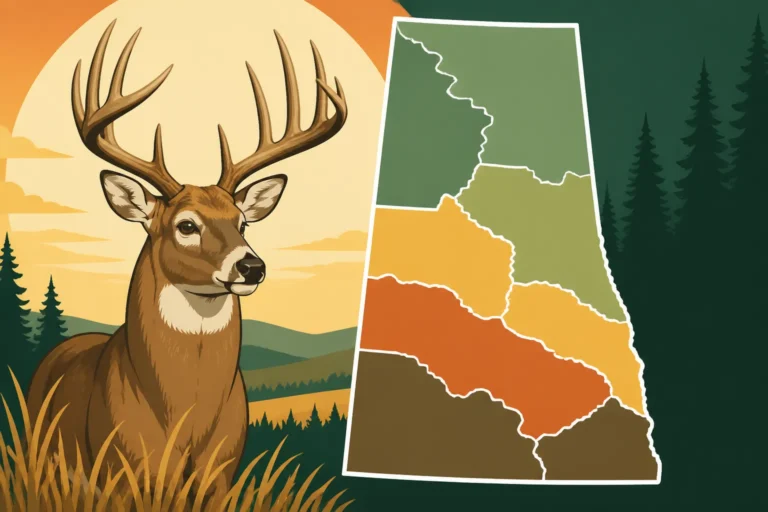
Saskatchewan is a big province, and CWD isn't evenly distributed everywhere. To focus surveillance efforts where they're most needed, the Ministry of Environment has designated specific Wildlife Management Zones (WMZs) where CWD testing is mandatory for certain species. It's not just a suggestion in these areas; it's a legal requirement if you harvest an animal. These zones are typically areas where CWD has been detected at higher rates, or where there's a strategic need for more data collection to understand its spread.
This means before you even head out for your hunt, you need to know what WMZ you'll be hunting in and if it falls within the mandatory testing areas. For instance, many WMZs in the southern and central parts of the province, particularly those with a history of CWD, often have mandatory testing for mule deer and white-tailed deer. The reasoning behind these specific zone designations is usually tied to disease prevalence data collected from previous years. When you're planning your hunt, a tool like GoHunt or checking the Ministry’s official hunting guide can clearly show you Which Saskatchewan Zones Require CWD Testing. Knowing this information upfront can save you a lot of headaches later on. Always check the current year's hunting guide as these zones can sometimes be adjusted based on the latest CWD surveillance results.
Navigating Saskatchewan's CWD Head Submission Process
So, you've harvested an animal in a mandatory CWD zone, or you're just a conscientious hunter who wants to contribute to the data even in a voluntary zone. What now? The submission process can feel a bit daunting if you've never done it, but it's quite straightforward once you know the steps.
Key Deadlines for Submitting CWD Samples
This is where the rubber meets the road: the deadline. For the 2023 hunting season, the mandatory CWD head submission deadline in Saskatchewan is January 21, 2024. This date applies to all cervids harvested in mandatory CWD surveillance zones. Missing this deadline isn't just an oversight; it can have legal ramifications. You could face fines or other penalties if you fail to submit a head from a mandatory zone by the specified date. Beyond that, it also impacts the Ministry's ability to get a clear picture of CWD prevalence, which ultimately hinders effective management strategies.
Even if you hunt in a voluntary CWD submission zone, the Ministry encourages submissions, and these are typically accepted until January 31, 2024. While not mandatory, participating voluntarily is a huge help to the research and management efforts. Imagine if every hunter took the time – the data collected would be invaluable. It's a small effort that contributes to the long-term health of our White-Tailed Deer, Saskatchewan's Signature Animal and other species. Planning your hunt and meat processing around these dates is essential. It's worth noting that if you're dealing with a very late-season harvest, perhaps during Hunting the December Late Season Cold, you'll need to be extra diligent about getting that head submitted promptly.
Here’s a quick overview of the deadlines:
| Submission Type | Species & Zones | Deadline | Notes |
|---|---|---|---|
| Mandatory Submission | All cervids (deer, elk, moose) from designated WMZs | January 21st | Legally required; penalties for non-compliance. |
| Voluntary Submission | Any cervid from non-mandatory WMZs | January 31st | Highly encouraged to aid CWD surveillance. |
| Antlerless Deer Draws | Specific Antlerless Deer tags in some WMZs | January 21st | Check your draw results for specific instructions. |
(Note: Dates are based on the 2023 hunting season; always confirm with the current Saskatchewan Hunting and Trapping Guide.)
Where and How to Submit a Deer Head for Testing
Once you've got your animal and know you need to submit the head, the next question is, "Where do I take it?" Saskatchewan has a network of designated drop-off locations across the province, typically at Ministry of Environment field offices or through authorized private depots, often local butcher shops or taxidermists who are partnered with the Ministry for sample collection. These locations are usually well-advertised in the annual hunting guide and on the Ministry’s website. When using a tool like GoHunt to plan your hunt, you might even find information about nearby submission sites integrated into their mapping features.
Preparing the head for submission is crucial to ensure a good sample. Here's what you need to do:
- Remove the hide: The hide should be removed from the head, usually up to the base of the skull.
- Tag it properly: Attach your valid hunting tag to the carcass (or antler, if applicable) and ensure it's secure. You will also need to fill out a CWD submission form, available online or at drop-off locations. This form requires details like your name, contact information, WMZ of harvest, species, sex, and date of harvest. Accuracy here is vital for the data.
- Keep it cool: If you're not submitting immediately, keep the head cool or frozen. The brainstem needs to be intact for testing, and decomposition can compromise the sample.
- Antlers: If you plan to keep the antlers, you can either drop off the entire head and arrange to pick up the skull plate later (check with the specific drop-off site) or remove the skull cap yourself, ensuring the brainstem remains intact and attached to the portion being submitted. Most taxidermists know exactly how to do this if you're getting a mount. You just need to leave enough of the skull, including the brainstem, for testing. Remember, it's the brainstem the scientists need to examine.
When you drop off your sample, ensure you get a confirmation or receipt. This proves you met the The CWD Head Submission Deadline and provides reference if you need to follow up on results.
What Happens After Submission: Results and Next Steps
The waiting game begins after you've made your submission. It can feel like forever, especially if you have a freezer full of meat waiting for the all-clear. Knowing what to expect can help ease some of that anxiety.
How Long Until You Get Your Saskatchewan CWD Result?
Once your deer head is submitted, it goes into a queue at the lab. The turnaround time for CWD test results can vary quite a bit, depending on the volume of samples received. Typically, you can expect results within several weeks, but during peak hunting season or if there's a surge in submissions, it could take longer. The Ministry understands hunters are eager for their results, especially before processing and consuming meat.
You'll usually be notified of your results in a couple of ways. Many hunters can check their status online through the Ministry's CWD testing portal, often accessible via their HAL account. You might also receive notification by mail or email, depending on what contact information you provided on your submission form. It’s a good idea to ensure your contact details are up-to-date on your HAL account for prompt communication. While waiting for results, it's prudent to store your meat safely in a freezer. This way, if you get a positive result, you haven't processed or consumed potentially contaminated meat. Keep an eye on the Ministry’s website or your GoHunt app for any general announcements regarding processing times or delays in Getting Your Saskatchewan CWD Result.
What to Do With a Positive CWD Result
Receiving a positive CWD test result can be disappointing, to say the least. It's a bummer when you put in all that effort, but it's important to act responsibly. The Ministry of Environment will contact you directly if your animal tests positive. They will provide specific instructions on how to handle the carcass and meat. The most crucial directive is this: Do not consume any meat from an animal that has tested positive for CWD. This is for your own safety and the safety of others, even with the current lack of definitive human health links.
You'll be advised on proper disposal methods for the carcass. This usually involves double-bagging the meat and offal and taking it to a designated landfill or working with the Ministry for specific disposal guidance. Moving a CWD-positive carcass between zones is generally prohibited to prevent further spread of the prions (the infectious proteins that cause CWD). It's an unfortunate outcome, but adhering to these guidelines is a vital part of containing the disease and protecting our future hunting opportunities. This also highlights the importance of timely submission and waiting for results before processing large quantities of meat or transporting it widely. For more details on the procedures, refer to What to Do With a Positive Result.
Beyond the Deadline: Best Practices for CWD Prevention
While meeting the submission deadline is a critical component of CWD management, our responsibility as hunters extends far beyond that. Proactive measures in the field and good habits can significantly reduce the risk of spreading this persistent disease.
Responsible Carcass Management and Field Dressing
How we handle our harvested animal in the field can make a huge difference in CWD prevention. The infectious prions are concentrated in certain tissues, particularly the brain, spinal cord, lymph nodes, and spleen.
When you're field dressing, try to leave these high-risk parts at the kill site, especially if you're in a known CWD-positive area. This means you might gut the animal and remove the head (ensuring the brainstem is available for testing), leaving the spine and other nervous tissue behind. This minimizes the chance of transporting infectious material to other areas or contaminating processing facilities.
If you absolutely must transport the entire carcass, be aware of the rules concerning Moving a Carcass Between Zones. Saskatchewan has specific regulations about which parts of an animal can be moved from CWD-positive zones to other areas. Generally, only deboned meat, skull caps (cleaned of all tissue), antlers, and hides (cleaned of all tissue) can be moved. Whole carcasses, spinal columns, or brains are typically restricted. Always clean your knives, saws, and other field dressing tools thoroughly with a bleach solution (e.g., 50/50 bleach and water) after handling any cervid, especially if you're moving between hunting areas. This small step can prevent accidental cross-contamination.
What Hunters Can Do to Help Reduce CWD Spread
Beyond proper carcass management, there are other ways we can all contribute to mitigating CWD:
- Continue to Participate in Testing: Even in voluntary zones, every sample provides valuable data. The more eyes and hands on the ground, the better understanding we have of the disease. Consider making CWD testing a routine part of your harvest process.
- Do Not Feed Wild Deer: This is a big one. Providing supplemental feed or minerals can concentrate deer populations in one area, increasing the chances of CWD transmission between animals. It also habituates them to human presence, which isn't good for them or us. Let wild animals find their natural forage.
- Report Sick or Unusual Animals: If you see a deer, elk, or moose exhibiting symptoms consistent with CWD – appearing emaciated, disoriented, or overly tame – contact your local Ministry of Environment office or the Turn In Poachers (TIP) line immediately. Don't approach or handle the animal, but provide as much detail as possible about its location and behavior. Your observations are incredibly important for monitoring disease spread.
- Educate Others: Share what you know about CWD with fellow hunters and landowners. The more informed our community is, the better we can collectively respond to this challenge. Understanding How Many Saskatchewan Zones Have CWD and the impact of the disease helps everyone take it seriously.
By working together, adhering to regulations, and adopting these best practices, we can all play a vital role in protecting Saskatchewan's incredible wildlife heritage for generations to come.
Disclaimer
The information provided in this guide is for general informational purposes only and is subject to change. While we strive to be accurate, hunting regulations and CWD protocols are updated regularly by the Saskatchewan Ministry of Environment. Always consult the official Saskatchewan Hunters and Trappers Guide and the Ministry of Environment's website for the most current and authoritative information before planning your hunt.