Ptarmigan Season in the Far North
Venturing into Saskatchewan's vast northern reaches for ptarmigan is an experience unlike any other upland bird hunt, but it comes with its own set of challenges, from understanding the subtle nuances of these incredible birds to navigating the remote, often unforgiving landscape. This guide will walk you through everything you need to know about the ptarmigan season in Saskatchewan's far north, from identifying the species to tackling the specific regulations and gearing up for an unforgettable adventure.
Understanding Ptarmigan in Saskatchewan's Far North
The ptarmigan is a truly unique game bird, perfectly adapted to the harsh, cold environments of the sub-arctic and arctic. Hunting them up north isn't just about bagging a bird; it's about immersing yourself in a wild, pristine landscape and experiencing a hunt that demands patience, keen observation, and robust preparation.
The Three Ptarmigan Species and Their Ranges
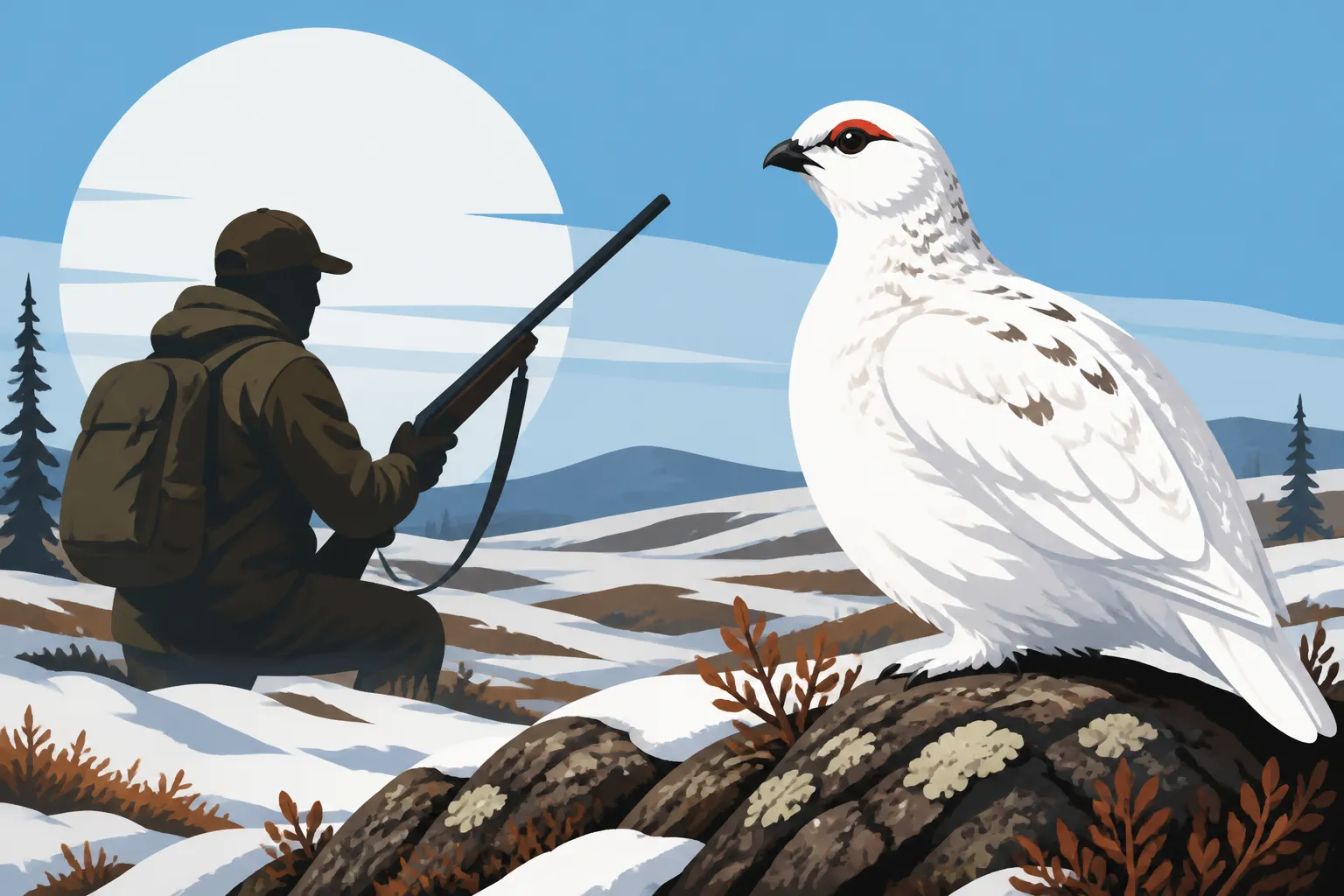
While often referred to collectively, North America is home to three distinct species of ptarmigan: the Willow Ptarmigan, Rock Ptarmigan, and White-tailed Ptarmigan. In Saskatchewan's far north, you'll primarily encounter the Willow and Rock Ptarmigan. The Willow Ptarmigan (Lagopus lagopus) is the largest of the three, favoring willow and birch thickets, especially along river valleys and treeline transitions. They're often found in denser shrubby cover. The Rock Ptarmigan (Lagopus muta), on the other hand, prefers more open, rocky tundra and higher elevations, often above the treeline. Distinguishing between them can be tricky, especially in their winter plumage, but habitat is often the best clue. Both species undergo a remarkable seasonal plumage change, transitioning from mottled brown in summer to pure white in winter, providing incredible camouflage against the snow-covered landscape. This adaptation makes them a ghost of the tundra, adding to the challenge and allure of the hunt.
Typical Ptarmigan Habitat and Behavior
Ptarmigan are true survivors, and their habitat choices reflect their need to find food and shelter in extreme conditions. In the northern reaches of Saskatchewan, particularly when you're looking at areas like the Churchill River Country or even further north into the true sub-arctic tundra, you'll find Willow Ptarmigan favouring dense willow bottoms, scrub birch, and stunted spruce forest edges. These areas offer both browse and protection from predators and the fierce winds. Rock Ptarmigan will be found higher up, on rocky ridges, eskers, and sparsely vegetated tundra. They feed primarily on buds, twigs, and berries, even in winter, digging through snow to find sustenance. Their behaviour is also fascinating; they tend to form coveys, especially outside the breeding season, which can range from a handful of birds to dozens. When flushed, they often fly low and fast before quickly pitching down into cover, or, in the case of Rock Ptarmigan, flying over a ridge and disappearing into the vastness of the tundra. Understanding these tendencies is crucial for Upland Bird Hunting in Saskatchewan, allowing you to anticipate their movements and set up for a shot.
Why Hunting Ptarmigan is a Unique Challenge
Hunting ptarmigan in Saskatchewan's far north isn't your typical walk in the park. It's a true wilderness experience, testing your skills, endurance, and preparedness. The sheer remoteness of the areas where ptarmigan thrive means access is often limited to bush plane, boat, or snowmobile, adding significant logistical hurdles and cost. The weather can be incredibly unpredictable and harsh, with sudden blizzards, extreme cold, and short daylight hours being common. The birds themselves, in their brilliant white winter plumage, are masters of camouflage against the snow, making them incredibly difficult to spot until they flush at close range. There's also the mental challenge of being truly alone in a vast landscape, far from immediate help. It requires a different mindset than hunting deer in the parkland or waterfowl in the grain fields. This unique blend of environmental challenges and the birds' adaptive nature is what makes ptarmigan hunting such a rewarding, albeit demanding, pursuit for those seeking a genuine northern adventure.
Navigating Saskatchewan's Far North for Ptarmigan Season
Before you even think about loading your shotgun, understanding the logistics of hunting in Saskatchewan's northern reaches is paramount. The "far north" isn't just a quaint term; it describes a challenging, sparsely populated region with unique rules and accessibility issues.
Defining "Far North" for Hunting Purposes
When we talk about Ptarmigan in Saskatchewan's Far North, we're generally referring to Wildlife Management Zones (WMZs) that extend north of the traditional agricultural and mixed forest regions. These zones typically begin north of communities like La Ronge, stretching all the way to the provincial border with Manitoba and the Northwest Territories. This encompasses the vast Boreal Forest, transitioning into the Taiga Shield and eventually the true tundra. For hunters, this means an absence of developed roads in many areas, reliance on air travel or extensive snowmobile/ATV trails, and a significant lack of amenities. These zones often have different regulations for various species compared to the south, reflecting the different ecosystem and population densities. Knowing your WMZ and understanding its specific boundaries and regulations is a critical first step, and resources like Reading a Saskatchewan WMZ Map Before You Go become indispensable.
Access Challenges and Logistics
Accessing ptarmigan country is arguably the biggest hurdle for hunters. Unlike the easily accessible farmland or even the more developed forest fringe, the far north demands serious planning. Many prime ptarmigan areas are fly-in only, requiring charter flights from northern hubs like La Ronge, Stony Rapids, or Points North Landing. These flights are expensive and weather-dependent. Once on the ground, travel is typically by foot, snowshoe, snowmobile, or sometimes boat along large river systems like the Churchill. There are no cozy lodges or roadside motels in much of this country. You're looking at tent camps, cabins, or simple remote outposts. You need to be completely self-sufficient, carrying all your food, fuel, and emergency supplies. Planning for communication is vital; satellite phones or personal locator beacons (PLBs) are non-negotiable. Furthermore, remember that Hunting Saskatchewan's Far Northern Zones comes with a different set of expectations regarding infrastructure and support.
Essential Permits and Licensing
Just like any other hunting in Saskatchewan, a ptarmigan hunt requires specific permits and licences. First and foremost, you'll need a valid Saskatchewan Wildlife Habitat Certificate. On top of that, you'll need the appropriate Saskatchewan Upland Bird Seasons licence. For residents, this is usually straightforward, purchased through your HAL account. Non-residents, however, have different requirements. While non-residents can typically hunt upland birds in Saskatchewan, they may need to ensure they comply with specific rules, which can sometimes involve limitations on duration or requirements for certain zones. It's always best to check the current Saskatchewan hunting guide from the Ministry of Environment, as regulations can change annually. Make sure all your paperwork is in order well before your trip. There are no opportunities to pick up a forgotten licence once you're a few hundred miles into the bush. Using a platform like GoHunt or checking the official government website can help confirm current regulations and licence acquisition processes, ensuring you don't run into any surprises when you're ready to head out.
Saskatchewan Ptarmigan Season Dates and Regulations
Understanding the precise season dates and regulations for ptarmigan is vital for a legal and successful hunt. The far north has its own rhythm, and while many upland bird seasons follow similar patterns, there can be subtle but important distinctions for ptarmigan.
General Season Framework
The ptarmigan season in Saskatchewan's far north typically opens earlier and runs later than many other bird seasons further south, reflecting the unique environmental conditions and migratory patterns of these birds. Generally, you can expect the season to begin in late August or early September and extend through the winter months, often closing around March or April. This extended season allows hunters to pursue ptarmigan in their distinctive white winter plumage, which is a major draw for many. The exact dates can vary slightly year to year and by WMZ, so always consult the most current Saskatchewan Hunters' and Trappers' Guide. This guide will provide the definitive start and end dates for ptarmigan in the relevant northern zones. Hunting during this long period means you can experience Hunting Saskatchewan Winter Weather Safely, but it also means being prepared for anything from crisp autumn days to deep winter blizzards.
Daily Bag and Possession Limits
Saskatchewan sets specific daily bag and possession limits for ptarmigan to ensure sustainable harvesting. These limits are generous, reflecting the healthy populations in the northern regions. Typically, the daily bag limit for ptarmigan is 10 birds, with a possession limit of 20. This means you can harvest up to 10 ptarmigan in a single day, and you can have up to 20 ptarmigan in your possession at any given time (including those stored at your camp or residence). It's important to remember that these limits apply to all ptarmigan species combined, not per species. Always verify these numbers in the official hunting guide for the current year. Adhering strictly to these limits is not just a legal requirement but a fundamental aspect of responsible wildlife management, ensuring these hardy birds continue to thrive for future generations of hunters.
Important Considerations and Prohibitions
Beyond season dates and bag limits, there are several other critical rules and considerations for ptarmigan hunting in the far north. One significant point is firearm restrictions. Generally, shotguns are the preferred and legal method for ptarmigan, with shot sizes appropriate for upland birds (e.g., #6, #7.5). While rifles are permitted for big game, they are not typically used or recommended for ptarmigan. Always ensure your firearm is legally possessed and transported according to Canadian law. Another key factor is access to Crown land. While much of the far north is Crown land, there can still be areas with specific restrictions, such as parks or ecological reserves. Always check land status carefully. Furthermore, hunters must be aware of the Saskatchewan Hunter Education Requirements and ensure they carry proof of completion. There are also strict rules around wasting game meat, and ethical hunting practices dictate that all harvested birds should be retrieved and utilized. For detailed information on any specific prohibitions, always refer to the official hunting regulations, or use digital mapping tools like GoHunt to verify land ownership and restricted areas before setting foot on the ground.
Strategies and Gear for a Successful Ptarmigan Hunt
Successfully hunting ptarmigan in Saskatchewan's far north requires more than just a shotgun; it demands a well-thought-out strategy and an array of specialized gear adapted to the challenging conditions.
Recommended Firearms and Ammunition
For ptarmigan, a lightweight and reliable shotgun is your best friend. Most hunters opt for a 12 or 20 gauge, with an over/under or semi-automatic being popular choices. Given the often long walks and remote locations, weight is a significant factor. You'll be carrying this gun for miles over uneven terrain. As for chokes, an improved cylinder or modified choke is generally sufficient, as ptarmigan often flush within reasonable shotgun range. For ammunition, shot sizes #6 or #7.5 are ideal. Smaller shot offers a denser pattern for these relatively small birds, while still carrying enough energy to dispatch them cleanly. Given that you'll be in wild, untouched country, consider carrying a good supply of ammunition, as resupply options are virtually non-existent. Always confirm that your ammunition meets any non-toxic shot requirements if you happen to be near wetland areas, though for true upland ptarmigan, lead shot is generally permissible.
Clothing and Survival Gear for Arctic-like Conditions
The weather in Saskatchewan's far north is no joke, especially during the extended ptarmigan season. Layering is absolutely critical. Start with a moisture-wicking base layer, add insulating mid-layers like fleece or down, and top it off with a waterproof and windproof outer shell. You'll be working hard, generating heat, but then standing still in freezing wind, so adaptability is key. Don't forget insulated boots designed for extreme cold; your feet will thank you. A high-quality insulated hat, gloves, and a neck gaiter are also essential. Beyond clothing, a comprehensive survival kit is non-negotiable. This should include fire-starting supplies, a first-aid kit, emergency food, a good knife, a multi-tool, a compass, and a reliable GPS device (with extra batteries). A Winter Truck Kit for a Saskatchewan Hunt might include a shovel, tow rope, and extra fuel. For flying into remote locations, a satellite phone or personal locator beacon (PLB) is a lifesaver. Never underestimate the speed at which conditions can change in the north, and always be prepared for an unexpected overnight stay.
Effective Hunting Techniques and Dog Work
Ptarmigan hunting often involves a lot of walking, covering ground to find coveys. In more open tundra, careful glassing from elevated positions can help spot birds, especially if there's patchy snow. Once you locate a covey, approach cautiously. Ptarmigan can hold tight, sometimes allowing a close approach, but they can also flush wild. When they flush, try to mark where they land, as they often don't fly far before dropping back into cover. A pointing dog can be incredibly effective for ptarmigan. Their ability to scent and point birds that are perfectly camouflaged in the snow or brush dramatically increases success rates and adds another layer of enjoyment to the hunt. Retrievers are also invaluable for finding downed birds in thick cover or deep snow, ensuring no game is wasted. For those without dogs, a slow, methodical walk-up approach through known ptarmigan habitat, being observant for subtle movements or tracks, is the way to go. Consider Scouting With Satellite Imagery in Saskatchewan beforehand to identify potential willow thickets, rocky ridges, or treeline edges that might hold birds, helping you focus your efforts. A good mapping application like GoHunt can be extremely beneficial for identifying these prime habitats and navigating the vast landscape.
Disclaimer
Hunting is an inherently risky activity. The information provided in this guide is for informational purposes only and is not a substitute for official regulations or professional guidance. Always consult the current Saskatchewan Hunters' and Trappers' Guide issued by the Ministry of Environment for the most accurate and up-to-date regulations. Ensure you understand and comply with all federal, provincial, and local laws. Hunting in remote northern areas requires extensive preparation, proper gear, and an understanding of wilderness survival. Hunt safely and responsibly.