Getting Your Saskatchewan CWD Result
The anticipation of a successful hunt in Saskatchewan is a thrill unlike any other, but that excitement can quickly turn to anxious waiting once your game is on the ground, especially when you're wondering about Chronic Wasting Disease (CWD). The process of getting your Saskatchewan CWD result can feel a bit obscure if you've never navigated it before, leaving you in limbo about your trophy and, more importantly, the safety of your hard-earned meat. This comprehensive guide is here to walk you through every step of checking your CWD test results, understanding what they mean, and what to do next, so you can make informed decisions with confidence.
The Importance of CWD Testing in Saskatchewan
Let's be honest, nobody wants to submit their deer head for testing, especially not when you're tired after a long hunt. But CWD testing isn't just a bureaucratic hurdle; it's a vital part of managing wildlife health and ensuring the safety of our food supply here in Saskatchewan. Understanding why it's so important can help ease some of the frustration and make the process feel a little less daunting.
Understanding Chronic Wasting Disease
Chronic Wasting Disease (CWD) is a neurological disease that affects cervids – deer, elk, moose, and caribou. It's caused by abnormal proteins called prions, and it's always fatal. Imagine a disease that slowly, inexorably, wastes away an animal until it's just a shadow of its former self, unable to eat, drink, or even stand. That's CWD. The prions accumulate in the brain and spinal cord, causing changes that lead to severe neurological symptoms like emaciation, abnormal behavior, drooling, and a lack of coordination. It's a truly heartbreaking thing to see in a wild animal.
For hunters, the concern isn't just for the animals; it's also about potential risks to human health. While there's currently no definitive scientific evidence of CWD transmitting to humans, health organizations like the World Health Organization and Health Canada recommend against consuming meat from CWD-positive animals as a precautionary measure. This uncertainty is precisely why testing is so crucial. We need to know if the meat we're bringing home to our families is safe, and CWD testing is the best tool we have to gain that assurance. Saskatchewan has been dealing with CWD for a while now, and sadly, the disease is present in a growing number of our zones, making hunter participation in surveillance more critical than ever.
Mandatory Testing Zones and Requirements
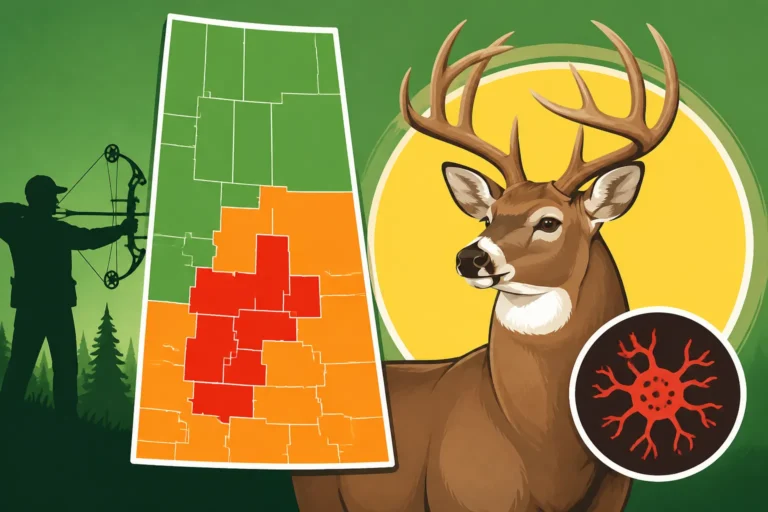
Saskatchewan takes CWD surveillance seriously, and for good reason. The disease is established in many parts of the province, particularly in the south and central regions. To effectively monitor its spread and prevalence, the Ministry of Environment designates specific areas as mandatory CWD testing zones each hunting season. If you harvest a whitetail or mule deer in one of these zones, submitting a sample for testing isn't optional – it's a requirement.
It's absolutely essential to know if the Wildlife Management Zone (WMZ) you're hunting in is one of these mandatory zones before you even head out. You can find this information in the annual Saskatchewan Hunters' and Trappers' Guide or on the Ministry of Environment website. Generally, if you're hunting in areas known for higher CWD prevalence, expect to be in a mandatory zone. The specific species requiring testing are usually adult white-tailed deer and mule deer, but it's always best to double-check the latest regulations.
The process of submitting a head is relatively straightforward once you know the ropes. After harvesting your animal, you'll need to remove the head, ensuring that the first two to four inches of neck vertebrae are still attached. Then, you'll take it to a designated CWD drop-off location. These locations are typically freezer depots set up across the province, often at Ministry of Environment offices, regional parks, or sometimes even local businesses that partner with the ministry. You'll fill out a submission form, providing your hunter ID, the WMZ where you harvested the animal, and your contact information. This is where you’ll get a unique submission number, which is absolutely vital for tracking your results. For a detailed list of locations and specific instructions, you might want to refer to resources on Where to Drop a Head for CWD Testing. Remember, the CWD Head Submission Deadline is crucial; missing it means your sample won't be tested, and you could face penalties.
Step-by-Step: How to Retrieve Your CWD Test Results
Waiting for CWD results can feel like an eternity, especially when you've got a freezer full of venison you're eager to process. Thankfully, Saskatchewan has an online system that makes checking your results fairly simple, as long as you have the right information.
The Online Result System
Once you’ve submitted your deer head, the clock starts ticking. The Ministry of Environment processes thousands of samples each year, so patience is definitely a virtue. However, you don't have to sit by the phone; you can actively check your results online. The Saskatchewan Ministry of Environment hosts a dedicated CWD test results portal on its official website.
To access your results, you'll need a couple of key pieces of information: your hunter ID number and the CWD submission number you received when you dropped off your sample. That submission number is typically a multi-digit code, often found on the receipt or tag you filled out at the drop-off location. It's crucial to keep this number safe and accessible! If you're someone who uses online platforms like GoHunt for planning hunts and managing your outdoor activities, you might find it helpful to log your CWD submission numbers there for easy reference alongside your other harvest data. While GoHunt itself doesn't host the CWD results, it's a great tool for centralizing all your hunting information.
Navigating the Ministry's CWD portal is usually quite intuitive. You'll typically find a search bar where you input your hunter ID and submission number. Once entered, the system will pull up the status of your sample. It might show "Pending," "In Progress," or, eventually, your actual result. Be prepared for it to take several weeks, especially during peak hunting season. The labs get slammed, and it takes time to process each sample accurately.
Interpreting Your Results (Positive, Negative, Inconclusive)
When you finally get that result, you might feel a mix of relief and trepidation. Understanding what each status means is key to knowing your next steps.
- Negative Result: This is the result every hunter hopes for! A "negative" indicates that CWD prions were not detected in the lymph node tissue submitted for testing. This means your deer is considered safe to eat according to current scientific understanding. You can proceed with processing your meat and enjoying your harvest with peace of mind. It’s a moment of great relief and a testament to the efforts in managing the disease.
- Positive Result: Receiving a "positive" result for CWD is, understandably, a huge disappointment. It means that CWD prions were detected in your animal's tissues. In this scenario, it is strongly recommended that you do not consume the meat. The Saskatchewan Ministry of Environment provides clear guidelines on What to Do With a Positive Result, which typically involves proper disposal of the carcass to prevent further environmental contamination. This can be a tough pill to swallow after all the hard work, but it's an important step for public and wildlife health.
- Inconclusive Result: Sometimes, a result might come back as "inconclusive." This can happen for a few reasons, such as insufficient tissue in the sample, degradation of the sample, or technical issues during testing. An inconclusive result means the lab couldn't definitively say whether the animal was positive or negative. In this case, the Ministry usually recommends re-testing if possible, or, if not, to err on the side of caution and treat it as a positive result for meat consumption purposes. It’s an unfortunate grey area, but one that demands a careful approach.
Remember that testing is a snapshot in time. A negative result means no CWD was detected in that specific sample at that specific time. While it's excellent news, vigilance is always encouraged.
What Happens After a CWD Positive Result?
Discovering your harvested animal is CWD positive is a truly disheartening experience. You've invested time, effort, and passion into your hunt, and to be told the meat isn't recommended for consumption can feel like a punch to the gut. But it's crucial to understand the protocols in place, both for public safety and for the health of Saskatchewan's wildlife populations.
Government Guidelines and Recommendations
When a CWD positive result comes back, the Saskatchewan Ministry of Environment provides clear, actionable advice. The primary recommendation is always to dispose of the carcass properly. This usually means taking it to a designated landfill or burying it deeply on your property if you have suitable land, ensuring it's covered by at least 6 feet of soil to prevent scavengers from accessing it and potentially spreading prions. It's not as simple as just tossing it in the ditch; these prions are incredibly resilient and can persist in the environment for years, continuing to infect other cervids. For specifics on how to dispose of a CWD-positive carcass, consult the Ministry's guidelines directly, or refer to information on Moving a Carcass Between Zones if you transported the animal.
Regarding meat safety concerns, while no human cases of CWD have ever been detected, the public health recommendation remains consistent: do not eat meat from a CWD-positive animal. The prions concentrate in nervous system tissues (brain, spinal cord), but they can also be found in lymph nodes, spleen, and other tissues. If you've already processed some of the meat before receiving results, which is a common practice due to processing timelines, it's advised to discard any meat from that animal. This is one of the toughest parts for hunters, but it's a critical precaution.
Preventing further spread is a collective responsibility. This includes not only proper carcass disposal but also avoiding certain practices like leaving spinal columns or brains in the field where other animals might access them. Knowing How CWD Spread Across Saskatchewan Zones can help hunters understand the importance of these preventative measures.
Dealing with the Emotional and Practical Fallout
The disappointment of a CWD positive result can be immense. For many, hunting is about providing food for their families, and a positive test means that effort was, in a way, in vain for that purpose. It's okay to feel frustrated, sad, or even angry. You're not alone in these feelings; many hunters have experienced this.
Practically, if you've been waiting for results before fully processing your animal, you might have meat in cold storage. If the result is positive, you'll need to dispose of that meat. This can also lead to tough conversations with family or friends who might have been expecting some venison. It’s a good reminder to always handle the meat with caution, even before results are back, and to follow best practices for Meat Care in Saskatchewan's Cold Snaps.
Looking ahead, a positive result from one animal doesn't mean you should give up on hunting. It just means you need to continue to be diligent with testing and informed about CWD prevalence in different areas. Many hunters consider CWD a significant factor in their hunt planning, perhaps even using tools like GoHunt to research potential hunting areas and understand regional wildlife health trends, although CWD data needs to come directly from official government sources. Understanding which Saskatchewan zones test positive most can help you decide where to focus future efforts if CWD is a major concern for you.
Here's a quick overview of CWD testing considerations:
| Aspect | Description | Action for Hunters |
|---|---|---|
| What is CWD? | Fatal neurological disease affecting cervids. | Stay informed; participate in testing. |
| Testing Zones | Specific WMZs designated for mandatory testing. | Check annual Hunters' Guide for your zone. |
| Submission Process | Remove head with neck, fill form, drop at designated depot. | Keep your submission number safe. |
| Result Retrieval | Online portal using Hunter ID and submission number. | Be patient; check results regularly. |
| Negative Result | No CWD detected. | Proceed with meat processing and consumption. |
| Positive Result | CWD detected. | Do NOT consume meat. Dispose of carcass properly (landfill/deep burial). |
| Inconclusive Result | Test failed or could not confirm. | Re-test if possible, or treat as positive. |
| Meat Safety | Health Canada recommends against consuming CWD-positive meat. | Always wait for results if possible, or discard positive meat. |
| Preventing Spread | Proper carcass disposal, avoid leaving high-risk tissues in field. | Be a responsible steward of wildlife. |
Looking Ahead: CWD Management and Hunter Responsibility
The battle against CWD is ongoing, and it's a battle that requires the active participation of every hunter. Our role extends far beyond just harvesting an animal; it involves being informed, responsible stewards of the land and its wildlife.
The Role of Hunters in CWD Surveillance
You, the hunter, are on the front lines of CWD surveillance. Without your cooperation in submitting samples, our understanding of where the disease is, how it's spreading, and its prevalence would be severely limited. Every head submitted contributes valuable data to the provincial CWD monitoring program. This data helps the Ministry of Environment make informed decisions about herd management, testing zones, and public health recommendations.
Beyond mandatory testing, voluntary submissions are also incredibly helpful, especially in areas where CWD is suspected but not yet widely established. Knowing How Many Saskatchewan Zones Have CWD and understanding that this number can change helps highlight the need for ongoing surveillance. By consistently participating, hunters provide the crucial intelligence needed to track CWD and potentially mitigate its impact. It's about recognizing that our actions today impact the health of deer, elk, and moose populations for generations to come. This also means being knowledgeable about Saskatchewan's CWD Testing Rules as they evolve each year.
Future of CWD in Saskatchewan and Research Efforts
The fight against CWD is complex, with no easy answers. Researchers continue to explore various aspects of the disease, from better detection methods to potential ways to slow its spread or even mitigate its environmental persistence. In Saskatchewan, the Ministry of Environment, in collaboration with universities and other agencies, is actively engaged in research and monitoring. They are constantly analyzing Saskatchewan's CWD Positive Numbers and tracking Which Saskatchewan Species Test Positive Most to better understand the disease's ecology in our province.
For hunters, staying informed is key. Regulations and recommendations can change as new scientific information becomes available. Websites like GoHunt can be useful for general hunting information and planning, but always cross-reference any CWD-related information with the official Saskatchewan Ministry of Environment resources. Being proactive, submitting samples, and following guidelines are the best ways we, as hunters, can contribute to a healthier future for Saskatchewan's incredible cervid populations. It's a long road, but one we must walk together to protect our hunting heritage.
Disclaimer
The information provided in this guide is for general informational purposes only and does not constitute legal advice or replace the official regulations set forth by the Saskatchewan Ministry of Environment. Hunters are responsible for knowing and adhering to all current hunting regulations, including those pertaining to Chronic Wasting Disease testing and carcass disposal. Always consult the most recent Saskatchewan Hunters' and Trappers' Guide or the Ministry of Environment's official website for the definitive and up-to-date rules and guidelines.