Where to Drop a Head for CWD Testing
Successfully harvesting a deer in Saskatchewan is a thrilling experience, but for many hunters, the joy can quickly turn into a headache when it comes to navigating the often confusing and critical process of Chronic Wasting Disease (CWD) testing. Knowing exactly where and how to properly submit your animal's head for testing can feel like a maze, especially after a long day in the field. This guide aims to clear up that confusion, providing clear, actionable steps on where to drop off your deer, moose, or elk head for CWD testing in Saskatchewan, ensuring you meet all requirements and contribute to wildlife health.
Understanding Saskatchewan's CWD Testing Requirements
Let's be honest, CWD isn't a topic most hunters want to dwell on after a successful outing. You're probably thinking about butchering, capeing, and reliving the hunt, not biological samples. But CWD is a serious concern for Saskatchewan's wildlife populations, and participating in testing is a crucial part of being a responsible hunter. It’s not just about following rules; it's about helping to monitor and manage a disease that could significantly impact the future of hunting in our province.
Why CWD Testing Matters for Hunters and Wildlife
Chronic Wasting Disease is a fatal, neurological disease that affects cervids (deer, elk, moose, and caribou). It's caused by abnormal proteins called prions that slowly accumulate in the brain and other tissues, leading to symptoms like emaciation, abnormal behavior, and ultimately, death. Unlike bacterial or viral diseases, CWD prions are incredibly resilient and can persist in the environment for years, making prevention and containment extremely challenging. As hunters, we are on the front lines of detection. Every submitted head provides invaluable data that helps the Ministry of Environment track the disease's prevalence and spread, informing management strategies to protect our herds.
For us, the hunters, CWD testing serves a dual purpose. Firstly, it offers peace of mind. While current scientific understanding suggests a low risk of CWD transmission to humans, health agencies generally recommend against consuming meat from CWD-positive animals. Knowing your animal's status allows you to make an informed decision about consumption. Secondly, it's an ethical responsibility. We owe it to the wildlife we cherish and the hunting heritage we want to pass on to do our part in safeguarding herd health. It's an inconvenient truth, but a necessary one to confront.
Participating in the CWD surveillance program helps paint a clearer picture of the disease's distribution. The more samples submitted, the better the data, allowing biologists to identify emerging hotspots and understand how CWD is impacting different Wildlife Management Zones (WMZs). This collective effort is vital for long-term conservation.
Mandatory vs. Voluntary Submission
Saskatchewan has specific regulations regarding CWD testing, which can sometimes be a little tricky to keep straight. The most important distinction to understand is between mandatory and voluntary submission. In certain areas, particularly those where CWD has been detected or is considered a higher risk, testing is mandatory for specific species during particular seasons. These are often referred to as "mandatory CWD testing zones." If you harvest an animal in one of these designated zones, submitting the head for testing isn't optional; it's a legal requirement.
For the most up-to-date list of which Saskatchewan zones require CWD testing, it's always best to check the current Saskatchewan Hunters' and Trappers' Guide or the Ministry of Environment's website. They often have maps and detailed lists of the affected WMZs. Typically, this applies to species like white-tailed deer, mule deer, and sometimes elk. Missing the CWD Head Submission Deadline for a mandatory zone can result in fines, so mark your calendar!
Beyond the mandatory zones, voluntary submission is highly encouraged across the entire province for all cervid species. Even if you're hunting in an area not designated as mandatory, your voluntary submission helps expand the surveillance network and contributes to a more complete understanding of CWD prevalence. Think of it as an extra step to ensure the health of your harvest and the health of the broader ecosystem. Every sample counts, whether it's required by law or a personal choice to contribute.
Official CWD Drop-Off Locations Across Saskatchewan
Alright, so you've got your head, you've removed the required sample if it's a mandatory zone, and now you need to get it to the right place. Thankfully, the Ministry of Environment has established a robust network of drop-off points to make this as convenient as possible, acknowledging that hunters are often coming from remote areas.
Ministry of Environment Drop-Off Bins
One of the most common and convenient ways to submit a head for CWD testing in Saskatchewan is through the Ministry of Environment's network of dedicated drop-off bins. These are typically large, well-marked freezers or metal bins located in strategic areas across the province, often in towns within or near popular hunting zones. They are designed for self-serve submission, meaning you can drop off your sample 24/7, which is a huge relief when you've just finished a hunt late on a Sunday evening.
When you use a drop-off bin, you'll find instructions prominently displayed. The most crucial step is ensuring your head is properly tagged with all the necessary information. This usually includes your name, contact details, hunting licence number, the date of harvest, and the specific Wildlife Management Zone (WMZ) where the animal was taken. Most bins will have forms and zip ties available, but it's always a good idea to come prepared with your own waterproof tag and a pen. The goal is to provide accurate and legible information so that your results can be correctly matched to your sample and harvest details. You can often find these bins in major hunting hubs like Swift Current, Prince Albert, and even smaller communities throughout the province, especially in areas like the Cypress Hills or the Aspen Parkland Bluffs.
These bins are typically serviced regularly by Ministry staff, who collect the samples and transport them to the lab for testing. While they are a fantastic resource for convenience, it's essential to follow all instructions for preparing and tagging your sample carefully. An improperly tagged or prepared sample might delay testing or even make it impossible to get a result.
Ministry of Environment Field Offices
While the drop-off bins offer flexibility, some hunters prefer or require direct interaction, or perhaps they live close to a Ministry office. Many Ministry of Environment field offices also accept CWD head submissions during regular business hours. This can be a good option if you have questions about the process or if you need to ensure your submission is handled directly by staff.
Locations like the Ministry offices in Regina, Saskatoon, Prince Albert, Melfort, Meadow Lake, and Swift Current are typically equipped to receive samples. However, it's always wise to call ahead and confirm their specific CWD submission policies and operating hours before making the trip. There might be designated times or staff members responsible for handling submissions, and you don't want to show up only to find the relevant person isn't available or the office isn't accepting samples that day.
Bringing your head to a field office offers a chance to clarify any uncertainties about the process, ensuring you've completed all the required paperwork correctly. Just remember, these offices operate during business hours, so if your hunt wraps up on a weekend or late in the evening, a drop-off bin might be your more practical option. Knowing your options empowers you to choose the most efficient method for your situation.
Partner Locations and Taxidermists
In addition to the Ministry's official bins and offices, some private businesses, particularly taxidermists and butcher shops, often serve as designated CWD drop-off points. These partner locations are invaluable, especially in areas where official Ministry sites might be less accessible. They offer an added layer of convenience for hunters who are already dropping off their animal for processing or taxidermy work.
When considering a partner location, it's crucial to confirm their current status as an official CWD drop-off site directly with them. Their participation can change from year to year, and you want to ensure your sample will be properly collected and submitted to the Ministry for testing. These businesses usually have specific protocols for accepting heads, including ensuring all necessary hunter information is provided and that the head is in suitable condition for transport to the lab. A quick call to your local taxidermist or a quick check on a hunting resource like GoHunt, which sometimes lists updated information on local services, can save you a lot of hassle.
Utilizing these partner locations can streamline your post-harvest activities, allowing you to drop off your animal for multiple services at once. They often have the necessary tags and submission forms on hand, making the process smoother. Always confirm their specific procedures, any associated fees they might charge for handling the sample (though often this is a free service provided to hunters), and when they typically send batches of samples to the lab.
Preparing Your Sample for Submission
Submitting a head for CWD testing isn't as simple as tossing it in a bin. Proper preparation is key to ensuring the sample is viable for testing and that you receive accurate results. Neglecting these steps can lead to delays or, worse, an untestable sample.
Proper Head Preparation
The brain stem and lymph nodes are the tissues primarily tested for CWD. To ensure a good sample, the head needs to be prepared correctly. First, try to remove as much excess meat and hide as possible from the skull, particularly around the neck and jaw area, without damaging the braincase or spinal column. The goal is to reduce weight and mess, making it easier for Ministry staff to handle and process. You don't need to completely clean the skull like a taxidermist would, but a reasonable effort goes a long way.
The most critical part of the head for CWD testing is the obex, located at the base of the brainstem where it joins the spinal cord. It's imperative that this area remains intact. When caping an animal, be careful not to cut too far into the skull or sever the brain stem. If you're unsure, err on the side of leaving more tissue rather than less. A good rule of thumb is to cut the neck a few inches below the skull at the first cervical vertebra (atlas joint), ensuring the entire brain stem and surrounding structures are included. If you’re not familiar with Field Dressing in Saskatchewan's Deep Cold, a quick review of proper techniques for neck separation can be helpful.
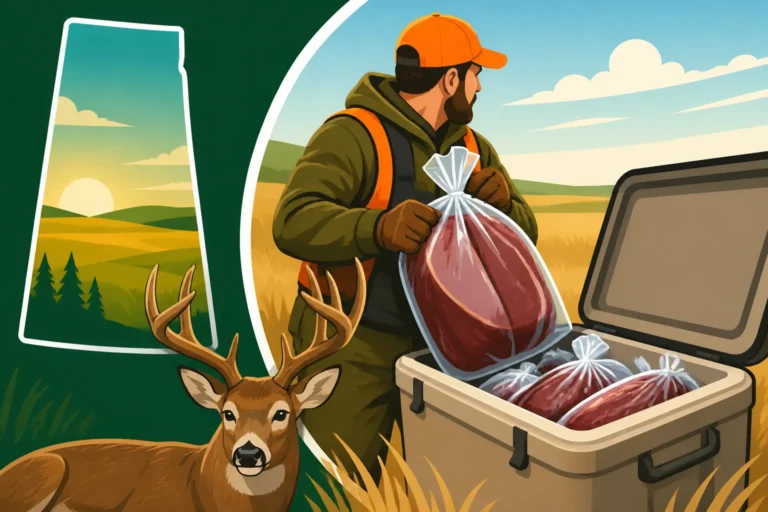
Once the head is somewhat cleaned, place it in a durable plastic bag, securely tied or sealed. This prevents any leakage and minimizes contamination during transport. Double-bagging is often a good idea, especially if you're dropping it into a public bin. Write your required information clearly on a waterproof tag and attach it firmly to the bag or directly to the antler base. Your hunting licence number is essential, as this is how the Ministry tracks your individual sample.
Required Information and Forms
Submitting your CWD sample isn't just about the physical head; it's also about the data that goes with it. Accurate and complete information is vital for the Ministry to process your sample, correlate it with your hunt, and deliver results. Every submission needs to be accompanied by specific details, usually provided on a CWD sample submission form.
These forms are generally available at drop-off bin locations, Ministry offices, and often downloadable from the Saskatchewan Ministry of Environment website. The form will ask for essential details such as:
- Hunter's Name and Contact Information: This is how you'll receive your results.
- Hunting Licence Number: Crucial for identifying your harvest record.
- Species Harvested: (e.g., White-tailed deer, Mule deer, Elk).
- Date of Harvest: Helps track seasonal data.
- Wildlife Management Zone (WMZ) of Harvest: This is paramount for mapping disease prevalence. Be precise here; if you're unsure of the exact WMZ, consult a reliable map or an app like GoHunt which often provides detailed WMZ overlays.
- Sex and Age (if known): Additional demographic data for research.
Filling out this form completely and legibly is non-negotiable. Attach the completed form securely to the bagged head using string or a zip tie. If you are submitting through a bin, ensure the tag is waterproof, as moisture can easily render the information unreadable. Some hunters even take a photo of their completed form and attached tag for their records, just in case. Remember, the accuracy of the data you provide is just as important as the sample itself for effective CWD monitoring.
After You've Dropped Off the Head
The hardest part is over! The head is dropped off, and you can focus on processing your game and enjoying the fruits of your labour. But the CWD process isn't quite done. Understanding what happens next, and how to access your results, is an important final step.
Tracking Your Results
Once your sample is submitted, it goes into a queue for laboratory analysis. This process involves precise scientific procedures to detect the presence of CWD prions. It's not an overnight job, and patience is definitely a virtue here. The turnaround time for CWD test results can vary significantly depending on the volume of samples received during peak hunting seasons, lab capacity, and other factors. It’s not uncommon for it to take several weeks, sometimes even longer, to receive your results.
The Saskatchewan Ministry of Environment typically provides CWD test results online through a dedicated portal, accessible via your HAL (Hunter and Angler Licence) account or a specific CWD results lookup page. You'll usually need your hunting licence number and possibly a specific sample ID provided at the time of submission (if applicable) to retrieve your results. Some hunters find that using a hunting app or online resource like GoHunt can help organize their hunting data, including CWD submission details, making it easier to track when results become available. Checking in periodically, rather than every day, will save you some anxiety. You can learn more about Getting Your Saskatchewan CWD Result directly from the Ministry's online resources.
It’s important to manage expectations regarding the timeline. If you haven't heard anything after a few weeks, resist the urge to call the Ministry daily. They are often overwhelmed with inquiries during and after hunting season. Trust that they are working diligently to process all samples. The online portal is designed to be the most efficient way to access your results as soon as they are available.
What Happens with a Positive Result
The news every hunter hopes not to receive is a positive CWD test result. While it’s certainly disheartening, it’s crucial to know what steps to take if your animal tests positive. The Ministry of Environment will typically contact you directly if your sample yields a positive result. This isn't just a notification; it often comes with specific recommendations and requirements for carcass disposal to prevent further environmental contamination.
Upon a positive diagnosis, the primary recommendation is usually to dispose of the carcass appropriately to minimize environmental spread of prions. This often involves burying the carcass on the property where it was harvested, or taking it to an approved landfill. It's vital to follow the Ministry's specific guidance, as improper disposal could contribute to the spread of the disease to other cervids in the area. It's a tough pill to swallow, but it's part of being a responsible steward of the land and wildlife. More detailed information can be found in resources like What to Do With a Positive Result.
Regarding consumption, while no definitive link has been established between CWD and human health, health agencies strongly advise against consuming meat from CWD-positive animals. This is a precautionary measure, and it’s a personal decision, but the general consensus among public health experts leans towards caution. This can be a devastating blow after a successful hunt, but the safety of your family and the broader community should always come first. Understanding Whether CWD Meat Is Safe to Eat is a personal choice, but informed by scientific recommendations.
Carcass Disposal and Transport Considerations
Beyond the head submission, managing the rest of your carcass, particularly if you've harvested in a CWD-prone area, is incredibly important. Prions are concentrated in specific tissues, including the brain, spinal cord, eyes, spleen, and lymph nodes. To prevent the spread of CWD, regulations dictate that these high-risk materials should ideally remain in the WMZ where the animal was harvested.
This means that if you're hunting in a designated CWD zone, it's highly recommended to perform initial processing (field dressing, deboning) at the kill site or at least within the same WMZ. This allows you to leave the spine, skull (after the sample is taken), and other high-risk parts in the area they came from, effectively reducing the chance of transporting prions to new locations. If you plan to transport the entire carcass, or parts containing high-risk tissues, across WMZ boundaries, you need to be aware of specific regulations concerning Moving a Carcass Between Zones. Often, only deboned meat, clean skull plates, or capes are permitted for transport outside the harvest zone.
For hunters who bone out their animals in the field, which is often a good practice anyway for meat care in Saskatchewan's variable temperatures, this significantly simplifies CWD compliance. The bones, including the spinal column, can be left at the kill site, while the deboned meat is clean for transport. Always consult the latest hunting regulations for the most current rules on carcass transport, especially if you're hunting in areas with high CWD prevalence. It’s a small inconvenience for the greater good of our wildlife.
| Region of Saskatchewan | Common Drop-Off Method | Key Locations (Examples) | Notes on Access |
|---|---|---|---|
| Southern Prairie | Self-serve Bins / Field Offices | Swift Current, Moose Jaw, Assiniboia | Often in larger towns, check WMZ maps for closest bin. |
| Aspen Parkland | Self-serve Bins / Field Offices | Regina, Saskatoon, Yorkton, Prince Albert | Good coverage, check specific hours for offices. |
| Forest Fringe | Self-serve Bins / Taxidermists | Meadow Lake, Nipawin, Hudson Bay | Bins might be seasonal; taxidermists are a good option. |
| Boreal North | Field Offices / Specific Outfitter Points | La Ronge, Buffalo Narrows | Limited access, plan ahead, confirm availability. |
Disclaimer
The information provided in this guide is for general informational purposes only and is not a substitute for the official regulations and guidelines published by the Saskatchewan Ministry of Environment. Hunting regulations, CWD testing requirements, and drop-off locations can change annually. Always consult the most current Saskatchewan Hunters' and Trappers' Guide or the official Ministry of Environment website before your hunt to ensure compliance.