Whether CWD Meat Is Safe to Eat
One of the most pressing concerns for any hunter in Saskatchewan today, especially when you're dreaming of bringing home that hard-earned venison, is the shadow of Chronic Wasting Disease (CWD). The question on everyone's mind, whispered around campfires and debated at coffee shops, is whether the meat from an animal infected with CWD is actually safe to eat. It's a heavy question, loaded with worry, and understanding the nuances is crucial for making informed decisions out there. This guide aims to demystify CWD, discuss the risks, outline official recommendations, and help you navigate your hunting season with confidence and caution.
Understanding Chronic Wasting Disease CWD and Its Nature
Chronic Wasting Disease (CWD) is a neurological disease affecting deer, elk, moose, and caribou. It's part of a group of diseases known as Transmissible Spongiform Encephalopathies (TSEs), which also includes scrapie in sheep and bovine spongiform encephalopathy (BSE) or "mad cow disease" in cattle. What makes CWD particularly unsettling is that it's caused by abnormal proteins called prions. These aren't like bacteria or viruses; they're misfolded proteins that cause normal proteins in the brain to misfold too, leading to a slow, progressive degeneration of the brain and nervous system.
The disease manifests in animals with symptoms like extreme weight loss (hence "wasting"), stumbling, lack of coordination, listlessness, excessive drooling, and a general change in behaviour. It's heartbreaking to see an animal suffering from it. CWD is always fatal for the infected animal, and there is currently no cure or vaccine. The prions are incredibly resilient, resisting conventional sterilization methods like cooking, freezing, or even common disinfectants, making them a persistent threat in the environment once an area is infected.
Transmission primarily occurs through direct contact between animals or indirectly through environmental contamination, such as soil or plants, that have been exposed to infected saliva, urine, feces, or decaying carcasses. This means that once CWD is established in an area, it can be incredibly difficult to eradicate, and the prions can remain viable in the environment for many years. How CWD Spread Across Saskatchewan Zones is a testament to how insidious this disease can be once it takes hold.
The Human Health Question Why CWD Meat is a Concern
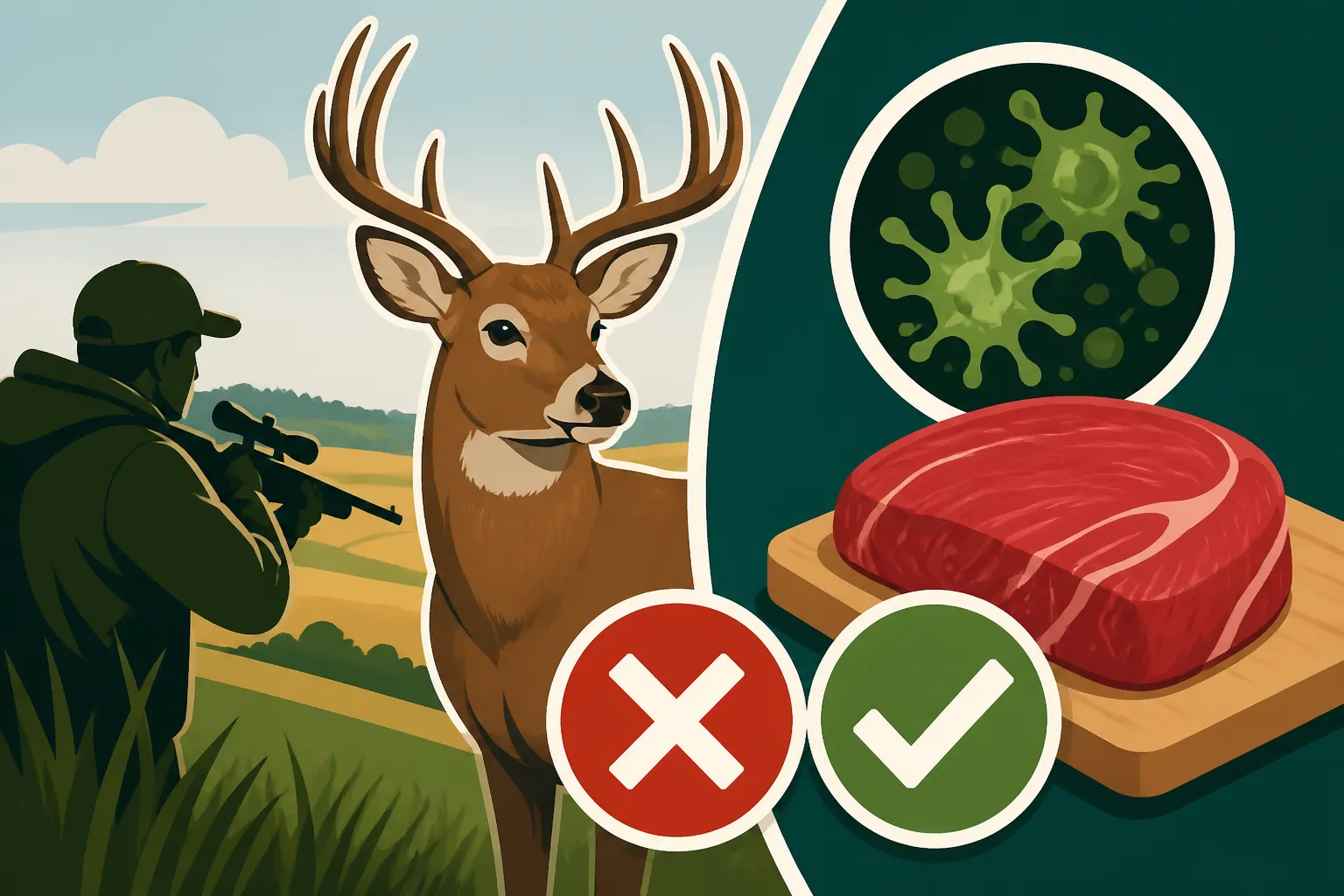
This is where the rubber truly meets the road for hunters and their families: is CWD-infected meat safe for human consumption? The unequivocal answer from public health authorities and scientific bodies, including Health Canada and the World Health Organization, is that it is strongly recommended not to consume meat from an animal that has tested positive for CWD. While there have been no documented cases of CWD transmission to humans directly from consuming venison, the scientific community remains cautious.
The primary concern stems from the nature of prions. They are unlike any other pathogen. We know that other prion diseases, like variant Creutzfeldt-Jakob disease (vCJD) in humans, are linked to the consumption of BSE-infected beef. While CWD prions are distinct from BSE prions, the biological barrier that prevents CWD from jumping to humans isn't fully understood, and some studies have shown that CWD can infect non-human primates in experimental settings. This raises serious red flags about the potential for future cross-species transmission, even if it hasn't been observed in the general human population yet. The long incubation period of prion diseases, potentially decades, means that any effects might not be evident for a very long time.
Given these unknowns and the severity of prion diseases, health organizations prioritize prevention. They don't want to wait for human cases to appear before issuing strong warnings. Therefore, until more is known and a definitive "safe" answer can be provided, the safest course of action is to avoid any potential risk. This is why testing is so critical, especially in areas where CWD is known to be prevalent. It's about protecting yourself and your loved ones from a theoretical, but potentially devastating, future risk.
Saskatchewan's Approach to CWD Testing and Management
Saskatchewan has been at the forefront of CWD surveillance and management for years, recognizing the importance of monitoring this disease. The province's approach combines mandatory testing in specific zones with voluntary submissions across the rest of the province, alongside public education and research efforts. Hunters are a crucial part of this strategy, as their participation in testing provides vital data that helps track the disease's prevalence and spread.
The province identifies Mandatory CWD Testing Zones each year, typically in areas where the disease is established or expanding. If you harvest an animal in one of these zones, submitting the head for testing isn't just a suggestion; it's a requirement. Even outside these zones, voluntary submission is highly encouraged. This data helps the Ministry of Environment understand Saskatchewan's CWD Positive Numbers and where the disease is popping up next. You can find detailed information on these zones and how to participate through the Saskatchewan Ministry of Environment's annual Hunters and Trappers Guide.
The testing process itself is relatively straightforward for hunters. Once you've harvested an animal, you typically remove the head, leaving enough of the neck for proper identification, and then you can take it to a designated drop-off location. Where to Drop a Head for CWD Testing will vary, but often includes Ministry of Environment offices, select taxidermists, or even temporary collection sites during peak hunting season. It's important to remember The CWD Head Submission Deadline to ensure your sample is processed in a timely manner. Make sure to keep your hunting tag attached to the head for proper identification. After submission, you'll receive a sample number that allows you to check Getting Your Saskatchewan CWD Result online. This system empowers hunters to know the status of their harvest before processing the meat for consumption.
Here's a quick overview of the testing process:
| Step | Description |
|---|---|
| Harvest Animal | Successfully harvest a deer, elk, or moose. |
| Collect Sample | Remove the head and about 4-6 inches of neck. Keep the animal's hunting tag securely attached to the head for identification. |
| Submit Head | Take the head to a designated CWD drop-off location. These are listed on the provincial government's website. |
| Receive Sample ID | You'll get a unique sample identification number. This is crucial for tracking your results. |
| Wait for Results | The sample is sent to a lab for analysis. This can take several weeks, especially during peak season. |
| Check Results Online | Use your sample ID to check the test results on the provincial CWD surveillance website. |
| Process Meat (if Negative) | If the result is negative, you can confidently proceed with meat processing. |
| Do Not Consume (if Positive) | If the result is positive, it is strongly recommended not to consume the meat. Follow guidance on What to Do With a Positive Result. |
Using resources like the Saskatchewan Ministry of Environment website or tools like GoHunt, which often integrates WMZ boundaries, can really help you stay on top of the regulations in your specific hunting area. Understanding Saskatchewan's CWD Testing Rules is an essential part of responsible hunting today.
Making Informed Decisions as a Hunter
As hunters, we have a responsibility not only to harvest ethically but also to ensure the safety of the food we provide for our families and friends. When it comes to CWD, this means being proactive and informed. If you hunt in an area with known CWD presence, or even if you just want to be extra cautious, submitting your animal for testing is the best practice.
What happens if your animal tests positive for CWD? It's a gut-wrenching feeling, especially after all the effort put into the hunt. However, the recommendation is clear: do not consume the meat. This also extends to donating it or feeding it to pets. The safest disposal method is usually through burial on-site, away from water sources, or through designated municipal waste facilities that can handle carcasses. Always check with your local municipality or the Ministry of Environment for the most appropriate disposal methods in your area. This ensures that the prions are not reintroduced into the environment or consumed by other animals.
Beyond testing, there are practical steps you can take during field dressing to minimize potential exposure and prevent the spread of prions. Always wear latex or rubber gloves when handling game, especially during field dressing. Avoid contact with brain, spinal cord, spleen, and lymph nodes, as these are the tissues where CWD prions accumulate most. These are considered Specified Risk Materials (SRMs). If you're quartering your animal in the field, use separate knives for boning out meat versus handling internal organs and nerve tissue. After processing, thoroughly clean and disinfect your tools and surfaces. A solution of 40% bleach can be effective on metal tools.
It's also crucial to be mindful of carcass transportation. Moving a Carcass Between Zones might have specific rules, especially if you're traveling from a CWD-positive zone to a CWD-free one. Generally, only deboned meat, skull caps (cleaned of all brain tissue), and antlers are permitted to be moved out of high-risk areas to prevent inadvertent spread. Being educated on these regulations, perhaps reviewing the information in Saskatchewan Hunter Education Requirements, ensures you're a responsible participant in wildlife management. This vigilance helps protect both wildlife populations and public health. Taking the time for proper Meat Care in Saskatchewan's Cold Snaps is also vital, but remember, cold temperatures don't deactivate prions.
Ultimately, the decision to consume meat from an untested or CWD-positive animal rests with the individual, but the scientific and public health guidance is firm: the risk, however small or theoretical it may currently be, is not worth taking. Staying informed, participating in testing programs, and adopting safe handling practices are the hallmarks of a responsible hunter in Saskatchewan's evolving wildlife landscape.
Disclaimer
This article is for general informational purposes only and does not constitute professional advice. Laws, prices and regulations vary by location and change over time. Consult a qualified professional for guidance on your specific situation.