Saskatchewan Sharp-Tailed Grouse Season Dates
Navigating the ever-changing landscape of hunting regulations can sometimes feel like trying to hit a fast-flying sharp-tailed grouse with your eyes closed – confusing and frustrating! Many hunters, myself included, have been there, pouring over the Saskatchewan Hunters' and Trappers' Guide trying to pin down exact dates for a specific species. If you're keen to chase sharp-tailed grouse, those iconic prairie dancers, you need precise season dates to plan your adventure. This guide aims to demystify the sharp-tailed grouse season in Saskatchewan, providing you with the clarity you need to prepare for a successful and legal hunt.
Understanding Saskatchewan's Sharp-Tailed Grouse Seasons
Saskatchewan is truly a bird hunter's paradise, and sharp-tailed grouse hold a special place in the hearts of many, offering challenging hunts across vast landscapes. Unlike big game species that often have complex draw systems and varying dates by Wildlife Management Zone (WMZ), the season structure for sharp-tailed grouse is generally more straightforward, but still requires attention to detail.
General Season Structure for Upland Birds
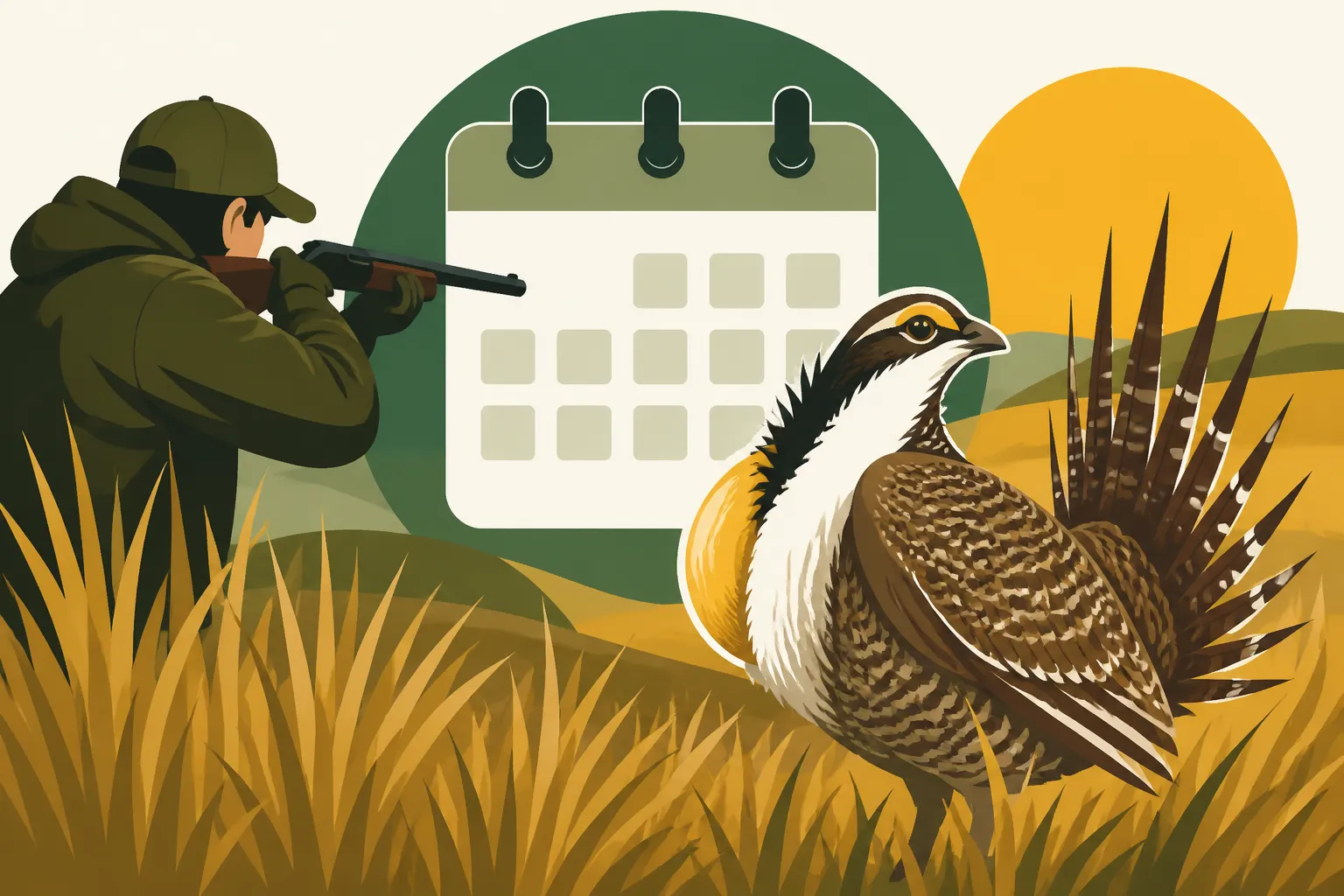
Typically, the season for sharp-tailed grouse, along with many other upland birds, kicks off in mid-September and runs through until mid-December. This broad timeframe gives hunters a good window of opportunity, covering the cooler days of fall and pushing into the early winter, often with the first significant snowfalls. The opening date is strategically set to allow young birds to mature and disperse from their broods, ensuring a healthy population for future hunting seasons.
What’s crucial to remember is that while the general framework is consistent, the exact opening and closing dates can shift slightly year to year. These subtle changes are usually determined by the Ministry of Environment, taking into account factors like population surveys, habitat conditions, and overall wildlife management goals. It’s never safe to assume last year’s dates are identical to the current year's, so always, always double-check the official guide. You can find a broader overview of these regulations in Saskatchewan Game Bird Seasons and Limits.
Key Dates for Sharptails
For the most recent hunting seasons, hunters in Saskatchewan could typically expect sharp-tailed grouse season to open around September 15th and continue through to December 15th. This three-month window covers a wide range of hunting conditions, from mild early fall days where dogs can run hard, to brisk December mornings when birds might be concentrated in thicker cover.
It’s important to note that these dates usually apply province-wide for resident hunters, meaning you won't typically find different start and end dates for sharp-tailed grouse based on specific WMZs, as you might with deer or moose. However, bag limits and possession limits remain a critical part of the regulations that apply across all zones. For non-resident hunters, there are often specific restrictions or requirements to be aware of, including limits on the number of hunting days, usually tied to specific non-resident bird licence terms. It's always best to consult the official Saskatchewan Hunters' and Trappers' Guide or the Saskatchewan Ministry of Environment website for the most accurate and up-to-date information.
Factors Influencing Sharptail Season Dates and Success
While the actual season dates for sharp-tailed grouse tend to be fairly consistent across the province, the success you might have during those dates can be heavily influenced by several factors. Understanding these can help you strategize your hunt and increase your chances of finding birds.
Regional Differences Across Saskatchewan
Even though the season dates might be the same, the experience of hunting sharptails can vary dramatically depending on where you are in Saskatchewan. Sharp-tailed grouse are primarily birds of the prairie and aspen parkland. This means that areas like the vast grasslands of the south, described in Hunting Saskatchewan's Southern Prairie, or the mosaic of bluffs and fields in Hunting Saskatchewan's Aspen Parkland, are prime sharptail country. These regions offer different habitat types, which can affect bird distribution and how you approach hunting them.
For instance, in the truly open prairie, birds might be found in larger coveys along native grass draws or brushy areas that provide shelter. In the aspen parkland, they might be more scattered, using treed bluffs for roosting and feeding in adjacent fields. While the regulations don't differentiate season dates for these areas, the local environment certainly dictates how Walking Up Sharp-Tailed Grouse in Saskatchewan plays out. A good strategy involves using scouting tools, such as the GoHunt app, to identify areas with a mix of native grassland and adjacent agricultural fields, as this diverse habitat often holds the highest concentrations of grouse. Knowing your chosen WMZ is paramount, and resources like Reading a Saskatchewan WMZ Map Before You Go can be invaluable.
Weather's Role in Sharptail Hunting
Weather is arguably one of the biggest wildcards in any hunting season, and sharp-tailed grouse are no exception. An early cold snap can cause birds to move into denser cover, making them harder to find. Conversely, a mild, dry fall might keep them more spread out. Snowfall, especially deep snow, can concentrate birds in specific areas, such as willow runs or brushy draws, where they can find food and shelter.
Early season hunts, before heavy frost or snow, often mean warmer temperatures, which can be tough on hunting dogs, requiring more frequent breaks and water. As the season progresses into November and December, temperatures drop significantly, and snow becomes a factor. Hunters need to be prepared for Hunting Saskatchewan Winter Weather Safely, dressing in layers and ensuring their vehicles are equipped for cold conditions. The presence or absence of snow also greatly impacts a hunter's ability to spot birds or track their movements, adding another layer to the strategic planning of your hunt.
Population Trends and Bag Limits
Saskatchewan's sharp-tailed grouse populations, like many game bird species, can experience natural fluctuations due to various factors. These include breeding success, habitat availability, predator pressure, and winter survival rates. A significant factor in these fluctuations is often a long-term cycle, which hunters who have been at it a while will recognize. Understanding Why Sharptail Numbers Rise and Fall is key for managing expectations each season.
While season dates are typically set broadly, bag limits and possession limits are the primary tools wildlife managers use to regulate harvest in response to population health. The daily bag limit for sharp-tailed grouse in Saskatchewan is generally quite generous, reflecting a healthy overall population. However, hunters should always check the current guide for these limits, as they can change. For example, the daily limit for sharptails is usually 6, with a possession limit of 18. These limits are in place to ensure sustainable hunting practices and to protect the long-term health of the species. Keeping track of regional population reports, sometimes available through provincial wildlife organizations or even on platforms like GoHunt, can offer insights into where numbers might be stronger in a given year.
Practical Tips for a Successful Sharptail Hunt in Saskatchewan
Getting out into Saskatchewan's beautiful countryside to chase sharptails is a rewarding experience, but a little preparation can go a long way in making your hunt safe, ethical, and successful.
Best Times to Hunt During the Season
Each part of the sharp-tailed grouse season offers a unique hunting experience:
- Early Season (Mid-September to Mid-October): This is often the most popular time, characterized by milder weather and active dogs. Birds are typically still in family groups or small coveys and can be found in a wider range of habitats. They might be concentrated around water sources in dry years. The dense cover of this period can make flushing birds challenging, but a good dog is invaluable.
- Mid-Season (Late October to Mid-November): As crops are harvested and temperatures drop, birds begin to consolidate into larger coveys. They become more wary and may be found closer to thicker cover or along the edges of agricultural fields, using the stubble for food and protection. This is an excellent time for hunters to focus on finding Hunting a Field of Standing Corn edges or shelterbelts.
- Late Season (Late November to Mid-December): With snow on the ground, birds become even more concentrated in areas offering food and thermal cover. Brushy coulees, willow bottoms, and dense bluffs become prime targets. While cold, hunting in the snow allows you to read tracks and pinpoint locations more effectively. Birds are often less active, making for a more challenging flush but sometimes presenting better shooting opportunities once they are located.
Where to Find Sharptails
Sharp-tailed grouse thrive in specific habitat types that provide both food and cover. Their preferred environments generally include:
- Native Grasslands: This is their bread and butter. Look for areas of undisturbed native prairie, especially those with rolling hills, draws, and scattered brush. They often utilize taller grass for nesting and loafing.
- Stubble Fields Adjacent to Cover: After the harvest, stubble fields, particularly those of wheat, barley, or flax, provide essential food sources. Sharptails will often move between these fields and nearby cover, like bluffs, shelterbelts, or willow patches.
- Aspen Parkland Edges: In areas where the prairie transitions into forest, the "bush fringe" provides a mix of open areas for feeding and dense bluffs for roosting and escape cover. Hunting the Forest Fringe for Big Bucks might not be your target, but this varied landscape is also excellent for sharptails.
- Willow Runs and Brushy Draws: These natural features, often found within larger fields or grasslands, offer critical protection from predators and harsh weather, especially as the season progresses.
Using tools like the GoHunt app or other digital mapping software can significantly aid in identifying these habitat types, especially when scouting public lands or seeking permission on private property. Look for variations in vegetation and topography that would appeal to these birds.
Essential Gear and Regulations
A successful and legal sharp-tailed grouse hunt requires more than just knowing the season dates. Here are some key considerations:
- Firearms and Ammunition: Shotguns are the standard, with 12-gauge or 20-gauge being popular choices. For ammunition, smaller shot sizes like 6 or 7.5 are ideal for these birds. While non-toxic shot is mandatory for waterfowl, it's generally not required for upland birds like sharptails unless you are hunting in specific designated areas that might have overlap or unique restrictions. Always confirm this in the hunting guide for the specific area you plan to hunt.
- Blaze Orange: Saskatchewan requires hunters to wear a minimum amount of blaze orange (or "hunter orange") when hunting big game. While not strictly mandated for upland bird hunting alone, wearing a blaze orange hat or vest is highly recommended for safety, especially when hunting with others or in areas where big game hunters might also be present. Familiarize yourself with Saskatchewan Blaze Orange Rules.
- Hunting Dogs: A good bird dog, whether a pointer or a flusher, can dramatically increase your success and enjoyment. Dogs help locate birds, flush them, and retrieve downed game, minimizing lost birds. Ensure your dog is well-trained, conditioned for the hunt, and adequately protected from the elements.
- Navigation Tools: GPS devices, satellite phones, or robust mapping apps like GoHunt are crucial for navigating Saskatchewan's vast and often featureless landscapes, especially on Crown land. They help you stay aware of property boundaries and avoid trespassing.
- Official Documentation: Always carry your valid Saskatchewan hunting licence, Wildlife Habitat Certificate, and any other required permits. Ensure your tags (if applicable for other species) are properly validated if you fill them.
- Landowner Permission: For hunting on private land, verbal permission from the landowner is a legal requirement in Saskatchewan. Always ask respectfully and in advance. Remember, Public Hunting Land in Saskatchewan is available, but understanding its boundaries is critical.
By diligently reviewing the Saskatchewan Hunter Education Requirements and adhering to all regulations, you ensure a responsible and enjoyable hunting experience for everyone involved.
Typical Sharp-Tailed Grouse Season Dates in Saskatchewan
To give you a quick reference, here's a typical breakdown of the sharp-tailed grouse season in Saskatchewan. Always verify with the most current official hunting guide.
| Species | General Season Opening | General Season Closing | Daily Bag Limit | Possession Limit |
|---|---|---|---|---|
| Sharp-Tailed Grouse | September 15 | December 15 | 6 | 18 |
Note: Dates and limits are subject to change annually by the Saskatchewan Ministry of Environment. This table reflects typical season structures but is not a substitute for the official Saskatchewan Hunters' and Trappers' Guide.
Disclaimer
The information provided in this article is for general guidance only and is not a substitute for the official regulations published by the Saskatchewan Ministry of Environment. Hunting regulations, season dates, and limits can change annually. It is the responsibility of every hunter to consult the most current Saskatchewan Hunters' and Trappers' Guide before heading afield to ensure compliance with all applicable laws and regulations.