Saskatchewan Game Bird Seasons and Limits
Trying to make sense of all the rules and regulations for game bird hunting in Saskatchewan can feel like deciphering an ancient scroll, leaving even seasoned hunters scratching their heads. With migratory birds falling under federal jurisdiction and upland birds under provincial, plus different zones and species-specific limits, it’s easy to get bogged down in the details before you even set foot in a field. This comprehensive guide is designed to unravel that complexity, providing clear, up-to-date information on Saskatchewan's game bird seasons and limits, so you can plan your hunt with confidence and enjoy the incredible opportunities this province offers.
Understanding Saskatchewan's Game Bird Landscape
Saskatchewan truly is a bird hunter's paradise, a reputation hard-earned through its unique blend of productive farmland, pristine wetlands, and diverse forest ecosystems. However, with such abundance comes a responsibility to understand and abide by the intricate web of regulations designed to sustain these populations for future generations.
The Abundance and Diversity of Species
When you think of Saskatchewan bird hunting, your mind likely conjures images of endless stubble fields teeming with ducks and geese, and for good reason. The province sits smack in the middle of major North American migratory flyways, acting as a critical staging ground where millions of waterfowl fatten up before continuing their journey south. We're talking about vast numbers of mallards, pintails, green-winged teal, and gadwalls darkening the sky, alongside impressive flocks of Canada geese, snow geese, and the prized greater white-fronted geese, or "specklebellies." This sheer volume and variety are what draw hunters from all over the globe, eager to experience the unmatched action.
But it’s not just about the waterfowl. Beyond the wetlands and fields, Saskatchewan boasts a rich tapestry of upland game birds. The open prairies and parkland areas are home to thriving populations of sharp-tailed grouse and the notoriously quick Hungarian partridge, often found flushing from brushy cover or shelterbelts. As you move into the northern forest fringe and boreal forest, you'll encounter ruffed grouse drumming in the aspens and spruce grouse in the coniferous stands. And let's not forget the elusive ptarmigan in the far northern reaches, offering a unique challenge for those willing to venture into true wilderness. This incredible diversity means that a single hunting trip can often offer opportunities for multiple species, making for an incredibly rewarding experience.
Federal and Provincial Regulations
Navigating the rules for game bird hunting in Saskatchewan can be a bit like dealing with two different landlords for the same property. That's because game birds are split between federal and provincial jurisdiction, each with its own set of rules you absolutely need to follow. Migratory birds – that's your ducks, geese, and sandhill cranes – fall under federal law, specifically the Migratory Birds Convention Act. This means that the Canadian Wildlife Service sets the overall framework for seasons, bag limits, and hunting methods for these species across the country, though provinces can sometimes have more restrictive rules within those federal guidelines.
On the flip side, upland game birds like sharp-tailed grouse, Hungarian partridge, ruffed grouse, and ptarmigan are regulated by the Province of Saskatchewan, through the Ministry of Environment. They establish the seasons, limits, and specific regulations for these birds within the provincial borders. What this boils down to for you, the hunter, is that you'll need to be familiar with both sets of regulations. It’s not uncommon for new hunters, or even those coming from other regions, to find this dual system a bit confusing at first. Always double-check both the federal migratory bird hunting regulations and the provincial hunting guide each year, as dates and rules can (and do) change. Ignoring either set of rules isn't an option, and ignorance is rarely a valid excuse in the eyes of a conservation officer.
Migratory Game Bird Seasons and Limits
Saskatchewan’s migratory bird hunting seasons are typically long and generous, reflecting the immense populations that pass through the province. However, dates and limits can vary significantly by species and even within different zones. Staying on top of these specifics is crucial for a successful and legal hunt.
Duck Season Specifics
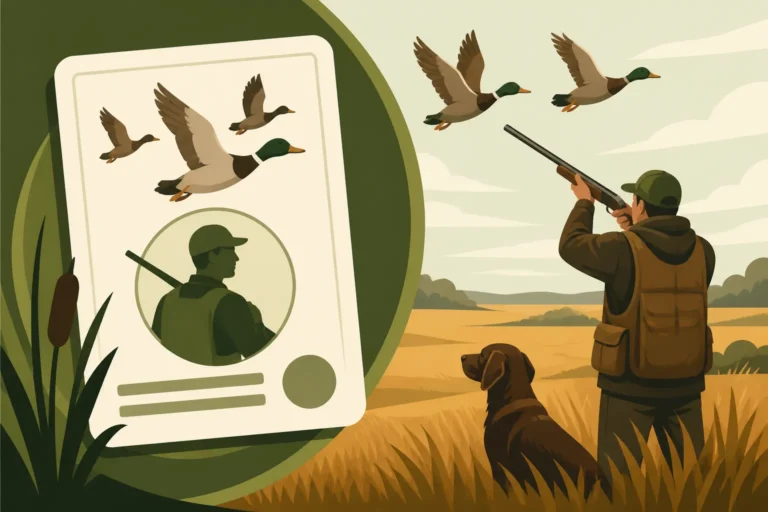
Duck hunting in Saskatchewan is nothing short of legendary, with a typical season running from early September right through to mid-December in most zones. The province is generally divided into two main migratory game bird hunting zones: the South Zone and the North Zone. The South Zone, encompassing the vast majority of agricultural land and the most popular hunting areas, usually opens around September 1st. The North Zone, covering the northern boreal forest and less populated areas, often has a slightly earlier opening. It’s always best to consult the official provincial hunting guide or the federal migratory bird regulations for the exact dates for the current year, as they can shift by a day or two.
When it comes to daily bag and possession limits, ducks often have species-specific rules to help manage populations. For instance, mallards, which are abundant, typically have a generous daily bag limit, but there might be a lower limit on more sensitive species like pintails or canvasbacks. For 2023-2024, the general daily bag limit for ducks (excluding mergansers) was typically 8, with a possession limit of 24. However, within that, only 2 pintails and 2 canvasbacks were usually allowed daily. Green-winged teal, gadwalls, and other puddle ducks often fill out the remainder of the bag. It’s not just about the total number; it’s about recognizing each species on the wing, which can be a real challenge for new hunters. Furthermore, a critical federal regulation states that only non-toxic shot can be used for hunting migratory game birds. This means lead shot is absolutely forbidden in the duck blind or goose field. Be sure to check out Non-Toxic Shot for Saskatchewan Waterfowl to understand your options and the reasoning behind this vital rule.
Imagine a scenario: you're out with a buddy, and it's a stellar morning. You've both taken five mallards each. That's 10 mallards in the combined bag. Then a pair of pintails cup their wings, and you each drop one. You've now both hit your daily pintail limit of two. Any more pintails, even if you haven't hit your overall duck limit, would be illegal. This is where species identification becomes paramount, even in the low light of dawn. Staying within these limits ensures that the incredible resource we enjoy today remains healthy for future generations of duck hunters.
Goose Season Specifics
Goose hunting in Saskatchewan is often even more popular than duck hunting, if you can believe it, largely due to the sheer spectacle of massive flocks and the often-higher bag limits. Canada geese are ubiquitous across the province, with hunting seasons usually running concurrently with duck seasons, from early September well into December. Daily bag limits for Canada geese are typically quite generous, often around 8 birds per day, with a possession limit of 24. These limits apply to "dark geese," which also include the greater white-fronted geese (specklebellies).
Speaking of specklebellies, these highly prized geese have specific season dates and limits that sometimes differ from Canada geese. While often part of the general "dark goose" limits, hunters often pay special attention to their unique call and challenging flight patterns. Snow geese, on the other hand, are a different ballgame entirely. Saskatchewan sees truly epic numbers of snow geese during migration, leading to very liberal hunting opportunities. The main snow goose season usually runs from early September through to mid-December, mirroring other waterfowl. The daily bag limit for snow geese is generally much higher, often around 20 birds, with a possession limit of 60.
Beyond the regular season, Saskatchewan also offers a "light goose conservation season" (LGCS), primarily for snow geese and Ross's geese. This season usually occurs in the spring, allowing hunters to target these birds when they are moving north, often with expanded hours and methods designed to help manage their populations, which can be detrimental to their Arctic breeding grounds. The rules for the LGCS are often even more liberal, with no daily bag or possession limits, and sometimes allowing the use of electronic calls. However, always double-check the specifics for the current year, as these rules are subject to change. Understanding these nuances is critical, whether you're setting a massive spread for snows or trying to coax in a wary flock of honkers.
Sandhill Crane Season and Permits
Sandhill crane hunting in Saskatchewan offers a unique experience, a blend of waterfowl and upland bird hunting, and it's definitely growing in popularity. These majestic birds provide a challenging hunt and delicious table fare. Unlike ducks and geese, which only require a federal migratory bird permit, hunting sandhill cranes requires an additional federal Sandhill Crane Permit. This permit is usually available for a small fee and must be obtained before you head out. It's a common oversight for hunters new to crane hunting, so make sure it's on your checklist!
The season for sandhill cranes typically runs from early September to mid-November, but it's often restricted to specific wildlife management zones in the province, primarily those agricultural zones where cranes feed heavily on grain. Not all zones are open for crane hunting, so you need to be very clear on where you can legally pursue them. For instance, zones 42, 43, 44, 45, 46, 47, 48, 49, 50, 51, 52, 53, 54, and 55 are commonly open for crane hunting in the South Zone, but it's imperative to verify this annually with the official Saskatchewan Hunting and Trapping Guide or the federal regulations.
The daily bag limit for sandhill cranes is typically 5 birds, with a possession limit of 15. Like all migratory birds, non-toxic shot is mandatory. Crane hunting often involves scouting stubble fields where they feed, much like geese, but their unique flight patterns and exceptional eyesight make them a formidable quarry. You'll want to review the regulations carefully for your chosen hunting area to ensure you comply with all specific dates and zone restrictions. Many hunters plan multi-species trips, aiming for ducks, geese, and cranes, which truly showcases the diversity of hunting opportunities here.
Upland Bird Seasons and Limits
Beyond the spectacular waterfowl hunting, Saskatchewan's uplands offer fantastic opportunities for hunters seeking a different kind of challenge. These birds are primarily managed by the province, meaning their seasons and limits are distinct from migratory species.
Sharp-tailed Grouse and Hungarian Partridge
Saskatchewan is renowned for its sharp-tailed grouse and Hungarian partridge hunting. These two species often inhabit similar open, agricultural, and grassland environments, leading to overlapping seasons and hunting strategies. The season for both sharp-tailed grouse (sharptails) and Hungarian partridge (Huns) typically opens around September 1st and runs until mid-December across the entire province. This long season gives hunters plenty of time to enjoy the crisp fall air and work their dogs through prime habitat. Many hunters enjoy Walking Up Sharp-Tailed Grouse in Saskatchewan in the native grasslands or focusing their efforts on Hunting Hungarian Partridge on Saskatchewan Farms along field edges and shelterbelts.
The daily bag limit for sharp-tailed grouse is usually 5 birds, with a possession limit of 15. For Hungarian partridge, the daily bag limit is often 8 birds, with a possession limit of 24. These limits are quite generous, allowing for good action on a productive day. Sharp-tailed grouse are iconic prairie birds, often found in large coveys in native prairie, stubble fields adjacent to cover, or brushy draws. Huns, on the other hand, are smaller, faster, and notoriously tough to hit, often exploding from cover in tight coveys. You'll frequently find them near farmsteads, shelterbelts, and weedy field edges. They provide an exhilarating hunt, especially when you have a good pointing dog.
A typical day hunting these birds might involve walking miles of cover. You could start the morning by walking a stubble field that leads into a native grass parcel, hoping to flush some sharptails. Later in the day, you might switch to driving grid roads and scanning shelterbelts for hun coveys. The beauty of these two species is that they often share habitat, meaning you might encounter both in the same outing, offering a fantastic mixed bag opportunity. It’s always exciting to see a flush of either, but the explosive departure of a hun covey can truly get the heart pumping.
Ruffed Grouse and Spruce Grouse
As you venture further north into Saskatchewan's forest fringe and boreal regions, the landscape changes, and with it, the resident upland species. Here, ruffed grouse and spruce grouse become the primary targets, offering a completely different hunting experience compared to their prairie cousins. The season for both ruffed and spruce grouse typically opens on September 1st, but unlike sharptails and Huns, their season often extends much later into the winter, sometimes even into March, in designated zones. This longer season allows for late-fall and even winter hunting, which can be an incredible experience in the snow-covered bush. Hunters often enjoy Ruffed Grouse Hunting Saskatchewan's Bush Roads, walking trails and old logging roads, listening for the telltale drumming of a ruffie.
The daily bag limit for ruffed grouse is usually 5 birds, with a possession limit of 15. For spruce grouse, the limits are typically the same: 5 daily and 15 in possession. Ruffed grouse are famously found in young aspen and mixed-wood forests, often along logging trails, cutlines, or the edges of dense stands where they can find cover and food. They are known for their explosive flush and zigzagging flight, providing a challenging shot. Spruce grouse, in contrast, are often referred to as "fool hens" due to their tendency to hold tight, sometimes allowing hunters to approach quite closely. They prefer dense coniferous forests, particularly black spruce and jack pine stands.
Hunting these forest birds is often a more solitary, quiet affair. It involves still-hunting through the timber, listening for flushes, or working with a dog that can pinpoint birds. The habitat is generally thicker, and the shots can be tighter and quicker. It's a completely immersive experience in the northern woods, often paired with other activities like moose or bear scouting. Whether you're navigating the thick stands for a spruce grouse or trying to get a bead on a flushing ruffie along a winding trail, these forest birds provide a rewarding hunt that deepens your connection to Saskatchewan's wilder regions.
Ptarmigan
For the truly adventurous bird hunter seeking a unique challenge, Saskatchewan's far northern reaches offer opportunities for ptarmigan. These hardy, chameleon-like birds change their plumage with the seasons, from mottled browns in summer to brilliant white in winter, making them masters of camouflage. The ptarmigan season typically opens later than other upland birds, often around September 1st, but it runs much, much later, sometimes right through until mid-March in the designated Northern Zones. This extended season is a testament to their remote habitat and resilient nature, allowing hunters to experience a winter wilderness hunt like no other.
Ptarmigan are found exclusively in the province's northernmost tundra and open boreal forest environments, areas that are often remote and less accessible, requiring serious planning and often bush plane access. This isn't a hunt you'll typically do from the side of a grid road. The daily bag limit for ptarmigan is usually 5 birds, with a possession limit of 15. The challenge with ptarmigan isn't just their remote location or ability to blend in; it's also the harsh conditions of their habitat. You'll be dealing with extreme cold, deep snow, and rugged terrain, making it a true test of endurance and preparation.
Hunters pursuing ptarmigan often employ snowshoes or skis and use the birds' excellent camouflage to their advantage, looking for subtle movements against the white landscape. Their flesh is quite distinct, often described as having a slightly gamey, wild flavor, reflecting their diet of northern shrubs and berries. A ptarmigan hunt is less about high volume and more about the incredible experience of being deep in the northern wilderness, pitting your skills against a truly wild and elusive bird. It’s a specialized hunt for those who truly want to explore the untamed corners of Saskatchewan.
Key Licensing and Permit Requirements
Before you even think about setting up decoys or walking a stubble field, understanding and securing the correct licenses and permits is absolutely fundamental. Missing a single piece of paperwork can turn an exciting hunt into a costly legal headache.
Saskatchewan Wildlife Habitat Certificate and Game Bird Licence
To hunt any game bird in Saskatchewan, whether migratory or upland, the foundational requirement is the Saskatchewan Wildlife Habitat Certificate. This isn't just a piece of paper; it's a vital contribution to conservation efforts in the province. The funds generated from these certificates directly support wildlife habitat protection, enhancement projects, and land acquisitions through the Wildlife Habitat Protection Act (WHPA). It's a mandatory purchase for all hunters, residents and non-residents alike, and must be held in conjunction with any hunting license. You can typically purchase this certificate through your HAL (Hunter and Angler Licensing) account.
Once you have your Wildlife Habitat Certificate, you'll need the provincial Game Bird Licence itself. This license grants you the legal right to hunt game birds within Saskatchewan's borders. For residents, the process is straightforward via your HAL account. There are generally options for adult resident game bird licenses, and sometimes specific allowances or discounted rates for youth or seniors, which you can explore under Saskatchewan Resident Licence Options. The cost of this license is generally quite reasonable, considering the incredible hunting opportunities it unlocks. It’s crucial to remember that these licenses are valid for a specific season, usually from September 1st of one year to August 31st of the next, so always ensure yours is current before heading afield.
For non-residents, particularly those from outside Canada, the requirements can be a bit more complex, often requiring the services of an outfitter for certain big game species, but game bird hunting has its own specific rules. For most non-residents, purchasing the appropriate non-resident game bird license via an outfitter or through the HAL system with specific restrictions (like the five-day term) is the pathway to legal hunting. This dual requirement of the Habitat Certificate and the Game Bird Licence is standard practice and ensures that all hunters are contributing to the sustainability of Saskatchewan’s abundant wildlife resources.
Federal Migratory Game Bird Hunting Permit and Stamp
If your target list includes ducks, geese, or sandhill cranes, you'll need to add another crucial item to your licensing checklist: the Federal Migratory Game Bird Hunting Permit, accompanied by the Canadian Wildlife Habitat Conservation Stamp. This permit is issued by the federal government and is mandatory for anyone hunting migratory game birds anywhere in Canada. It's not just a revenue generator; a significant portion of the funds from the stamp directly supports wetland conservation projects through Ducks Unlimited Canada and other partners.
You can typically purchase your Federal Migratory Game Bird Hunting Permit online through the Environment and Climate Change Canada website or at many Canada Post outlets. It's often available starting in August, just before the migratory bird seasons begin. Once purchased, you must sign it and carry it with you at all times while hunting migratory game birds. This permit is distinct from your provincial Game Bird Licence and the Wildlife Habitat Certificate, so don't mistake one for the other. All three are necessary for a legal migratory bird hunt.
The Canadian Wildlife Habitat Conservation Stamp is physically affixed to the federal permit. Each year, a different Canadian artist's artwork is featured on the stamp, making them collectible items for many hunters. More importantly, it signifies your contribution to critical habitat conservation. So, when you're purchasing your permit, ensure you're getting the stamp as well. It's a non-negotiable part of the federal requirements for pursuing ducks, geese, and cranes. For those coming from out of province or country, it's particularly important to remember this federal layer of licensing, as it's often overlooked compared to provincial requirements.
Non-Resident Specifics
Hunting in Saskatchewan as a non-resident, especially from outside Canada, comes with a few extra layers of consideration, particularly regarding game birds. While residents have relatively straightforward access to game bird licenses, non-residents face specific restrictions designed to manage hunter pressure and support the provincial outfitting industry. For instance, many non-resident big game species require booking with a licensed outfitter. For game birds, the rules are slightly different but still crucial to understand. In Saskatchewan, Non-Resident Game Bird Licence Changes have occurred over the years, often to refine how non-residents access the resource.
Currently, non-residents of Canada generally have two primary pathways for game bird hunting. The first, and most common, is to book a hunt with a licensed Saskatchewan outfitter. These outfitters are allocated specific quotas or zones and can provide guided hunts that cover licensing, access, and often accommodation. This is a popular option for those seeking a full-service experience, especially for waterfowl. The outfitter will typically handle the acquisition of your non-resident game bird license as part of your package. You can learn more about this by researching various Hunting Guides and Outfitters in Saskatchewan.
The second pathway for non-residents of Canada involves the "five-day game bird terms." This is a specific type of license that allows non-residents to hunt game birds for a total of five days within the season, without the requirement of an outfitter. However, there are very strict rules around this: the five days must be consecutive, and you can only obtain one such license per year. These Saskatchewan's Five-Day Game Bird Terms are primarily designed for hunters who have direct connections to landowners or wish to hunt independently, but it’s absolutely critical to understand the precise start and end dates of your five-day term and to stick to them rigidly. Many non-residents, particularly from the US, utilize tools like GoHunt or other mapping resources to scout potential access points and plan their limited hunting days meticulously, often focusing on areas where private land permission is readily obtainable or where public land access is known. Whether you opt for an outfitter or the five-day term, always ensure you’ve meticulously followed the licensing procedure; a slight oversight can lead to significant penalties.
Important Regulations Beyond Seasons and Limits
Beyond knowing when and how many birds you can harvest, there are several other critical regulations that all game bird hunters in Saskatchewan must adhere to. These rules are in place for safety, ethical hunting, and conservation.
Non-Toxic Shot and Firearm Regulations
When it comes to hunting migratory game birds in Saskatchewan – that means ducks, geese, and sandhill cranes – there's one regulation that is absolutely non-negotiable: you must use non-toxic shot. Lead shot is strictly prohibited for these species anywhere in Canada. This rule has been in place for decades and is a critical measure to prevent lead poisoning in birds that ingest spent shot, either directly from the ground or by consuming prey that has ingested it. Various types of non-toxic shot are available, with steel shot being the most common and cost-effective. Other options include bismuth, tungsten-iron, or other alloys, which often perform more like lead but come at a higher price point. Always ensure your shells are clearly marked as non-toxic when heading out for waterfowl or cranes. You can read more about this requirement and options in Non-Toxic Shot for Saskatchewan Waterfowl.
For firearms themselves, certain regulations apply to shotguns used for hunting game birds. Federally, shotguns used for migratory game birds must be plugged so they are incapable of holding more than three shells (two in the magazine, one in the chamber). This is a standard safety and conservation measure across North America. While specific gauge restrictions are uncommon for game birds, hunters typically use 12-gauge or 20-gauge shotguns, as they offer the versatility and power needed for various bird types. Ensure your shotgun is in safe working order and that you are familiar with its operation before the season. For upland birds, while non-toxic shot isn't federally mandated, it's still a responsible choice many hunters make to reduce lead in the environment, especially when hunting over agricultural land. Always verify any local or specific zone regulations that might be more restrictive.
Shooting Hours and Retrieval
The legal shooting hours for all game birds in Saskatchewan are typically from one half-hour before sunrise to one half-hour after sunset. This is a standard rule across most of North America and is designed for both fair chase and safety. Hunting outside these hours is illegal and can result in significant fines and penalties. Hunters often arrive at their chosen spot well before legal shooting light to set up decoys, get settled in their blinds, and be ready when the clock turns. Similarly, it's crucial to be aware of the sunset time and stop shooting promptly. Using a reliable weather app or a hunting app like GoHunt that shows sunrise/sunset times is highly recommended.
Ethical retrieval of downed birds is another cornerstone of responsible hunting. You are legally and morally obligated to make every reasonable effort to retrieve any game bird you shoot. This means having a plan for retrieving birds, especially those that fall in water or thick cover. A good retrieving dog is invaluable for this purpose, significantly reducing the number of lost birds. Imagine a large Canada goose falling into a dense slough at dusk; without a dog, finding it can be nearly impossible, leading to wasted game. This is also why shooting hours are enforced – identifying downed birds in low light is much harder.
Furthermore, there are rules regarding retrieving game from private land. Even if you've legally shot a bird that falls onto posted or private land where you don't have permission to hunt, you cannot simply trespass to retrieve it. You must first obtain permission from the landowner. While most landowners are understanding in these situations, asking for permission is a legal necessity. This also ties into the general rule of Getting Permission for a Goose Field or any other private land hunting. Minimizing crippling loss and ensuring every downed bird is recovered is a key part of ethical hunting and a testament to respecting the resource.
Possession and Transportation
After a successful day of hunting, correctly possessing and transporting your game birds is just as important as following the rules in the field. One critical regulation for migratory game birds (ducks, geese, cranes) is that you must leave at least one fully feathered wing or the head naturally attached to the bird until it reaches your ordinary residence, or a place of storage, or a premises for processing. This allows conservation officers to easily identify the species and count the birds, ensuring you are within your daily bag and possession limits. For upland birds, while not strictly required to leave a wing on, it is still good practice to be able to identify the species if questioned.
When transporting game meat, especially across provincial or international borders, there are additional rules to consider. If you're a non-resident of Canada, taking your harvested game birds home requires adherence to both Canadian export regulations and your home country's import regulations. For example, hunters returning to the United States will need to be aware of US Fish and Wildlife Service rules regarding game bird import. Typically, fully processed and packaged meat is preferred, and having your hunting permits and licenses readily available for inspection is crucial. Antlers and other trophies also have specific rules, but for game birds, it's primarily about the meat.
It’s also important to ensure that you are not exceeding your possession limit while transporting. The possession limit refers to the total number of birds of a certain species you can have in your possession at any given time, regardless of when or where they were harvested. If you've been on a multi-day hunt, your possession limit can accumulate, but it must never exceed the stated maximum. Improper possession or transportation can lead to significant penalties, so carefully review the possession limits for each species you plan to hunt. A simple markdown table can help keep these straight:
| Species Group | Typical Daily Bag Limit | Typical Possession Limit | Non-Toxic Shot Required | Federal Permit Required |
|---|---|---|---|---|
| Ducks | 8 (species specific) | 24 | Yes | Yes |
| Canada & Specklebelly | 8 | 24 | Yes | Yes |
| Snow & Ross's Geese | 20 | 60 | Yes | Yes |
| Sandhill Cranes | 5 | 15 | Yes | Yes (plus Crane Permit) |
| Sharp-tailed Grouse | 5 | 15 | No | No |
| Hungarian Partridge | 8 | 24 | No | No |
| Ruffed & Spruce Grouse | 5 | 15 | No | No |
| Ptarmigan | 5 | 15 | No | No |
Note: These limits are typical and subject to annual change. Always consult the current official regulations.
Planning Your Saskatchewan Bird Hunt
Planning a successful game bird hunt in Saskatchewan goes far beyond just knowing seasons and limits; it involves scouting, understanding access, and being prepared for whatever the Saskatchewan outdoors throws at you.
Scouting and Access
Saskatchewan’s vast landscape offers incredible hunting, but finding where the birds are and how to access them is half the battle. For waterfowl, meticulous scouting is paramount. Ducks and geese are creatures of habit, often feeding in specific grain fields (like swathed barley, pea, or lentil fields) at certain times of day. You can't just drive up and expect birds to be there. This is where Scouting Fields for Saskatchewan Waterfowl becomes a daily ritual for many hunters. It involves driving grid roads, glassing fields, looking for flight patterns, and observing where birds are feeding and roosting. Using a good set of binoculars or a spotting scope from a distance will be your best friend. Modern tools like the GoHunt app can also be invaluable for identifying land ownership, potential cover, and satellite imagery to aid in your scouting efforts.
Once you’ve identified a promising field, the next crucial step is securing permission if it's on private land. The vast majority of Saskatchewan's productive agricultural land is privately owned. Simply jumping a fence or driving into a field without permission is trespassing, a serious offense here. This is why Getting Permission for a Goose Field or any other private property is a critical skill. It means respectfully knocking on doors, speaking with landowners, and building relationships. Many farmers are amenable to hunters who are polite, respectful, and willing to follow their rules (e.g., "hunt on foot only," "don't drive in wet fields"). Public lands, such as provincial Crown land, Wildlife Management Zones (WMZs), and Fish and Wildlife Development Fund (FWDF) lands, also offer opportunities, but they can be more pressured and require understanding specific access rules.
For upland birds, scouting involves identifying suitable habitat like native grasslands for sharp-tailed grouse, shelterbelts for Huns, or aspen bluffs and bush roads for ruffed grouse. This often means driving more slowly, stopping to walk edges, or using tools like GoHunt to pinpoint likely cover types. Successful upland hunting isn't about finding massive flocks but rather finding those individual coveys or birds in their preferred habitat. Persistence and covering ground are key.
Essential Gear and Safety
Saskatchewan weather can be notoriously unpredictable, especially during the long fall and early winter hunting seasons. One day it might be a crisp, sunny 15 degrees Celsius, and the next you could be facing a blizzard at -20. Therefore, layering is absolutely essential for staying comfortable and safe. Start with a moisture-wicking base layer, add insulating mid-layers, and top it off with a waterproof and windproof outer shell. Good quality, insulated, waterproof boots are non-negotiable, especially for waterfowl hunting where you might be standing in cold, shallow water for hours, or for Hunting Saskatchewan Winter Weather Safely.
Beyond clothing, your gear list will vary depending on your target species. For waterfowl, expect to need decoys (often many, especially for snow geese), calls, waders, and a comfortable blind or layout blind. For upland birds, comfortable walking boots, briar-resistant clothing, and a good bird vest are key. A well-trained retrieving dog is arguably the most valuable piece of "gear" for any bird hunter, as they dramatically improve retrieval rates and enhance the overall experience. Don't forget essentials like plenty of ammunition, ear protection, eye protection, water, snacks, a first-aid kit, and a fully charged cell phone (though service can be spotty in remote areas).
Safety, above all, must be your top priority. Always treat every firearm as if it's loaded. Be acutely aware of your muzzle direction, especially when moving through thick cover or setting up with hunting partners. Know your target and what's beyond it. Hunting with a group means constantly communicating your positions and knowing your safe shooting lanes. Consider taking a hunter safety course if you haven't recently. And remember, blaze orange is required for big game hunting, but for game bird hunting, it's generally not mandated, though often recommended for visibility, especially if other hunters are in the area. Reviewing the Saskatchewan Blaze Orange Rules can provide more detail on specific requirements.
Where to Find Specific Birds
Saskatchewan’s diverse landscapes mean that different game birds are found in very distinct habitats. Understanding these preferences is key to focusing your efforts and increasing your success rate.
For waterfowl, the vast agricultural regions of the southern and central parts of the province are undeniably the hotbeds. Ducks and geese primarily feed in cereal grain fields (wheat, barley, oat, pea, lentil, canola stubble) and cornfields. They also utilize the countless prairie potholes, sloughs, and larger bodies of water for roosting and loafing. During the migration, large lakes and reservoirs become critical staging areas. Effective waterfowl hunting almost always involves scouting these feeding and roosting areas. If you're looking for Field Hunting Geese in Saskatchewan Stubble, it often means getting up before dawn to drive and spot birds.
Sharp-tailed grouse are quintessential birds of the prairie and parkland. Look for them in areas with native grassland, particularly those with patches of brush or small bluffs for cover. They often feed in stubble fields adjacent to these native habitats. Areas with a mosaic of cultivated land and untouched prairie are prime sharp-tailed country. Walking Up Sharp-Tailed Grouse in Saskatchewan usually involves covering ground in these mixed habitats.
Hungarian partridge also thrive in agricultural areas but prefer slightly different cover. They're often found along the edges of cultivated fields, in shelterbelts, fencelines, and weedy ditches. They are smaller than sharptails and tend to hold tighter, often flushing in explosive coveys. You'll have good luck Hunting Hungarian Partridge on Saskatchewan Farms by focusing on these linear habitat features.
Ruffed grouse are birds of the forest and forest fringe. They prefer young aspen stands, mixed-wood forests, and areas with dense undergrowth. Old logging roads, cutlines, and natural clearings are excellent places to find them. They're known for their "drumming" sound in the spring, but in the fall, you'll be looking for flushes as you walk through the bush. Ruffed Grouse Hunting Saskatchewan's Bush Roads is a common and productive strategy.
Spruce grouse prefer denser, more mature coniferous forests, particularly black spruce and jack pine. They are often less wary than ruffed grouse and can be found deep in the boreal forest.
Ptarmigan, as mentioned, are strictly northern birds, found in the true tundra and open boreal areas further north. This is a very specialized hunt requiring significant logistical planning.
By understanding these habitat preferences, you can greatly improve your chances of locating and successfully harvesting your desired game birds in Saskatchewan.
Disclaimer
The information provided in this guide is for general informational purposes only and is subject to change. Hunting regulations, seasons, and limits are set by both federal and provincial governments and can be updated annually. While every effort has been made to ensure accuracy, hunters are solely responsible for consulting and complying with the most current official Saskatchewan Hunting and Trapping Guide, the Federal Migratory Bird Hunting Regulations, and any other applicable laws before engaging in any hunting activities. Always prioritize safety, ethical conduct, and respect for wildlife and landowners.