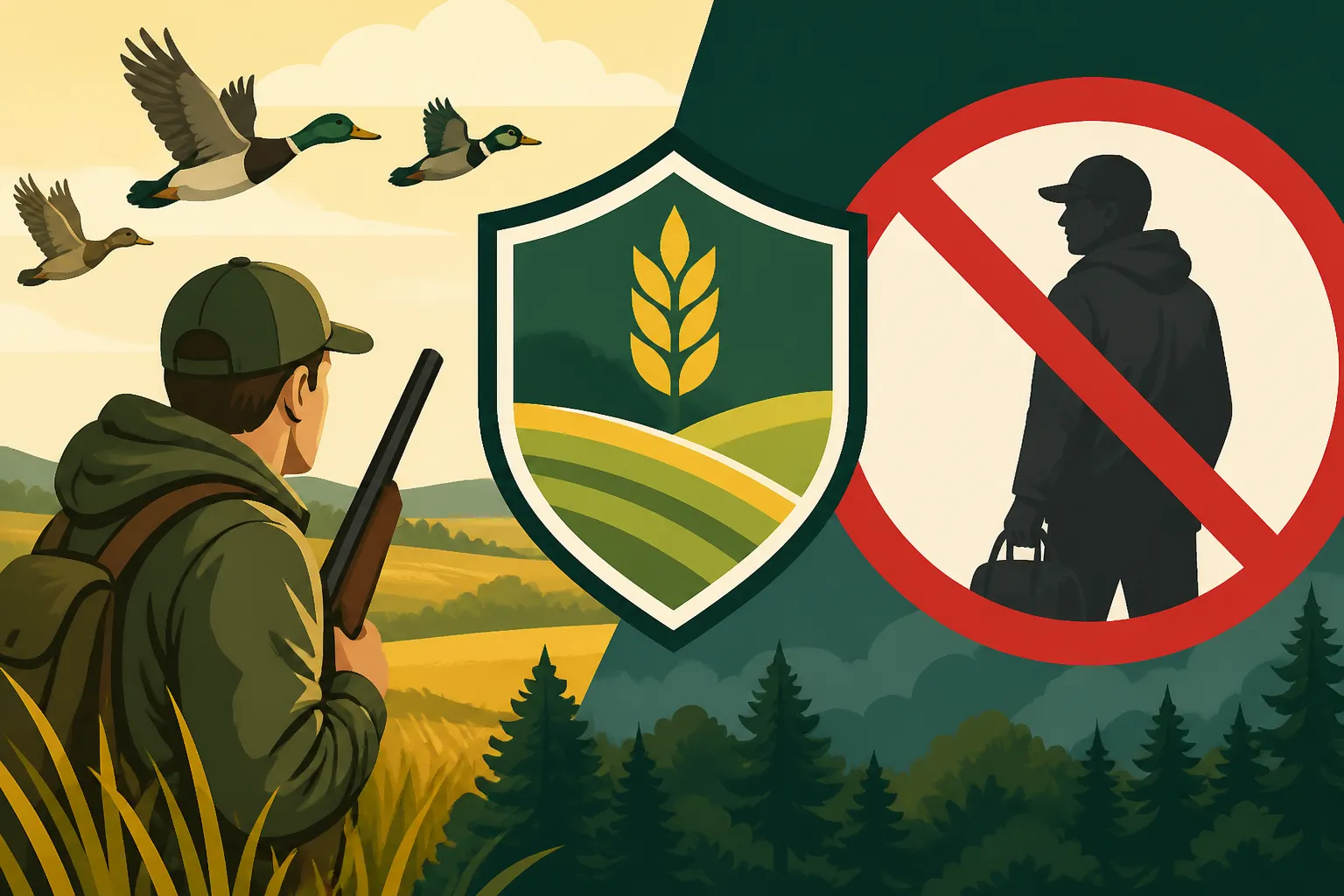
Why Saskatchewan Restricted Non-Resident Bird Licences
It's a common story: hunters from outside Saskatchewan, eagerly anticipating their annual migratory bird hunt, suddenly found themselves facing new, unfamiliar restrictions. The frustration is understandable. Many have built traditions over decades, planned trips meticulously, and invested significantly in gear and travel, only to discover that the rules of the game have changed. This guide is here to shed light on precisely why Saskatchewan introduced these restrictions on non-resident bird licences, delving into the underlying pressures and policy considerations that led to these significant shifts.
Understanding the Shift in Saskatchewan's Bird Hunting Landscape
For generations, Saskatchewan has been synonymous with world-class waterfowl hunting. The province's vast grain fields, countless potholes, and strategically located migratory flyways create an unparalleled staging ground for ducks, geese, and cranes. This natural abundance has always drawn hunters from across Canada and the United States, creating a vibrant hunting culture and a significant economic driver. However, this very popularity, coupled with evolving environmental and social factors, eventually necessitated a re-evaluation of how this precious resource was managed.
Historical Context of Non-Resident Waterfowl Hunting
For many years, the framework for non-resident waterfowl hunting in Saskatchewan was relatively open. Hunters from other provinces and the United States could purchase licences, secure permission, and enjoy extended hunting trips, often for weeks at a time. This era was characterized by a sense of abundant opportunity, and Saskatchewan earned its reputation as a "duck factory" and a goose hunter's paradise. The ease of access, combined with the sheer numbers of birds, made it a prime destination. Many hunters recall times when securing permission was simpler, and fields, while popular, didn't feel quite as crowded. It truly was a golden age for those travelling to chase ducks and geese.
The appeal was immense. Imagine thousands of snow geese descending on a freshly swathed barley field, or mallards cupped over a decoy spread in a secluded pothole. This draw created a strong demand for Saskatchewan's game bird licences. Non-resident hunters, often from states like Minnesota, Wisconsin, or North Dakota, found Saskatchewan offered an experience simply unmatched closer to home. They eagerly drove the long distances, booked accommodations, and contributed substantially to local economies, becoming familiar faces in small towns and rural communities during the fall migration.
The Growing Pressure on Saskatchewan's Waterfowl Resource
While Saskatchewan's waterfowl populations are generally healthy, the pressure on the resource, and on hunting opportunities, has undeniably intensified over the years. This isn't just about the birds themselves, but also the available hunting land and the overall hunter experience. With more people wanting to hunt, and advancements in scouting and communication technology, traditional hunting grounds became increasingly crowded.
One major factor has been the sheer growth in popularity of waterfowl hunting, both among residents and non-residents. What was once a niche pursuit has seen a resurgence, driven by online communities, social media, and improved gear. This increased interest meant more boots on the ground, more trucks on grid roads, and more calls to landowners seeking permission. Furthermore, modern technology, such as sophisticated mapping apps and online forums (which can include tools like GoHunt for scouting), made it easier for hunters to locate prime feeding areas and access points, often concentrating pressure on specific, highly productive fields. This concentration of hunters, especially non-residents spending extended periods in the field, began to spark concerns among long-time resident hunters about their own access and the quality of their hunting experience.
Key Factors Driving the Restriction Decisions
The decision to restrict non-resident bird licences was not made lightly. It was the result of a complex interplay of factors, including conservation concerns, the equitable distribution of hunting opportunities for residents, and the broader economic impact on the province's hunting industry. The provincial government, through the Ministry of Environment, sought to strike a balance that would sustain the resource, address stakeholder concerns, and maintain Saskatchewan's reputation as a premier hunting destination.
Conservation Concerns and Sustainable Harvest
At the heart of any hunting regulation lies the paramount concern for conservation and ensuring a sustainable harvest. While waterfowl populations fluctuate year-to-year based on breeding success, habitat conditions, and weather patterns, the long-term health of these migratory birds is a continuous priority. The Ministry of Environment, in conjunction with federal agencies like Environment and Climate Change Canada (which manages Saskatchewan Migratory Bird Permits), constantly monitors bird numbers and trends.
The sheer volume of non-resident hunters, particularly those spending extended periods in the province, raised questions about the overall harvest impact. While individual hunters are bound by daily and possession limits, the cumulative effect of many hunters over several weeks was a factor considered. The goal was to ensure that the total harvest, across all hunter groups, remained within ecologically sound limits. By limiting the duration of non-resident hunts, the province aimed to reduce overall hunting pressure and ensure that the waterfowl populations could continue to thrive for future generations. This wasn't necessarily an indictment of non-resident hunters, but rather a management tool to better control one variable in the complex equation of wildlife conservation.
Addressing Resident Hunter Access and Opportunity
Perhaps one of the most vocal drivers behind the licence changes was the growing sentiment among Saskatchewan residents that their access to prime hunting grounds was diminishing. Many resident hunters expressed frustration over crowded fields, difficulty in obtaining Getting Permission for a Goose Field, and the feeling that non-residents, often supported by outfitters, were monopolizing the best opportunities. This was particularly true in some of the most sought-after waterfowl hunting areas, where hunters could literally find themselves vying for space in fields with multiple groups.
The provincial government heard these concerns loud and clear. There was a strong desire to ensure that Saskatchewan residents, who pay provincial taxes and contribute directly to local economies year-round, felt they had priority and ample opportunity to enjoy their hunting heritage. The restrictions were partly a response to this call for a more equitable distribution of access, aiming to alleviate pressure on popular hunting zones and give residents a better chance at successful hunts. It's a tricky balance, as all hunters contribute to conservation, but the political and social pressure to prioritize local access became a significant policy driver.
Economic Considerations and Outfitter Industry Dynamics
The role of the outfitting industry also played a part in the discussion. Many non-resident hunters choose to book through licensed outfitters, especially for species like snow geese, which often require extensive decoy spreads and expert scouting. Outfitters provide valuable services and contribute to the provincial economy. However, the unrestricted access of non-residents also meant that some outfitters could book back-to-back groups for weeks, potentially exacerbating the perceived crowding issues for independent resident hunters.
The restrictions, particularly the move to a five-day term limit for non-resident bird licences, introduced a new dynamic. This term limit, while posing challenges for some non-resident hunters, also aimed to create a more structured environment for all hunters. It also influenced how outfitters package their hunts, often leading to more focused, intense hunting experiences within that shorter window. The aim was not to dismantle the outfitting industry, but to integrate it into a broader management strategy that considered all stakeholders. This is where a company like GoHunt, which helps hunters find and evaluate outfitters, can be particularly useful for non-residents navigating these new requirements.
The Specifics of the Non-Resident Bird Licence Restrictions
The core of the new restrictions for non-resident bird hunters in Saskatchewan revolves around a specific change to the licence term. This shift dramatically alters the planning and execution of waterfowl hunting trips for those coming from outside the province, requiring more strategic thinking and often, a different approach to their hunt.
The Five-Day Term Limit
The most impactful change for non-resident bird hunters is the implementation of a five-day term limit on their licences. Previously, non-resident game bird licences allowed for a longer, continuous hunting period, similar to resident licences. Now, a non-resident hunting migratory game birds in Saskatchewan is restricted to a specific five-day window of their choosing within the open season. This doesn't mean you can only hunt for five days total in a season, but rather that each licence purchased is valid for a designated five-day period.
This rule directly impacts hunters who traditionally planned multi-week excursions. It means a single licence cannot cover an extended trip. If a non-resident hunter wishes to hunt for more than five days, they would theoretically need to purchase multiple five-day licences, each for a different five-day term, and adhere to all other regulations. This has significant implications for overall trip cost and logistics, as outlined in articles like Saskatchewan's Five-Day Game Bird Terms. The intent behind this, as discussed earlier, was to help spread out hunting pressure and create more opportunities for resident hunters throughout the season by limiting the continuous presence of non-residents in certain areas. It forces a more condensed, focused hunting approach.
Implications for Planning a Hunt
For non-resident hunters, these restrictions mean that meticulous planning is no longer just a suggestion – it's an absolute necessity. Gone are the days of simply arriving in Saskatchewan and figuring things out on the fly for an extended period. Now, every single day of the five-day term counts, and maximizing that time requires foresight.
Here's a breakdown of what non-residents need to consider:
- Timing is Everything: Hunters must carefully select their five-day window to coincide with peak migration patterns for their target species. This often means extensive research into historical migration data and real-time reports. Understanding When Snow Geese Pass Through Saskatchewan or when mallards are typically most abundant in certain areas becomes critical. Tools like GoHunt can provide valuable data and insights to help pinpoint the best five-day window for a specific location.
- Intensive Scouting or Guided Services: With a limited window, there's less room for error. Non-residents will either need to dedicate substantial time to pre-scouting (often using online mapping services or taking scouting trips before their hunting window begins) or, more commonly, rely on the expertise of a Saskatchewan Waterfowl Outfitter Packages. An outfitter handles the daily Scouting Fields for Saskatchewan Waterfowl, sets up decoys for Field Hunting Geese in Saskatchewan Stubble, and ensures hunters are in the best possible position from day one. This shift has certainly increased the demand for professional guiding services.
- Logistical Challenges: The five-day term can make travel logistics more complex. Hunters flying in need to coordinate flights, accommodation, and rental vehicles precisely. Those driving long distances must factor in travel time to and from Saskatchewan, potentially reducing their effective hunting days if they choose a shorter trip. This compressed timeline can make the hunt feel rushed if not managed effectively.
- Budgeting: While the per-licence cost might not have changed drastically, the need for multiple licences for longer trips, or the increased likelihood of booking an outfitter, means non-resident bird hunting can be a more significant financial investment. It's important to understand What a Saskatchewan Guided Waterfowl Trip Costs and factor in all associated expenses, including permits like the federal Saskatchewan Migratory Bird Permits and compliance with Non-Toxic Shot Requirements for Waterfowl.
Here's a simplified comparison of non-resident bird hunting rules:
| Feature | Before Restrictions (Example) | After Restrictions (Current) |
|---|---|---|
| Licence Validity Period | Often 10-14+ consecutive days | Specific 5-day term |
| Hunter Access/Pressure | Higher, concentrated in peak areas | Aimed at spreading out, less continuous |
| Planning Required | Flexible, extended scouting possible | Meticulous, every day counts |
| Outfitter Reliance | Optional for many | More common, often recommended |
| Cost for Extended Hunt | One licence, single trip expense | Multiple 5-day licences or outfitter |
This table clearly illustrates the fundamental shift. Non-residents must now make their hunting days count even more, focusing on efficiency and preparation. This often leads to a more intense, but hopefully equally rewarding, experience within the shorter legal timeframe. The restrictions underscore the importance of understanding all Saskatchewan Game Bird Seasons and Limits before embarking on a trip.
Looking Ahead: Navigating Saskatchewan's Bird Hunting Future
The restrictions on non-resident bird licences in Saskatchewan are now a reality, and they represent a permanent shift in how migratory bird hunting is managed in the province. For non-resident hunters, this means adapting to a new paradigm, one that emphasizes focused planning, efficient execution, and a deeper appreciation for the available window of opportunity. It's about adjusting expectations and strategies to continue enjoying the world-class hunting that Saskatchewan offers.
Adapting to New Realities
For non-resident hunters who cherish their annual trips to Saskatchewan, adaptation is key. The days of casual, prolonged hunting excursions are largely over, replaced by the need for a more concentrated and deliberate approach. This doesn't mean the experience is diminished, but rather transformed. Many hunters are finding new ways to make the most of their five-day terms, such as:
- Targeting specific species: Instead of trying to hunt every available bird, non-residents might now focus their five days on Hunting Saskatchewan's Snow Goose Migration or solely on mallards in Pothole Hunting Prairie Ducks. This specialized approach can yield higher success rates within the limited timeframe.
- Leveraging technology and information: Advanced mapping apps, weather forecasting, and real-time migration reports become even more crucial. Online platforms can help non-residents identify promising areas and, importantly, understand where hunting pressure might be lighter. Utilizing resources like GoHunt to understand game distribution, property boundaries, and potential outfitter services can greatly enhance a condensed trip.
- Building local relationships: Establishing connections with landowners or local hunters can be invaluable. While direct permission might still be challenging, local insights on bird movement, field conditions, and less-pressured areas can be golden.
- Prioritizing quality over quantity: With fewer days, the focus shifts from accumulating large numbers of birds to enjoying the overall hunting experience, making ethical shots, and appreciating the beauty of Saskatchewan's landscape. A well-planned, successful five-day hunt can be far more memorable than a drawn-out, less productive one.
This new reality also opens doors for outfitters to specialize in delivering intensive, high-quality five-day experiences, offering guided hunts that meticulously plan every detail to maximize the limited time. For those considering this route, understanding Why Non-Residents Need an Outfitter is crucial.
The Role of Advocacy and Hunter Education
Even with the restrictions in place, the broader hunting community has a vital role to play in ensuring the long-term health of Saskatchewan's waterfowl resource and the sustainability of hunting opportunities. This involves both advocating for sound wildlife management policies and upholding the highest standards of hunter education and ethics.
- Staying informed and engaged: Hunters, both resident and non-resident, should stay informed about regulation changes and participate in public consultations when opportunities arise. Organizations like the Saskatchewan Wildlife Federation are crucial voices in advocating for hunters' interests and conservation. Understanding the "Where Saskatchewan Rules Changed This Year" discussions is part of being a responsible hunter.
- Promoting ethical hunting practices: Respect for landowners, adherence to all regulations (including Saskatchewan Blaze Orange Rules and proper Meat Care in Saskatchewan's Cold Snaps), and a commitment to fair chase are essential. These practices build positive relationships between hunters, landowners, and the general public, which benefits everyone.
- Supporting conservation efforts: Beyond licence fees, contributing to conservation organizations helps fund vital habitat preservation and restoration projects, which are crucial for the long-term abundance of migratory birds. Healthy habitats are the foundation of healthy populations.
- Mentorship and education: Encouraging new hunters, especially youth, to learn about ethical hunting and conservation is paramount. Passing on knowledge about responsible practices ensures the future of hunting. For those new to the province, understanding general hunting safety, such as Hunting Saskatchewan Winter Weather Safely, is always important.
Ultimately, while the restrictions may require adjustments, they are part of an ongoing effort to balance access, conservation, and the diverse interests within the hunting community. By adapting thoughtfully and remaining committed to responsible hunting, non-residents can continue to enjoy the exceptional waterfowl hunting that Saskatchewan proudly offers.
Disclaimer
The information provided in this guide is for general informational purposes only and does not constitute legal advice. Hunting regulations in Saskatchewan can change, and it is the responsibility of every hunter to consult the official Saskatchewan Hunters' and Trappers' Guide, the Saskatchewan Ministry of Environment, and other relevant authorities (such as Environment and Climate Change Canada for migratory bird regulations) before planning or undertaking any hunting activity. Always confirm the most current regulations, seasons, and licensing requirements before you go afield.