Penalties for a Hunting Violation
It’s a crushing feeling to be out in the field, enjoying the crisp Saskatchewan air, only to realize you might have unknowingly stepped over a line, or worse, intentionally made a poor choice that’s now caught the attention of enforcement. Hunting violations can range from a simple mistake in paperwork to serious offenses that jeopardize your hunting future and reputation. This guide is here to walk you through the various penalties associated with hunting violations in Saskatchewan, what they mean for you, and most importantly, how to avoid them entirely by being an informed and ethical hunter.
Understanding the Basics: What Constitutes a Violation?
Nobody wants to be on the wrong side of the law, especially when it comes to something as cherished as hunting. But sometimes, in the excitement of the hunt or simply due to a lack of awareness, hunters can find themselves facing penalties. It's crucial to understand that ignorance of the law is rarely an excuse in the eyes of enforcement. Saskatchewan's hunting regulations are designed to protect wildlife populations, ensure public safety, and maintain the integrity of hunting as a sport. Violations occur when these rules are broken, whether intentionally or not.
Common Hunting Infractions in Saskatchewan
Hunting violations in Saskatchewan can cover a vast spectrum of activities, from seemingly minor administrative errors to severe ethical breaches. One of the most common issues involves licensing and permits. Hunters might forget to validate their tag immediately after a kill, or perhaps they’ve purchased the wrong licence for the specific Wildlife Management Zone (WMZ) they're hunting in. We've all been there, scratching our heads at the complexities of the regulations, but the onus is on us to get it right. It's easy to overlook a small detail, like not having your Saskatchewan's Wildlife Habitat Certificate with you, which is a mandatory requirement.
Another frequent area of infraction revolves around species, season, and bag limits. For example, harvesting an antlered whitetail buck in a zone only open for antlerless deer, or accidentally shooting over your daily limit of ducks. These mistakes often stem from not thoroughly reviewing the Saskatchewan Big Game Season Dates or Saskatchewan Game Bird Seasons and Limits for your specific area. Then there are the rules around firearm use and safety, like shooting from a vehicle or across a public road, which are strict for obvious reasons. Trespassing on private land without permission is another significant and common violation, leading to strained landowner relations and potential legal trouble. Knowing Saskatchewan Landowner Permission Law is paramount.
The Difference Between Minor and Major Violations
While all violations carry consequences, the legal system generally distinguishes between minor infractions and more serious offenses. Minor violations might include failing to sign your licence, not tagging game immediately, or perhaps hunting in a closed area due to a simple map misinterpretation. These often result in warnings, smaller fines, or short-term suspensions. The intent behind the action, or lack thereof, often plays a significant role in how these are categorized.
On the other hand, major violations involve more deliberate or egregious acts that pose a greater threat to wildlife, public safety, or the integrity of the resource. Examples include hunting without a valid licence, hunting out of season for a protected species, wanton waste of game meat, or night hunting. Poaching, especially of trophy animals, falls firmly into the major category. These offenses often carry hefty fines, long-term licence suspensions, significant penalties like vehicle or equipment seizure, and even potential jail time. For instance, repeatedly ignoring Saskatchewan Posted Land Sign Rules after being warned could escalate from a trespass issue to a more serious violation of the Wildlife Act. Understanding this distinction is vital for every hunter to gauge the potential repercussions of their actions.
The Immediate Consequences: Field-Level Penalties
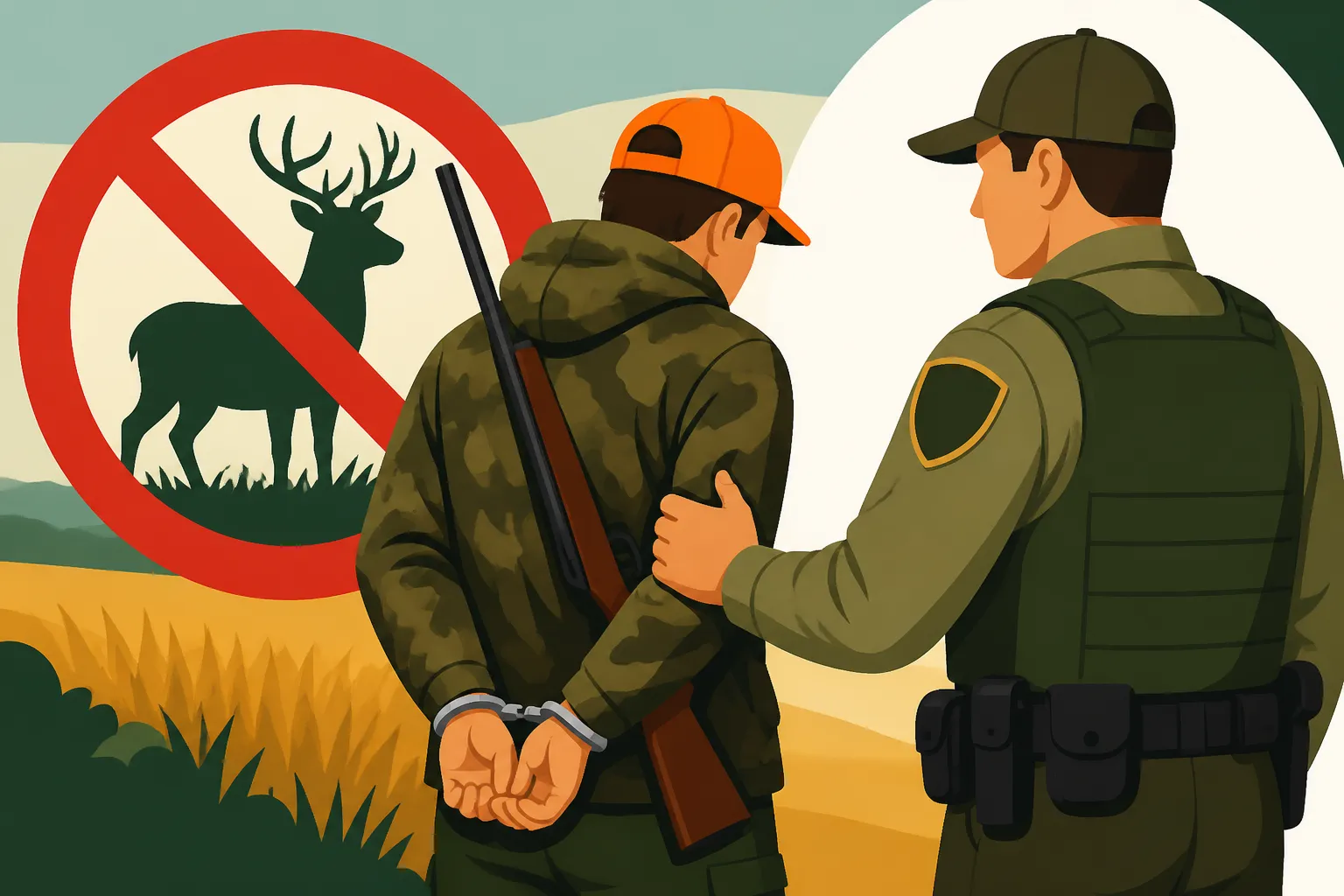
Picture this: you've just made a great shot, your heart is pounding, and then you hear the crunch of boots on frozen ground behind you. A conservation officer. Most interactions with conservation officers are professional and educational, but if a violation has occurred, the immediate consequences can be startling and impactful. These aren't just slaps on the wrist; they are designed to deter illegal activity and ensure compliance with the law.
Warnings, Seizures, and Licence Suspension
One of the less severe outcomes you might face for a minor infraction is a verbal or written warning. This is often given when the officer determines a genuine, unintentional mistake was made, and the hunter is cooperative and remorseful. However, even a warning goes on record and can escalate future penalties if repeat offenses occur. For example, a conservation officer might give you a warning for a minor technicality, but a repeat offense could lead to a fine.
More serious situations can lead to the seizure of hunting equipment. This could include your rifle or bow, ammunition, optics, vehicle, or even the harvested game itself. This is particularly common in cases of poaching, hunting without a licence, or using illegal methods. Imagine having your prized rifle confiscated, or the moose you just spent days tracking being taken as evidence. It's a harsh reality that can quickly turn a successful hunt into a nightmare.
Licence suspension is another common and immediate penalty. This means you might lose your hunting privileges for a certain period, ranging from one year to a lifetime, depending on the severity and nature of the violation. A lifetime ban is a particularly devastating outcome for any passionate hunter. These suspensions often apply not just to Saskatchewan but are recognized across North America through inter-provincial and international agreements. This means a violation here could impact your ability to hunt in other provinces or U.S. states. This information is often tracked through systems like your Saskatchewan's HAL Account and Licensing, making it very difficult to hide past infractions.
Financial Penalties and Surcharges
The financial burden of a hunting violation can be substantial, often far exceeding the cost of the licence itself. Fines in Saskatchewan can range from a few hundred dollars for minor offenses to tens of thousands for serious poaching or commercial trafficking of wildlife. These fines are often set by regulation or determined by the courts, taking into account factors like the species involved, the method used, and the intent.
For example, a hunter caught hunting a restricted species out of season might face a significant fine. On top of the base fine, there are often surcharges and victim impact fees added, which further inflate the total cost. These funds often go back into wildlife management and conservation efforts, but that's cold comfort when you're writing the cheque.
Consider a hypothetical situation: a hunter is found to have shot a bull moose in a zone only open for cow moose. Not only could they face a substantial fine for unlawfully harvesting big game, potentially in the thousands, but their vehicle might be seized, and they could lose their hunting privileges for several years. This doesn't even account for the legal fees if they choose to fight the charges. It’s a powerful deterrent, and rightly so, to ensure the sustainability of game populations across the province. You can find detailed penalty schedules in the Saskatchewan Wildlife Act and its regulations, which is a good reason to always consult resources like the official Where to Read the Hunting Guide.
Court Proceedings and Further Repercussions
Sometimes, a field-level interaction with a conservation officer is just the beginning. More serious violations often lead to formal charges and require an appearance in court. This process can be lengthy, stressful, and have profound long-term consequences that extend far beyond a simple fine.
Navigating the Legal System
If you are charged with a hunting violation, you will likely receive a summons to appear in provincial court. This is a formal legal process where you will have the opportunity to plead guilty or not guilty. If you plead not guilty, a trial will be set where evidence will be presented by the prosecution, and you or your legal counsel will have the chance to present your defense. This can involve witness testimony, expert opinions, and the review of physical evidence.
Hiring legal representation is often a wise decision, especially for more serious charges, as the legal system can be complex and intimidating. A lawyer specializing in environmental or wildlife law can help you understand the charges, navigate court procedures, and potentially negotiate a plea bargain. The costs associated with legal representation can add significantly to the overall financial burden of a violation. The entire process, from the initial charge to a final verdict, can take months, sometimes even over a year, causing considerable stress and disruption to your life. For instance, if you're accused of a serious offense like commercial poaching, the stakes are incredibly high, and the court process will be thorough and demanding.
Long-Term Impacts: Hunter Number and Future Opportunities
Beyond the immediate fines and potential licence suspensions, hunting violations can cast a long shadow over your future as a hunter. One of the most significant long-term impacts relates to your hunter number. This unique identifier, issued upon completion of Saskatchewan Hunter Education Requirements, is tied to your entire hunting history. A violation recorded against your hunter number becomes a permanent part of your record. This can affect your ability to participate in future draws, especially for coveted species like elk or moose, where a clean record and high priority pool status are crucial. Some jurisdictions may also look at your record when considering a new licence application.
Furthermore, certain convictions can lead to a permanent prohibition on owning firearms, which would effectively end your hunting career. Even if you retain your hunting privileges, the social stigma within the hunting community can be significant. Many outfitters, recognizing the importance of ethical conduct, will research potential clients. A hunter with a history of violations might find it challenging to book a guided hunt, whether it's for Whitetail Hunting in Saskatchewan or a Black Bear Hunting in Saskatchewan trip. This is where resources like GoHunt become invaluable; they emphasize responsible hunting practices and often provide information that helps hunters avoid such pitfalls in the first place, allowing them to participate in the sport for years to come without worry.
The ability to maintain access to hunting areas can also be affected. Landowners are often hesitant to grant permission to individuals with a history of disrespecting hunting laws, further limiting opportunities for those with a tainted record. This emphasizes why understanding and respecting every aspect of hunting law, including rules about Quad and Side-by-Side Rules on Crown Land, is so important for the long-term enjoyment of the sport.
Avoiding Violations: Best Practices for Ethical Hunters
The best way to deal with hunting violations is to avoid them entirely. This isn't just about escaping penalties; it's about upholding the integrity of the sport, respecting wildlife, and ensuring that future generations can enjoy the same opportunities we do. Being an ethical and informed hunter is a continuous journey of learning and due diligence.
Know Your Regulations: Resources and Due Diligence
The sheer volume of hunting regulations can feel overwhelming. Every year, rules might change for specific zones, species, or seasons. This is why continuous education and meticulous preparation are crucial. Before every hunt, take the time to thoroughly review the current year's hunting guide. Don't just skim it; read the sections relevant to the species you're pursuing and the specific WMZ you plan to hunt in.
Utilize available digital tools. Apps like GoHunt, for example, often provide up-to-date information on boundaries, land ownership, and regulations, making it easier to stay within legal limits. These tools can highlight public land boundaries and alert you if you're nearing private property where What Saskatchewan's Trespass Law Requires applies, helping you avoid accidental trespass. Beyond digital aids, contacting a local conservation officer or the Ministry of Environment with specific questions is always a good idea. They are a resource designed to help you understand complex regulations. Attending local Saskatchewan Wildlife Federation meetings or online forums can also be a great way to stay informed about local conditions, rule changes, and best practices.
It’s also crucial to double-check your licence and tags before you head out. Ensure they are valid for the current season, for the correct species, and that you have all necessary permits, such as migratory bird permits if you’re waterfowl hunting. Carrying a physical copy of your licence and any required permits is a non-negotiable step.
The Importance of Reporting and Self-Correction
Even with the best intentions, mistakes can happen. What distinguishes an ethical hunter is how they respond to an error. If you realize you've accidentally violated a regulation – perhaps by shooting an antlered deer when your tag was for antlerless only, or misidentifying a protected species – the most responsible course of action is to immediately report it to the Ministry of Environment or a conservation officer. This act of self-correction, while difficult, demonstrates integrity and a commitment to conservation. While there might still be consequences, they are often less severe for self-reported, unintentional violations compared to those discovered by enforcement.
Furthermore, ethical hunting extends to holding others accountable. If you witness a hunting violation, it is your responsibility to report it. Saskatchewan has a dedicated "Turn In Poachers" (TIP) line (Saskatchewan's Turn In Poachers Line) and an online reporting system. This isn't about snitching on fellow hunters; it's about protecting the resource for everyone. Poaching and illegal hunting activities undermine conservation efforts, reduce game populations, and tarnish the image of ethical hunters. By reporting these actions, you are actively participating in wildlife management and ensuring that hunting remains a sustainable and respected activity in Saskatchewan. GoHunt and similar platforms also often encourage community engagement and reporting to maintain ethical standards across the hunting landscape.
Being proactive, staying informed, and acting with integrity are the cornerstones of responsible hunting. It not only keeps you on the right side of the law but also contributes positively to the future of hunting in Saskatchewan.
Summary of Penalties and Best Practices
To help summarize the key points, here's a table outlining common violations, their potential consequences, and the best practices to avoid them.
| Violation Type | Examples | Potential Consequences | Best Practice |
|---|---|---|---|
| Licensing/Tagging Errors | Hunting without a valid licence, failure to tag game, wrong zone/species on tag. | Fines (hundreds to thousands), game seizure, licence suspension (1-5 years), record on hunter number. | Double-check all licences/tags, confirm WMZ rules, read hunting guide thoroughly, carry all documents. |
| Season/Bag Limit Breach | Harvesting out of season, exceeding daily/seasonal limits, wrong sex/age class. | Fines (hundreds to thousands, escalating for repeat/trophy animals), game/equipment seizure, licence suspension (1-10 years), hunter number record. | Consult Saskatchewan Big Game Season Dates or Saskatchewan Game Bird Seasons and Limits for specific species/zones. |
| Method Violations | Shooting from a vehicle/road, hunting at night (unless regulated), using illegal weapons. | Fines (thousands), equipment seizure (vehicle, firearm), licence suspension (multiple years to lifetime), criminal record for serious firearms offenses. | Understand Legal Firearms and Bows for Big Game rules, review shooting hour regulations, never shoot from or across a road. |
| Trespass | Hunting on private land without permission, ignoring posted signs. | Fines (hundreds to thousands), legal costs, strained landowner relations, potential property damage charges, licence suspension. | Always get landowner permission in writing, understand Saskatchewan Posted Land Sign Rules, use mapping tools like GoHunt. |
| Wanton Waste / Poaching | Leaving edible meat in the field, hunting protected species, commercial sale of game. | Hefty fines (thousands to tens of thousands), game/equipment seizure, lengthy to lifetime licence suspension, potential jail time, criminal record. | Utilize all edible portions of game, understand conservation laws, report suspicious activity via Saskatchewan's Turn In Poachers Line. |
| Failure to Report | Not reporting a harvest, not providing CWD samples when required. | Fines (hundreds), administrative penalties, loss of future draw opportunities, contribution to poor wildlife management data. | Know specific reporting requirements for your species, submit CWD samples in designated Mandatory CWD Testing Zones. |
Disclaimer
The information provided in this guide is for general informational purposes only and does not constitute legal advice. Hunting regulations in Saskatchewan can change, and interpretations may vary. It is always the hunter's responsibility to consult the most current Saskatchewan hunting regulations guide, available from the Ministry of Environment, and to understand all applicable laws before engaging in any hunting activities. For specific legal questions or concerns regarding hunting violations, please consult with a qualified legal professional.