Getting a Saskatchewan Trapping Licence
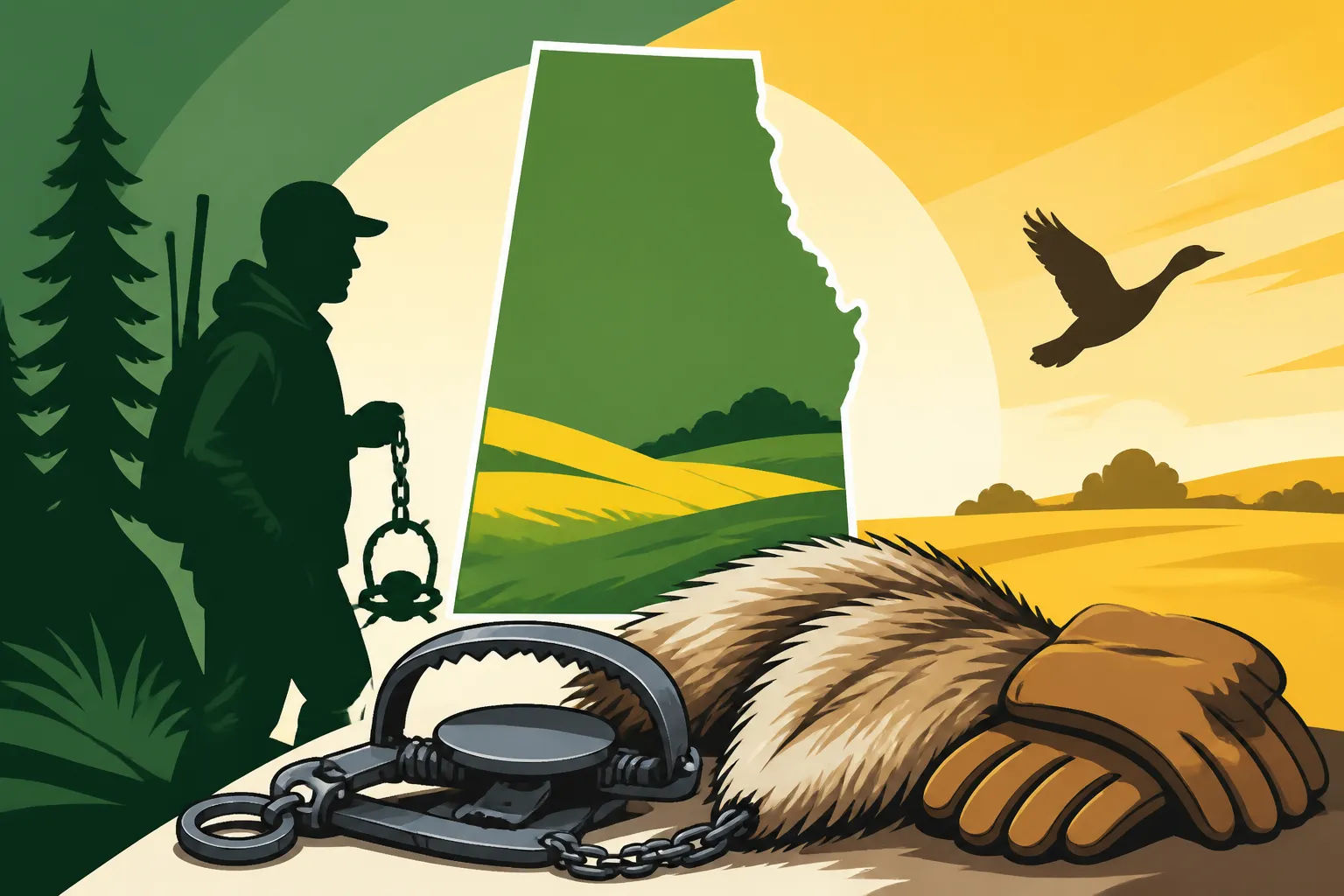
There's a certain romantic ideal about trapping in Saskatchewan, isn't there? The crisp morning air, the silence of the wilderness, the age-old pursuit of furbearers in a land that feels untouched. But the reality is, just like any other outdoor pursuit, modern trapping is deeply rooted in responsible practices, intricate regulations, and, most importantly, proper licensing. Trying to navigate the requirements for getting a Saskatchewan trapping licence can feel like untangling a particularly stubborn snarl in a snare line, especially if you're new to the game. This guide is here to untangle that process for you, breaking down every step so you can pursue your passion legally and responsibly.
Understanding Saskatchewan's Trapping Landscape
Before you even think about setting a trap, it’s crucial to understand the unique world of trapping in Saskatchewan. It's a blend of heritage, conservation, and practical skill, demanding respect for the land and its wildlife.
The Allure and Challenge of Trapping in Saskatchewan
For generations, trapping has been an integral part of Saskatchewan's history and economy. Indigenous peoples trapped for sustenance and trade long before European settlement, and early fur traders established the routes and outposts that shaped the province. Today, it remains a vital activity, contributing to wildlife management, providing income, and connecting individuals to the land in a profound way. The allure lies in that deep connection, the challenge of reading animal sign, outsmarting wary furbearers, and the satisfaction of a successful line run.
However, it's not just a walk in the woods. Modern trapping comes with its own set of challenges, from understanding complex regulations and ethical considerations to mastering humane trapping techniques. Trappers often brave extreme weather conditions, navigate remote terrain, and invest significant time and effort in scouting, setting, and checking their lines. It’s a demanding pursuit, but incredibly rewarding for those dedicated to it.
Furbearer Species and Trapping Opportunities
Saskatchewan is home to a diverse array of furbearers, each presenting unique challenges and opportunities for trappers. Depending on where you are in the province, from the southern prairies to the dense boreal forest, you'll encounter different species.
In the northern reaches of the province, in the expansive boreal forest, you'll find species like marten, fisher, lynx, and the ever-present beaver. The dense cover and myriad waterways provide ideal habitat for these animals. Moving south into the parkland and agricultural zones, coyotes and foxes become more common, often thriving around human-modified landscapes. Raccoon and skunk are also prevalent in these areas, as are weasels and mink, especially near water bodies.
The value of these furs fluctuates, but the pursuit often goes beyond pure economics. It’s about managing populations, maintaining ecological balance, and participating in a tradition. Knowing your target species – their habits, habitats, and peak fur quality – is fundamental to effective and ethical trapping. For a deeper dive into specific species, you might find information on subjects like Marten and Fisher in the Boreal or Beaver and Muskrat Numbers in Saskatchewan particularly insightful.
Key Regulations and Conservation Efforts
Trapping regulations aren't just arbitrary rules; they are carefully crafted tools for wildlife management and conservation. Saskatchewan's Ministry of Environment oversees these regulations, aiming to ensure sustainable furbearer populations and humane trapping practices. These rules cover everything from season dates and bag limits to legal trap types and reporting requirements.
For example, trappers are required to check their traps regularly to minimize animal suffering, and specific trap designs are mandated to ensure humane dispatch. Conservation efforts extend to habitat protection and ongoing research into furbearer populations. The fees paid for licences often directly contribute to these programs, making every licensed trapper a participant in broader conservation goals. It's a system designed to protect the resource for future generations, ensuring that the privilege of trapping continues.
The Step-by-Step Process for Obtaining a Trapping Licence
Getting your trapping licence in Saskatchewan isn't overly complicated, but it does require attention to detail and a commitment to learning. It's a structured process designed to ensure that all trappers are knowledgeable and responsible.
Eligibility Requirements
Before you even start thinking about what type of trap to buy, you need to confirm you're eligible to hold a Saskatchewan trapping licence. The core requirements are straightforward:
- Residency: You must be a resident of Saskatchewan or, in specific circumstances, a Canadian resident. Non-residents of Canada generally cannot obtain a Saskatchewan trapping licence for furbearers, as the privilege is largely reserved for residents.
- Age: There are minimum age requirements. Generally, you need to be at least 16 years old to hold an independent trapping licence. Younger individuals may participate under mentored programs, similar to those for hunting, but cannot hold their own line.
- Trapper Education: This is arguably the most critical requirement. Every first-time trapper in Saskatchewan must complete an approved Trapper Education course. This isn't just a suggestion; it's mandatory to ensure you understand ethical practices, regulations, and furbearer biology.
Failing to meet any of these basic criteria means your application won't proceed. It's always best to verify the most current requirements directly through the Saskatchewan Ministry of Environment or their official hunting and trapping guide, as rules can occasionally be updated.
The Saskatchewan Trapper Education Course
This course is the cornerstone of responsible trapping in Saskatchewan. It’s designed to equip you with the knowledge and skills necessary to trap safely, ethically, and effectively. Think of it as your foundational learning for protecting both yourself and the furbearers you pursue.
The course typically covers a wide range of topics, including:
- Furbearer Biology and Identification: Learning about the various species, their life cycles, habitats, and how to identify them correctly.
- Trapping Regulations: A deep dive into Saskatchewan's specific laws, season dates, bag limits, and reporting requirements.
- Humane Trapping Techniques: This is a major focus, covering trap selection, setting methods, trap maintenance, and how to minimize stress and injury to animals.
- Safety: Wilderness first aid, cold weather survival, safe handling of traps and animals, and what to do in emergencies.
- Fur Handling: Proper skinning, fleshing, stretching, and drying techniques to ensure high-quality pelts.
- Trapper Ethics and Responsibility: Understanding your role in conservation and respecting land, other trappers, and the public.
These courses are usually offered through local Saskatchewan Wildlife Federation branches or other certified instructors. You'll want to check the Ministry of Environment website or the SWF for course schedules and locations. Completing this course successfully will provide you with a certification number, which you'll need when applying for your licence. It's an investment in your trapping future and a crucial step for anyone serious about getting involved.
Applying Through Your HAL Account
Once you’ve met the eligibility requirements and, most importantly, completed your Trapper Education course, the next step is to apply for your licence through Saskatchewan's Hunting, Angling and Trapping Licence (HAL) account system. If you've ever purchased a hunting or fishing licence in Saskatchewan, you're likely already familiar with this online portal. If not, setting one up is straightforward.
First, you'll need to establish your Saskatchewan's HAL Account and Licensing online. This involves creating a unique profile, entering your personal details, and acquiring a Saskatchewan Hunter/Trapper Number. This number acts as your permanent identification within the licensing system. Once your account is active, you can navigate to the trapping section. You'll select the appropriate trapping licence, and the system will likely prompt you for proof of your trapper education certification number. Confirm all your details, pay the required fees, and your licence will be issued digitally or you'll have the option to print it. It's a convenient system, but always double-check all information before finalizing your purchase.
Licence Types and Associated Costs
Saskatchewan offers different types of trapping licences, each with its own scope and cost. Understanding these distinctions is important to ensure you apply for the correct one.
- Resident Trapping Licence: This is the most common licence and allows Saskatchewan residents to trap designated furbearers in open trapping areas (Crown land not allocated as a registered trapline) or on private land with permission.
- Registered Trapline Licence: These are specific, allocated parcels of Crown land, primarily in the northern boreal forest, that are leased to individuals for exclusive trapping rights. Obtaining one typically involves a separate application process, often with waiting lists and specific transfer rules, and an annual fee in addition to a standard trapping licence. This system is designed to provide stability for trappers in prime furbearer habitat.
- Special Species Licences: While a general trapping licence covers most furbearers, there might be specific regulations or additional permits required for certain species, or for trapping in specific zones. Always consult the current Saskatchewan Hunting and Trapping Guide to confirm.
The cost of these licences can vary, so it's essential to check the most up-to-date fee schedule on the Ministry of Environment's website or through your HAL account. Generally, a resident trapping licence is quite affordable, but the annual fees for a registered trapline are higher due to the exclusive nature of the land use. Remember, these fees contribute directly to wildlife management and conservation programs, supporting the very resource you're hoping to utilize.
Navigating Trapping Zones and Specific Rules
Once you have your licence in hand, the next big hurdle is understanding where you can actually trap and what specific rules apply to that location. Saskatchewan has a distinct system that trappers must understand.
Registered Trapline Areas vs. Open Trapping Areas
This is perhaps the most crucial distinction for any Saskatchewan trapper. The province divides its trapping territory into two main categories:
1. Registered Trapline Areas (RTAs): Predominantly found in the northern boreal forest regions, these are designated blocks of Crown land that are allocated to individual trappers. Once a trapline is registered to you, you have the exclusive right to trap furbearers within that specific area. This system aims to prevent overcrowding, promote sustainable harvesting, and provide economic stability for trappers in prime furbearer habitat. Obtaining a registered trapline usually involves a formal application, and there can be a waiting list for available lines. Transfers of these lines are also strictly regulated. These areas are often substantial, requiring considerable effort and knowledge to manage effectively. If you're considering trapping in the far north, understanding the nuances of Hunting Saskatchewan's Boreal Forest Fringe or Hunting Saskatchewan's Northern Lake Country can provide critical context for these remote regions.
2. Open Trapping Areas: These are all other areas of the province not designated as Registered Trapline Areas. This generally includes most of the agricultural land, aspen parkland, and any Crown land outside of RTAs. In these areas, trapping is open to anyone with a valid resident trapping licence, provided they have landowner permission on private land, or are trapping on accessible Crown land. While the competition might be higher, these areas often offer excellent opportunities for species like coyotes, foxes, and beaver. For those looking to utilize open areas, being familiar with Public Hunting Land in Saskatchewan and Saskatchewan's Crown Land Access is essential.
It's vital to know which type of area you are in and what rules apply. Ignorance of the zoning can lead to serious legal issues. Always consult the official Ministry of Environment zone maps and your current trapping guide. GoHunt and similar mapping platforms can be incredibly helpful here for identifying Crown land and understanding land ownership boundaries.
Important Regulations to Remember on the Line
Beyond just knowing where to trap, you need to understand the how. Saskatchewan has specific regulations designed to promote humane practices and responsible harvesting.
- Trap Types and Specifications: Not all traps are legal. Saskatchewan regulations specify which types of traps can be used for different species to ensure humane capture and dispatch. For example, certain body-grip traps (conibears) have size restrictions, and snares must meet specific loop diameter and breaking strength requirements. Lethal traps must be set in a way that minimizes the risk to non-target animals or pets.
- Trap Check Periods: To minimize suffering, trappers are mandated to check their traps within specific timeframes. For most land sets, this means checking at least once every 48 hours. Water sets, due to different factors, may have different requirements. Consistent and timely trap checking is a non-negotiable ethical obligation.
- Reporting Requirements: Trappers are often required to submit harvest reports, detailing the species, number of animals caught, and the location. This data is critical for the Ministry of Environment to monitor furbearer populations and adjust management strategies.
- Baiting Rules: While baiting is common in trapping, there may be rules about what kind of bait can be used, how it's presented, and its proximity to public areas or residences. These rules are in place to prevent accidental captures of pets or to manage public perception.
- Trap Identification: All traps must be clearly marked with the trapper's licence number or other identifying information. This ensures accountability and allows wildlife officers to identify the owner of any trap found.
These regulations are not just suggestions; they are law. A thorough understanding of them, as taught in your Trapper Education course, is critical for staying on the right side of the law and ensuring your trapping activities are ethical and sustainable.
Respecting Land Ownership and Access
While your licence grants you the privilege to trap, it doesn't automatically grant you access to all land. Respecting private property is paramount, and even on Crown land, there are rules to follow.
- Private Land: Trapping on private land always requires explicit permission from the landowner. This isn't just a courtesy; it's a legal requirement. Always ask for permission well in advance, clarify where you can set traps, and maintain good relationships. A friendly knock on the door can open up many opportunities, and it’s important to understand Saskatchewan Landowner Permission Law.
- Crown Land: While Crown land is generally accessible for trapping, there are nuances. Some Crown land may be leased for agricultural purposes (grazing leases), and while hunting may still be allowed, trapping might require consultation with the leaseholder, or at least a heads-up. Other Crown lands might have specific restrictions or be part of provincial parks or wildlife sanctuaries where trapping is prohibited. Using mapping tools like GoHunt can be invaluable for pinpointing suitable open trapping areas and understanding the lay of the land, helping you determine if you're on accessible Crown land or if permission is needed. Remember, certain areas like provincial parks often prohibit hunting and trapping.
- Access Routes: Be mindful of how you access trapping areas. Roads and trails can be on private land, even if the trapping area itself is Crown land. Always respect "No Trespassing" signs and use designated access points. If you're using a quad or side-by-side to access more remote areas, familiarize yourself with Quad and Side-by-Side Rules on Crown Land to ensure you're operating legally and responsibly. Maintaining positive relationships with landowners and other land users is key to the long-term future of trapping in Saskatchewan.
Beyond the Licence: Essential Considerations for Trappers
Getting your licence is a huge step, but it's just the beginning. Effective and ethical trapping involves a suite of skills and responsibilities that extend far beyond the paperwork.
Equipment and Best Practices for Humane Trapping
Modern trapping emphasizes humane practices, which rely heavily on using the right equipment and employing best practices. The goal is to ensure quick, clean, and ethical harvests, minimizing any suffering for the animal.
- Trap Selection: There's a wide variety of traps available, from foothold traps and conibear-style body grips to snares and live traps. Each is designed for specific furbearers and situations. For example, a properly sized conibear might be ideal for beaver or marten, while a carefully set foothold trap is effective for coyotes or foxes. Your Trapper Education course will delve deeply into appropriate trap types for different species and settings. Always ensure your traps are well-maintained, free from rust, and function smoothly.
- Trap Setting: This is an art form. Proper trap placement, camouflage, and anchoring are critical for success and safety. Traps must be set in a manner that maximizes effectiveness for the target animal while minimizing the risk to non-target species or domestic animals. For instance, setting traps in cubbies or underwater can help reduce accidental captures.
- Animal Welfare: The ethical trapper prioritizes animal welfare. This includes checking traps within the legal timeframes, using traps designed for humane dispatch, and dispatching animals quickly and professionally if found alive. The aim is to achieve a swift, clean harvest, reflecting respect for the wildlife being taken. Investing in quality tools and learning from experienced trappers will greatly improve your effectiveness and adherence to humane standards.
Fur Handling and Marketing
What you do after the catch is just as important as the catch itself. Proper fur handling significantly impacts the value and usability of the pelt, and understanding the market ensures your efforts are rewarded.
- Field Dressing: After dispatch, quick and clean field dressing is crucial. This typically involves removing the animal from the trap safely and then either cooling it quickly or beginning the skinning process.
- Skinning: Learning correct skinning techniques for each species is vital. Whether you're open-skinning a coyote or tube-skinning a fox, a clean and undamaged pelt is the goal.
- Fleshing and Stretching: Once skinned, the pelt needs to be fleshed (removing excess fat and meat) and then stretched and dried on a proper form or stretcher. This process takes time and skill, ensuring the fur dries evenly, maintains its shape, and maximizes its quality. Many trappers learn these skills through their trapper education or from mentors.
- Marketing Your Fur: The fur market fluctuates, but there are several avenues for selling your pelts. You can sell to local fur buyers, participate in fur auctions (like those held by the North American Fur Auctions, NAFA), or join a trappers' cooperative. Researching current market trends and buyer preferences will help you get the best return for your efforts. Even if you don't plan to sell, learning proper fur handling means you respect the animal you've harvested and can use its resources effectively. For more on preparing your harvest, you might find tips on Meat Care in Saskatchewan's Cold Snaps helpful, as some principles apply to proper cooling.
Safety in the Saskatchewan Wilderness
Saskatchewan’s vast and beautiful wilderness can also be unforgiving, especially during the trapping season which often extends into the colder months. Safety must always be your top priority.
- Weather Preparedness: Saskatchewan winters can be brutally cold, with sudden temperature drops and whiteout conditions. Always dress in layers, carry extra warm clothing, and be prepared for extreme cold. Understanding Hunting Saskatchewan Winter Weather Safely is essential, even for trappers.
- Navigation and Communication: Trapping often takes you into remote areas without cell service. Carry a GPS device, a detailed map (physical and digital, perhaps with a platform like GoHunt downloaded offline), and a compass. Consider investing in a satellite messenger (like an inReach or Spot device) for emergency communication. Always tell someone your plans, including your route and expected return time.
- Emergency Kit: A well-stocked emergency kit is non-negotiable. This should include fire-starting materials, a first-aid kit, emergency food and water, a multi-tool, a headlamp, and means for shelter. Knowing What to Do If You Get Stuck in the Bush could literally save your life.
- Wildlife Safety: While generally not aggressive, encountering large animals like moose or even wolves is possible, especially in northern regions. Be aware of your surroundings, know how to react to wildlife encounters, and consider carrying bear spray, even in winter.
- Safe Trap Handling: Traps, especially powerful body-grip traps, can cause serious injury if not handled correctly. Always use setters or safeties when arming or disarming traps, and be cautious when handling a captured animal.
Trapping is an incredible way to experience the wild, but it demands respect for the environment and a strong commitment to safety. Being prepared, knowledgeable, and responsible ensures a rewarding and safe experience on the line.
| Licence Type | Residency Requirement | Primary Trapping Area | Key Requirements | Typical Cost (CAD, approximate) |
|---|---|---|---|---|
| Resident Trapping Licence | Saskatchewan Resident | Open Trapping Areas (Crown & Private) | Mandatory Trapper Education Course | $20 – $50 (Annual) |
| Registered Trapline | Saskatchewan Resident | Designated RTA (Exclusive Rights) | Trapper Education, RTA Allocation/Lease Fee | $50 – $200+ (Annual, plus RTA fee) |
| Non-Resident Trapping | Not Available (Canada) | N/A | N/A | N/A |
Note: Costs are approximate and subject to change. Always check the current Saskatchewan Ministry of Environment fee schedule.
Disclaimer
The information provided in this guide is for general informational purposes only and does not constitute legal advice. Trapping regulations and licensing requirements in Saskatchewan are subject to change. It is the responsibility of every individual trapper to consult the most current Saskatchewan Hunting and Trapping Guide and the Saskatchewan Ministry of Environment website for the precise, up-to-date regulations before engaging in any trapping activities. Always prioritize safety, ethical practices, and respect for wildlife and land ownership.