Saskatchewan’s Predators and Furbearers
Many hunters and outdoors enthusiasts in Saskatchewan often focus on big game like deer, moose, or elk, sometimes overlooking the crucial role that predators and furbearers play in our province's ecosystems. These animals are not just statistics in a hunting guide; they are integral to the health and balance of our wildlife populations, from regulating prey numbers to cleaning up the landscape. This comprehensive guide aims to shed light on Saskatchewan's diverse array of predators and furbearers, offering insights into their biology, behavior, and the regulations surrounding their management and harvest.
Understanding Saskatchewan's Apex Predators: Wolves and Cougars
When we think of top predators in Saskatchewan, two animals often come to mind: the mighty wolf and the elusive cougar. These creatures represent the pinnacle of the food chain in their respective habitats, exerting significant influence on the prey species they share the landscape with. Understanding their habits is key to appreciating the complex dynamics of our wild spaces.
The Elusive Timber Wolf: Range, Behavior, and Impact
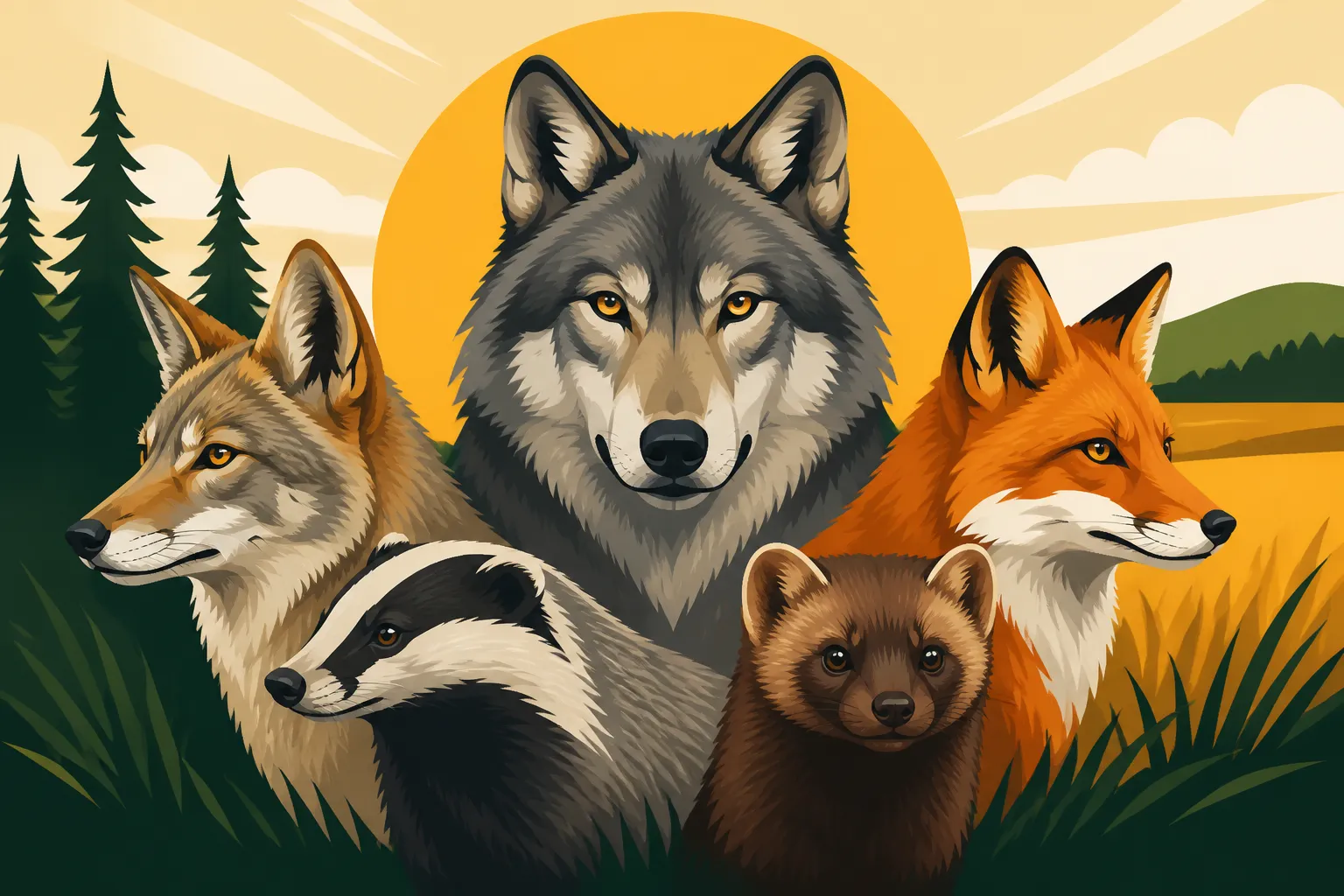
The timber wolf, also known as the grey wolf, is a symbol of wildness and a true apex predator in Saskatchewan's northern and boreal forest regions. These intelligent canids are social animals, living in highly structured packs that can range from a few individuals to more than a dozen. Their primary prey includes moose, elk, and deer, but they are opportunistic and will hunt smaller animals or scavenge carrion when necessary.
Wolf populations are generally stable in Saskatchewan's northern reaches, where vast wilderness provides ample habitat and prey. They thrive in areas with extensive forest cover, which offers both hunting grounds and denning sites. While a hunter might only catch a fleeting glimpse of a wolf, or perhaps hear a distant howl under a crisp northern sky, their presence is a constant force shaping the behavior and distribution of other big game. Hunters looking to challenge themselves with a unique experience can explore Hunting Wolves in the Northern Bush. The sheer size and cunning of a northern wolf make them an incredible adversary, and understanding their movements is crucial for success. These animals are powerful, with an average adult male weighing between 80 to 120 pounds, though larger specimens are certainly not unheard of, especially in the province's richest ecosystems. Their tireless pursuit of prey also means they travel vast distances, often covering dozens of kilometers in a single day, patrolling their territories and seeking out weaknesses in ungulate herds. This constant pressure helps keep prey populations healthy and robust, culling the weak and the sick.
Cougars in Saskatchewan: Presence, Prey, and Public Perception
The cougar, or mountain lion, is a more recent and incredibly fascinating addition to Saskatchewan's predator landscape, at least in terms of regular sightings. While not as widespread as wolves, cougars have been increasingly reported across central and southern Saskatchewan, suggesting an expanding population from their traditional ranges in the west. These solitary, stealthy hunters are masters of ambush, primarily preying on deer, but also capable of taking on larger animals or smaller mammals depending on availability.
Cougars prefer areas with dense cover, such as river valleys, coulees, and the edges of wooded areas, where they can stalk their prey unseen. Their presence, though still relatively rare, can significantly impact local deer populations, particularly in areas where deer are concentrated. For many, the idea of a cougar in Saskatchewan can be surprising, but their adaptability allows them to thrive in varied landscapes. While no specific season exists for cougars, incidental encounters and observations are becoming more common, reinforcing their role in the prairie and parkland ecosystems. Understanding the terrain and habits of prey species, like a whitetail that might use a river valley for cover, helps us understand where a cougar might establish a territory. The nocturnal and crepuscular habits of cougars mean that they are rarely seen, adding to their mystique, but trail camera footage and tracks in fresh snow often confirm their presence in unexpected places, especially in areas bordering larger tracts of forest or extensive river systems. Their incredible power allows them to take down animals much larger than themselves, dragging carcasses to secluded spots for extended feeding, making sign discovery a rare but exciting find for outdoor enthusiasts.
The Ubiquitous Coyote: Prairie Hunter and Scavenger
No discussion of Saskatchewan's predators would be complete without highlighting the coyote. These adaptable canids are found throughout the province, from the northern forest fringe to the open prairies, and are perhaps the most frequently encountered predator by hunters, farmers, and rural residents alike.
Coyote Ecology: Adaptability, Diet, and Social Structure
Coyotes are incredibly adaptable animals, capable of thriving in a wide range of habitats. They are opportunistic omnivores, with a diet that shifts seasonally and geographically. On the prairie, their primary food sources often include small mammals like rabbits and voles, as well as deer fawns and carrion, especially after winter kills or hunting seasons. In agricultural areas, they can also prey on livestock, which often puts them at odds with farmers. Their social structure is flexible, ranging from solitary individuals to small family groups.
Their intelligence and ability to learn quickly contribute to their widespread success. A coyote's howl is an iconic sound of the Saskatchewan night, echoing across stubble fields and through aspen bluffs. Hunters often try Calling Coyotes in Saskatchewan Stubble to bring these wary animals into range. Their numbers remain robust, and they continue to be a significant part of the ecosystem, constantly interacting with game animals. A significant portion of their diet consists of rodents and other small mammals, acting as a natural pest control in many agricultural settings. They are also vital scavengers, cleaning up dead animals and preventing the spread of disease, playing a crucial, though often unappreciated, role in the health of the land.
Managing Coyote Populations: Hunting and Trapping Strategies
Given their widespread presence and potential impact on livestock and game populations, coyotes are actively managed in Saskatchewan through hunting and trapping. There are no closed seasons or bag limits for coyotes for residents, making them an accessible target for those looking to hone their predator hunting skills or contribute to local population management. Various techniques are employed, from calling and stand hunting to trapping.
Hunting coyotes often involves strategic scouting, using resources like GoHunt to analyze terrain and identify potential travel corridors or denning areas. Understanding how to read sign and interpret coyote behavior is essential for success. Trapping, especially in winter, can also be an effective way to manage local populations and provide valuable pelts. Hunters should be mindful of property boundaries and always obtain permission when hunting on private land, as per Saskatchewan Landowner Permission Law. These management efforts help to mitigate conflicts with agriculture and can provide a challenging and rewarding hunting experience. The winter months, when coyote pelts are at their prime, are a popular time for hunting and trapping, as the snow reveals tracks and makes visibility clearer. Proper animal handling and dispatch are paramount for trappers, ensuring humane practices are followed. The furs, once processed, can be a beautiful reminder of a successful outing and a testament to the animal's wild beauty.
Red and Swift Foxes: Saskatchewan's Smaller Canids
Beyond the larger canids, Saskatchewan is also home to two species of foxes: the adaptable red fox and the remarkable swift fox. While both are relatively small compared to wolves and coyotes, they play important ecological roles and offer unique challenges for trappers and wildlife enthusiasts.
Red Fox: Woodland and Farmland Opportunist
The red fox is widely distributed across Saskatchewan, thriving in a variety of habitats including forests, parklands, and agricultural areas. Instantly recognizable by its rusty red coat and bushy white-tipped tail, the red fox is a cunning and opportunistic hunter. Their diet consists primarily of small mammals like mice, voles, and rabbits, but they will also consume birds, insects, fruits, and carrion. Their presence is often noted near farmsteads, where they can occasionally target poultry.
Red foxes are generally solitary hunters, though they may form small family groups during breeding season. They are incredibly wary animals, making them a challenging quarry for trappers. Their populations are generally stable, benefiting from their adaptability to human-modified landscapes. Learning Trapping Prairie and Boreal Furbearers provides excellent insight into the methods used to pursue these clever animals, highlighting the skill required. Their keen senses of smell and hearing, combined with their stealthy movements, make them incredibly difficult to detect, often requiring trappers to use carefully concealed sets and minimal human scent. The red fox's beauty, especially its winter coat, makes its pelt a sought-after commodity in the fur market.
The Return of the Swift Fox: Conservation Success Story
The swift fox is a truly remarkable conservation success story in Saskatchewan. Historically extirpated from Canada due to habitat loss and intensive predator control programs in the early 20th century, these small, agile foxes have made a incredible comeback thanks to dedicated reintroduction efforts and habitat protection. They are primarily found in the short-grass prairie regions of southwestern Saskatchewan.
Swift foxes are significantly smaller than red foxes or coyotes, characterized by their buff-yellow coat, black patches on their muzzles, and proportionally large ears. They feed mainly on small mammals, insects, and birds, and are known for their incredible speed, which helps them evade predators like coyotes and eagles. The swift fox is still considered an endangered species in Canada, and hunting or trapping them is strictly prohibited. Their continued recovery is a testament to the power of conservation and the importance of preserving critical prairie habitats. While a hunter or trapper might not pursue them, merely spotting a swift fox on the vast Saskatchewan prairie is a special experience, a reminder of what dedicated conservation efforts can achieve. Their reliance on intact grassland ecosystems means that their recovery is directly tied to the health of these sensitive environments, making careful land management vital for their continued survival and expansion.
Beyond the Mainstream: Wolverines, Badgers, and Skunks
While wolves, coyotes, and foxes often grab the spotlight, Saskatchewan is also home to other fascinating predators and opportunistic animals that play their own unique roles in the provincial ecosystem. Some are rarely seen, true ghosts of the wild, while others are more commonly encountered, albeit sometimes reluctantly!
Wolverines: Ghosts of the Northern Bush
The wolverine is perhaps the most mythical and rarely encountered furbearer in Saskatchewan. Known for their incredible strength, tenacity, and solitary nature, these largest members of the weasel family are true wilderness animals. They inhabit the vast, remote boreal forests of northern Saskatchewan, where they roam immense territories. Wolverines are opportunistic scavengers and fierce predators, capable of taking down prey much larger than themselves, and are infamous for their ability to break into cabins and caches.
Seeing a wolverine in the wild is an extremely rare privilege, a moment few hunters or trappers ever experience. They are highly valued for their fur, but due to their elusive nature and low population densities, they are not a common target. Their presence is a strong indicator of a healthy, undisturbed boreal ecosystem, and they require vast tracts of wilderness to thrive. Their incredible sense of smell allows them to detect carrion buried deep under snow, and their powerful jaws and claws can tear apart frozen carcasses with ease. They are a true symbol of the north, embodying rugged independence and untamed wilderness, often covering dozens of miles in their constant search for food and territory.
The Persistent Badger: Master Digger of the Prairies
The American badger is a distinctive and common sight across Saskatchewan's prairies and parklands. These stocky, powerful diggers are instantly recognizable by their flattened bodies, gray-striped fur, and prominent white stripe running from their nose over their head. Badgers are primarily carnivorous, and their powerful front claws are perfectly adapted for digging, allowing them to rapidly excavate burrows to catch their primary prey: ground squirrels, gophers, and other rodents.
Badgers are solitary animals and largely nocturnal, though they can be seen hunting during the day, especially in the cooler parts of the morning and evening. While not typically pursued as a primary furbearer, their pelts are sometimes taken opportunistically. Their digging activity, though sometimes a nuisance to landowners, plays an important ecological role by aerating soil and creating burrows that other species can use. These animals are surprisingly fast when they need to be, but their defensive strategy relies heavily on their digging ability, allowing them to rapidly disappear underground when threatened. Their presence is a good indicator of healthy prairie rodent populations, and their deep burrows are often shared or repurposed by other wildlife, including swift foxes and various owl species.
Skunks and Raccoons: Often Overlooked but Significant
While perhaps not as glamorous as wolves or wolverines, striped skunks and raccoons are common and important members of Saskatchewan's opportunistic wildlife. Both species thrive in a variety of habitats, including urban and rural settings, and are frequently encountered by people.
Striped skunks are well-known for their potent defensive spray, a deterrent so effective it's recognized universally. They are omnivores, feeding on insects, small rodents, eggs, fruits, and carrion. Raccoons, with their distinctive masked faces and dexterous paws, are equally adaptable omnivores, often frequenting farmyards and urban areas in search of food. They will eat almost anything, from corn and berries to frogs, fish, and garbage.
Both species are considered furbearers and are trapped, particularly in areas where their populations are high or where they cause nuisance issues. While not typically high-value pelts, they contribute to the diversity of the furbearer harvest. Understanding their habits, especially near human settlements, helps to mitigate conflicts and appreciate their role as nocturnal scavengers and insect controllers. The intelligence of raccoons, in particular, often surprises people; their ability to problem-solve and manipulate objects means they can quickly learn to access food sources, becoming adept at opening latches or even garbage bins. Their nocturnal habits often mean they are more heard than seen, a rustle in the bushes or a tipped-over garbage can being the primary evidence of their presence.
Saskatchewan's Valuable Furbearers: Lynx, Marten, and Fisher
Deep in Saskatchewan's northern forests reside some of the most sought-after and elusive furbearers: the Canada lynx, marten, and fisher. These medium-sized carnivores are iconic to the boreal ecosystem, playing crucial roles as predators and providing high-quality pelts for trappers.
The Ghostly Lynx: Snowshoe Hare's Shadow
The Canada lynx is a specialized predator of the boreal forest, famously linked to the fluctuating populations of its primary prey: the snowshoe hare. With its tufted ears, large paws, and short tail, the lynx is perfectly adapted for hunting in deep snow. When snowshoe hare numbers are high, lynx populations boom; when hare numbers crash, lynx populations follow suit, often leading to dispersal events as they seek new territories and food sources.
Lynx are largely nocturnal and incredibly stealthy, making them a challenge for even experienced trappers. Their pelts are highly valued for their density and softness. These solitary cats are a testament to the intricate predator-prey relationships that define the northern wilderness. They are a true icon of Hunting Saskatchewan's Boreal Forest Fringe, where the transition zones between forest and open country often provide excellent habitat for their prey. A successful lynx harvest is a point of pride for any trapper, signifying an intimate understanding of the boreal ecosystem and the elusive habits of this beautiful cat. The silence with which a lynx moves through the forest is astonishing; they are true masters of stealth, capable of ambushing a hare with lightning speed and precision, vanishing into the shadows as quickly as they appear.
Marten and Fisher: Agile Hunters of the Boreal Forest
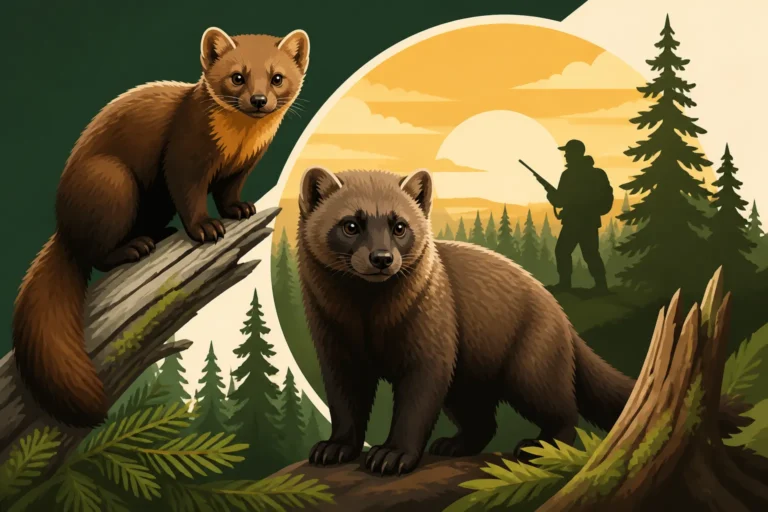
Marten and fisher are two other highly valued members of the weasel family found in Saskatchewan's boreal forest. Both are known for their agility, intelligence, and fierce predatory nature.
-
Marten (Pine Marten): Slightly larger than a squirrel, the marten has a slender body, rich brown fur, and a distinctive orange or cream-colored throat patch. They are incredibly agile, spending much of their time in trees, hunting squirrels, birds, and small mammals. Marten pelts are highly prized, making them a significant target for northern trappers. Their active, curious nature means they are constantly exploring their environment, making them a fascinating, if fast-moving, animal to observe. They're often found in mature coniferous and mixedwood forests, reflecting their preference for complex arboreal habitats.
-
Fisher: Larger and darker than the marten, with a more robust build and a long, bushy tail, the fisher is another formidable forest predator. Despite their name, fishers rarely eat fish; they are known for their ability to hunt porcupines, overcoming their quilled defenses with remarkable skill. They also prey on hares, squirrels, and birds. Fisher pelts are also highly sought after for their rich, dark fur. These opportunistic hunters are very elusive and require extensive knowledge of the bush to successfully trap. Both marten and fisher are integral to the health of the boreal forest, helping to control rodent populations and contributing to the economic vitality of northern trapping communities. Getting a Trapping Prairie and Boreal Furbearers license often involves specific training due to the specialized nature of snaring and trapping techniques required for these intelligent animals. They represent the wild spirit of the north, always on the move, always seeking their next meal in the vast, silent forest.
Water-Loving Furbearers: Beavers, Muskrats, and Otters
Saskatchewan, with its myriad lakes, rivers, and wetlands, provides ideal habitat for a range of water-loving furbearers. These animals play crucial roles in aquatic ecosystems, from engineering landscapes to maintaining biodiversity, and have historically been, and continue to be, important species for trappers.
Beavers: Nature's Engineers and Habitat Creators
The beaver is North America's largest rodent and an unparalleled ecosystem engineer. Found throughout Saskatchewan wherever there is suitable water and woody vegetation, beavers are famous for their ability to cut down trees, build dams, and create lodges. Their dams create ponds and wetlands, which in turn provide habitat for a vast array of other species, including ducks, moose, fish, and amphibians. While their work can sometimes impact agricultural land or infrastructure, their overall ecological benefit is immense.
Beaver pelts have historically been a cornerstone of the fur trade, driving much of the early exploration and settlement of North America. Today, they remain an important furbearer for trappers. Managing beaver populations through trapping is often necessary to prevent overpopulation and mitigate damage to property. Understanding how beavers alter the landscape is critical for Hunting a Beaver Dam Crossing, as these areas become natural funnels for many game animals. The intricate network of their dams and lodges can transform a flowing creek into a series of ponds, creating a dynamic habitat mosaic that benefits numerous species. Trapping them requires skill and an understanding of their industrious habits, knowing where to set traps without disrupting the ecosystem too broadly.
Muskrats and Otters: Aquatic Life in Saskatchewan's Waters
Saskatchewan's waterways are also home to two other significant aquatic furbearers: the muskrat and the river otter.
-
Muskrats: These semi-aquatic rodents are smaller than beavers, with a rat-like tail flattened vertically, perfectly adapted for swimming. They are abundant in marshes, sloughs, and slow-moving streams across the province, often building dome-shaped lodges of vegetation or burrowing into banks. Muskrats feed primarily on aquatic plants, though they will occasionally eat small animals. Their populations can fluctuate significantly, but they remain a common and accessible furbearer for trappers, particularly youth trappers learning the ropes. Their high reproductive rate ensures that they can quickly rebound even after periods of heavy trapping. Learning to Pothole Hunting Prairie Ducks also means understanding the small furbearers that share these wetlands.
-
River Otters: Playful and agile, river otters are sleek, powerful swimmers found in larger rivers, lakes, and wetland complexes throughout Saskatchewan. They are carnivorous, preying on fish, crustaceans, frogs, and other aquatic life. Otters are highly social animals, often seen in family groups, and are known for their playful behavior, including sliding down snowy or muddy banks. Their dense, lustrous fur makes their pelts highly valuable in the fur market, and they are a challenging but rewarding species for experienced trappers. Their presence indicates a healthy aquatic ecosystem, as they are sensitive to water quality and prey availability. Observing otters in the wild is a true delight, a glimpse into the joyful and dynamic life of our waterways. Trapping these animals requires specialized knowledge and equipment, as their intelligence and strength can make them difficult to capture without proper technique.
Hunting and Trapping Regulations for Predators and Furbearers
The sustainable management of Saskatchewan's predator and furbearer populations relies heavily on well-defined regulations for hunting and trapping. These rules ensure healthy animal numbers, provide opportunities for recreational and commercial harvest, and help mitigate human-wildlife conflicts.
Licensing and Season Dates for Trappers and Hunters
To hunt or trap predators and furbearers in Saskatchewan, individuals must possess the appropriate licenses and adhere to specific season dates. Generally, residents can hunt coyotes and wolves year-round with no bag limits, provided they have a valid hunting license and a Wildlife Habitat Certificate. However, for other furbearers and for trapping, a specific trapping license is required, which often entails completing a trapper education course.
Trapping seasons vary significantly by species and zone, designed to ensure ethical harvest practices and to target pelts when they are in prime condition (typically fall and winter). For instance, species like marten and fisher often have seasons that open in late fall and close in late winter, reflecting the period when their fur is thickest and most valuable. Before heading out, it's crucial to consult the annual Saskatchewan Hunters' and Trappers' Guide, which outlines all the current regulations, season dates, and zone-specific rules. Accessing Saskatchewan Hunting Licences and What They Cost is a good starting point to understand the financial and legal requirements. Ignorance of the rules is not an excuse, and penalties for violations can be severe, including fines and license suspensions. For example, while coyotes are generally open season for hunting, there might be specific rules about proximity to certain areas or methods of take, which emphasizes the need to read the regulations carefully each year.
The Saskatchewan Association of Wildlife Agencies (SAWA) and the Ministry of Environment regularly update these guides, ensuring they reflect the latest conservation science and management objectives. Non-residents have more restrictive rules, often requiring an outfitter for certain species, so it’s especially important for them to thoroughly review the regulations before planning a trip.
Conservation and Management: Balancing Populations
Saskatchewan's approach to predator and furbearer management aims for a balance between maintaining healthy ecosystems, providing recreational and economic opportunities, and minimizing conflicts. This involves ongoing monitoring of populations, habitat assessments, and adaptive management strategies.
For example, species like the swift fox have extensive conservation programs, while common species like coyotes are managed through open seasons to prevent overpopulation in agricultural zones. The economic value of furbearers to trappers also provides an incentive for sustainable harvest, as trappers rely on healthy, renewable populations. Programs sometimes exist to offer Saskatchewan Landowner Damage Compensation for issues like beaver flooding or coyote predation on livestock, which helps to bridge the gap between wildlife management and agricultural interests. The Ministry of Environment also collects harvest data from trappers and hunters, which is vital for assessing population trends and adjusting management strategies as needed. This data, often augmented by aerial surveys and biological sampling, provides a comprehensive picture of the health and distribution of various species across the province, allowing for informed decisions that benefit both wildlife and people.
Ethical Considerations and Reporting Observations
Ethical hunting and trapping practices are paramount. This includes humane methods of dispatch, respecting private property, and ensuring responsible use of wildlife resources. For trappers, this means using approved trap types, checking traps regularly, and adhering to setback distances from public areas. Hunters are expected to ensure clean kills, retrieve all game, and avoid wastage.
Additionally, reporting unusual sightings or suspected violations is a key part of conservation. The Turn In Poachers (TIP) line allows the public to report suspicious activities, helping conservation officers enforce regulations and protect wildlife. Any observations of rare species, like wolverines or cougars in new areas, can contribute valuable data to wildlife biologists, helping them track populations and ranges. Even simple observations can be useful; seeing a specific type of sign, like a cougar track, and reporting it with a precise location can help wildlife managers refine their understanding of their distribution. The health of Saskatchewan's diverse wildlife populations, including its predators and furbearers, depends on the collective responsibility of all outdoor enthusiasts. Even reports of Saskatchewan's CWD Testing Rules for big game can indirectly aid in understanding predator health, as predators often feed on sick or weak animals, potentially encountering diseases within the ecosystem.
Disclaimer
Please note that hunting and trapping regulations in Saskatchewan can change annually. It is your responsibility to review the most current Saskatchewan Hunters' and Trappers' Guide issued by the Ministry of Environment before participating in any hunting or trapping activities. This guide is for informational purposes only and does not supersede official government regulations.