Pothole Hunting Prairie Ducks
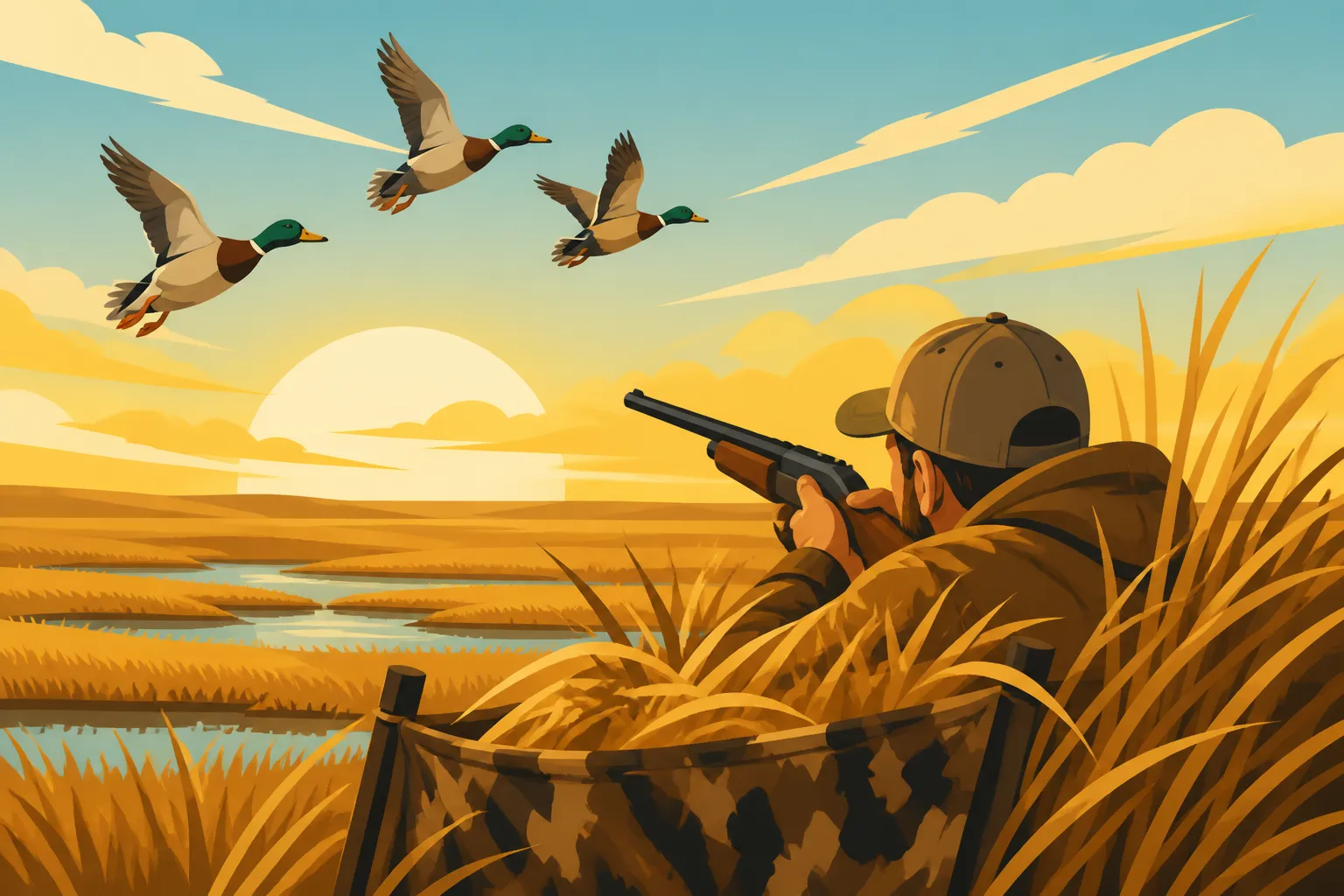
There's nothing quite like the rush of a flock of ducks cupping their wings, committing to your spread, and pitching into a prairie pothole. But for many, especially those new to hunting Saskatchewan's vast landscape, figuring out where to even start with duck hunting can feel overwhelming. The endless fields, the thousands of water bodies – it's a lot to take in. This guide is here to simplify the process, focusing on the incredibly rewarding experience of pothole hunting prairie ducks in Saskatchewan.
The Allure of Saskatchewan's Prairie Potholes
Saskatchewan is often lovingly referred to as the "Duck Factory of North America," and for good reason. Our province, particularly the aspen parkland and prairie regions, is absolutely littered with small, shallow wetlands known as potholes. These aren't just random puddles; they are vital ecosystems, and understanding their appeal to ducks is the first step to a successful hunt.
What Makes Potholes a Duck Factory?
Imagine a landscape shaped by ancient glaciers, leaving behind countless depressions that fill with water. That's our prairie pothole region. These shallow wetlands are incredibly productive, acting as prime real estate for nesting, brooding, and staging migratory waterfowl. They are rich in emergent vegetation like bulrushes and cattails, providing vital cover from predators and harsh weather. More importantly, they are teeming with invertebrates, aquatic insects, seeds, and submerged vegetation – a smorgasbord that fuels ducks throughout their lives.
The sheer density of these potholes means ducks have an abundance of options, spreading them out but also concentrating them in pockets of ideal habitat. Unlike larger lakes or rivers, potholes often offer sheltered conditions and predictable food sources, making them irresistible to ducks. It’s this combination of shelter, food, and breeding grounds that makes Saskatchewan's potholes unmatched as a waterfowl haven. It's truly a sight to behold when you see just how many ducks call these small wetlands home, or at least a temporary stop, during their migration.
Key Duck Species You'll Encounter
When you’re pothole hunting in Saskatchewan, you’re often targeting a diverse bag. While a variety of ducks frequent these wetlands, some species are particularly common and provide fantastic opportunities. You'll primarily be focused on dabbling ducks, which feed by tipping their tails up and dabbling their heads underwater, rather than fully submerging.
Mallards are the undisputed kings of the prairie potholes. Their vibrant green heads on drakes are unmistakable, and they are abundant throughout the season. Pintails, with their elegant long necks and distinctive tail feathers on the drakes, are another frequent visitor. Wigeon, Gadwall, and Green-winged Teal are also very common. You might also encounter Blue-winged Teal, especially earlier in the season, and Shovelers with their comically large bills. Each species has its own flight pattern, call, and preferred food, so learning to identify them on the wing and understanding their habits can greatly enhance your hunting experience. Knowing Which Ducks Nest in Saskatchewan's Potholes can also give you a head start on understanding local populations.
Seasonal Migratory Patterns and Peak Times
Timing is everything when it comes to duck hunting, and Saskatchewan's potholes are no exception. The season kicks off in early September for many species, and while you'll find resident birds and early migrants, the real magic often happens later. As the breeding season winds down and temperatures start to drop further north, ducks begin their southbound journey, making Saskatchewan a major staging area.
The early season (September) offers great hunting for local birds and early migrants like blue-winged teal and some pintails. The weather is generally milder, and you might not need as much heavy gear. As October rolls around and especially into November, the migration kicks into high gear. This is when large numbers of mallards, pintails, and various diving ducks (though less common in shallow potholes) fill the skies. These later-season birds are often tougher, having already faced hunting pressure, but the sheer volume can be incredible. Keep an eye on local reports and weather forecasts; a significant cold front up north can push waves of new birds down into Saskatchewan, offering some of the most memorable hunting. For exact dates, always consult the official Saskatchewan Duck Season Dates regulation guide.
Essential Scouting Techniques for Pothole Success
You can have the best gear, the most lifelike decoys, and the finest shotgun, but if you're not where the ducks want to be, you're not going to be successful. Scouting is arguably the most critical part of pothole duck hunting. It's about being observant, patient, and methodical. Don't underestimate the power of knowing exactly which potholes the birds are using.
Leveraging Maps and Digital Tools
In today's hunting world, digital tools have become indispensable. Gone are the days of just driving around aimlessly hoping to spot birds. Mapping apps, like those offered by GoHunt, have revolutionized how we find and assess potential hunting spots. They allow you to virtually scout from your couch, identifying suitable potholes, checking landownership, and planning your approach.
Start by looking for clusters of potholes in agricultural areas. Ducks often feed in harvested grain fields and then return to nearby potholes to rest and loaf. Use satellite imagery to identify wetlands with good emergent vegetation for cover, and clear landing zones for decoys. Pay attention to access points – roads, trails, or open fields – that will allow you to get your gear in without spooking birds. While these tools are fantastic, they are just the first step. They provide a blueprint, but the real work happens on the ground. Remember to always cross-reference with actual land ownership data, especially if you're considering hunting on private land.
On-the-Ground Reconnaissance
Once you've identified potential hotspots on your map, it's time for boots on the ground, or more accurately, eyes on the birds. This means driving around, preferably in the late afternoon or early morning, and observing duck activity. You're looking for ducks actively using a specific pothole – landing, taking off, loafing. A few birds can turn into a hundred or more overnight, especially during migration.
Bring a good pair of binoculars or a spotting scope. Set up discreetly from a distance, perhaps a mile or more away, and watch. Do the ducks seem comfortable? Are they using this pothole consistently? Are there other hunters nearby? What kind of ducks are they? Note the wind direction, as ducks almost always land and take off into the wind. This observation will be crucial for planning your decoy spread and blind placement. Don't be afraid to drive past a promising spot and return later if you see activity. Remember, ducks are creatures of habit, and if they like a certain pothole today, there's a good chance they'll be there tomorrow, too.
Reading Bird Behavior and Flight Patterns
Ducks are constantly communicating, and learning to interpret their behavior is like understanding their language. When you're scouting, pay close attention to how they fly, how they approach a water body, and how they react to their surroundings. Are they flying high and purposeful, indicating they're heading to a distant feeding field? Or are they making low, circling passes, signaling they're looking to land?
Look for birds that appear relaxed, landing freely without hesitation. Ducks that are constantly circling, flaring, or acting skittish might indicate previous hunting pressure or perceived danger. Note their approach routes – ducks often follow predictable flight lines, especially between feeding areas and resting spots. If you see a consistent flight path over a certain area, that's a good spot to consider. Understanding these patterns will help you choose the best time to hunt, the most effective setup, and even anticipate when new birds might arrive. Being stealthy during your Scouting Fields for Saskatchewan Waterfowl is paramount to not alerting the birds to your presence.
Gear Up: What You'll Need for Pothole Duck Hunting
Pothole hunting doesn't require an arsenal of gear, but having the right essentials can make a huge difference in your comfort, effectiveness, and success. This isn't just about having the tools; it's about having the right tools for the unique challenges of prairie pothole hunting.
Decoy Choices and Spreads
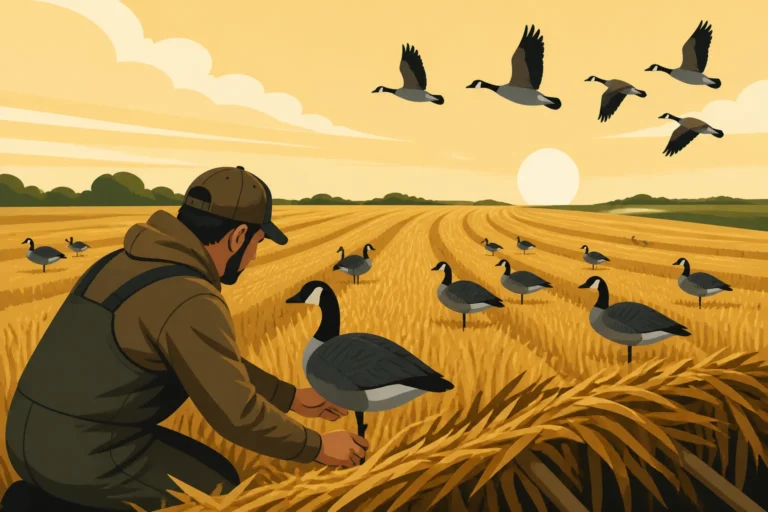
Decoys are your primary attractant. For potholes, realism and quantity both play a role, but quality often trumps sheer numbers. Full-body floaters, or even some shell decoys on short stakes near the water's edge, work wonders. A mix of species is always a good idea – primarily mallards, but adding a few pintails or wigeon can add realism. Make sure your decoys are clean and well-maintained; shiny, unrealistic decoys can spook wary birds.
A common pothole spread is a loose "J" or "U" shape, with the open end facing the direction you expect the ducks to approach (usually into the wind). Leave a generous landing zone in the middle, clear of decoys, for ducks to commit. Consider adding a jerk string or a spinning-wing decoy (where legal and appropriate) to add motion, which can be incredibly effective on calm days. The key is to make your spread look natural and inviting, like a group of contented ducks resting and feeding.
| Decoy Spread Type | Target Scenario/Conditions | Key Features |
|---|---|---|
| Basic "J" or "U" | Most common, general use | Open landing zone, attracts birds to a specific point. |
| Feeding Spread | Ducks actively feeding | Mix of feeder and upright decoys, tight clusters. |
| Loafing Spread | Resting ducks, calm water | Loose, spread-out decoys, few feeders, more uprights. |
| Puddle Jumpers | Small, shallow potholes | Fewer decoys, focus on realism and motion. |
| Visibility Enhancer | Large water, windy days | Tightly packed block of decoys to maximize visibility. |
Camouflage, Blinds, and Waders
Concealment is non-negotiable. Ducks have incredible eyesight, and they will spot anything out of place. Full camouflage, including face masks and gloves, is essential. Match your camo pattern to the local vegetation – typically cattails, bulrushes, or stubble fields.
For blinds, simplicity is often best. A small, portable layout blind, or a homemade blind constructed from natural vegetation like cattails and dead rushes, works perfectly. The goal is to break up your outline and blend seamlessly into the surroundings. Remember that prairie potholes are often shallow, so a good pair of chest waders is crucial. Not only will they keep you dry and warm when setting decoys and retrieving birds, but they'll also allow you to position yourself effectively in the water for better concealment and shot angles. Always prioritize warmth and comfort in your clothing layers, as Saskatchewan mornings can be brutally cold, even in early fall.
Calls and Other Critical Accessories
A good duck call, and the ability to use it effectively, can turn a slow morning into an unforgettable hunt. While mastering a call takes practice, even basic quacks, greetings, and feeding chuckles can bring birds in. Focus on realistic, confident calls, not just loud ones. Practice before the season, and listen to real ducks to understand their cadence and tone. You might also consider a whistle for pintails or wigeon, as these can be highly effective.
Beyond calls, several other accessories are critical. A reliable dog is invaluable for retrieving downed birds, especially in thick cover or deep mud. If you don't have a dog, a retriever pole or a small boat/kayak might be necessary. A sturdy decoy bag will protect your decoys and make transport easier. Always carry a first-aid kit, a headlamp for early mornings or late evenings, and plenty of water and snacks. And, of course, your shotgun and appropriate Non-Toxic Shot Requirements for Waterfowl are absolutely essential.
Setting the Scene: Decoy Spreads and Calling Strategies
Once you’ve scouted your spot and gathered your gear, the real artistry of pothole hunting begins with how you set your decoys and communicate with approaching birds. This isn't just about throwing out some plastic ducks; it's about creating a believable illusion.
Customizing Spreads for Different Species
While a general mallard spread works well for most dabblers, tweaking your setup can be highly effective for specific species. For instance, if you're targeting pintails, adding a few pintail decoys to your spread and creating a longer, thinner "U" shape can appeal to their preference for open water and longer landing approaches. When hunting teal, a tighter, smaller spread with more motion can work, as these birds are often less wary and attracted to frenetic activity.
Consider the time of year too. Early season birds might respond well to smaller, simpler spreads, whereas late-season migrants, having seen countless spreads, often require more realism and subtle approaches. Mix up feeder decoys with uprights to simulate a natural flock. Don't be afraid to experiment with your layout; what works one day might not work the next, and factors like wind, sunlight, and bird pressure can all influence how ducks react. Sometimes a seemingly random, natural-looking cluster of decoys is more effective than a perfectly symmetrical pattern.
Mastering the Art of Duck Calling
Calling isn't just about making noise; it's about conversation. The goal is to mimic the sounds of contented ducks, signaling to passing birds that this pothole is a safe, inviting place to land. Start with a simple greeting call – a series of five to seven distinct quacks – to grab attention. As birds respond, shorten your calls and become more reassuring.
The feed call – a series of quick, choppy quacks – is excellent for convincing birds that are circling or hesitant. It suggests a flock is happily feeding. Avoid over-calling, especially to birds that are already committed and working their way in. A well-timed, soft chuckle or contented quack as they approach is often more effective than a loud, desperate hail call. Listen to how real ducks call in the wild; that's your best teacher. Remember, sometimes the best call is no call at all. It's about confidence and reading the birds.
Adapting to Weather and Wind Conditions
Weather and wind are paramount in duck hunting, dictating how ducks fly and where they want to land. Always set your decoys with the wind in mind; ducks always land and take off into the wind. Your landing zone should be directly in front of your blind, allowing incoming birds to face you as they set their wings. This gives you the best shot opportunities.
On a calm day, motion decoys, jerk strings, and aggressive calling can be very effective in attracting attention to an otherwise still spread. On windy days, ducks will fly lower and faster, and they'll appreciate the shelter a good pothole can offer. Your decoys will also have natural movement in the wind, which adds realism. Rain, snow, or fog can make ducks more apt to seek shelter and can also reduce their wariness, often leading to excellent hunting. However, these conditions also demand extra attention to safety and warmth. Understanding how weather affects birds and adjusting your setup accordingly is a hallmark of an experienced duck hunter.
Strategic Approaches to the Hunt and Retrieval
With your scouting done, your gear set, and your calling strategy in mind, it's time for the actual hunt. Success now hinges on your final approach, ethical shot placement, and efficient retrieval, ensuring that every bird you harvest is accounted for.
Approaching the Pothole and Concealment
The final approach to your chosen pothole is critical. Ducks are incredibly wary, especially as the season progresses. Approach quietly and discreetly, using any available cover like cattails, willow bushes, or the natural contours of the land. Avoid silhouetting yourself on the horizon. If hunting with a group, coordinate your movements to minimize disturbance.
Once at the pothole, quickly set your decoys and get into your blind. Ensure everyone is completely concealed, with no bright clothing or exposed skin showing. Even small movements can spook an incoming flock. Patience is a virtue here. Sit still, stay quiet, and keep your eyes scanning the horizon for incoming birds. The slightest error in concealment can ruin a hunt that you've put hours of scouting into. Remember, the ducks' eyes are constantly looking for danger.
Shot Placement and Ethical Harvesting
When ducks commit and come into your spread, resist the urge to jump up too early. Let them cup their wings, drop their feet, and commit to the landing zone. The ideal shot is at about 20-30 yards, when the birds are directly overhead or slightly past you, fully committed. Aim for the vital zone – the head and neck, or the front of the body where the wings connect. A clean, ethical kill is paramount.
Avoid "sky-busting" – shooting at ducks that are too far away. This often results in wounded birds that are difficult to retrieve, leading to wasted game. Practice your shooting at the range to know your effective range, and stick to it. If a bird is wounded, prioritize finishing it humanely and quickly. Every hunter has a responsibility to ensure a clean harvest and minimize suffering. Always be aware of your surroundings and any other hunters in the area for safety.
The Importance of a Good Retriever
A well-trained retrieving dog is one of the most valuable assets a duck hunter can have, especially in the often-challenging terrain of Saskatchewan's potholes. Potholes can have thick mud, dense cattails, and often cold water, making retrieving birds by hand difficult and potentially dangerous. A dog can quickly and efficiently locate downed birds, even those that fall into heavy cover, significantly reducing the chances of lost game.
If you hunt without a dog, you need a solid plan for retrieval. This might involve wearing chest waders, carrying a retrieving pole, or even having a small, lightweight kayak or canoe if the water is too deep or muddy. Never leave a downed bird behind. It's unethical and a waste of a valuable resource. Take the time, put in the effort, and ensure every bird is accounted for. This dedication is part of the hunting experience and shows respect for the game. For challenging retrieval scenarios, check out tips on Getting a Deer Out on a Frozen Trail – many principles of difficult recovery apply across species.
Navigating Access, Regulations, and Safety
Hunting in Saskatchewan comes with responsibilities, especially regarding land access and adherence to regulations. Knowing the rules and planning for safety ensures a smooth, enjoyable, and legal hunting experience for everyone.
Securing Landowner Permission
Saskatchewan's landscape is predominantly privately owned, meaning gaining permission from landowners is often essential for pothole hunting. While some Crown land exists, many prime duck hunting areas are on private property. The golden rule here is simple: "Get permission." Never assume access; always ask.
The best approach is to knock on doors well in advance of the season, or at least a few days before you plan to hunt. Be polite, respectful, and clearly state your intentions. Offer to share some of your harvest or help with small chores. Building a good relationship with landowners is invaluable and can lead to long-term hunting opportunities. Many farmers are happy to allow respectful hunters on their land, especially if ducks are causing crop damage. For more detailed advice, refer to Getting Permission for a Goose Field, as the principles are largely the same for ducks. Using mapping apps like GoHunt to identify landowner names can make this process easier, allowing you to prepare before you even leave home.
Understanding Saskatchewan's Waterfowl Regulations
Hunting waterfowl in Saskatchewan involves both provincial and federal regulations. It's crucial to understand both. Provincially, you'll need a Saskatchewan hunting license and a Wildlife Habitat Certificate. Federally, you must possess a valid Canadian Migratory Game Bird Hunting Permit and a Canadian Wildlife Habitat Conservation Stamp. These stamps contribute to wetland and wildlife conservation, which benefits all hunters.
Pay close attention to season dates, daily bag limits, and possession limits for each species. These can vary by zone and change year to year, so always consult the current Saskatchewan Hunters' and Trappers' Guide. Also, be aware of legal shooting hours, which are typically half an hour before sunrise to half an hour after sunset. Remember that Non-Toxic Shot Requirements for Waterfowl are mandatory for all migratory bird hunting in Canada. Failing to comply with these regulations can result in significant fines and penalties, so ensure you're fully informed and compliant before heading afield.
Staying Safe on the Prairie
Saskatchewan's prairie, while beautiful, can also present challenges and hazards. Safety should always be your top priority. Hypothermia is a real risk, especially during late-season hunts with cold water and wind. Dress in layers, wear waterproof outerwear, and always have extra warm clothing in your vehicle. A good Winter Truck Kit for a Saskatchewan Hunt isn't just for winter; it's a good idea for any cold weather hunting.
Hunting near water also poses drowning risks. Be extra careful when walking on slippery banks or in deep mud. If hunting with a dog, ensure they are safe and warm. Always let someone know where you are hunting and when you expect to return. Carry a fully charged cell phone, but be aware that cell service can be spotty in remote areas. Finally, always practice safe firearm handling. Treat every firearm as if it's loaded, keep the muzzle pointed in a safe direction, keep your finger off the trigger until ready to shoot, and be absolutely certain of your target and what lies beyond it. Hunting is a privilege, and doing it safely and responsibly ensures we can all continue to enjoy this incredible pursuit.
Disclaimer
Please note that hunting regulations, seasons, and licensing requirements are subject to change. Always consult the official Saskatchewan Hunters' and Trappers' Guide and federal migratory bird regulations each year before planning any hunting trip. This article is intended for informational purposes only and does not supersede official government regulations.