Saskatchewan’s Furbearers and Trapping Country
Saskatchewan is renowned for its incredible big game hunting, but many folks don't realize the rich, diverse world of furbearers that thrive across our varied landscapes. It's easy to get caught up in chasing whitetails or moose, but overlooking the opportunities and history tied to our furbearing animals means missing a huge piece of our outdoor heritage. This guide is here to help you understand the fascinating world of Saskatchewan's furbearers, the nuances of the trapping country they inhabit, and what it takes to ethically and effectively pursue them, whether you're a seasoned trapper or just curious about this age-old practice.
The Diverse World of Saskatchewan's Furbearers
When you think of Saskatchewan wildlife, your mind might jump straight to a big whitetail buck or a majestic bull moose. But below the surface, or rather, across the vast plains and deep forests, a bustling community of furbearers plays a vital role in our ecosystem. These animals are not just targets for trappers; they are indicators of habitat health, controllers of prey populations, and fascinating creatures in their own right. Understanding them is the first step to appreciating the full spectrum of Saskatchewan's wild side.
Predators and Their Place in the Ecosystem
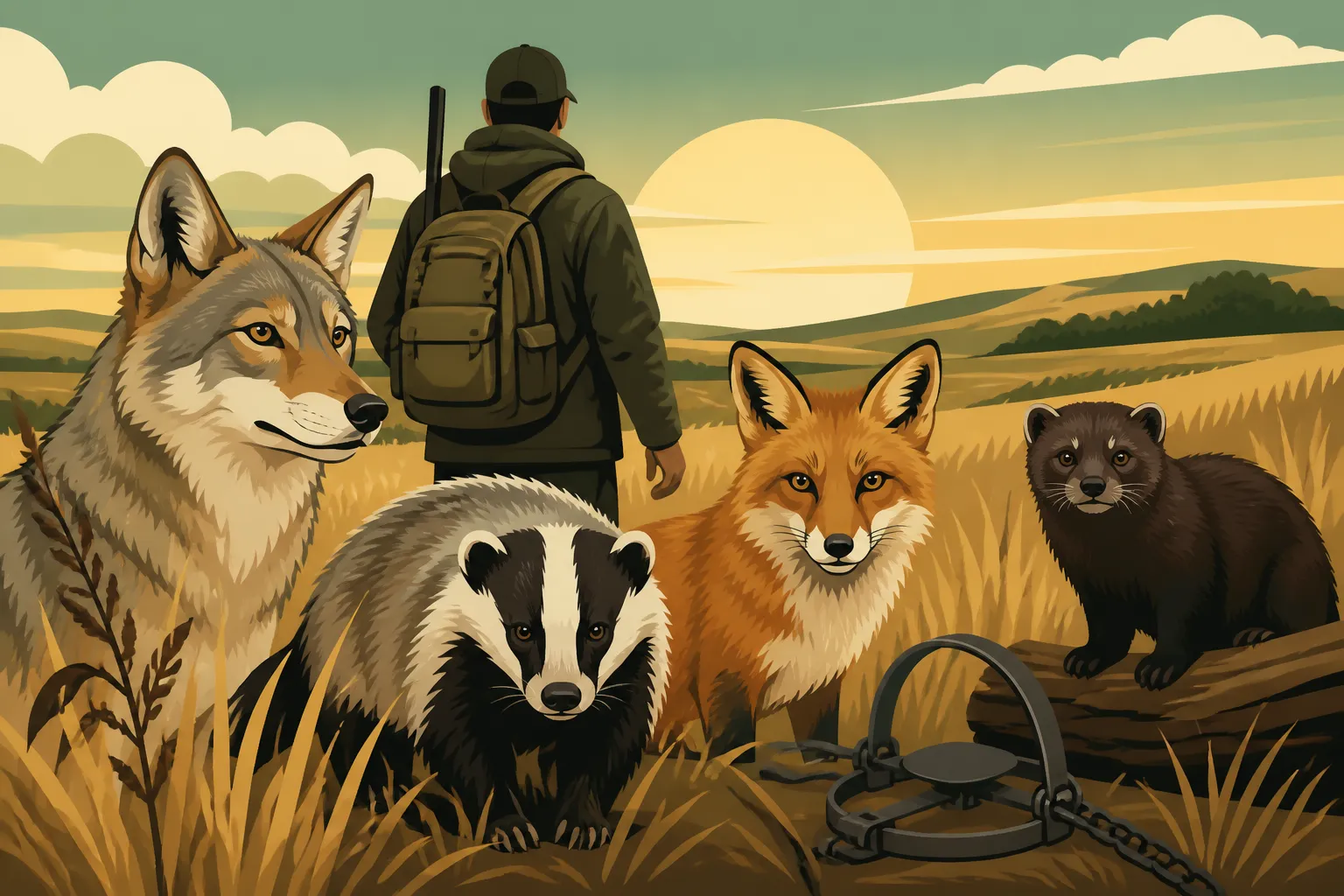
Our provincial landscape is home to a robust population of predatory furbearers, each with a unique role to play. From the cunning coyote to the elusive lynx, these animals are truly the wild heart of Saskatchewan. They help maintain balance by preying on smaller animals, keeping rodent and rabbit populations in check, which, in turn, impacts vegetation and the health of other species. Their presence speaks volumes about the vibrancy of an area.
Think about the prairie country, where you'll find plenty of Coyotes in Saskatchewan Farm Country. These intelligent canids are incredibly adaptable, thriving in open farmland, brushy coulees, and even near urban fringes. They're constantly on the move, always looking for their next meal, be it a mouse, a rabbit, or even carrion. Then you have the various species of fox, like the Red Fox and Swift Fox, each with their own territorial preferences and hunting styles. The red fox is more widespread, often seen lurking on the edges of fields or along treelines, while the swift fox, a smaller, more delicate creature, prefers the wide-open native grasslands of the southwest. Moving into the northern forests, the presence of wolves, while not strictly "furbearers" in the traditional trapping sense due to their larger size and management, still influence the furbearer ecosystem profoundly through predation on deer, moose, and even smaller furbearers.
Further north, and in pockets of dense cover across the aspen parkland, we encounter the truly wild and often misunderstood lynx. These magnificent cats are heavily tied to the population cycles of snowshoe hares; when hare numbers are high, so too are the lynx. The relationship is so strong that understanding the Lynx and the Snowshoe Hare Cycle is key to understanding their populations. Badgers, with their powerful digging claws, are master excavators on the prairie, creating dens and hunting subterranean prey. These predators contribute significantly to the ecological tapestry of Saskatchewan.
Semi-Aquatic and Arboreal Species
Beyond the ground-dwelling predators, Saskatchewan's waterways and forests teem with furbearers uniquely adapted to life in and around water, or high in the trees. These animals offer different challenges and rewards for trappers, requiring specialized knowledge and techniques. Their habitats are often distinct, providing a rich diversity of trapping opportunities.
Beavers are perhaps the most famous of our semi-aquatic furbearers, often called nature's engineers. Their dams and lodges create new wetlands, altering landscapes and providing habitat for countless other species. You can find robust Beaver and Muskrat Numbers in Saskatchewan in almost any water body, from small creeks to large rivers and sloughs. Muskrats, smaller cousins to the beaver, also thrive in these aquatic environments, often living in lodges similar to miniature beaver homes or in bank burrows. Both are prolific breeders, making them a consistent resource for trappers. Then there are otters, playful and intelligent creatures of the waterways, whose sleek bodies are built for chasing fish through icy currents. They're a truly prized catch, reflecting the health of the aquatic ecosystem they inhabit.
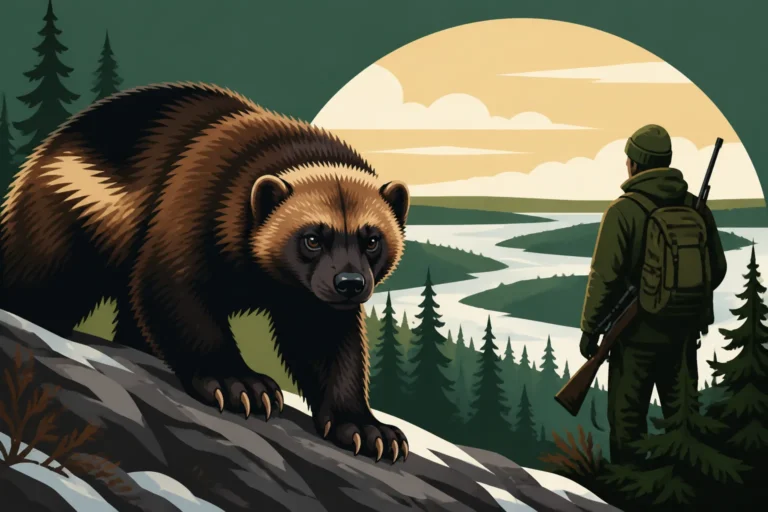
Up in the boreal forest and even in some of the denser forest fringe areas, you'll find a world of arboreal furbearers. Marten and fisher, both members of the weasel family, are agile climbers that spend much of their lives in the trees. Marten are smaller, often associated with dense coniferous forests, while fisher are larger, more aggressive, and roam both coniferous and mixed wood forests. Understanding their preferred tree species and travel habits is crucial. We also have the weasels themselves – long-tailed, short-tailed (ermine), and least weasels – quick, stealthy predators that are a trapper's challenge. While not commonly trapped for fur, the elusive Wolverine in Saskatchewan's North represents the extreme end of the furbearer spectrum, a symbol of true wilderness, protected in many areas. Each of these species, whether clinging to branches or diving through water, presents a unique aspect of Saskatchewan's furbearer country.
Saskatchewan's Trapping Country: A Landscape Divided
Saskatchewan is a vast province, and its geographical diversity profoundly influences where certain furbearers live and how trapping is practiced. From the rolling grasslands of the south to the dense boreal forests of the north, each region offers distinct habitats and challenges for trappers. Understanding these different "trapping countries" is essential for anyone looking to set a line.
Prairie and Parkland Zones
The southern and central parts of Saskatchewan, characterized by open prairie and aspen parkland, are largely agricultural. This landscape has been dramatically altered by human activity, but it still supports a thriving population of furbearers that have adapted to coexisting with farming and ranching. These areas are often more accessible but require different strategies than the deep bush.
On the open prairie, especially in the southwest, you'll encounter species like coyotes, various fox species, and badgers. The challenge here is often finding sufficient cover and identifying travel corridors where these animals concentrate. Deep coulees, brushy creek bottoms, shelterbelts, and uncultivated native grasslands are prime locations. Trappers in these areas learn to read the subtle signs on open ground – tracks in the snow, scat, denning activity – often relying on long-range scouting, sometimes even using digital mapping tools like GoHunt to identify promising topographical features, water sources, and potential bedding areas before ever stepping foot on the land. The Where Badgers Dig on the Prairie is an excellent indicator of healthy rodent populations and offers insight into their habits. Permission to access private land is paramount here, and building good relationships with landowners is key to successful and ethical trapping.
The aspen parkland, a transition zone between prairie and forest, offers a mix of habitats: poplar bluffs, agricultural fields, sloughs, and small wetlands. This diversity supports a broader array of furbearers, including whitetail deer (which, while not furbearers, influence predator movements), coyotes, red fox, beaver, and muskrats. Here, trappers might focus on beaver colonies in sloughs, setting body-grip traps in underwater runs, or target fox and coyote along the edges of bluffs and fields. The blend of cover and open areas creates unique funnel points where animals travel, making careful observation and strategic trap placement crucial. Access can still be a mix of private and crown land, so understanding land ownership and obtaining permission remains a central aspect of working this productive landscape.
Forest Fringe and Boreal Zones
As you move north from the parkland, the landscape gradually transitions into the vast wilderness of the forest fringe and then the dense boreal forest. This is where the term "bush trapper" truly comes alive, dealing with different species, terrain, and often, much more challenging conditions. This country demands a different mindset and skillset.
The forest fringe, a patchwork of mixed wood forest, small lakes, and muskeg, is incredibly productive. Here, you'll find an abundance of species like marten, fisher, beaver, otter, lynx, and various weasels, alongside coyotes and wolves. The mixed habitat provides both food and cover for a wide variety of animals. Trappers in the forest fringe often rely on snowmobiles or ATVs to access their lines, traversing cutlines, old logging roads, and frozen lakes. Identifying prime habitat involves looking for specific forest types, tracking animal sign, and understanding how furbearers move through the varied terrain. For instance, marten often prefer mature conifer stands, while fisher might utilize denser deciduous or mixed forests with plenty of downed timber for denning and hunting. Learning about Marten and Fisher in the Boreal is critical to setting effective trap lines in this environment.
Deep in the boreal forest, especially in Saskatchewan's Northern Lake Country, the trapping takes on an even more remote and rugged character. This is the domain of the traditional trapper, often working vast lines accessible only by snowmobile, bush plane, or canoe. Here, the emphasis shifts more towards lynx, marten, fisher, beaver, otter, and the occasional wolverine. The sheer scale of the landscape and the harsh winter conditions mean that knowledge of survival, navigation, and deep understanding of animal behaviour are paramount. Trappers might establish remote cabins, relying on extensive scouting to find active beaver ponds or marten runs. It's a challenging but deeply rewarding experience, connecting trappers directly to the wilderness and to generations of tradition.
| Furbearer Species | Primary Habitat | Common Trapping Methods | Best Time to Trap |
|---|---|---|---|
| Coyote | Prairie, Parkland, Forest Fringe | Snares, Footholds, Calling | Fall & Winter |
| Red Fox | Prairie, Parkland, Forest Fringe | Snares, Footholds, Calling | Fall & Winter |
| Beaver | Rivers, Creeks, Sloughs, Lakes | Body-grips (Conibear), Snares | Fall & Winter |
| Muskrat | Potholes, Marshes, Small Lakes | Body-grips, Box Traps | Fall & Early Winter |
| Marten | Boreal Forest, Dense Conifer | Box Traps, Small Body-grips | Late Fall & Winter |
| Fisher | Boreal Forest, Mixed Wood | Body-grips, Conibear Sets | Late Fall & Winter |
| Lynx | Boreal Forest, Forest Fringe | Snares, Footholds (large) | Winter |
| Otter | Rivers, Lakes, Large Creeks | Body-grips, Footholds | Fall & Winter |
| Badger | Prairie, Open Parkland | Footholds, Live Traps | Fall (before denning) |
| Weasel (Ermine) | All habitats | Small Box Traps | Winter |
The Art and Science of Trapping in Saskatchewan
Trapping isn't just about setting a device; it's a deep blend of skill, patience, and ethical responsibility. It's about reading the land, understanding animal behaviour, and respecting the resource. Whether you're interested in the fur, managing nuisance animals, or simply upholding a long-standing tradition, the practice of trapping demands commitment and knowledge.
Regulations and Ethical Considerations
Like any outdoor pursuit, trapping in Saskatchewan is governed by a strict set of regulations designed to ensure humane treatment of animals, sustainable populations, and public safety. Ignorance of the law is never an excuse, and every trapper has a responsibility to know and follow these rules. This includes understanding the specific zones you can trap in, the types of traps permitted for different species, and the required inspection times for your sets.
One of the first steps for any aspiring trapper is to get acquainted with the current Saskatchewan Trapping Season Dates for each species, which can vary annually. You'll also need to understand the specifics of Getting a Saskatchewan Trapping Licence, which typically involves holding a valid Hunter Education certificate and purchasing a Furbearer Licence. Mandatory trapper education courses cover humane trapping techniques, trap modifications, and responsible land ethics. These courses are vital, ensuring that trappers are equipped with the knowledge to minimize suffering and prevent non-target catches. Ethics also extend to landowner relations; always secure permission before accessing private land, even if you’re just scouting. Respecting posted land signs and leaving gates as you found them builds goodwill and ensures future access for everyone.
Trappers must also be mindful of non-target species. While modern traps are designed to be species-specific, accidental catches can happen. Knowing how to release a non-target animal safely, or what to do in case of an accidental catch, is part of ethical trapping. The goal is to harvest selectively and humanely, contributing to conservation rather than detracting from it. The trapping community in Saskatchewan is generally tight-knit and committed to these high standards, often acting as eyes and ears on the ground for wildlife officials, reporting anything unusual or illegal they encounter.
Trapping Techniques and Equipment
The world of trapping techniques is incredibly diverse, reflecting the ingenuity of trappers and the varied behaviours of furbearers. From simple snare sets to complex foothold systems, each method has its place, and mastering them takes years of practice and observation. It's not about brute force, but about subtlety and understanding.
For many furbearers like coyotes and fox, snares are a common and effective tool, particularly in open country or along established travel routes. These wire loops are designed to quickly dispatch an animal when properly set, and modern snares often include breakaway devices to prevent entanglement or accidental capture of larger non-target animals like deer. Foothold traps, once a source of controversy, have evolved significantly. Today's padded-jaw or laminated-jaw traps are designed to hold an animal without causing significant injury, allowing for release of non-target species. These are often used with carefully chosen baits or lures, placed strategically to entice the furbearer. Trappers must learn the art of "blending in" their sets, making them look as natural as possible to avoid detection by wary animals.
For semi-aquatic furbearers like beaver and muskrat, body-grip traps (like Conibear traps) are highly effective when placed in underwater runs or at den entrances. These traps are designed for quick, humane dispatch. For arboreal species such as marten and fisher, cubby sets, often utilizing a small box or enclosure with bait, combined with a body-grip trap, are standard. These sets capitalize on the animals' curiosity and their tendency to investigate small, confined spaces, and are typically set off the ground to minimize snow accumulation and deter larger, non-target animals. Learning the nuances of each set, from anchor points to scent control, is paramount. Many trappers also utilize mapping tools, not just for identifying terrain, but also for marking trap locations and planning their checks, keeping their lines organized and efficient. It's truly a pursuit that combines traditional wisdom with modern tools.
The Economic and Cultural Heart of Trapping
Trapping in Saskatchewan is far more than just a means of harvesting fur; it's a practice deeply woven into the province's economic history and cultural identity. For generations, it has provided livelihoods, sustained communities, and shaped the relationship between people and the land. Understanding this broader context adds another layer of appreciation for the trapper's craft.
Historical Roots and Community Impact
From the earliest days of European settlement, trapping was a cornerstone of the economy in what would become Saskatchewan. The fur trade was the driving force behind exploration and the establishment of trading posts, bringing Indigenous peoples and European newcomers together in complex relationships. This history continues to resonate, particularly in northern communities where trapping remains a viable and respected way of life.
Historically, the fur trade literally built many of the communities across the province, especially in the north. Indigenous peoples, with their unparalleled knowledge of the land and its animals, were the primary trappers, providing the furs that fueled the global market. Their trapping traditions stretch back thousands of years, predating colonial contact. Today, trapping continues to offer a connection to that heritage, especially for those living in remote areas where other economic opportunities might be scarce. It fosters self-reliance, wilderness skills, and a deep respect for natural cycles. Many families have passed down their trapping lines and knowledge for generations, creating a living legacy that speaks to the enduring value of the practice. It's not just about the money; it's about identity, tradition, and maintaining a connection to a way of life that values the wilderness.
The economic impact, while perhaps not as dominant as it once was, is still significant for many individuals and families. Income from fur sales, even if fluctuating with market prices, can supplement other livelihoods in rural and northern areas. Moreover, trapping contributes to wildlife management, helping to control populations of certain species, which can reduce nuisance animal complaints and promote ecosystem health. When done responsibly, trapping is a sustainable harvest, allowing populations to thrive while providing a renewable resource. It's a testament to the resilience of both the land and the people who depend on it.
Market Fluctuations and Modern Challenges
The fur market is notoriously volatile, influenced by global fashion trends, economic conditions, and public perception. This makes trapping a challenging profession, requiring trappers to be adaptable and resilient in the face of unpredictable changes. Yet, despite these challenges, the tradition perseveres, adapting to modern times.
In recent decades, anti-fur sentiment in some parts of the world has certainly impacted demand and prices, leading to periods of low returns for trappers. However, there remains a steady demand for high-quality, ethically sourced natural fur in other markets, particularly in Asia and parts of Europe. Trappers often attend fur auctions, selling their pelts to buyers who grade them based on quality, size, and species. These market dynamics mean that trappers must often make strategic decisions about which species to target and how much effort to invest, sometimes focusing on high-value furs while reducing effort on others during lean years. Organizations like the Saskatchewan Trappers Association work to advocate for trappers, promote ethical practices, and educate the public about the benefits of sustainable fur harvesting.
Beyond market forces, modern trappers face other challenges. Access to remote areas can be difficult and costly, especially with rising fuel prices. Maintaining equipment, from snowmobiles to traps, requires significant investment. Land-use changes, such as agricultural expansion or resource development, can impact furbearer habitat, forcing trappers to adjust their lines or find new territory. Digital tools, such as the mapping features on GoHunt, can assist trappers in navigating these changes by identifying new access points or tracking habitat shifts. Despite these hurdles, the passion for the outdoors and the connection to tradition keep many trappers on the line. The quiet solitude of the bush, the satisfaction of a well-placed set, and the deep understanding of wildlife continue to draw individuals to this ancient and honorable pursuit.
Getting Started in Saskatchewan Trapping
The idea of trapping can be intimidating, but with the right guidance and education, it's an accessible and rewarding outdoor pursuit. If you're drawn to the challenge and the connection to nature that trapping offers, there's a clear path to getting started ethically and safely in Saskatchewan.
Education and Licensing Requirements
Before you even think about setting a trap, education and proper licensing are absolutely non-negotiable. Saskatchewan has stringent requirements to ensure that anyone participating in trapping understands the responsibilities involved, from animal welfare to provincial regulations. This foundational knowledge is crucial for a successful and ethical experience.
The first step for almost any outdoor activity involving harvesting wildlife in Saskatchewan is completing a recognized hunter education course. If you haven't already, enrolling in and passing the Saskatchewan Hunter Education Requirements course is essential. This provides a broad understanding of wildlife conservation, firearm safety (if applicable), and responsible outdoor conduct. Following that, specific trapper education is required. These courses, often offered through the Saskatchewan Trappers Association or certified instructors, delve into the specifics of furbearer biology, humane trapping techniques, trap types and modifications, skinning and pelt preparation, and, critically, all relevant provincial and federal regulations. You'll learn the ins and outs of trap placement to maximize efficiency while minimizing non-target catches, and how to maintain your traps to ensure they function properly and humanely.
Once your education is complete, you'll need to secure the appropriate licences. This typically involves purchasing a Furbearer Licence, which can be done through Saskatchewan's HAL (Hunter and Angler Licence) system. You’ll also need to ensure you understand specific endorsements or conditions that might apply to certain species or zones. It's also vital to check if you're on Crown Land or private land. Always confirm access rules for public land, and for private land, always, always get permission from the landowner before setting foot on their property. There are strict Saskatchewan Posted Land Sign Rules and trespass penalties that you absolutely need to be aware of to avoid legal trouble and maintain good relationships with the agricultural community.
Mentorship and Practical Experience
Education is a fantastic start, but nothing truly replaces hands-on experience under the guidance of a seasoned trapper. Trapping is an art form passed down through generations, full of nuances that can only be learned by doing, by observing, and by making a few mistakes along the way. Finding a mentor can dramatically shorten your learning curve and instill best practices.
Seek out local trappers' associations or inquire within the outdoor community to find experienced individuals willing to share their knowledge. A good mentor can teach you invaluable skills, like how to read subtle animal sign, where to place a set for maximum effectiveness, proper lure use, and how to quickly and humanely handle a caught animal. They can also show you how to properly skin, stretch, and prepare a pelt for market, ensuring you get the best value for your efforts. This practical experience on a real trap line is where the classroom knowledge truly comes alive. It's one thing to read about setting a snare, and another entirely to see a master trapper deftly bend the wire, anchor it, and blend it into the natural surroundings, making it practically invisible to the human eye, let alone a wary coyote.
Beyond finding a mentor, simply spending time in the field observing furbearer behaviour is crucial. Learn to identify tracks, understand their feeding habits, and pinpoint their travel corridors. Observe how they react to different weather conditions, how they utilize cover, and where they tend to den. This observational skill, sharpened over countless hours, becomes an invaluable asset. Consider starting small, perhaps focusing on a single species like beaver or muskrat in a manageable area, before expanding your efforts. Trapping is a lifelong learning journey, one that constantly rewards those who are patient, observant, and dedicated to the craft.
Disclaimer
This article is for general informational purposes only and does not constitute professional advice. Laws, prices and regulations vary by location and change over time. Consult a qualified professional for guidance on your specific situation.