Sandhill Cranes Passing Through Saskatchewan
For many hunters, the call of the wild means the distinct honk of a Canada goose or the whistle of a mallard, but there's a unique and increasingly popular pursuit that offers a different kind of thrill: hunting sandhill cranes. These majestic birds, often called the "ribeye of the sky" for their delectable meat, present a distinct challenge and reward for those willing to learn their ways. If you've been curious about targeting these incredible migrants during their stopover in Saskatchewan but felt overwhelmed by where to start, this comprehensive guide will walk you through their migration, behavior, and the most effective strategies for a successful hunt.
The Majestic Migration of Sandhill Cranes Through Saskatchewan
Saskatchewan is renowned for its incredible waterfowl hunting, and while geese and ducks often steal the spotlight, the annual migration of sandhill cranes is equally, if not more, impressive. These ancient birds undertake epic journeys, and a significant portion of the North American population funnels right through the heart of our prairie province, offering hunters a truly unique experience.
Understanding Their Flight Path and Timing
Sandhill cranes typically begin their southbound migration from their northern breeding grounds in Alaska, the Canadian Arctic, and northern parts of the prairie provinces starting in late August. As the days shorten and the first crisp autumn air arrives, they gather in massive flocks, forming V-formations that can stretch for miles across the sky. Their distinctive, rattling bugle call echoes far and wide, a sound that instantly conjures images of wild, untamed spaces. Peak migration through Saskatchewan generally occurs from the end of August through September, with some birds lingering into early October, depending on weather patterns and food availability. This timing often coincides perfectly with the early archery and upland bird seasons, allowing for some exciting combo hunt opportunities. Understanding these general movements is your first step in predicting where and when to focus your efforts.
Why Saskatchewan is a Critical Stopover
Our province isn't just a casual stop for these birds; it's a vital refueling station on their long journey south. Saskatchewan's vast agricultural landscape provides an unparalleled smorgasbord of food. Harvested grain fields, particularly those planted with peas, lentils, or sometimes swathed barley and wheat, become massive buffets for the migrating cranes. They need to pack on significant fat reserves for the thousands of miles they still have to fly to their wintering grounds in the southern United States and Mexico. Beyond the abundant food, Saskatchewan also offers countless shallow water bodies, large wetlands, and remote sloughs that provide safe, undisturbed roosting areas where thousands of birds can gather overnight. This combination of plentiful food and secure rest makes our province an irresistible magnet for sandhill cranes, concentrating them in numbers rarely seen elsewhere on their migration route.
Identifying Sandhill Cranes and Their Unique Behaviors
Before you can effectively hunt sandhill cranes, you need to understand who you're hunting. Their appearance and habits are quite distinct, setting them apart from other large birds you might encounter in a Saskatchewan field.
Key Identification Features in Flight and on the Ground
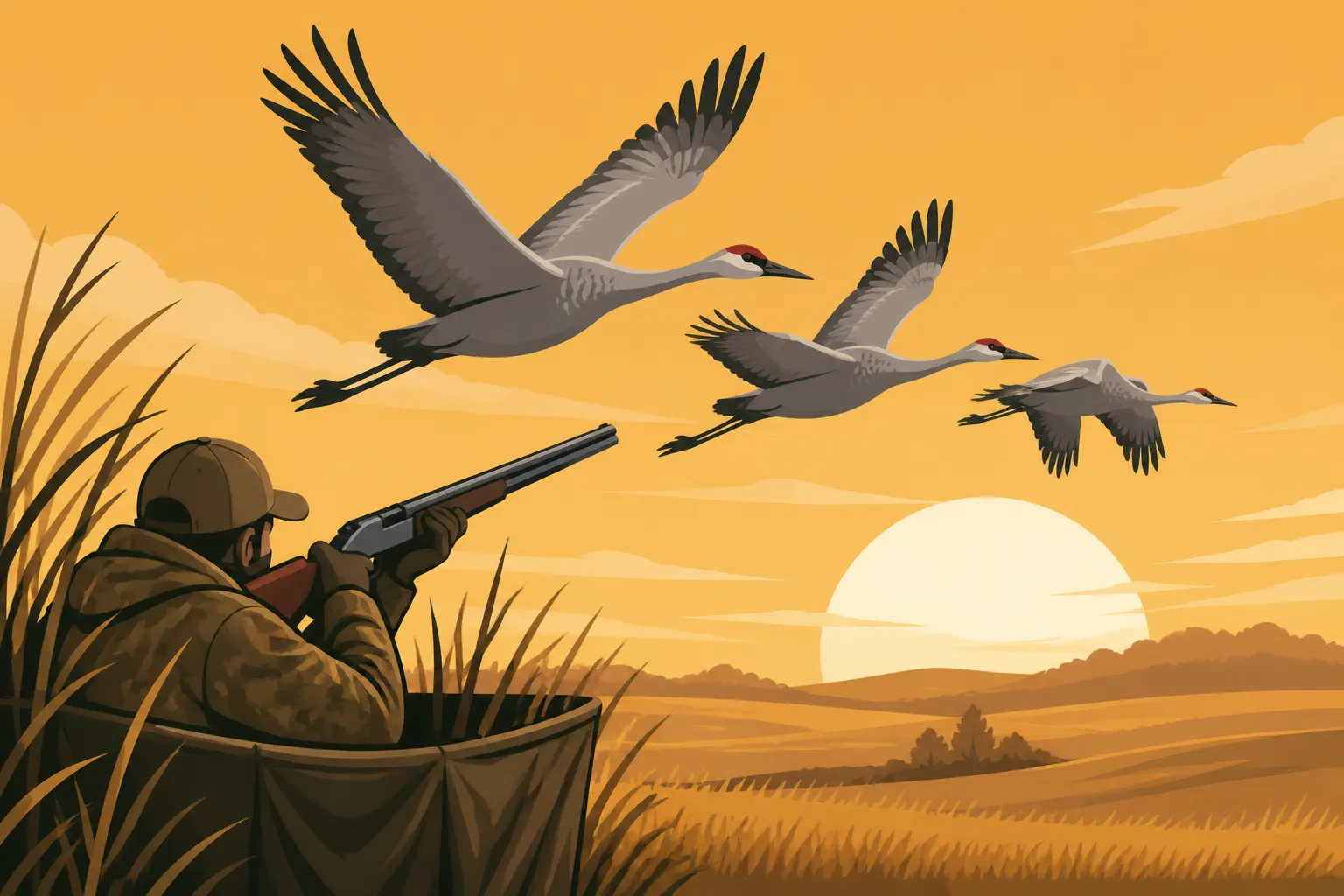
Sandhill cranes are truly unmistakable once you know what to look for. They are large, elegant birds, standing often over three feet tall with an impressive wingspan of six feet or more. Their plumage is a striking ash-grey, sometimes stained rusty brown from preening with iron-rich mud. The most distinctive feature is arguably their bare, reddish-orange cap on the forehead, which becomes more vibrant during breeding season but is still noticeable during migration. In flight, they extend their long necks and even longer legs straight out behind them, creating a streamlined profile. Their wingbeats are steady and deliberate, and they often soar on thermals at great heights. Compared to a Canada Goose, which has a shorter neck and more compact body, or a Great Blue Heron, which typically hunches its neck in flight, the crane’s silhouette is unique. On the ground, their tall stature, long legs, and somewhat awkward, high-stepping gait make them easy to pick out in a field, even from a distance. And, of course, there's that piercing, bugling call—a rolling, trumpeting sound that can be heard long before you see them.
Feeding Habits and Field Preferences
Sandhill cranes are opportunistic omnivores, but during their migration through Saskatchewan, their diet is heavily skewed towards waste grain left behind after harvest. They are particularly fond of pulse crops like peas and lentils, which offer easily digestible and high-energy sustenance. You'll often find them gleaning fields that have been recently harvested, walking slowly and deliberately, probing the ground with their sturdy bills. While pulse fields are a top choice, they will also frequent fields of swathed or harvested barley, wheat, or even corn if available. They tend to feed in large, open fields, where their keen eyesight and height allow them to spot potential threats from afar. Typically, they’ll arrive in feeding fields shortly after sunrise, feed for several hours, then often take a mid-day break, sometimes loafing in an adjacent field or wetland, before returning to feed again in the late afternoon until just before sunset. This predictable pattern is crucial for hunters.
Roosting and Resting Locations
After a long day of feeding in the grain fields, sandhill cranes seek safe haven for the night. Unlike geese or ducks that might roost in the same pond they feed near, cranes prefer large, shallow water bodies or extensive wetlands where they can stand in relatively open water, safe from most ground predators. These roosting sites are often several miles, sometimes even ten or more, from their primary feeding fields. Observing their flight paths at dusk can reveal these critical locations. They will fly in streams and long V-formations, all heading in the same general direction towards a large slough, marsh, or even an unharvested flooded field. This separation between feeding and roosting areas means hunters need to scout both ends of their daily commute to understand their full patterns. A successful hunt often depends on intercepting them between these two vital locations.
The Thrill of Hunting Sandhill Cranes in Saskatchewan
Hunting sandhill cranes offers a unique challenge and reward, often different from traditional waterfowl. Their wariness and impressive size make for an exhilarating experience when they commit to your spread.
Season Dates and Bag Limits
Before heading out, always consult the official Saskatchewan hunting regulations, as dates and limits can change year to year. Generally, the season for sandhill cranes in Saskatchewan opens in early September and runs through early November, overlapping significantly with duck and goose seasons. Daily bag limits are usually quite generous, often allowing for several birds per hunter, with possession limits that reflect this. For instance, the Saskatchewan Sandhill Crane Season Dates are often published well in advance, giving hunters ample time to plan. However, keep in mind that a federal migratory bird permit, along with your provincial hunting license and a Wildlife Habitat Certificate, is mandatory for hunting cranes, just like ducks and geese. You'll need to purchase a Federal Migratory Game Bird Permit to legally hunt these birds. Ensure all your paperwork is in order before the season begins.
Essential Gear for Crane Hunting
Hunting cranes requires a specific setup to be successful. Firstly, decoys are paramount. Full-body crane decoys are the most effective, but high-quality silhouettes or even large goose decoys can work if spaced correctly. Cranes are large birds, so you'll want a spread of at least a dozen, preferably more, to make it look like an attractive, safe feeding area. Blinds are equally crucial; cranes have incredible eyesight and are notoriously wary. Layout blinds are excellent in open fields, allowing hunters to remain concealed directly within the decoy spread. A-frame blinds or natural cover enhanced with ghillie blankets can also work if you can effectively blend them into the surroundings.
When it comes to shotguns and ammunition, a 12-gauge with a modified or improved cylinder choke is a popular choice. Non-toxic shot is a legal requirement for all migratory bird hunting in Saskatchewan, including cranes. Steel shot in sizes BB, BBB, or T is common, but bismuth or tungsten-based loads can offer denser patterns and more energy if your budget allows. For more details on what's allowed, refer to the Non-Toxic Shot Requirements for Waterfowl. Carrying a crane call is also highly recommended. While they don't respond to calling with the same frenzied enthusiasm as geese, soft, contented clucks and realistic bugles can help finish birds that are circling your spread.
Decoying and Calling Strategies
Setting up a successful crane spread is an art form. Cranes prefer large, open spaces, so spread your decoys out generously, often much further apart than you would for geese. Think realism and space. Place your blinds downwind or crosswind from your decoy spread, allowing incoming birds to approach facing the wind, which slows them down and presents better shot opportunities. Good concealment is non-negotiable; if they see you, they're gone. Often, covering yourself and your blind with whatever crop is in the field – pea straw, lentil stubble – makes all the difference.
Calling should be subtle and confident. Start with contented clucks and soft purrs to mimic feeding birds, escalating to a louder, rolling bugle when a distant flock is spotted or when they begin to circle. Watch their reactions carefully; if they flare, ease off the call. The goal is to reassure them that your spread is a safe place to land. Patience is key, as cranes will often circle multiple times, gaining altitude, before making a final approach. Wait for them to commit, lower their landing gear, and present an ethical shot within effective range. Remember, these are big birds, and it's easy to misjudge distance, so practice your judging skills before the hunt.
Scouting and Accessing Prime Crane Hunting Areas
Locating the birds and securing permission are arguably the most critical components of a successful crane hunt. Without them, all the best gear and calling techniques won't matter.
How to Locate Active Feeding and Roosting Fields
Pre-season and in-season scouting is paramount when hunting sandhill cranes. They are creatures of habit but can shift locations quickly based on harvest progress, weather, and hunting pressure. Start by identifying areas known for crane activity, often within Saskatchewan’s grain belt. Drive grid roads at dawn and dusk, looking for large flocks flying to and from fields. Use good binoculars or a spotting scope to observe feeding birds from a distance. Look for specific field types, like Hunting a Pea Field After Harvest or Hunting a Lentil Field Edge, as these are often preferred.
Pay attention to which fields they're actively using and, just as importantly, where they are roosting. Watching their flight paths at sunset will point you towards their overnight sanctuaries. Mobile mapping applications, like those offered by GoHunt, can be invaluable for identifying potential roosting sloughs, large wetlands, and different crop types in an area. These apps allow you to mark active fields and potential blind locations, making your scouting efforts much more efficient. Understanding the specific areas where cranes are concentrating is the foundation of your hunt, so dedicating time to Scouting Fields for Saskatchewan Waterfowl will pay dividends.
Securing Landowner Permission
Saskatchewan is predominantly private land, and respecting landowner rights is not just good etiquette; it's the law. Unlike some general access to Crown land for hunting, crane hunting often takes place on specific agricultural fields, which are almost universally privately owned. You must obtain explicit permission from the landowner before stepping foot on their property. This involves "knocking on doors" and having a friendly, respectful conversation. Approach them well in advance of your hunt, explain what you want to do, and be prepared to offer to share some of the harvested birds. Many landowners are accommodating, especially if you demonstrate respect for their land and crops. For a detailed guide on this process, consider reading about Getting Permission for a Goose Field, as the principles are largely the same for cranes. Building good relationships with landowners can lead to future hunting opportunities and is a cornerstone of ethical hunting in Saskatchewan.
Public Land Opportunities for Cranes
While much of Saskatchewan's prime crane hunting occurs on private agricultural land, there are still opportunities on public lands. Saskatchewan boasts extensive Crown land, and some of it does include agricultural leases or borders on significant wetlands that cranes might use. Additionally, Fish and Wildlife Development Fund (FWDF) lands often contain ideal habitat. The challenge with public land is usually increased hunting pressure and finding fields that have been harvested in a timely manner to attract birds. You might find success hunting migratory routes over Crown land or setting up on edges near feeding fields, but direct field hunting on public land can be more challenging to orchestrate effectively. Tools that show Saskatchewan Crown Land Layers on onX can help you identify these areas, but you'll still need to put in significant boots-on-the-ground scouting to confirm bird activity and access points. While often secondary to private land opportunities, don't completely discount the potential of Public Hunting Land in Saskatchewan for a crane hunt, especially if you're willing to walk a bit further or hunt less conventional spots.
Challenges and Considerations for Crane Hunters
Hunting sandhill cranes, while incredibly rewarding, comes with its own set of challenges that new hunters should be aware of. Understanding these can help you better prepare and increase your chances of success.
The Elusive Nature of Cranes
Sandhill cranes are incredibly smart and wary birds, often described as having the keen eyesight of a deer combined with the wariness of a coyote. They operate with a high degree of caution, and if anything looks or feels "off" about your setup, they will often circle wide, gain altitude, and simply move on to another field. This wariness means that concealment is absolutely paramount. You need to be completely hidden, with no shine, no movement, and your blinds meticulously blended into the surroundings. Even the slightest glint of sunlight off a gun barrel or a hunter's face can be enough to send them flaring out of range. Their tendency to circle high before committing can test a hunter's patience. You might watch a flock slowly work its way towards your spread for fifteen minutes, only for them to suddenly veer off without a clear reason. This elusive nature is part of what makes successfully decoying a flock of cranes so incredibly satisfying.
Meat Care and Culinary Value
One of the greatest rewards of a sandhill crane hunt is the meat. Often dubbed the "ribeye of the sky" or "prairie steaks," crane meat is dark, rich, and incredibly flavorful. It has a texture similar to beef and can be prepared in various ways, from searing it like a steak to slow-cooking it for shredded meat. However, like any game meat, proper field care is essential to ensure its quality. Cranes are large birds, and their body heat can quickly spoil the meat, especially on warmer early September days.
As soon as possible after the retrieve, make sure to field dress the bird. Removing the entrails and cooling the carcass rapidly helps prevent bacterial growth. If you're hunting in warmer conditions, consider bringing a cooler with ice to store the birds promptly after cleaning. Many hunters will breast out cranes in the field, taking only the large breast muscles, which are surprisingly substantial. Ensure the meat is kept clean and cool during transport. If you're hunting during cooler weather, similar principles apply to Meat Care in Saskatchewan's Cold Snaps, though the urgency to cool the meat might be slightly less immediate. When properly cared for, sandhill crane meat is a culinary delight that many hunters cherish.
Respecting the Resource and Ethical Hunting
As with all hunting, respecting the sandhill crane resource and adhering to ethical hunting practices is crucial for ensuring these opportunities continue for future generations. This means always taking clean, ethical shots within your effective range. Cranes are tough birds, and a wounded bird can fly a considerable distance, making retrieval difficult or impossible. Practice with your shotgun and chosen ammunition beforehand so you know your effective range and pattern. Rapid retrieval of downed birds is also essential, minimizing suffering and ensuring no meat is wasted.
Always be mindful of your bag and possession limits, and clearly understand any specific regulations that apply to cranes. Over-harvesting or disregard for rules can lead to reduced opportunities or stricter regulations in the future. Moreover, be respectful of non-hunters and other outdoor enthusiasts. Crane hunting can be quite visible, and conducting yourself in a responsible and ethical manner helps maintain a positive public image for hunting. By being a responsible steward of the resource, you help ensure that the spectacle of sandhill cranes passing through Saskatchewan remains a cherished part of our hunting heritage.
| Crane Behavior | Hunting Strategy | Key Considerations |
|---|---|---|
| High-flying Flocks | Use loud, confident bugle calls to get their attention; don't expect immediate commitment. | Patience is critical; they may circle for a long time. |
| Circling Over Decoys | Reduce calling volume; use soft clucks and purrs. Remain absolutely motionless. | Look for signs of commitment (dropping feet, wing beats slowing). |
| Feeding in Open Fields | Emphasize wide decoy spreads and impeccable concealment (layout blinds are ideal). | Cranes have keen eyesight; any visible movement or shine will flare them. |
| Roosting in Wetlands | Focus on intercepting them between roost and feeding fields. | Roosting areas are often sensitive; avoid disturbing them directly. |
| Wary of Approach | Scout from a distance; use binoculars. Secure landowner permission well in advance. | Direct approach will likely spook them. |
Disclaimer
This article is for general informational purposes only and does not constitute professional advice. Laws, prices and regulations vary by location and change over time. Consult a qualified professional for guidance on your specific situation.