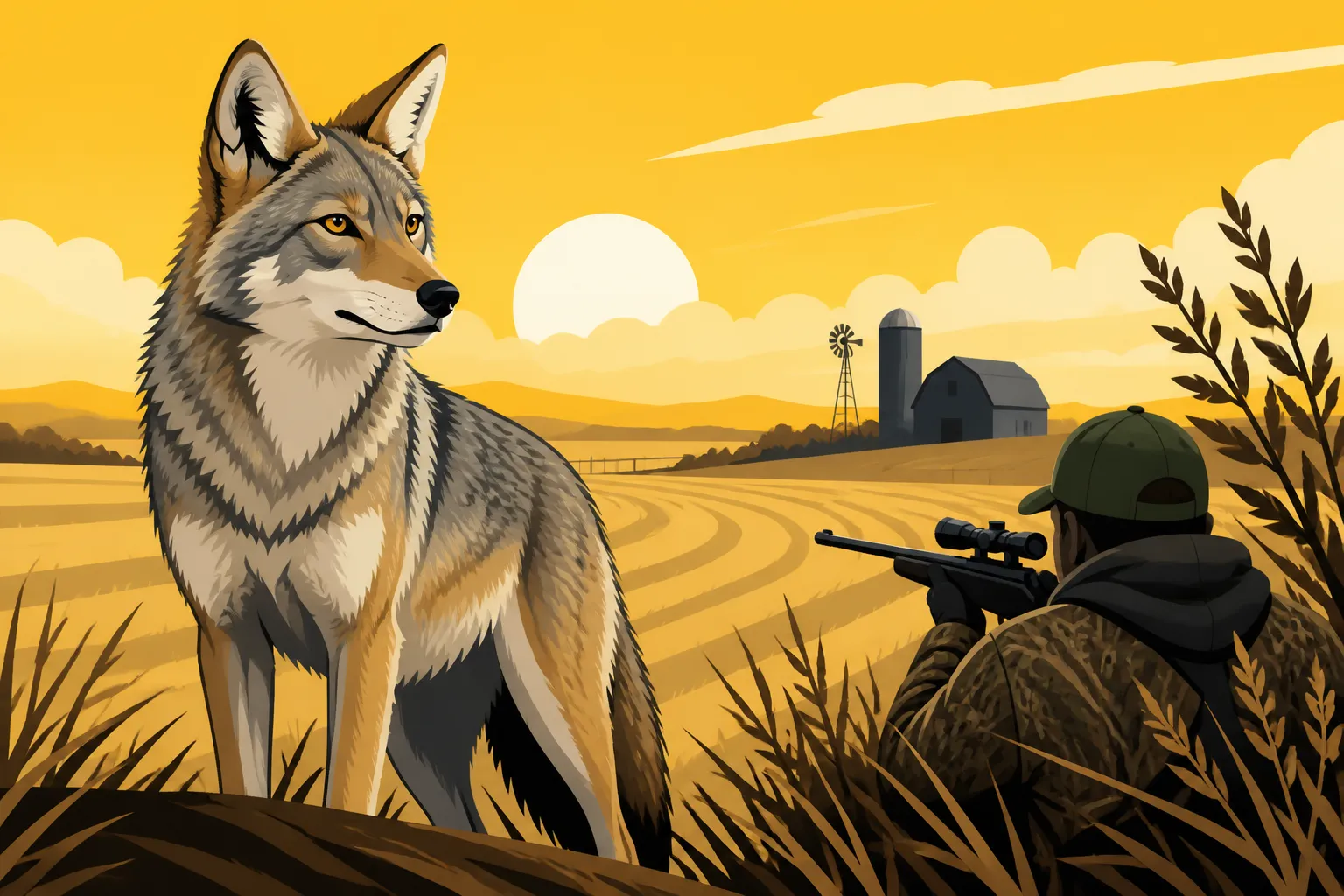
Coyotes in Saskatchewan Farm Country
For anyone living or hunting in Saskatchewan's vast agricultural landscape, the sight or sound of coyotes is an everyday reality. While these adaptable canids play a vital role in our ecosystem, their presence, particularly in farm country, often brings with it genuine frustrations: worries about livestock, concerns over local deer populations, and the constant challenge of managing their numbers. This guide will dive deep into understanding Saskatchewan's coyotes, their impact, and the most effective strategies for ethical and successful hunting in our unique farmland environments.
Understanding Saskatchewan's Coyote Population
Saskatchewan’s agricultural belt, stretching across the southern and central parts of the province, provides an incredibly rich and varied habitat for coyotes. From the sprawling wheat fields to the dense willow bluffs and poplar groves, these intelligent animals have found a way to not just survive, but truly thrive.
Why Coyotes Thrive on Farmland
It might seem counterintuitive, but farmland, with its vast open spaces, actually offers a buffet and a fortress for coyotes. Think about it: our province's agricultural operations produce an abundance of small rodents like voles, mice, and gophers, which are a primary food source. When harvest season rolls around, spilled grain attracts even more of these creatures, creating a consistent, readily available food supply that few other environments can match. Beyond the small stuff, coyotes are also opportunistic, preying on various ground-nesting birds, rabbits, and even scavenging on deer carcasses or unharvested crops.
Beyond food, the patchwork of fields, shelterbelts, coulees, and sloughs provides ideal cover. A dense willow run between two fields, a deep coulee cutting through pasture land, or even the edge of a standing canola field offers safe travel corridors, denning sites, and ambush points. They can easily move from one food source to another, remaining largely unseen. The combination of plentiful prey, diverse cover, and a general lack of natural predators in most farmed areas creates a perfect storm for robust coyote populations. It's why you often see them darting across a gravel road or hear their yips and howls echo across the stubble fields at dusk.
The Role of Coyotes in the Ecosystem
While often viewed as a nuisance, especially by farmers, coyotes are integral members of Saskatchewan's ecosystem. They are apex predators in many local food chains, primarily regulating populations of rodents and rabbits. This control can actually benefit agricultural operations by reducing damage caused by these smaller pests. They also act as natural scavengers, cleaning up carrion, which helps prevent the spread of disease.
However, their adaptability means their impact can shift. In areas where deer or elk populations are high, particularly on farmland, coyotes can play a role in culling weaker or younger animals. They are a significant predator of fawns, and in some localized areas, their predation can put pressure on vulnerable game populations. It's a delicate balance, and understanding their ecological role helps us appreciate why complete eradication isn't feasible or even desirable. Instead, we aim for intelligent management that respects their place in nature while mitigating their negative impacts.
Impact of Coyotes on Livestock and Wildlife
The presence of coyotes on farmland inevitably brings up the critical discussion of their impact on both domestic livestock and wild game species. For ranchers and hunters alike, these interactions are often a source of significant concern.
Protecting Livestock from Predation
This is perhaps the most immediate and tangible concern for many Saskatchewan farmers. Calves, lambs, and poultry are particularly vulnerable to coyote predation. A single coyote or a small pack can inflict considerable economic loss on a rancher, leading to understandable frustration and a desire for effective management strategies. It’s not just about the direct loss of animals; the stress on the remaining herd can also impact their health and productivity.
Farmers employ various methods to protect their livestock. Guard animals like llamas, donkeys, or specially bred guard dogs (e.g., Great Pyrenees) have proven effective in some operations by bonding with the herd and actively deterring predators. Fencing, especially electric fencing, can provide a physical barrier, though coyotes are incredibly resourceful and can often find ways around or under less robust barriers. Night penning, where vulnerable animals are brought into secure enclosures at night, is another common practice. For hunters, offering services to reduce coyote numbers on agricultural land can be a valuable way to build relationships with landowners and gain access for other hunting opportunities. Understanding these challenges is key to being a responsible hunter in farm country.
Effects on Deer and Other Game Animals
Beyond livestock, coyotes can have a noticeable effect on local game populations, particularly white-tailed deer. While adult, healthy deer are generally capable of fending off coyotes, fawns are extremely vulnerable. A significant portion of fawn mortality in some areas can be attributed to coyote predation, especially in regions with good cover that allows coyotes to easily ambush young deer. This can directly influence future deer numbers and the overall health of a local herd.
Other ground-nesting game birds, such as pheasants and sharp-tailed grouse, can also experience predation on their nests and chicks. While coyotes aren't the sole factor affecting game populations, their consistent presence and adaptability mean they are a contributing force. For hunters, managing coyote numbers can be a way to indirectly support healthy game populations, allowing more fawns to survive to maturity. Many hunters specifically target coyotes on agricultural land as part of a broader deer management strategy, aiming to reduce pressure on young deer. When you're out there Hunting Whitetails on Saskatchewan Farmland, you'll often see coyote tracks crisscrossing the same deer trails, highlighting this constant interaction.
Effective Coyote Hunting Strategies in Agricultural Areas
Hunting coyotes in Saskatchewan's farm country requires a blend of strategy, patience, and adaptability. The wide-open spaces and specific types of cover demand different tactics than hunting in dense bush.
Calling Techniques for Farm Country Coyotes
Calling is arguably the most effective method for luring coyotes into range on farmland. Coyotes are incredibly curious and territorial, responding to a variety of sounds.
- Distress Calls: These are the bread and butter of coyote calling. Sounds mimicking a rabbit, fawn, or bird in distress often elicit a quick and aggressive response from hungry coyotes looking for an easy meal. Electronic callers like those from Foxpro or Primos are excellent, offering a wide array of realistic sounds and the ability to control volume and sequence. Manual calls, like a traditional jackrabbit call, can be very effective too, especially for hunters who prefer a more hands-on approach. When you set up, think about where the sound will carry and where a coyote might approach from. Wind direction is critical here, always try to have it in your face or quartering.
- Challenge Howls: Once you've established a presence, particularly if you suspect other coyotes are in the area, a challenge howl can work wonders. This mimics another coyote intruding on their territory and can provoke a dominant male to come in to investigate or challenge. Combining howls with distress calls can be a potent one-two punch. Start with some locator howls, wait for a response, and then switch to distress calls once you know a coyote is paying attention.
- Pup Distress Calls: During late spring and early summer, pup distress calls can be incredibly effective. A female coyote, especially one with pups nearby, will often charge in aggressively to protect her young from what she perceives as a threat. This is a highly emotional response and can bring coyotes in fast. Timing your calls and understanding the coyote's seasonal behavior are key to maximizing your success. For more localized tips, check out Calling Coyotes in Saskatchewan Stubble.
Spot-and-Stalk Hunting in Open Fields
While calling is powerful, spot-and-stalk is another viable strategy, particularly in areas with undulating terrain or large fields where coyotes might be visible at a distance. This involves using high-quality optics to locate coyotes bedded down or actively hunting, and then carefully planning an approach to get within shooting range.
The vastness of Saskatchewan's stubble fields, pastures, and summerfallow can make this challenging, but it's not impossible. Often, coyotes will use natural contours, shelterbelts, or even small rises in the land for cover. You might spot a coyote working the edge of a Hunting a Field of Standing Corn or cruising a pasture. A good pair of binoculars and a spotting scope are indispensable. Once spotted, assess the wind, terrain, and any available cover. A successful stalk requires extreme patience and the ability to move slowly and quietly, often crawling or using low-profile movements. Remember, their eyesight and sense of smell are incredible, so stealth is paramount. This method is particularly rewarding as it truly tests your fieldcraft.
Decoy and Ambush Tactics
Integrating decoys into your calling setup can significantly increase your success rates. A simple rabbit or fawn decoy, positioned visibly downwind from your calling position, can draw a coyote's attention away from you, allowing them to focus on the perceived prey. This distraction can buy you crucial seconds for a clean shot. Electronic decoys with erratic movements can be even more effective, mimicking the struggle of an injured animal.
When setting up an ambush, always consider your hide. Natural cover like a bush line, a snowdrift, or even the side of a hay bale can provide concealment. Sometimes, you might even set up near a known travel corridor, like a fence line between quarters or a Hunting a Shelterbelt Between Two Fields, anticipating a coyote will eventually pass through. Position yourself to have a clear shooting lane and a good backdrop. Having a partner can also be a huge advantage; one person calls while the other covers a different approach angle, or simply acts as a spotter. Always ensure you have permission to hunt on the land, as most farmland is private.
Gear and Equipment for Saskatchewan Coyote Hunters
Successful coyote hunting in Saskatchewan's diverse conditions demands reliable gear. From the right firearm to essential optics and appropriate clothing, being prepared can make all the difference.
Recommended Firearms and Ammunition
When it comes to firearms for coyotes on Saskatchewan farmland, precision and range are key. You'll often be dealing with shots at varying distances, from close-range encounters out to several hundred yards across open fields.
- Rifles: A flat-shooting, accurate rifle chambered in a varmint-specific cartridge is ideal. Popular choices include the .223 Remington, .22-250 Remington, and .204 Ruger. These cartridges offer excellent velocity, minimal recoil, and relatively inexpensive ammunition, allowing for plenty of practice. A .22-250, for instance, is a classic for open country, delivering the speed and energy needed for clean kills at distance. For hunters who also deer hunt, a .243 Winchester or even a 6.5 Creedmoor can do double duty, though they might be a bit much for close-range coyotes.
- Ammunition: Opt for bullets designed for varmints. These typically feature lighter weights and thinner jackets, designed for rapid expansion upon impact. This ensures quick, humane kills and minimizes ricochet in open country. Brands like Hornady V-Max, Nosler Varmageddon, or Sierra BlitzKing are excellent choices. Carry enough ammunition for your hunt, but don't overpack; focus on quality and consistency. Always zero your rifle well before the season, especially if you've changed ammunition types.
- Shotguns: While not typically the primary choice for open-field coyote hunting, a shotgun loaded with buckshot (e.g., #4 buck or BB shot) can be effective in dense cover, such as deep bluffs, or when calling coyotes in close where a rifle shot might be too risky due to potential over-penetration or background concerns. It's often carried as a secondary weapon or by a hunting partner positioned for close-range opportunities.
Essential Calls and Optics
Your ability to locate, attract, and then clearly see a coyote will heavily influence your success.
- Calls: As mentioned earlier, electronic callers are invaluable. They offer a huge variety of sounds, remote operation, and consistent volume. Foxpro and Lucky Duck are well-regarded brands. Supplement these with a few manual calls: a basic open-reed distress call, a closed-reed howler, and a pup-in-distress call. Having both options ensures you're prepared for any scenario, even if batteries fail.
- Optics: High-quality binoculars are non-negotiable for scanning vast landscapes. A 10×42 or 12×50 power is generally sufficient. Look for good low-light performance, as coyotes are most active at dawn and dusk. A spotting scope can be incredibly useful for confirming distant sightings or judging shot placement, especially if you plan on significant spot-and-stalk hunting. For your rifle, a variable power scope (e.g., 3-9×40, 4-12×50, or even 4.5-14×44) with clear glass and a reliable turrets is essential for making precise shots at varied ranges. Don't skimp on your scope; it's often more important than the rifle itself. When using a mapping tool like GoHunt, you can identify potential vantage points or observation areas long before you even set foot in the field, helping you choose the best spots for glassing.
Apparel for Varying Weather Conditions
Saskatchewan weather is famously unpredictable, especially during the fall and winter coyote seasons. Dressing appropriately isn't just about comfort; it's about safety and your ability to remain concealed and still for extended periods. For an extensive guide, consider "Hunting Saskatchewan Winter Weather Safely".
- Layering: The golden rule of outdoor apparel. Start with a moisture-wicking base layer, add insulating mid-layers (fleece or down), and finish with a windproof and waterproof outer shell. This allows you to add or shed layers as conditions change throughout the day.
- Camouflage: While coyotes aren't colorblind, they are extremely attuned to movement and patterns. A good camouflage pattern that breaks up your silhouette is important. More crucial than pattern, however, is blending into your surroundings. If hunting in snow, white camouflage is vital. In stubble fields, a mix of browns, tans, and dull greens works well.
- Extremities: Don't forget your head, hands, and feet. A warm toque or balaclava, insulated gloves or mittens, and good quality, waterproof, insulated boots are critical. Sitting still on a cold November morning, your feet and hands will be the first to get cold. Consider hand warmers and foot warmers for prolonged stands.
- Blaze Orange: While not always required for predator hunting, it's wise to carry or wear blaze orange when moving between stands or if other hunting seasons are open concurrently. Safety is always paramount. A good Winter Truck Kit for a Saskatchewan Hunt should always include extra warm layers.
Navigating Regulations and Land Access
Hunting coyotes in Saskatchewan, especially in farm country, isn't just about calling skills or marksmanship; it's also about understanding the rules and, most importantly, respecting private property.
Understanding Saskatchewan's Coyote Hunting Regulations
Coyote hunting in Saskatchewan is generally quite liberal, reflecting their status as an unregulated species for residents. This means there's typically no closed season or bag limit for resident hunters. However, there are crucial nuances you need to be aware of:
- Licensing: While a specific "coyote licence" isn't required for Saskatchewan residents, you do need a valid Saskatchewan Wildlife Habitat Certificate to hunt any wildlife in the province. This is a mandatory purchase for all hunters. For non-residents, the rules are different and generally require an outfitter. Always check the current Saskatchewan Hunters' and Trappers' Guide published by the Ministry of Environment, as regulations can change.
- Hunting Hours: Standard hunting hours for big game typically apply, which are generally one-half hour before sunrise to one-half hour after sunset. However, specific regulations for predator hunting, especially at night, can vary and are often more restrictive. Night hunting for coyotes usually requires specific permits and is tightly controlled, often only allowed under specific circumstances or by landowners for livestock protection. It's imperative to consult the official regulations or contact the Ministry of Environment directly if you plan to hunt coyotes after dark.
- Firearms: Ensure your chosen firearm and ammunition comply with all provincial and federal regulations. While most common varmint calibers are legal, certain restrictions may apply to specific areas (e.g., proximity to dwellings or municipalities).
- Baiting: Generally, baiting for coyotes is permitted, but there are regulations regarding placement, proximity to roads, and type of bait. Always ensure you are following these guidelines to avoid issues.
- Reporting: No mandatory reporting for harvested coyotes is typically required for residents, but contributing to local surveys or communicating your efforts to landowners can be beneficial.
For accurate and current information, the official Saskatchewan hunting guide is your best friend.
Gaining Access to Private Farmland
This is perhaps the most critical aspect of hunting coyotes in Saskatchewan farm country. The vast majority of prime coyote hunting ground in agricultural areas is privately owned. Hunting on private land without explicit permission from the landowner or occupant is illegal and considered trespassing.
- Asking for Permission: This cannot be stressed enough. Always, always ask for permission. Knock on doors, introduce yourself respectfully, explain what you want to hunt (coyotes), and ask if they would be open to allowing access. Be polite, offer to share any game (if applicable, though less common for coyotes), and assure them you will respect their property. Many farmers are dealing with coyote issues and will welcome ethical hunters. It helps to be proactive, approaching them well before you want to hunt.
- Building Relationships: Once you gain permission, maintain a good relationship. Leave gates as you found them (open or closed), drive only on established trails, pick up any spent casings, and report anything unusual you notice on their land (e.g., downed fences, suspicious activity). A simple "thank you" or an offer to help with a small chore can go a long way. This builds trust and ensures you'll be welcomed back. You can find more tips in Knocking on Doors in Saskatchewan Farm Country.
- Posted Land: Respect "Posted No Hunting" signs or any other signs indicating restricted access. If you see a sign like "Hunt on Foot Only," adhere to it strictly. Using a tool like GoHunt can help you identify land ownership, allowing you to target your permission requests effectively and avoid accidental trespass. Many landowners will provide a specific area or directions on where they prefer you to hunt.
- Crown Land: While less common in the densest agricultural areas, Saskatchewan does have pockets of Crown land throughout the province where coyotes can be hunted. These areas are generally open to public hunting but always verify boundaries and any specific regulations for that particular parcel. Using Reading a Saskatchewan WMZ Map Before You Go is crucial for identifying public access points.
The Future of Coyote Management in Saskatchewan
The ongoing presence of coyotes in Saskatchewan's farm country presents a dynamic challenge, one that requires thoughtful approaches balancing ecological health with human interests.
Community Involvement and Integrated Approaches
Effective coyote management isn't solely the responsibility of individual hunters or landowners; it often benefits greatly from community involvement and integrated strategies. This means fostering open communication between landowners, agricultural organizations, wildlife managers, and local hunters. When farmers communicate their concerns about livestock depredation, and hunters offer their skills to help mitigate these issues, a cooperative spirit emerges.
Programs that encourage hunters to participate in predator control, perhaps through local events or landowner-hunter matching services, can be incredibly valuable. Educating the public about the coyote's role in the ecosystem, while also providing practical advice on reducing conflicts, is crucial. Integrated pest management, which involves a combination of deterrents (like guard animals or specialized fencing), habitat modification, and targeted hunting, tends to be more sustainable and effective in the long run than any single approach. This multi-faceted strategy recognizes the complexity of the issue and seeks solutions that work for both the wildlife and the people sharing the land.
Balancing Predator Control with Conservation
The goal of coyote management is rarely eradication. Instead, it's about achieving a balance where coyote populations are healthy enough to perform their ecological functions (like controlling rodents) but not so numerous that they cause significant economic hardship to farmers or unduly suppress vulnerable game populations. This balance is often easier said than done, as environmental factors like harsh winters, drought, or changes in prey availability can cause coyote numbers to fluctuate significantly.
For wildlife managers, the challenge is to use data-driven approaches to understand coyote dynamics in specific areas. For hunters, it means being mindful of ethical hunting practices, ensuring quick, humane kills, and respecting the animal even while managing its numbers. Conservation also means protecting essential habitats, even small ones like bluffs and coulees, which provide homes for coyotes and their prey. Ultimately, successful long-term management will hinge on our ability to adapt, to learn from past experiences, and to work together to ensure a healthy future for both our wildlife and our agricultural communities.
Coyote Calling Techniques Summary
To help you get started or refine your coyote hunting approach, here's a quick summary of popular calling techniques:
| Call Type | Sound Mimicked | Primary Purpose | Best Time to Use | Key Considerations |
|---|---|---|---|---|
| Distress Calls | Injured rabbit, fawn, bird | Lures hungry or opportunistic coyotes for an easy meal | Anytime, but especially early morning/late evening | Vary volume, duration; focus on realism; use with or without a decoy |
| Howls (Locator) | Lone coyote howl | Locates coyotes, identifies their presence | Dawn, dusk, or after a long quiet period | Start with soft howls; listen for responses; do not overcall |
| Howls (Challenge) | Aggressive coyote howl | Challenges territorial males to investigate | When you know coyotes are in the area; during breeding season | Use after locator howls; follow up with distress calls if challenged |
| Pup Distress | Young coyote in distress | Appeals to maternal instincts, protective behavior | Late spring/early summer | Often elicits aggressive, fast approaches; use sparingly to avoid educating coyotes |
| K-9 Howls/Barks | Interacting coyote sounds | Creates illusion of multiple coyotes | Can be combined with other calls for realism | Mimics social interaction; can draw in curious or territorial coyotes |
Disclaimer
The information provided in this guide is for general informational purposes only. Hunting regulations, seasons, and land access rules in Saskatchewan are subject to change. Always consult the most current Saskatchewan Hunters' and Trappers' Guide, provincial government websites, and local authorities before planning any hunting activity. It is the hunter's responsibility to know and follow all applicable laws and regulations and to obtain proper landowner permission before hunting on private land.