How Logging Cutblocks Affect Saskatchewan Deer
For hunters who spend any time in Saskatchewan's northern and forest fringe regions, you've undoubtedly encountered logging cutblocks. These areas can feel like a scarred landscape at first glance, making you wonder what happened to the deer that once called that forest home. The truth is, while logging certainly impacts deer, it’s not always a simple story of loss. Understanding how these cutblocks evolve and how deer adapt to them is absolutely crucial for any hunter hoping to find success in these dynamic environments. This guide will walk you through the real effects of logging cutblocks on Saskatchewan's deer populations and how you can use this knowledge to your advantage.
The Immediate Impact of Fresh Cutblocks on Deer Habitat
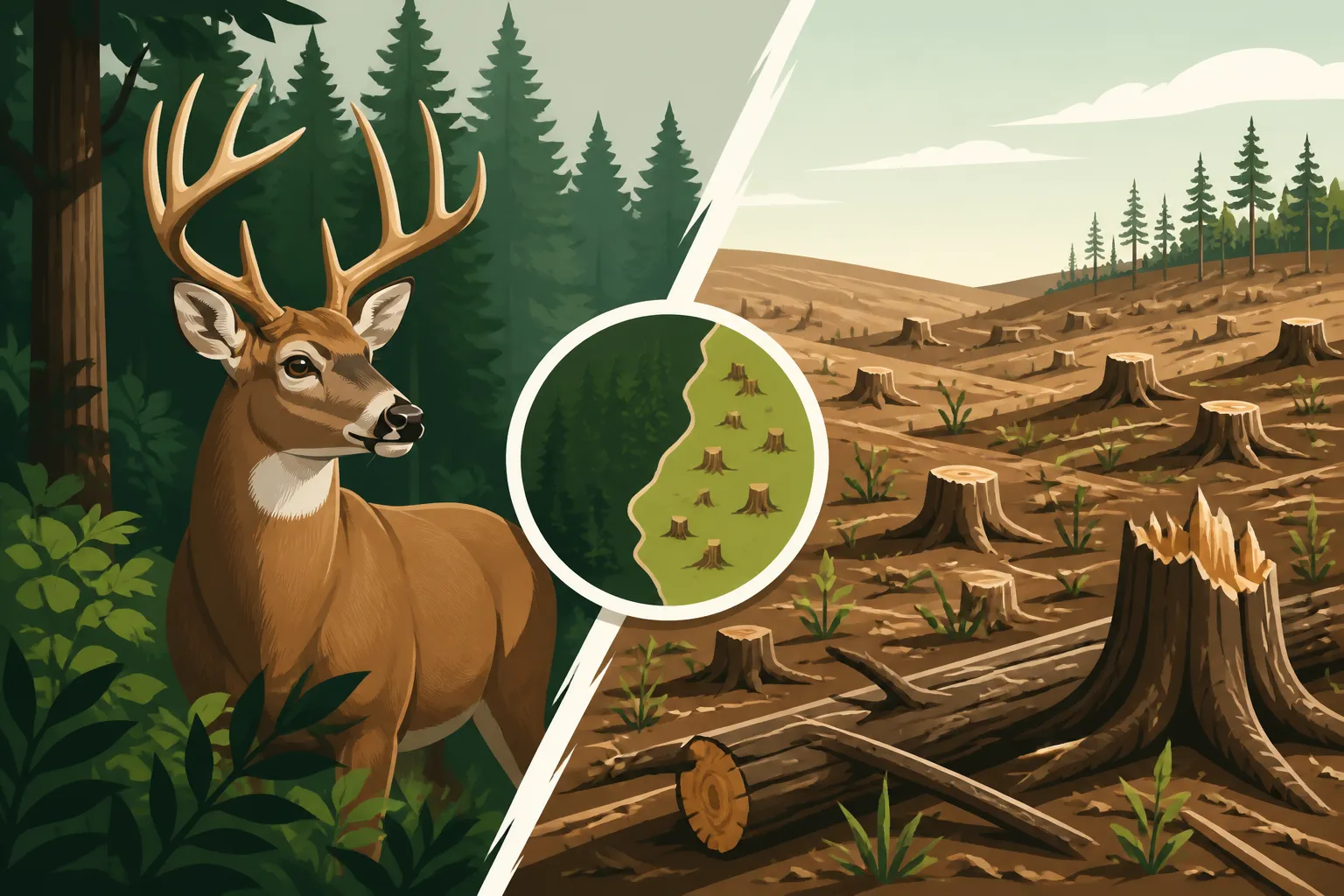
When the chainsaws stop and the heavy machinery pulls out, a freshly logged cutblock can look stark and, frankly, quite desolate. For the deer inhabiting that specific patch of forest, it represents a significant, immediate upheaval. It's not just the trees that are gone; it's their entire immediate world that has changed.
Initial Disruption and Displacement
Think about it from a deer's perspective. One day, they have dense cover, familiar bedding areas, and clear escape routes. The next, there's a cacophony of noise, bright lights, and the earth-shaking rumble of feller bunchers and skidders. This kind of sudden disturbance sends deer scrambling. Initially, they'll simply flee the immediate area, seeking refuge in adjacent untouched timber. This isn't usually a long-term displacement for the entire population, but rather a short-term relocation to quieter, safer zones nearby. They might move to a thick stand just beyond the cutline, or deeper into a less disturbed part of the Boreal Forest Fringe. The sheer act of logging forces them to shift their patterns, find new bedding, and establish new travel corridors, at least temporarily. It's a survival instinct, a rapid adjustment to avoid immediate danger and stress. This initial phase can make hunting immediately adjacent areas tricky, as deer might be on high alert.
Changes in Food Availability
A fresh cutblock dramatically alters the food buffet for deer. On one hand, you lose the mature browse that was growing under the canopy – things like dogwood, willow, and hazelnut that thrive in shadier conditions. Many of the lichens and fungi that mature forests offer also disappear. However, logging also creates an entirely new set of dining opportunities. With the overhead canopy removed, sunlight floods the forest floor, stimulating the rapid growth of pioneering plant species. Woody browse like aspen, willow, and saskatoon berry shrubs, which might have been stunted in the shade, will now explode with vigorous, nutrient-rich new growth. The logging itself often knocks down branches and creates debris piles that can contain buds and twigs not previously accessible. While the immediate loss of established forage can be tough, the subsequent regeneration can quickly turn a cutblock into a deer grocery store within a year or two. This is particularly true for whitetails, which are highly adaptable browsers.
How Regenerating Cutblocks Create New Opportunities
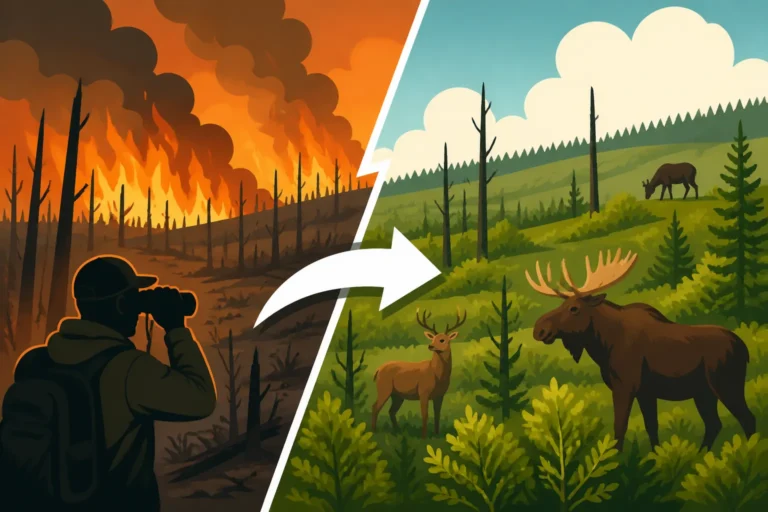
The story of a cutblock and deer habitat isn't just about what's lost; it's very much about what grows back. As nature begins to reclaim the logged areas, these spaces transform into incredibly productive habitats, often superior to the mature forest they replaced, especially for deer.
Regrowth and Browse Production
Once the initial shock passes, and especially after the first growing season, regenerating cutblocks become absolute magnets for deer. The sheer volume of new growth is astounding. Aspens, birches, willows, and various shrubs (like red osier dogwood and saskatoon) sprout vigorously from stumps and seeds. This young, tender growth is packed with nutrients and highly palatable for deer. They are essentially eating machines, and these rapidly growing plants provide an endless buffet. For instance, a cutblock that's 2-5 years old will often be choked with dense saplings and shrubs, creating an ideal feeding zone. Deer will spend hours browsing on these areas, putting on critical fat reserves before winter. This abundant food source is one of the primary reasons why some of the largest deer in Saskatchewan are found in areas that see consistent, managed logging activity. It’s a natural cycle of disturbance and renewal that fuels wildlife populations.
Thermal and Security Cover Evolution
Beyond food, cutblocks also evolve to provide excellent cover. A dense thicket of young aspen or spruce saplings, even if only 6-10 feet tall, creates incredible security and thermal cover. When a deer beds down in such a spot, it's almost impossible to see them. This dense, tangled growth is also difficult for predators to navigate quickly, offering deer an advantage. In deep snow, these dense stands can act as snow traps, holding less snow than mature timber, making it easier for deer to move and find food. As the cutblock matures further, say into the 10-15 year range, it might start to thin out slightly, but still offer fantastic cover around its edges, especially where it meets untouched timber. These edges become high-traffic areas, offering both food in the regeneration and immediate escape into the old growth. When Hunting the Forest Fringe for Big Bucks, knowing these dynamics is paramount.
Stages of Cutblock Regrowth and Deer Utilization
| Cutblock Stage | Typical Age | Deer Utilization & Features | Hunting Strategy Considerations |
|---|---|---|---|
| Fresh Cut | 0-1 year | Initial displacement, some scavenging on downed branches. Sparse cover. | Avoid immediately after logging. Look for deer pushed to adjacent untouched cover. |
| Regenerating | 2-7 years | Heavy browsing on young shoots (aspen, willow, saskatoon). Excellent security and bedding cover due to dense saplings. High deer traffic. | Focus on edges, natural funnels within, and transition zones to mature timber. Look for fresh rubs and trails. |
| Young Forest | 8-15 years | Continued browsing, but some areas become too tall/dense to navigate easily. Still great thermal/security cover. Good for escape routes. | Hunt the thicker sections during mid-day. Identify subtle trails and natural openings within the dense growth. |
| Maturing Forest | 16-30 years | Less primary browse as canopy closes. Becomes more travel corridor and bedding than primary feeding. Increased mast crop if deciduous trees mature. | Best for finding bedding areas, rut cruising lanes, or as thick escape cover. |
Hunting Strategies for Cutblock Country
Hunting in cutblocks requires a different approach than still-hunting through mature timber or sitting over a grain field. These are dynamic, often messy environments that can be incredibly productive if you know how to read them.
Scouting and Reading Sign in Cutblocks
Before you even think about setting up a stand or planning a stalk, dedicated scouting is non-negotiable in cutblocks. The dense growth means deer often leave abundant sign that's easy to miss if you're not looking. Pay close attention to fresh rubs and scrapes, which will be especially evident on the young saplings. These can tell you exactly which bucks are using the area and their preferred travel paths. Look for heavily used deer trails, particularly those leading from dense bedding cover within the cutblock to more open feeding areas, or trails that skirt the perimeter where the cutblock meets older timber.
One invaluable tool for scouting cutblocks is satellite imagery, especially during the off-season. Platforms like GoHunt allow you to zoom in and identify variations in regrowth density, unlogged islands of timber, or natural draws and funnels within the cutblock. These visual clues can save you countless hours of blindly walking through thick brush. During hunting season, after a fresh snowfall, Reading Sign After Fresh Saskatchewan Snow becomes your best friend. Tracks will stand out against the white, revealing fresh activity and travel patterns that were invisible before. Look for areas where deer have been actively browsing, indicated by clipped twigs and stripped bark on saplings.
Stand Placement and Approach
Given the dense nature of regenerating cutblocks, stand placement often needs to be more strategic and patient. Instead of setting up deep within the thickest part, consider placing stands on the edges where the cutblock meets older, more open timber. Deer frequently use these transition zones as highways between cover and food. Look for subtle funnels – perhaps a narrow strip of unlogged bush running through the cutblock, or a low saddle between two ridges of dense regrowth. These natural choke points are excellent spots.
Ground blinds can also be highly effective in cutblocks, especially if you can tuck them into a thick cluster of saplings, breaking up your outline. The key is to approach your stand or blind stealthily. The noisy, crunchy footing of dried leaves and broken branches in a cutblock can easily give you away. Plan your approach routes carefully, using existing trails or natural features to minimize noise. Consider still-hunting along the windward side of a cutblock during the day, moving slowly, glassing ahead, and listening for the subtle sounds of deer browsing or moving through the thick cover. Persistence is often rewarded, as deer can be very close but completely hidden.
Long-Term Habitat Considerations and Management
The story of logging cutblocks and deer habitat is one of constant evolution. It’s a powerful reminder that forests are not static entities, and disturbance, when managed thoughtfully, can be a vital part of a healthy ecosystem.
The Role of Sustainable Forestry
In Saskatchewan, a significant portion of logging operations are conducted under sustainable forestry management plans. This isn't just about cutting trees; it's about managing forest health, regeneration, and wildlife habitat over the long term. Rather than clear-cutting vast, unbroken swaths, modern forestry often involves smaller, strategic cutblocks, sometimes leaving "islands" or corridors of mature timber within them. These practices aim to mimic natural disturbances like wildfires, which historically created diverse forest structures across the landscape.
When logging is done right, it creates a mosaic of habitat types: mature forest, young regenerating cutblocks, and various stages in between. This diversity benefits not only deer but a host of other wildlife, from ruffed grouse and snowshoe hare to moose and black bears. For deer, sustainable forestry ensures a continuous supply of that vital early-successional browse and dense cover they thrive in. It's a cyclical process, where older cutblocks eventually mature into new forest, and new areas are logged to restart the regeneration cycle. Understanding this broader picture helps hunters appreciate the complex relationship between forest management and game populations.
Understanding Deer Movement Patterns
Deer are creatures of habit, but they are also incredibly adaptable. Their movement patterns in cutblock country are largely dictated by their core needs: food, cover, and water. In the first year or two after a cut, deer will often shy away from the open, disturbed areas, sticking to the security of the surrounding mature forest. However, as soon as the lush, young browse starts to emerge, they will quickly shift their attention to the regenerating cutblock.
You'll often find deer bedding deep within the densest parts of a 2-7 year old cutblock during the day, emerging to feed on the tender shoots either within the cutblock itself or along its edges during dawn and dusk. Their travel routes will often follow the lines of least resistance – old skid trails, natural openings, or the transition zones between different ages of forest regrowth. During the rut, bucks will often cruise these edges, scent-checking for does moving in and out of the rich feeding areas. Hunting the Rut in Early to Mid November in these areas can be incredibly productive. Using mapping tools like GoHunt can help you visualize these transitions and plan your approach, understanding how deer will likely move between these varied habitat types. Over time, you'll start to recognize patterns of how deer use different stages of cutblock regrowth throughout the season, from the early archery opener to the late-season cold.
Disclaimer
This article is for general informational purposes only and does not constitute professional advice. Laws, prices and regulations vary by location and change over time. Consult a qualified professional for guidance on your specific situation.