How Pronghorn Survive a Prairie Winter
Saskatchewan's prairie winters are legendary for their brutal cold, deep snow, and relentless winds, presenting an incredibly harsh reality for even the toughest wildlife. For pronghorn, an animal built for speed on wide-open plains, these conditions can be a matter of life and death. This guide dives deep into the remarkable strategies and challenges pronghorn face to survive the long, unforgiving Saskatchewan winter.
The Unique Challenges of Saskatchewan's Prairie Winter for Pronghorn
You might look at a pronghorn and see an animal perfectly designed for the vast, sun-drenched plains of summer and fall. And you'd be right – their incredible speed and eyesight are unmatched in open country. But when winter clamps down on Saskatchewan, everything changes. The very landscape that provides their sustenance becomes a formidable enemy, and their adaptations are put to the ultimate test.
Extreme Cold and Snow Depth
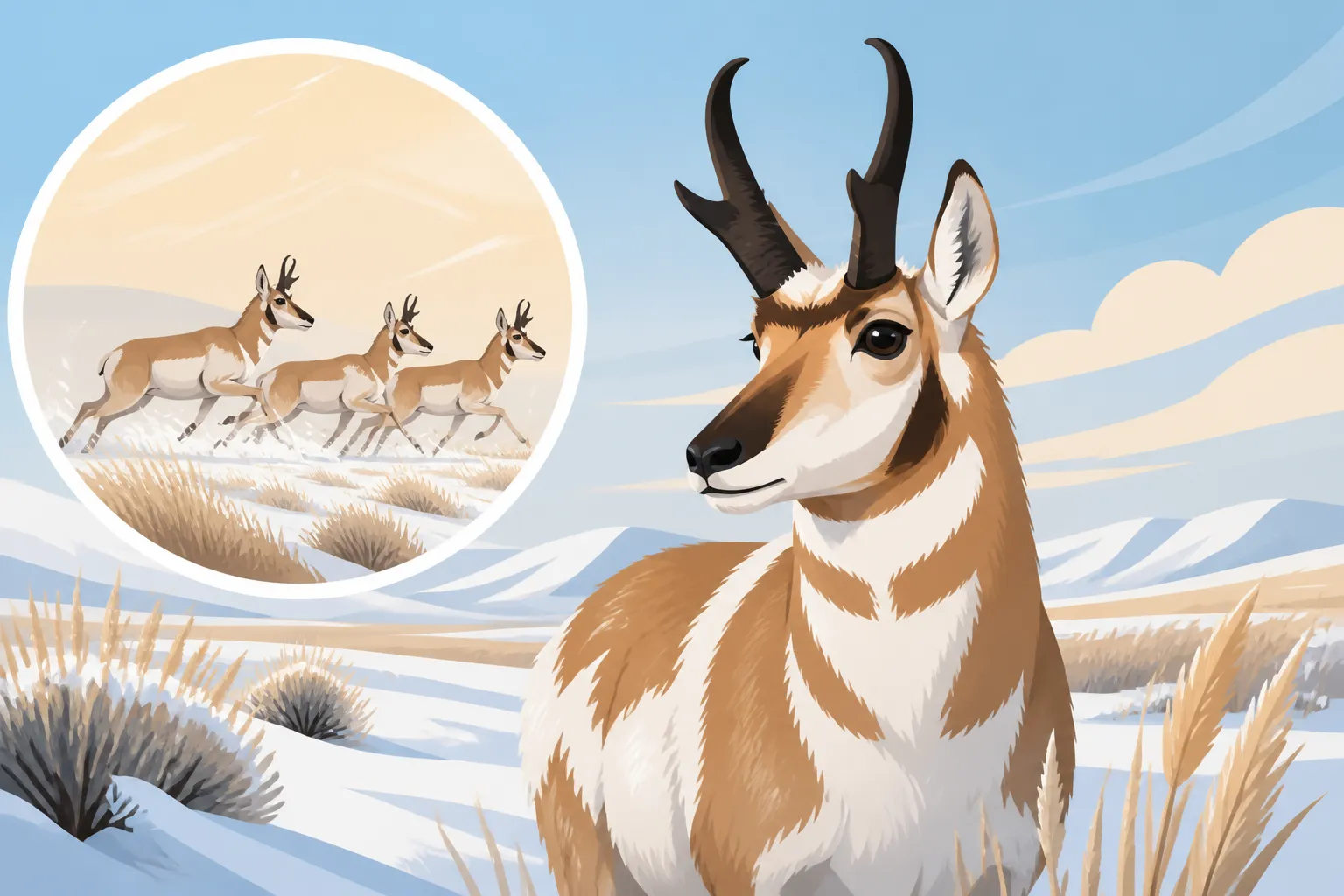
Imagine standing out on the open prairie with temperatures plummeting to -30 or -40 Celsius, often with a windchill that bites even deeper. This isn't just uncomfortable; it's genuinely life-threatening for any animal. Pronghorn, despite a surprisingly dense coat, are not as heavily insulated as, say, a whitetail deer that can seek refuge in thick bush. Their metabolism works overtime just to maintain core body temperature. Add to this the challenge of snow. While pronghorn are adept at navigating light snow, heavy snowfall can quickly become a death trap. Their slender legs and relatively small hooves aren't designed for pushing through deep drifts. Even a foot of crusted snow can make movement incredibly difficult, burning precious energy they can ill afford to lose. This struggle often dictates where they can even attempt to feed or seek shelter.
Limited Forage Availability
Prairie pronghorn are primarily browsers, nibbling on forbs, shrubs, and grasses, with a particular fondness for sagebrush, which is rich in nutrients and moisture. During the mild months, the prairie offers a buffet of these plants. But winter transforms this abundance into scarcity. Most grasses become dry and low in nutritional value, and succulent forbs disappear under the snow. Sagebrush, while often accessible, can be covered by drifts or become difficult to reach when the snow crusts over. What little forage remains requires significant effort to uncover and consume. This means pronghorn must constantly weigh the energy expenditure of digging for food against the caloric intake they might gain. It's a precarious balance, and prolonged periods of deep snow and extreme cold can quickly lead to malnutrition and starvation, particularly for younger animals or those already in poor condition.
Predation Pressure in Open Landscapes
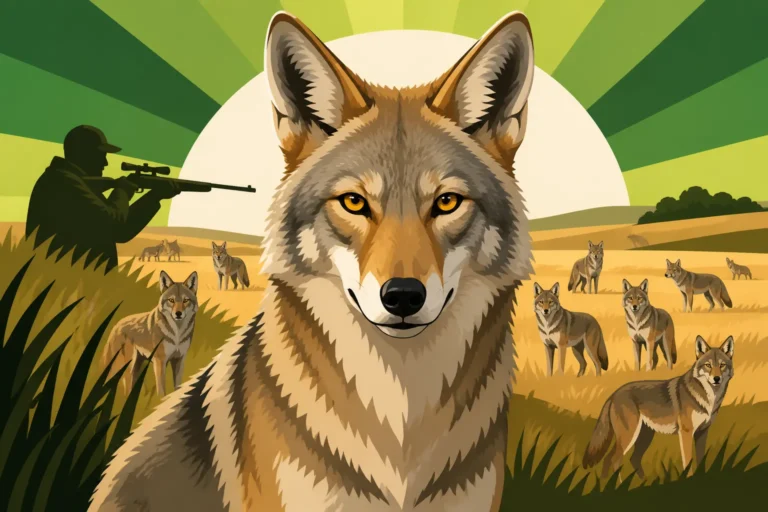
While Saskatchewan winters make life hard for pronghorn, they also make life easier for predators. Coyotes, often hunting in packs, become a significant threat. Wolves, while more common in the northern bush, can occasionally move into the prairie fringes, especially if deer populations are struggling. The open, snow-covered landscape, while familiar to pronghorn, offers fewer places to hide. Their primary defense is speed, but deep or crusted snow can negate that advantage, forcing them to expend more energy to escape. Even if they manage to outrun a predator, the added stress and energy drain from such encounters further weaken them. A weakened or injured pronghorn is a far easier target, and predators are always on the lookout for vulnerable individuals during these lean months.
Pronghorn's Adaptations for Winter Survival
It's a testament to the resilience of pronghorn that they survive at all in such a harsh environment. They aren't just enduring winter; they've evolved a suite of physical and behavioral adaptations that give them a fighting chance. It's truly incredible how specialized they are for their prairie home, even when that home turns frigid.
Physical Traits for Cold Resilience
While pronghorn don't boast the shaggy winter coats of bison or moose, their fur is quite remarkable. Each hair is hollow, trapping air and creating an insulating layer that helps protect them from the cold. They can also raise and lower their hair, much like a porcupine or a cat, to better regulate their body temperature, fluffing it up to trap more air when it's frigid, and flattening it when they need to cool down. Their circulatory system also plays a crucial role. They have a sophisticated countercurrent heat exchange system in their legs, where arteries carrying warm blood to the extremities run close to veins carrying cold blood back to the body. This allows for heat transfer, warming the cold blood before it returns to the core and cooling the arterial blood before it reaches the feet, minimizing heat loss. This adaptation helps prevent frostbite and conserves precious body heat.
Behavioral Strategies to Conserve Energy
Pronghorn are masters of energy conservation during winter. You'll often see them in larger groups than in summer, a strategy that offers multiple benefits. Larger herds provide more eyes and ears for detecting predators, allowing for earlier escape responses that save critical energy. Grouping also offers a slight thermal advantage, as animals huddle together, sharing body heat and reducing exposure to wind. They become far less active, moving only when necessary to find forage or escape danger. They choose the warmest parts of the day to feed, typically mid-morning or early afternoon when the sun is highest, to maximize comfort and reduce energy expenditure. When not feeding, they'll often bed down in depressions or behind natural windbreaks, facing away from the prevailing wind to minimize heat loss. This focus on minimizing movement and maximizing passive warmth is key to making it through the leanest times. For insights into their movements, tools like GoHunt mapping can sometimes provide valuable data on how game animals utilize different terrain types, even if specific pronghorn movements aren't tracked in real-time.
Dietary Shifts and Scavenging
As mentioned, their preferred summer diet of forbs and palatable grasses becomes largely unavailable. In winter, pronghorn shift their diet significantly. They become much more reliant on woody browse, particularly sagebrush, which remains accessible and provides essential moisture and nutrients. They will also consume cacti if desperate, carefully avoiding the spines. While primarily herbivores, desperate times can lead to desperate measures. They aren't true scavengers, but they are incredibly efficient at seeking out any available plant material, no matter how tough or unpalatable it might seem in other seasons. This dietary flexibility is crucial for survival, allowing them to utilize whatever sparse resources the winter landscape offers. Understanding what pronghorn eat through a prairie winter is vital for appreciating their adaptability.
The Role of Habitat and Landscape in Winter Survival
The success of a pronghorn through a Saskatchewan winter isn't just about their individual strength or clever adaptations; it's intimately tied to the landscape itself. Certain features become critical sanctuaries, offering a fighting chance against the elements.
Seeking Sheltered Terrain
While pronghorn are animals of the wide-open spaces, even they understand the value of shelter when blizzards rage. They will actively seek out coulees, river breaks, and other topographical features that offer a reprieve from the biting winds. The south-facing slopes of these features can also melt snow faster, exposing vital forage and providing sun-warmed spots for bedding. A deep coulee might offer a 10-degree temperature difference and significantly less wind chill than the open prairie just a few hundred yards away. You'll often find them concentrated in these areas during severe weather, trying to stay as comfortable as possible. Hunters learning to Glassing a Saskatchewan Coulee for Mule Deer might also spot pronghorn utilizing these same protected areas. Understanding Hunting a Prairie Coulee Bottom can reveal prime wintering habitat for these animals.
The Impact of Fences and Obstacles
Perhaps one of the most critical factors influencing pronghorn winter survival is the presence of fences. Unlike deer, which can easily jump most fences, pronghorn prefer to crawl under or go through openings. Their instinct is to crawl, not jump. In deep snow, when drifts pile up against fences, these otherwise minor obstacles can become impenetrable barriers. This can effectively trap herds in areas with depleted forage or, worse, prevent them from reaching known wintering grounds or accessible food sources. A fence that's easily navigated in summer can become a death trap in a severe blizzard. This is Why Fences Are Hard on Pronghorn is such a critical consideration for wildlife managers and landowners alike, and efforts to create "pronghorn friendly" fences with bottom wires raised are incredibly important for their long-term survival.
The Importance of Winter Range
Specific areas of the prairie naturally serve as crucial winter ranges for pronghorn. These are typically areas with reliable access to browse like sagebrush, often in more broken or hilly terrain that offers some wind protection, and with historically lighter snow accumulation or areas that melt out faster. These ranges are vital. If a hard winter pushes pronghorn off these traditional grounds or prevents access to them, the consequences can be devastating. Knowing Where Saskatchewan's Pronghorn Range Ends is important for understanding their distribution and the challenges they face. Preserving and managing these specific winter habitats is paramount for maintaining healthy pronghorn populations in Saskatchewan, especially in the face of changing land use and climate patterns.
| Survival Strategy | Description | Benefit |
|---|---|---|
| Hollow Hair | Each hair traps air for insulation. | Reduces heat loss, keeps core body temperature stable. |
| Reduced Activity | Minimizing movement, bedding down frequently. | Conserves precious energy, especially when food is scarce. |
| Dietary Flexibility | Switching from forbs/grasses to woody browse like sagebrush. | Ensures access to some form of nutrition even when primary foods are covered. |
| Group Huddling | Forming larger herds, huddling together against the cold. | Provides slight thermal benefit, increased predator detection. |
| Seeking Shelter | Utilizing coulees, river breaks, and topographical depressions. | Reduces exposure to wind and extreme cold, finds snow-free patches. |
| Countercurrent Heat Exchange | Specialized blood flow in legs. | Prevents frostbite, minimizes heat loss from extremities. |
Human Influence and Conservation Efforts
Human activity, both past and present, has a profound impact on how pronghorn navigate the challenges of winter. From land use practices to direct conservation efforts, our choices can literally determine whether these magnificent animals thrive or merely cling to existence.
Supporting Pronghorn Populations Through Habitat Management
The health of Saskatchewan's pronghorn populations is intrinsically linked to the health of their habitat. Landowners and conservation groups play a huge role here. Practices like rotational grazing can improve the quality and diversity of forage, ensuring a more robust food supply for pronghorn year-round, which in turn helps them build up fat reserves before winter. Managing native grasslands to maintain healthy stands of sagebrush and other key browse species is also critical. Furthermore, proactive efforts to modify or remove problematic fences can literally save lives. Converting traditional barbed wire fences to wildlife-friendly designs, particularly in crucial wintering areas, allows pronghorn to move freely to find food and shelter, significantly reducing winter mortality. Understanding the full picture of Saskatchewan's Pronghorn Herd and Winter Kill helps focus these efforts where they're needed most.
Monitoring and Research
To effectively help pronghorn survive, we first need to understand their challenges and successes. Wildlife biologists and researchers regularly conduct aerial surveys to estimate populations and monitor movement patterns, especially as winter sets in. Collaring studies allow for detailed tracking of individual animals, providing invaluable data on how they use winter range, how far they travel, and what factors contribute to their survival or mortality. Organizations like GoHunt, while primarily a hunting app, also publish articles and insights that can sometimes incorporate publicly available research or discuss habitat issues relevant to game animals, helping to spread awareness and education among the hunting community. This data informs management decisions, helping authorities identify critical habitats that need protection or areas where intervention (like fence modification) would have the greatest impact. It's a continuous learning process, ensuring that conservation efforts are based on the best available science.
Hunter's Role in Population Health
Hunters also play a vital role in pronghorn conservation. Through the purchase of hunting licences and tags, they contribute directly to the funding of wildlife management programs that benefit pronghorn and their habitat. Ethical hunting practices, such as adhering to harvest limits and respecting hunting seasons, ensure sustainable populations. Furthermore, hunters often act as extra eyes on the landscape. They can report observations of winter-stressed animals, areas with unusually high mortality, or problem fences that are impeding movement. This ground-level intelligence can be incredibly valuable to wildlife agencies, providing real-time information that might otherwise go unnoticed. Participating in programs like Hunting Saskatchewan's Pronghorn Draw allows hunters to be part of the management cycle, directly contributing to the conservation of this unique prairie speedster.
Disclaimer
This article is for general informational purposes only and does not constitute professional advice. Laws, prices and regulations vary by location and change over time. Consult a qualified professional for guidance on your specific situation.