Why Fences Are Hard on Pronghorn
If you've spent any time at all traversing the vast, open expanses of Saskatchewan's prairie, you've undoubtedly seen them: those sleek, speedy flashes of tan and white, our incredible pronghorn. But for these magnificent creatures, the very landscape that defines their existence is increasingly crisscrossed by a seemingly innocuous, yet profoundly challenging, obstacle – fences. This guide will delve deep into why these common prairie fixtures pose such a significant hardship for pronghorn and what that means for their survival and our hunting heritage.
The Pronghorn's Unique Physiology and Natural Movement
To truly understand why fences are such a problem for pronghorn, we first need to appreciate what makes them unique. These animals are marvels of evolution, perfectly adapted to a life on the open plains, but that very adaptation creates specific vulnerabilities when their world gets chopped up by human infrastructure.
Built for Speed, Not Jumps
Imagine an animal that can outrun almost anything on four legs in North America. That's our pronghorn. They are literally built for speed, boasting incredibly long, slender legs, powerful muscles, and a unique respiratory system that allows them to sustain high speeds for extended periods. When you see them, it's often a blur across a vast field, covering ground effortlessly. This incredible gift, however, comes with a trade-off.
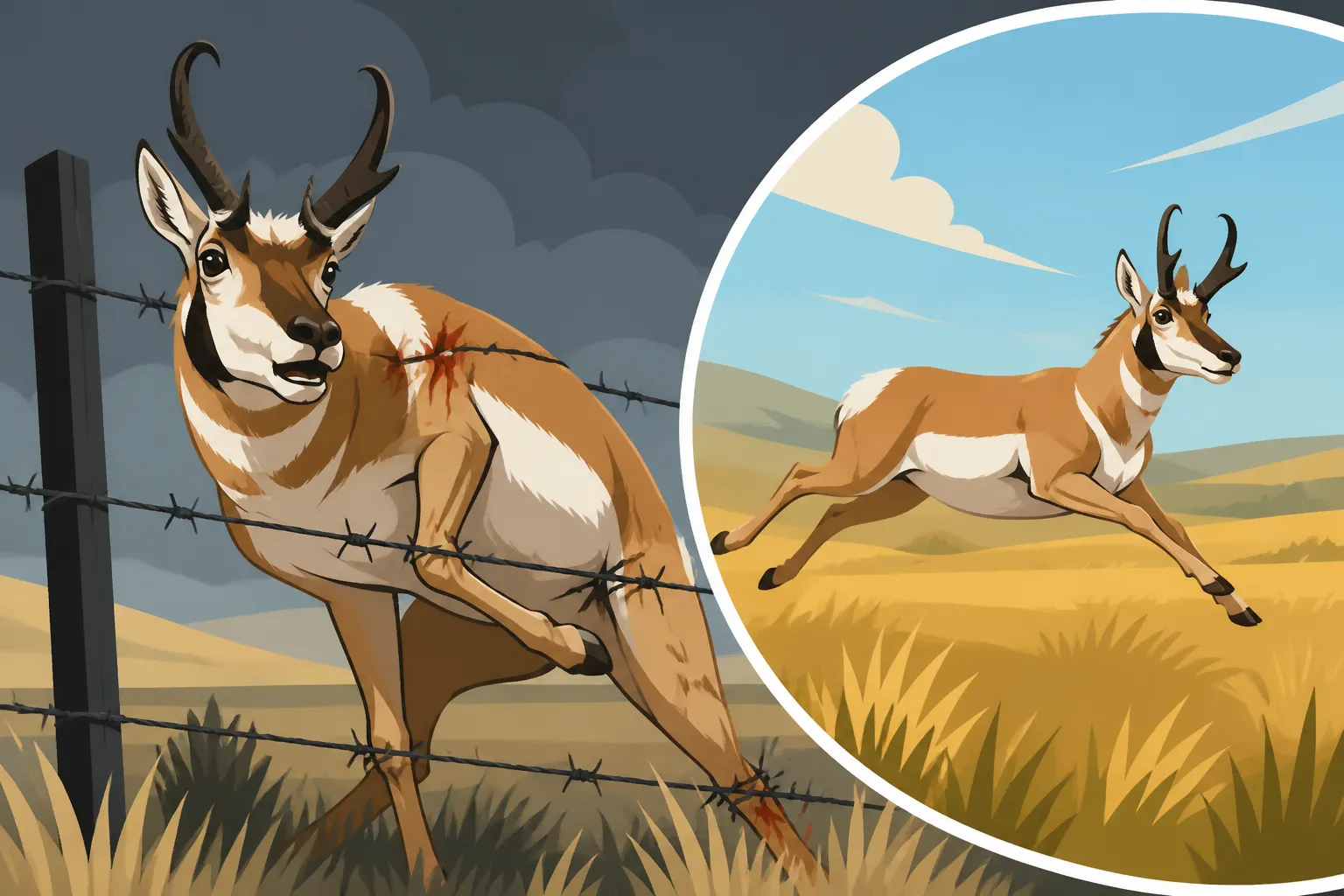
Unlike deer or elk, which possess the agility and musculature to easily clear most fences with a graceful leap, pronghorn are not jumpers. Their skeletal structure and muscle attachments are geared entirely towards horizontal speed, not vertical propulsion. They don't have the deep chest or powerful hindquarters for sustained high jumping. When faced with a fence, a whitetail might bound over it without a second thought. A pronghorn, on the other hand, will typically try to crawl under it or find a way around it, often expending valuable energy and time, or worse, getting tangled up in the process. It's a fundamental difference in their anatomy and their natural escape response – they flee horizontally, they don't jump vertically.
Vast Home Ranges and Migratory Instincts
Pronghorn are creatures of immense spaces. Historically, their populations undertook extensive migrations, following the availability of forage and water across the unblemished prairie. While those epic journeys are largely a thing of the past, their need for large home ranges and seasonal movement remains. They still require vast stretches of open land to find enough to eat throughout the year, locate suitable fawning grounds in the spring, and seek shelter during harsh winter storms.
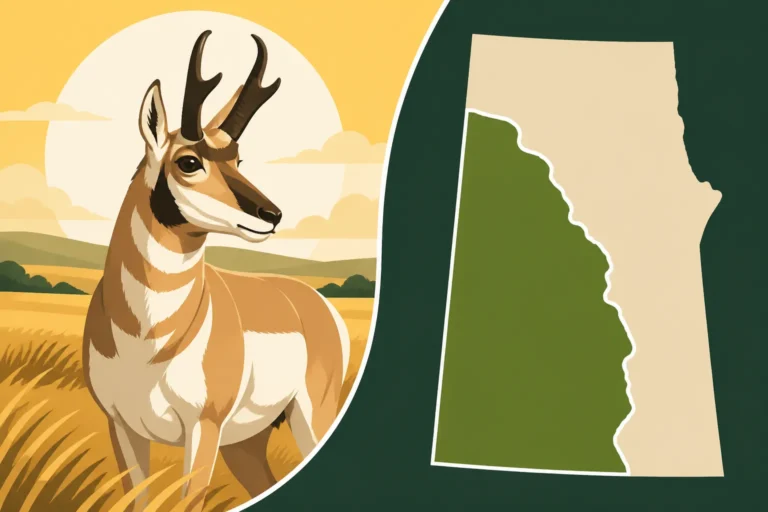
These movements, whether they're grand migrations or more localized daily treks between feeding and bedding areas, are absolutely essential for their survival. A single strand of barbed wire, or worse, a multi-strand fence, can effectively cut off access to a vital water source, a richer patch of grass, or a sheltered coulee. What might seem like an insignificant barrier to us becomes an impenetrable wall for a pronghorn desperately trying to reach a different part of its habitat. This constant disruption of their natural movement patterns forces them into less optimal areas, increases competition for resources, and, over time, can weaken entire populations. It’s a classic case of death by a thousand cuts for an animal that thrives on freedom of movement. For more about where these animals roam, check out Pronghorn on Saskatchewan's Southwest Grassland.
How Fences Impact Pronghorn Survival
It's not just an inconvenience for pronghorn; fences directly threaten their survival in several critical ways. The challenges range from immediate physical danger to long-term ecological consequences that can diminish populations.
Direct Physical Hazards
Let's get real about the danger. Barbed wire fences, the most common type across much of Saskatchewan, are particularly hazardous. A pronghorn attempting to crawl under a barbed wire fence can easily get snagged. Their relatively thin skin and fine hair offer little protection against the sharp barbs, leading to deep cuts, severe lacerations, and even broken bones. They might get a leg caught, or their sensitive throats and bellies can be torn.
Woven wire fences, while perhaps not as immediately "barbed," present their own set of problems. They can be harder for pronghorn to push through, leading to them getting stuck or becoming hopelessly entangled. These injuries can be debilitating. An injured pronghorn is a vulnerable pronghorn. They become easy prey for coyotes or wolves, or succumb to infection, exposure, or starvation if they can't move to find food or water. It’s a tragic reality of the prairie when you come across an animal that didn't make it, its life cut short by a fence it simply couldn't navigate.
Habitat Fragmentation and Resource Access
Beyond the direct physical threats, fences act as literal barriers, fragmenting what was once a contiguous landscape. Imagine your pantry being in one room, your water tap in another, and your bed in a third, but invisible walls suddenly prevent you from moving between them. That's what fences do to pronghorn. They might block access to essential summer forage, forcing pronghorn to overgraze smaller, accessible pastures. In winter, when snow covers much of the ground, fences can prevent them from reaching crucial wind-blown ridges where forage might still be exposed, or from finding shelter in a deep coulee or brush patch.
This fragmentation also affects their ability to access fawning areas. Does need secure, relatively undisturbed locations to birth and raise their fawns. If prime fawning grounds are cut off by fences, they might be forced into less ideal spots, making fawns more susceptible to predation or environmental stressors. Over time, these barriers also reduce genetic flow between populations, leading to smaller, more isolated herds that are less resilient to disease or environmental changes. When you're using an app like GoHunt to scout for hunting opportunities, understanding these fragmentation patterns is key to predicting where animals might be bottlenecked or concentrated.
Increased Energy Expenditure and Stress
The simple act of encountering a fence, evaluating it, and trying to find a way around or under it, costs pronghorn precious energy. During harsh Saskatchewan winters, when every calorie counts towards survival, repeatedly navigating fences can be the difference between life and death. A pronghorn might walk miles along a fence line, looking for a low spot or a break, burning energy that it desperately needs to maintain body heat and evade predators.
Pregnant does, especially, are susceptible to this added stress and energy drain. The physical exertion and anxiety can lead to complications, impacting fawn survival rates. Young fawns, too, struggle immensely with fences; they are often too small to crawl under easily and certainly can't jump. They can get separated from their mothers, become disoriented, and are incredibly vulnerable. This constant, low-level stress from human-made barriers takes a cumulative toll, making pronghorn more susceptible to disease, predation, and the unforgiving elements of the prairie.
The Cumulative Effect on Saskatchewan's Pronghorn Populations
The challenges posed by fences aren't isolated incidents; they're part of a larger ecological puzzle that impacts the overall health and numbers of Saskatchewan's pronghorn. Understanding this broader context is crucial for appreciating their conservation status.
Historical Context and Population Fluctuations
Historically, the North American prairie was an immense, unbroken grassland, a truly wild landscape where millions of bison and pronghorn roamed freely. The advent of settlement brought agriculture, roads, and, inevitably, fences. The prairie was parceled out, and suddenly, the animals that depended on unimpeded movement faced new, insurmountable obstacles. This fundamental change in landscape use had a dramatic impact on pronghorn populations, leading to significant declines in many areas.
In Saskatchewan, our pronghorn herds have always been resilient, but they are also sensitive to environmental pressures. Severe winters, especially those with heavy, crusted snow, can be incredibly tough on pronghorn, as it makes accessing forage difficult. When you combine these natural challenges with the artificial barriers of fences, the impact is compounded. A winter that might have been tough but survivable can become a catastrophic event if fences restrict movement to crucial wintering grounds or prevent escape from blizzards. We’ve seen firsthand how Why Saskatchewan's Pronghorn Herd and Winter Kill can devastate numbers, and fences are a silent partner in that devastation.
Modern Conservation Efforts and Fence Modification
Thankfully, there's a growing awareness of the impact of fences, and a lot of dedicated people are working towards solutions. Conservation groups, landowners, and government agencies are collaborating on initiatives to modify existing fences to be more "pronghorn-friendly." These efforts often involve raising the bottom strand of wire, replacing barbed wire with smooth wire along the bottom, or even removing unnecessary interior fences altogether. These changes, while sometimes small, can make a huge difference in allowing pronghorn to move more freely, access critical habitats, and reduce injury.
However, it's a monumental task given the sheer mileage of fences across the prairie. It requires education, funding, and the cooperation of countless landowners. Projects are often targeted in areas identified as crucial pronghorn migration corridors or where populations are particularly vulnerable. Tools like GoHunt can provide satellite imagery and land ownership information that helps identify potential corridors or problem areas where fence modifications would be most beneficial, aiding both conservationists and hunters in understanding the landscape better.
Practical Solutions and Hunter Awareness
As hunters and conservationists, we all have a role to play in mitigating the negative impacts of fences on our beloved pronghorn. It's about being informed, supporting sensible solutions, and doing our part to ensure these incredible animals thrive.
Pronghorn-Friendly Fencing Practices
The good news is that fences don't have to be an absolute death trap for pronghorn. Thoughtful construction and modification can make a world of difference. The key design elements for a pronghorn-friendly fence include:
- Elevated Bottom Wire: The lowest wire should be at least 18-20 inches (about 45-50 cm) off the ground. This allows pronghorn to easily crawl under without getting snagged.
- Smooth Bottom Wire: Replacing barbed wire with smooth wire for the lowest strand dramatically reduces the risk of injury when pronghorn attempt to pass underneath. Barbless wire is a simple yet effective change that saves lives.
- Wider Spacing Between Posts: While not always feasible for livestock containment, wider post spacing can sometimes allow for more flexibility in the wires, making it slightly easier for pronghorn to push through or crawl under.
- Avoid Woven Wire Where Possible: In areas critical for pronghorn movement, avoiding woven wire entirely or using a design with a raised, smooth bottom section is ideal.
Implementing these practices requires a commitment from landowners, and sometimes, financial assistance. But the payoff is a healthier, more mobile pronghorn population. When you're out Stalking Pronghorn Across Open Ground, you'll notice the difference in areas where landowners have embraced these practices.
What Hunters Can Do
As hunters, we are often the first eyes on the ground, witnessing the realities of wildlife populations and their interactions with the landscape. Our involvement is vital:
- Support Conservation Groups: Many organizations are actively working on fence modification projects. Donating time or resources, or simply becoming a member, directly contributes to these efforts. The more voices advocating for pronghorn-friendly practices, the better.
- Educate Landowners: If you have relationships with landowners, gently share information about pronghorn-friendly fence designs. Many farmers and ranchers are open to ideas that benefit wildlife, especially if solutions are practical and not overly costly.
- Report Problem Fences: If you encounter pronghorn repeatedly struggling with a particular fence, or worse, find an entangled animal, report it to the appropriate wildlife authorities. This information helps identify high-priority areas for intervention.
- Be Mindful When Scouting: When you're out Glassing Saskatchewan Prairie for Pronghorn or Hunting Pronghorn Near a Prairie Water Hole, pay attention to how fences influence their movement. This helps you understand where pronghorn are forced to travel and can inform your hunting strategy, but more importantly, it makes you more aware of the challenges they face. Tools like GoHunt can help you analyze terrain and fence lines before you even step foot in the field, giving you an edge in understanding animal movement patterns and obstacles.
- Advocate for Sensible Land Use: Support policies and practices that prioritize wildlife corridors and minimize habitat fragmentation. Our voices as hunters carry weight in these discussions.
The future of Saskatchewan's pronghorn depends on our collective understanding and action. By recognizing the challenges fences pose and actively seeking solutions, we can ensure these incredible prairie runners continue to thrive for generations to come.
Disclaimer
This article is for general informational purposes only and does not constitute professional advice. Laws, prices and regulations vary by location and change over time. Consult a qualified professional for guidance on your specific situation.