Where Saskatchewan’s Pronghorn Range Ends
If you've ever chased pronghorn in Saskatchewan, you know the thrill of spotting those distinctive white patches against the vast prairie backdrop. But you also know the frustration of driving through seemingly perfect antelope country only to find none. This guide is dedicated to helping you understand not just where pronghorn live, but specifically where their typical range starts to fade out, outlining the geographical and habitat boundaries that define their presence in our province.
Understanding Pronghorn Habitat Needs in Saskatchewan
Pronghorn are truly unique creatures, often mislabeled as antelope, but they are in a league of their own. They're built for speed and survival on the open plains, a stark contrast to the whitetail deer that can thrive in a patchwork of bush and field. Their very physiology dictates where they can and cannot comfortably exist. They are creatures of sight, and their eyes are truly incredible, offering a huge field of vision and the ability to spot danger at incredible distances. This makes dense cover, like thick bush or heavy forest, an immediate turn-off for them. They simply can't utilize their primary defense mechanism – sight and speed – effectively in such environments.
Think about it: a pronghorn's best defense against predators isn't hiding, but outrunning. They need clear sightlines to detect threats far off and then the unobstructed terrain to unleash their incredible bursts of speed, which can reach speeds over 60 miles per hour. This biological imperative means they naturally gravitate towards expansive, unbroken grasslands and prairies. Areas with deep, rugged coulees or extensively broken river valleys can also act as barriers, not necessarily because they can't traverse them, but because the constant ups and downs hinder their ability to use their speed and broad field of vision effectively.
Over time, both natural landscapes and human activity have shaped and reshaped the pronghorn's presence in Saskatchewan. Historically, their range was somewhat more expansive, but intensive agriculture, fencing, and even shifts in predator populations have nudged them towards the core of their preferred habitat. Understanding these underlying needs is the first step to pinpointing exactly Where Saskatchewan's Pronghorn Range Ends. It’s a dynamic boundary, influenced by everything from annual snowfall to the latest crop rotation, but the core principles of their habitat preference remain constant.
The Traditional and Current Northern Limits of Pronghorn Range
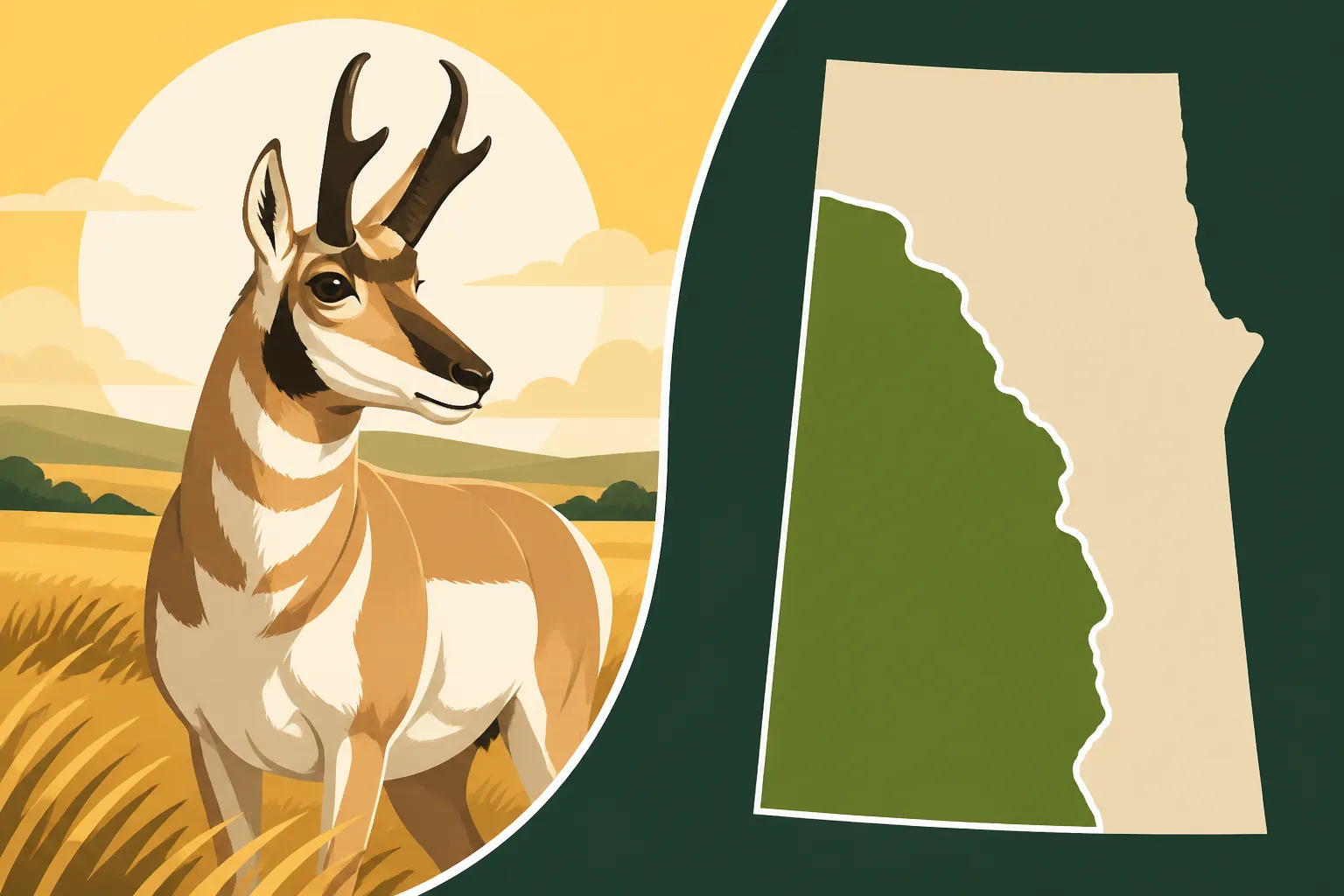
Historically, pronghorn in Saskatchewan ranged further north than they do today, with sporadic sightings even north of the South Saskatchewan River in certain areas. However, these were often outlier observations, and their core breeding and wintering grounds have always been firmly rooted in the open, southern prairie. Today, the practical northern limit for reliably finding pronghorn is generally considered to be the south side of the South Saskatchewan River, especially where the river valley becomes more pronounced and the terrain transitions from open prairie to more mixed-use farmland and eventually, aspen parkland.
As you head north from the true short-grass and mixed-grass prairie, the landscape gradually shifts. The vast, unbroken grasslands give way to more cultivated fields, interspersed with shelterbelts, poplar bluffs, and sloughs. This transition is what effectively forms the natural barrier for pronghorn. While you might occasionally spot a lone buck or a small band pushed by pressure or seeking new forage, these areas typically lack the consistent, wide-open expanses of native grass that pronghorn require for long-term survival and reproduction. The denser cover of the aspen parkland simply doesn't suit their fight-or-flight instincts.
Major river valleys like the South Saskatchewan River, with their steep banks, timbered slopes, and broken topography, often act as relatively hard northern stops. These geographic features, combined with the increasing density of human development and cultivation north of these lines, make the habitat less than ideal. Hunters hoping to find pronghorn pushing these northern boundaries will need to focus on isolated pockets of suitable prairie habitat that persist amidst the changing landscape, often requiring extensive glassing to locate these nomadic herds. Understanding How Pronghorn Survive a Prairie Winter also sheds light on these northern limits, as deep snow can make survival challenging in areas where protective cover is minimal.
Eastern and Western Boundaries: Natural Barriers and Human Impact
When we look at the eastern boundary of Saskatchewan's pronghorn range, it's less about a distinct geographical feature and more about a gradual transition into heavily cultivated agricultural land and, further east, the Assiniboine River valley system. As you move east from the heart of pronghorn country in the southwest, the proportion of native grassland shrinks dramatically. Intensive annual cropping, particularly large fields of canola, wheat, and pulses, replaces the wide-open prairie. While pronghorn might occasionally venture into these fields, they don't offer the year-round habitat and security cover that they need. The extensive network of roads, fences, and human activity in these agricultural zones also contributes to pushing pronghorn out. Why Fences Are Hard on Pronghorn highlights how even simple wire fences can impede their movement, which is critical for their survival.
Conversely, the western boundary with Alberta is far less defined by natural features. Saskatchewan's prime pronghorn habitat flows seamlessly into similar open prairie landscapes in southeastern Alberta. There isn't a significant mountain range, large river, or sudden change in vegetation that acts as a hard stop. Instead, the administrative boundary between the two provinces is the primary divider. Pronghorn herds routinely cross back and forth, following forage and pressure. This means that hunters along the western edge of Saskatchewan often find excellent opportunities, as these herds aren't hemmed in by a natural barrier.
Human development, however, regardless of the cardinal direction, always plays a role. While the western side might not have a natural wall, expanding towns, new rural subdivisions, and even large industrial developments can create localized boundaries by fragmenting habitat. Although not always a hard barrier, these developments reduce the overall quality and continuity of the landscape for pronghorn. It's a constant push and pull, with pronghorn adapting where they can, but ultimately seeking those undisturbed, expansive grasslands that allow them to thrive. This makes scouting crucial, even in historically productive areas, as their presence can shift with changes in land use.
Scouting the Fringes: Finding Pronghorn in Transitional Zones
Hunting pronghorn on the fringes of their established range in Saskatchewan can be a truly rewarding challenge. It requires a keen eye, patience, and a deep understanding of their habitat preferences as they adapt to less-than-ideal conditions. These transitional zones, where the vast prairie begins to blend into more agricultural or parkland landscapes, are often overlooked by hunters sticking to the core habitat, but they can hold some surprises. The key here is to leverage technology and good old-fashioned boots-on-the-ground scouting to find those isolated pockets of suitable habitat.
When you're looking at areas where pronghorn range begins to taper off, your primary tool will be optics. Excellent binoculars and a spotting scope are indispensable for Glassing Saskatchewan Prairie for Pronghorn. Focus your glassing efforts on any remaining native grassland pastures, even small ones, especially if they are adjacent to crop fields that might offer forage. Look for subtle changes in topography, like gentle rises or slight depressions that offer a bit of cover from the wind or a slightly different vegetation type. These subtle features can be enough to hold a small herd. Tools like GoHunt's mapping platform can be incredibly useful for this, allowing you to examine satellite imagery in detail, identifying those crucial native grass parcels, historical pasture lands, or even isolated patches of sagebrush or short-grass prairie that might attract pronghorn. You can visualize elevation changes, potential travel corridors, and even locate watering holes that might serve as natural magnets.
Another critical aspect of hunting these fringe areas is securing access. Unlike the expansive public lands in the core of pronghorn country, these transitional zones are often a mosaic of private agricultural land. This means you'll almost certainly need to engage with landowners. Taking the time to build relationships and Knocking on Doors in Saskatchewan Farm Country will be essential. Be respectful, be clear about your intentions, and always offer to share photos or even meat. Often, farmers appreciate hunters who are willing to control populations that might be impacting their crops. Remember, even a small group of pronghorn can be a trophy animal on the edge of their range, and the experience of finding them in unexpected places is a reward in itself.
| Feature | Typical Pronghorn Core Habitat | Transitional/Fringe Zone Habitat |
|---|---|---|
| Dominant Terrain | Expansive, unbroken native grasslands | Mix of native pasture, cultivated fields, bluffs |
| Vegetation | Short-grass, mixed-grass prairie, sagebrush | Taller grasses, crop residues, light bush |
| Visibility | Miles of open sightlines | Interrupted by shelterbelts, crops, rolling hills |
| Fencing Density | Lower, often larger pastures | Higher, smaller parcels, more subdivisions |
| Human Activity | Sparsely populated, few roads | More rural development, roads, farmsteads |
| Pronghorn Numbers | High, large herds | Lower, smaller bands, often solitary animals |
| Hunting Strategy | Spot-and-stalk, long-range glassing | More careful scouting, permission-dependent, opportunistic stalking |
Disclaimer
This article is for general informational purposes only and does not constitute professional advice. Laws, prices and regulations vary by location and change over time. Consult a qualified professional for guidance on your specific situation.