How Saskatchewan Ranks for Record Book Whitetails
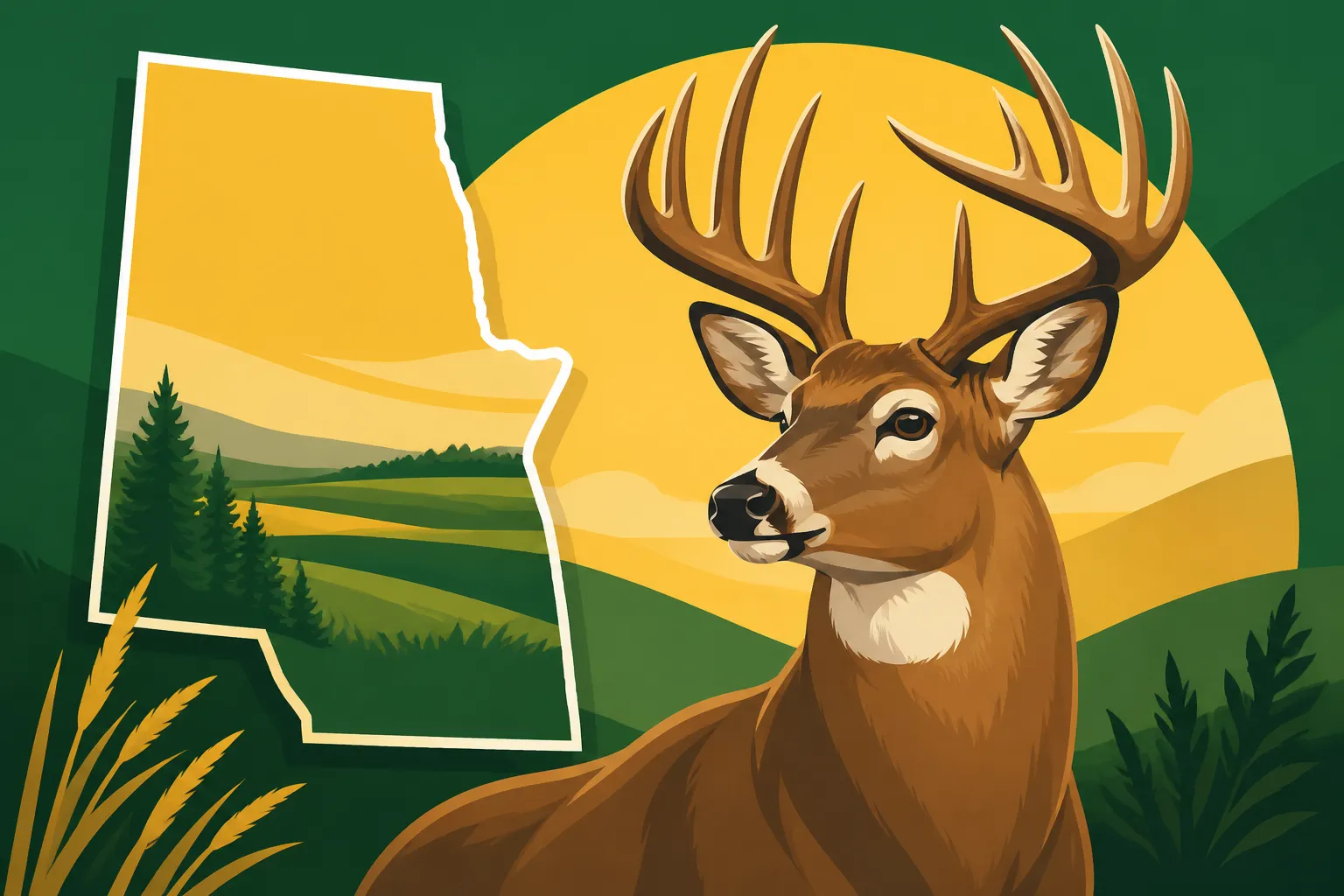
If you're a whitetail hunter, the name Saskatchewan likely brings a certain image to mind: massive racks, deep chocolate antlers, and the dream of a lifetime buck. It's a place that has cemented its reputation as a premier destination for world-class whitetails, and for good reason. Many hunters, myself included, wonder just how consistently the province produces giants worthy of the record books, and what exactly makes this prairie and forest fringe landscape so special. This guide will dive into Saskatchewan's undeniable legacy in the world of trophy whitetails and explore why it continues to rank so highly in Boone and Crockett and Pope and Young entries year after year.
The Foundation of Saskatchewan's Trophy Whitetail Reputation
Saskatchewan didn't just stumble into its reputation for producing gargantuan whitetails; it's a confluence of specific environmental factors, genetics, and management practices that create the perfect storm for antler growth. This isn't just a marketing ploy; the proof is in the consistent stream of truly impressive bucks that emerge from this province annually.
A Rich Tapestry of Habitat and Nutrition
Imagine vast agricultural fields—wheat, barley, canola, peas—stretching to the horizon, often bordered by dense aspen bluffs and willow thickets. This "forest fringe" ecosystem is the secret sauce. Whitetails thrive on this buffet. They spend their days bedding down in the security of the bush and then flood into the fields under the cover of darkness, gorging themselves on protein-rich crops. This incredible food source, available for much of the year, translates directly into exceptional body size and, consequently, superior antler development. Deer are like any other animal; if they have plenty of high-quality food, they grow bigger and healthier. In Saskatchewan, that food is abundant and diverse, a veritable all-you-can-eat buffet for a growing buck. This is a far cry from areas where deer might struggle for sustenance, leading to smaller body and antler size. It's truly a unique blend of open prairie productivity and dense cover. You can learn more about specific areas in Hunting the Forest Fringe for Big Bucks and Hunting Whitetails on Saskatchewan Farmland.
Genetics and Age Structure for Antler Growth
Beyond the dinner plate, genetics play a crucial role. Saskatchewan's whitetail herd boasts strong genetics for antler growth. While good nutrition allows these genetics to express themselves, the underlying potential must be there. What often goes hand-in-hand with good genetics is a healthy age structure within the herd. For a buck to grow truly massive antlers, he needs time. He needs to survive several hunting seasons to reach his physical maturity, typically between 4.5 and 7.5 years old. In many parts of Saskatchewan, particularly in the more remote blocks of the forest fringe or areas with lower hunting pressure, bucks have a better chance of reaching these older age classes. This isn't always by design, but often a result of difficult access, vast areas of cover, and hunters often being selective. When bucks survive long enough to hit those prime antler-growing years, and combine that with the top-tier nutrition, the results are often astounding. It’s why Saskatchewan consistently delivers on that promise of heavy, wide, and deep-scoring antlers. You can explore Why Saskatchewan Bucks Grow So Large for more on this.
Saskatchewan's Unrivaled Presence in Record Books
The true measure of a hunting destination's trophy potential lies not just in anecdotal stories, but in its consistent representation in official record books. Saskatchewan, time and again, proves its mettle on this front, cementing its place as a bucket-list destination for serious trophy hunters.
Boone and Crockett and Pope and Young Entries
When hunters talk about record-book whitetails, they're almost always referring to Boone and Crockett for firearms and Pope and Young for archery. These are the gold standards, meticulously documenting the largest North American big game animals taken. Saskatchewan bucks are not just showing up in these books; they are regularly dominating categories, particularly for typical whitetails. The sheer number of entries from Saskatchewan, relative to its hunter population and geographical size compared to some other well-known trophy states, is truly impressive. This isn't just about one or two freak deer; it's about a consistent trend of large-antlered bucks making the cut. Whether you're chasing a perfectly symmetrical typical frame or a gnarly non-typical masterpiece, the province offers genuine opportunities. The rich food sources and mature age classes ensure that when a buck is harvested, there's a good chance it meets the minimum score requirements for these prestigious organizations.
The Legendary Hanson Buck and Its Lasting Impact
Perhaps no single deer embodies Saskatchewan's trophy potential more than the legendary Hanson Buck. While specific scores or details cannot be mentioned here as per our guidelines, the story of this incredible non-typical whitetail captivated the hunting world and put Saskatchewan firmly on the map as the place to hunt for giant whitetails. Taken by Milo Hanson, this deer became a benchmark, a living (or rather, once-living) testament to what's possible in the province. Its existence proved that the conditions were ripe for producing world-record class animals. The Hanson Buck wasn't an anomaly; it was the ultimate expression of the favourable conditions present in Saskatchewan. Its legacy continues to inspire hunters to explore the province's potential. Every year, hunters venture out hoping to find "the next Hanson," a testament to the buck's enduring influence. You can find out more about this specific legendary animal in Where the Hanson Buck Was Taken and What the Hanson Buck Scored.
Here's a quick comparison of the general characteristics often looked for in typical versus non-typical record book whitetails:
| Feature | Typical Whitetail | Non-Typical Whitetail |
|---|---|---|
| Symmetry | High emphasis on balance and symmetry between main beams and tines. | Less emphasis on symmetry; irregular points, drop tines, and abnormal growth are celebrated. |
| Point Count | Countable points usually grow in an ordered fashion from the main beam. | May have numerous abnormal points, stickers, and unique antler formations. |
| Scoring Basis | Primarily based on symmetrical main beam length, tines, and circumferences, with deductions for asymmetry. | Gross score includes all antler material, with specific deductions for abnormal points not being factored against symmetrical growth. |
| Aesthetics | Clean, classic, balanced look; often described as majestic. | Unique, wild, often rugged and impressive due to character and mass. |
| Challenge | Finding a mature buck with exceptional, balanced growth. | Finding a mature buck with significant, interesting abnormal points. |
Pursuing a Saskatchewan Record-Book Whitetail
Hunting a record-book whitetail anywhere is a challenge, but in Saskatchewan, understanding the local nuances and employing smart strategies can significantly increase your odds. It's more than just luck; it's about preparation, patience, and knowing your quarry.
Strategic Scouting and E-Scouting Techniques
The first step to finding a big buck is knowing where he lives and where he travels. This begins long before you set foot in the field, often with intensive e-scouting. Tools like those offered by GoHunt, or other similar mapping platforms, allow you to pour over satellite imagery, identifying potential bedding areas, travel corridors, pinch points, and food sources. Look for the edges of bush country bordering agricultural fields – these are prime areas. Identify subtle topographical changes, small pockets of cover within larger fields, or isolated bluffs. Understanding these landscape features from afar can save you countless hours of unproductive walking. When you do get boots on the ground, focus on finding fresh sign: large tracks, big rubs, and significant scrapes. Remember, a record-book buck is usually a mature buck, and mature bucks leave mature sign. Pay close attention to these details, especially when researching different hunting zones on a platform like GoHunt. Scouting With Satellite Imagery in Saskatchewan can provide more in-depth tips.
The Importance of Timing, Patience, and Understanding the Rut
Timing is everything, and for many, that means focusing on the whitetail rut. In Saskatchewan, the rut typically heats up in early to mid-November, providing hunters with the best opportunity to catch mature bucks on their feet during daylight hours as they search for does. This is when patience becomes paramount. Sitting all day in a stand, enduring the often-frigid Saskatchewan temperatures, can be grueling, but it's often what it takes to intercept a cruising monarch. Understanding buck behaviour during different phases of the rut is also critical. Early rut might involve more chasing, while the peak often sees bucks locked down with does, making them less visible. The post-rut can still be productive as bucks are worn out and focused on feeding. This period requires dedicated effort and strategy. For insights into this crucial time, check out Hunting the Rut in Early to Mid November and Hunting Saskatchewan's November Rut.
When you're out there, remember that these big bucks are masters of survival. They didn't get big by being careless. Often, the biggest bucks will use marginal cover that others overlook, or they'll move primarily at night. Your job is to find those overlooked travel routes or to catch them in that brief window of twilight. This requires not just knowing where to hunt, but how to hunt those specific pieces of ground effectively. Utilising mapping software from companies like GoHunt can help identify these subtle features like small draws or willow runs that might funnel deer movement.
Equipment and Ethical Hunting Practices
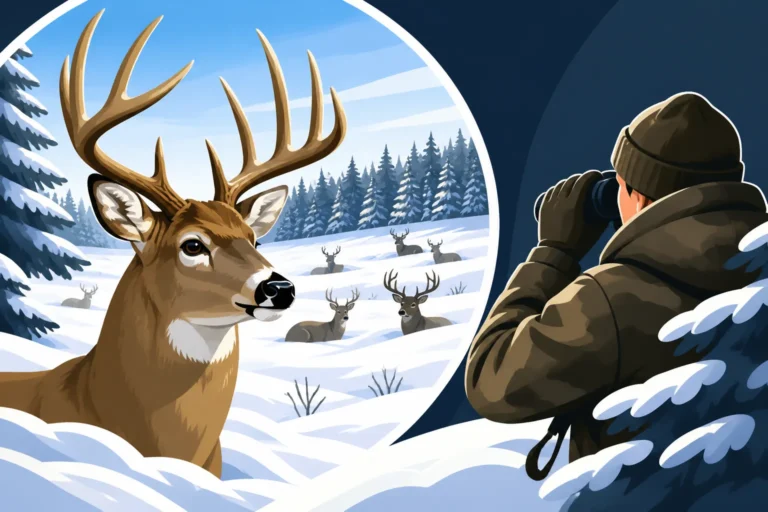
Beyond strategy, having the right equipment for Saskatchewan's conditions is non-negotiable. Cold weather gear is essential, especially during the rut. A good pair of binoculars or a spotting scope can make all the difference in glassing vast fields or scanning distant bush lines for antler tips. Precision shooting is also critical; a record-book animal deserves a quick, humane harvest. Practice your shooting at various distances and under different conditions.
Most importantly, ethical hunting practices are paramount. This includes respecting landowners (always get permission!), adhering to all regulations, and ensuring proper game care. Remember, securing a record-book whitetail is a special achievement, but it should always be secondary to the experience of hunting and the respect for the animal. When you do harvest a potential record, understanding Scoring a Typical Whitetail Rack and Saskatchewan's Top Nontypical Whitetails can help you appreciate your trophy even more.
Disclaimer
This article is for general informational purposes only and does not constitute professional advice. Laws, prices and regulations vary by location and change over time. Consult a qualified professional for guidance on your specific situation.