Why Saskatchewan Has So Many Coyotes
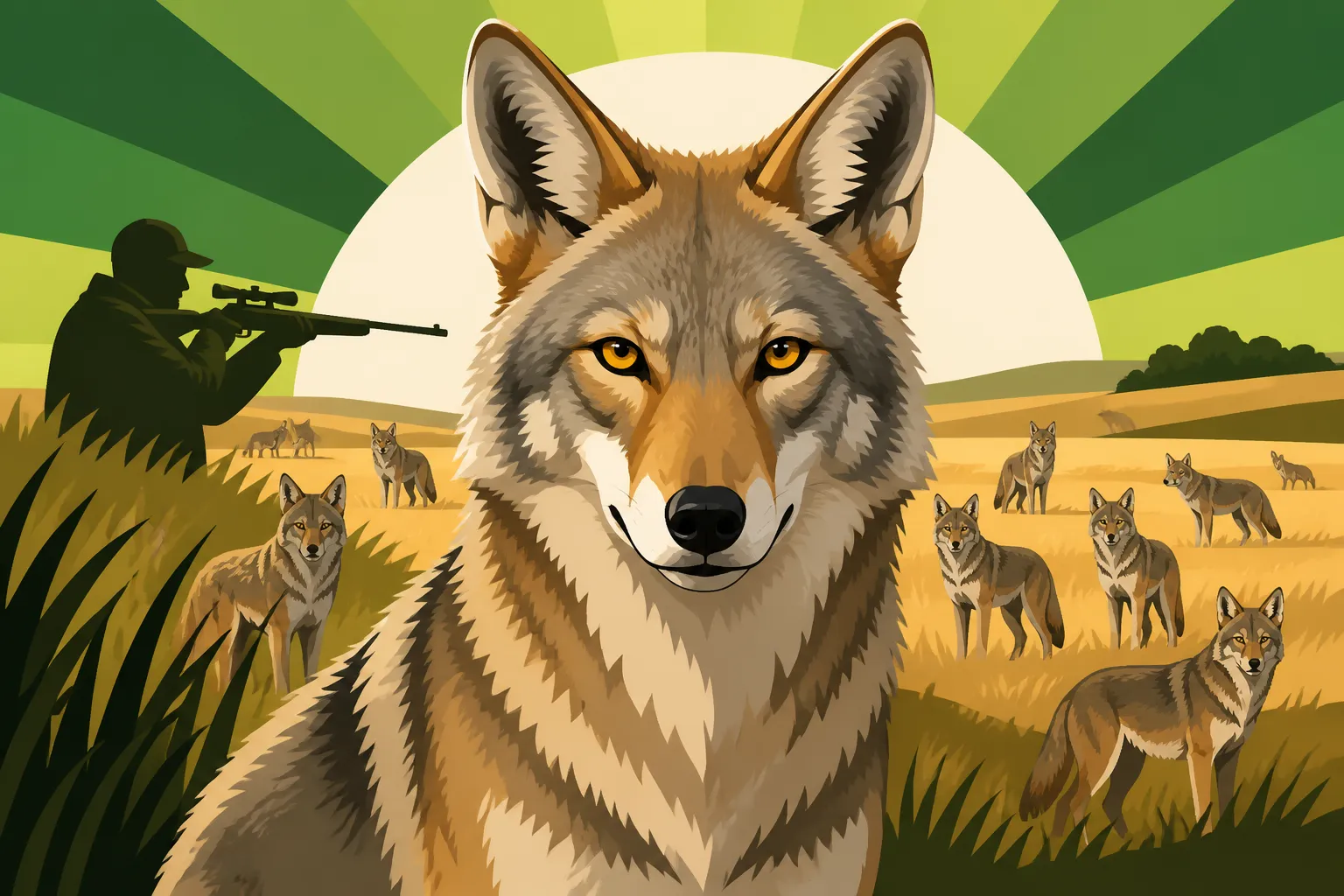
It's a common lament around the hunting campfires across Saskatchewan: "Man, there are just so many coyotes!" If you've spent any time at all chasing whitetails, calling geese, or even just driving the backroads here, you've undoubtedly seen them. That endless parade of song dogs can feel overwhelming, and it often leads to questions about why their numbers seem so robust. This guide is going to dig deep into the various factors that contribute to Saskatchewan's thriving coyote population, helping you understand their prevalence and perhaps even offering insights into how to approach hunting them.
The Adaptability of a Prairie Predator
One of the biggest reasons Saskatchewan seems to be overflowing with coyotes is their incredible adaptability. These aren't creatures limited to one specific type of habitat or a narrow diet. Instead, coyotes are true generalists, capable of thriving in an astonishing array of environments, from wide-open prairie to dense forest fringes, and especially in the mosaic of agricultural lands that define much of the province.
Master of Diverse Habitats
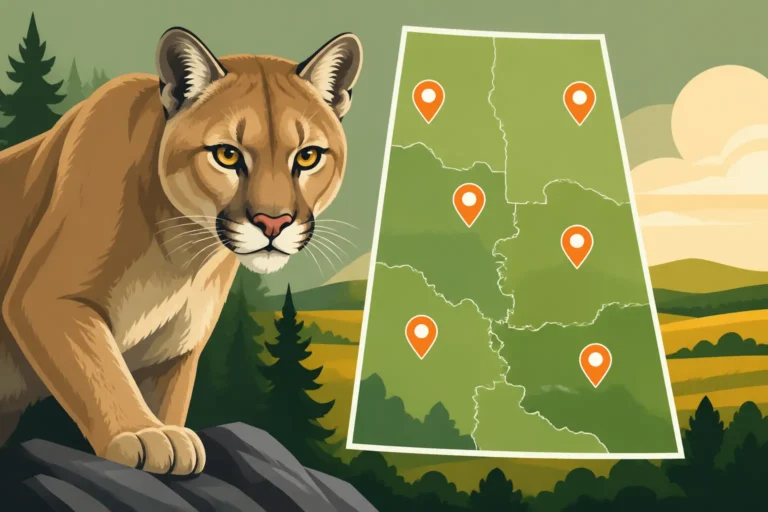
Think about the sheer variety of landscapes across Saskatchewan. You have the vast, unbroken plains of the south, characterized by short-grass prairie and endless stubble fields. Move north, and you transition into the aspen parkland, a patchwork of rolling hills, poplar bluffs, and cultivated fields. Further still, you reach the boreal forest fringe, where dense woods meet farmland. Coyotes navigate all these with ease.
In the open prairie, they utilize coulees, shelterbelts, and even the smallest undulations in the land for cover, always on the lookout for a meal. They’re masters of scent and sound, often ranging miles in a single night. When you move into the parkland, those dense poplar bluffs and willow thickets become prime bedding and denning areas. They can vanish into a small clump of trees and be completely invisible, even with a keen eye and good optics. And in the forest fringe, they exploit cutlines, old logging roads, and natural clearings to hunt and travel. This ability to make a home almost anywhere means that very little of Saskatchewan is truly unsuitable for them. Mapping tools like GoHunt can actually show you just how diverse these habitat types are, helping you pinpoint potential coyote travel corridors across different landscapes.
Opportunistic Omnivores with a Flexible Menu
Another huge factor in their success is their diet. Coyotes are far from picky eaters. While they are predators, known for taking down deer fawns, rabbits, and rodents, they are also highly opportunistic scavengers and will readily consume insects, berries, and carrion. This means that regardless of what the natural larder offers in a given season, a coyote can likely find something to eat.
During spring and summer, young ungulates like whitetail and Mule Deer Across Saskatchewan's Prairie fawns, along with abundant small mammals and nesting birds, provide a rich protein source. As crops mature, coyotes will patrol field edges for voles and mice dislodged by combines, or even snack on fallen berries in a Saskatoon bush. Come winter, when fresh kills might be harder to come by, they become exceptional scavengers. Roadkill, gut piles left by hunters, and even livestock carcasses on pasture become vital food sources. This dietary flexibility buffers them against lean times and allows them to maintain healthy populations even when a specific prey species might be experiencing a dip.
The Impact of Human Activity and Agricultural Landscapes
While coyotes are naturally resilient, human activity, particularly the spread of agriculture, has inadvertently created a paradise for them in Saskatchewan. Our farming practices and the structure of our rural areas often provide coyotes with a perfect combination of food, cover, and reduced competition from larger predators.
Agriculture: A Buffet and a Haven
Saskatchewan is, first and foremost, an agricultural province. Miles upon miles of cultivated land, interspersed with natural bluffs, sloughs, and shelterbelts, create an ideal environment for coyotes. The crops themselves – vast fields of wheat, canola, barley, and peas – offer incredible cover for small mammals like mice and voles, which form the base of a coyote's diet. When these fields are harvested, suddenly all that prey is concentrated and exposed, making for easy hunting.
Furthermore, livestock operations, whether it's cattle, sheep, or poultry, can provide additional food sources through carrion, afterbirth, or, unfortunately, direct predation on vulnerable young animals. While ranchers certainly don't appreciate this, it contributes to the overall abundance of food available to coyotes. The sheer scale of agricultural activity across the province means an almost endless supply of these resources. When you're Hunting Whitetails on Saskatchewan Farmland, you'll often see just as much coyote sign as deer sign, highlighting their omnipresence in these agricultural zones.
Reduced Competition and Predation
Historically, larger predators like wolves and grizzly bears played a significant role in regulating coyote populations. Wolves, in particular, are direct competitors and often kill coyotes to reduce competition for food resources. However, in much of agricultural Saskatchewan, these larger predators are either absent or present in very low numbers. This leaves coyotes as the dominant canine predator, largely unchecked by their natural enemies.
While wolf populations do exist in Saskatchewan's northern forests and forest fringe areas, they rarely venture deep into the heavily settled agricultural belt. This absence creates an ecological vacuum that coyotes are more than happy to fill. Of course, human hunters do take a significant number of coyotes each year, and Calling Coyotes in Saskatchewan Stubble is a popular winter pastime for many. But even with hunting pressure, their high reproductive rates and adaptability often allow them to bounce back quickly.
Reproductive Prowess and Rapid Recovery
Beyond their ecological flexibility and the benefits derived from human landscapes, coyotes possess an impressive reproductive strategy that allows them to quickly replenish their numbers, even in the face of significant mortality. This biological advantage is a critical piece of the puzzle explaining their high populations.
High Litter Sizes and Survival Rates
Coyotes typically breed in late winter, with pups born in spring. Litter sizes can vary but are often quite large, averaging around 5-7 pups, though sometimes reaching double digits. What’s more, coyotes have a fascinating biological mechanism where their litter size can actually increase in response to population pressure. If a population is experiencing high mortality (say, from disease or heavy hunting), the females may produce larger litters to compensate. This "compensatory reproduction" is a powerful tool for population recovery.
Pups are born in dens, often dug into hillsides, under fallen trees in bluffs, or even in abandoned buildings. They develop quickly and are often hunting with their parents by late summer. While some pups will succumb to illness, accidents, or predation from eagles or larger carnivores, a significant number survive to adulthood, ready to breed the following year. This high birth rate, coupled with their ability to adapt to various food sources, means that even if a local population takes a hit, it can rebound surprisingly fast.
Social Structure and Dispersal
Coyote family units, typically consisting of a breeding pair and their offspring from the current and sometimes previous years, are highly efficient hunting machines. While they aren't pack animals in the same sense as wolves, these family groups cooperate in hunting and raising pups. As young coyotes mature, they will often disperse to find new territories, contributing to the spread and expansion of the population.
This dispersal is key to filling new niches and quickly colonizing areas where their numbers might be lower. They are intelligent and cunning, constantly learning from their experiences and adapting their strategies. This rapid learning, combined with their robust reproductive capabilities, means that the landscape is always being repopulated, sometimes from areas you wouldn't expect. Scouting with tools like GoHunt can often reveal the extent of coyote ranges, showing how far these resilient animals will travel to establish new territories.
Here’s a look at some of the key factors contributing to Saskatchewan’s abundant coyote population:
| Factor | Description | Impact on Coyote Population |
|---|---|---|
| Habitat Adaptability | Thrive in prairie, parkland, forest fringe, and agricultural zones. | Allows presence across virtually the entire province. |
| Dietary Flexibility | Omnivorous; consume small mammals, birds, insects, berries, and carrion. | Ensures survival during varied seasons and prey availability. |
| Agricultural Benefits | Crops provide cover & prey; livestock operations offer carrion. | Creates abundant food and secure habitat. |
| Reduced Competition | Absence of large wolf populations in many areas. | Coyotes become the dominant canine predator. |
| High Reproductive Rates | Large litter sizes (avg. 5-7 pups) and compensatory reproduction. | Rapid population recovery, even with high mortality. |
| Effective Dispersal | Young coyotes disperse to colonize new territories. | Continual expansion and spread across the landscape. |
Implications for Other Game Species
The sheer abundance of coyotes in Saskatchewan isn't just an interesting ecological fact; it has tangible implications for other game species that hunters pursue. Understanding this relationship is crucial for managing wildlife and setting realistic expectations for your hunts.
Predation Pressure on Fawns and Ground-Nesting Birds
One of the most significant impacts of a high coyote population is the predation pressure on deer fawns and ground-nesting birds. During the spring, when whitetail and mule deer fawns are born, they are incredibly vulnerable. Coyotes are highly effective at locating these hidden newborns, and fawn recruitment can be significantly impacted in areas with dense coyote populations. This isn't to say coyotes are the only factor, but they are a major one, especially in years with low fawn survival from other causes.
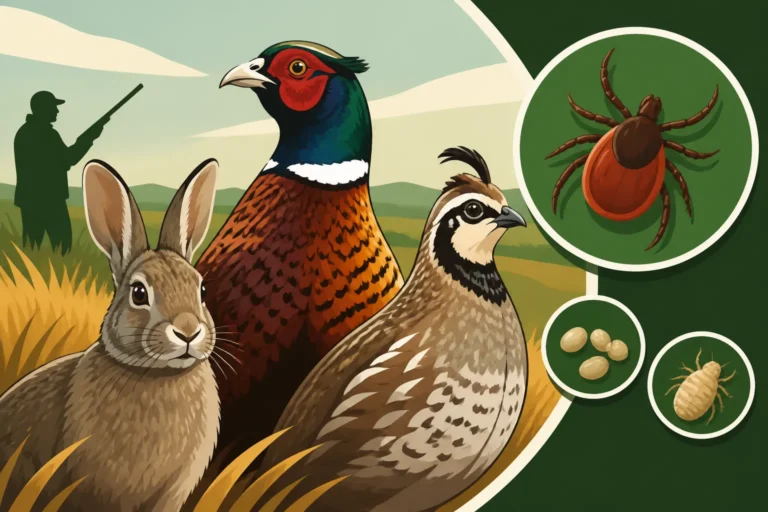
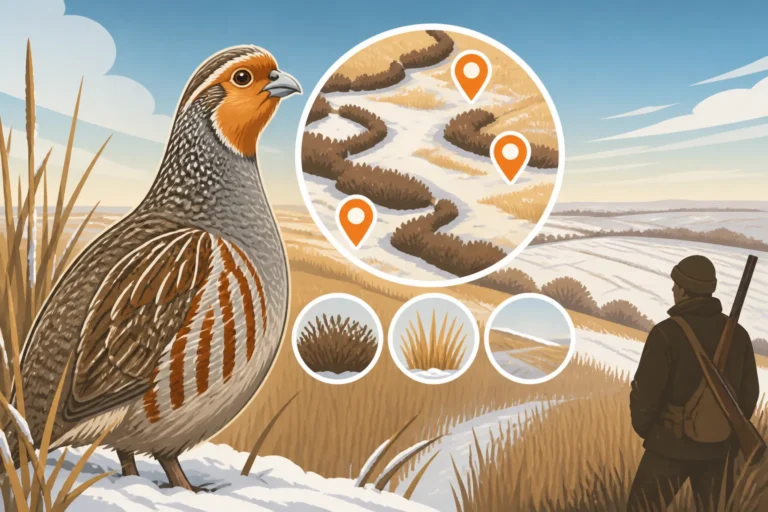
Similarly, ground-nesting birds like ducks, geese, and Walking Up Sharp-Tailed Grouse in Saskatchewan are susceptible to coyote predation on their nests and young. A coyote systematically working a field edge or slough bottom can decimate a clutch of eggs or a brood of newly hatched chicks. This can be particularly frustrating for bird hunters who see fewer birds in certain areas, even when habitat seems good.
Scavenging and Disease Transmission
While coyotes contribute to fawn and bird mortality, their role as scavengers can also have secondary effects. By cleaning up carrion, they help keep the landscape tidy, but they can also play a role in the transmission of certain diseases or parasites. For instance, if a coyote scavenges on an animal that died of a contagious disease, they could potentially carry that pathogen to new areas.
However, their role in the ecosystem is complex. They also keep rodent populations in check, which can be beneficial for farmers and reduce competition for forage with other animals. The key is to recognize that they are an integral part of the Saskatchewan ecosystem, and their high numbers are a reflection of a landscape that provides them with everything they need to thrive. If you're planning a hunt and want to understand local animal dynamics better, using an app like GoHunt can give you an overhead view of habitat types and potential wildlife corridors, including areas where coyotes might concentrate due to prey availability.
Conclusion: A Resilient and Pervasive Presence
So, why does Saskatchewan have so many coyotes? It boils down to a perfect storm of environmental conditions, human influence, and the sheer biological tenacity of the species itself. They are masters of adaptation, capable of living and thriving in nearly every corner of the province, fueled by a diverse diet and bolstered by impressive reproductive rates. The vast agricultural landscapes, while supporting much of our economy, also inadvertently provide an endless buffet and ideal cover for these clever canids, often without the natural checks and balances of larger predators.
For hunters, this means that coyotes are a constant presence. Whether you view them as a challenge, a nuisance, or an opportunity, understanding their biology and their relationship with the Saskatchewan landscape is key. Their resilience means they will continue to be a significant component of our province's wildlife, a pervasive and adaptable predator woven deeply into the fabric of the prairies and parklands.
Disclaimer
This article is for general informational purposes only and does not constitute professional advice. Laws, prices and regulations vary by location and change over time. Consult a qualified professional for guidance on your specific situation.