Saskatchewan Posted Land and What Signs Mean
One of the most common frustrations for hunters in Saskatchewan is pulling up to what looks like prime habitat, only to be met with a "Posted" sign. It can be incredibly confusing to know what these signs truly mean, what your rights are, and how to avoid inadvertently breaking the law or offending a landowner. This guide will walk you through the various types of posted land, explain the legal implications of those signs, and provide practical advice on how to navigate land access respectfully and effectively in Saskatchewan.
Understanding Saskatchewan's Land Access Laws
Navigating land access for hunting in Saskatchewan can sometimes feel like trying to solve a puzzle with missing pieces. The province has a unique blend of private land, Crown land, and various other designations, each with its own set of rules and expectations. Understanding the foundational laws is key to being a responsible and successful hunter.
The Foundation of Trespass Law
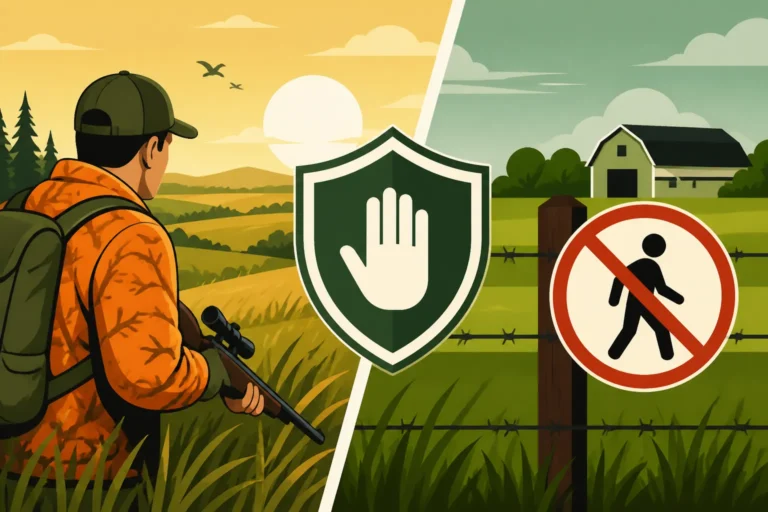
In Saskatchewan, the law is quite clear: if land is legally "posted," it means entry is prohibited without express permission from the landowner or occupier. This isn't just a suggestion; it's a legal requirement. Trespassing, whether intentional or not, can lead to fines and legal consequences, not to mention a damaged reputation for hunters as a whole. It’s not just about what signs are present, but the underlying legal framework that gives those signs their teeth. This means that even if a sign isn't perfectly worded or exactly to specification, the intent to prohibit entry is often still legally binding. It's always safer to err on the side of caution.
The spirit of the law here is to protect private property rights, which are deeply valued, especially in agricultural communities where land is a livelihood. Hunters need to understand that their access is a privilege, not a right, on private lands. This foundational understanding should guide every decision you make when approaching new hunting ground. For more in-depth details, you can always refer to Saskatchewan Trespass Law for Hunters.
Different Categories of Land in Saskatchewan
Saskatchewan's landscape is a patchwork of different land categories, and knowing which one you're on (or planning to hunt) is crucial.
First, you have Private Land, which is owned by individuals, families, or corporations. This includes everything from vast grain fields to small homesteads and even privately managed forests. On private land, permission is absolutely required for hunting, and this is where most "Posted" signs will be encountered.
Then there's Crown Land, which is public land managed by the provincial government. While often more accessible for hunting, it's not a free-for-all. Even Crown land can have restrictions or designated uses that impact hunting. Some Crown lands are leased to private individuals for grazing or agriculture, meaning there might be unique considerations or even the need to contact the leaseholder, though they cannot deny access to hunters, they can deny vehicle access. Understanding these nuances is critical. The rules around Saskatchewan's Crown Land Access are worth a thorough review.
Finally, there are specific designations like Wildlife Management Zone (WMZ) lands, Saskatchewan's Fish and Wildlife Development Fund Lands, and Community Pastures. These lands often have specific rules regarding access, activities, and sometimes require permits beyond your hunting licence. While they might be publicly managed, they are not always open for unrestricted access. For example, some FWDF lands are "foot traffic only," regardless of whether a sign explicitly states it.
Types of Posted Land Signs and Their Legal Implications
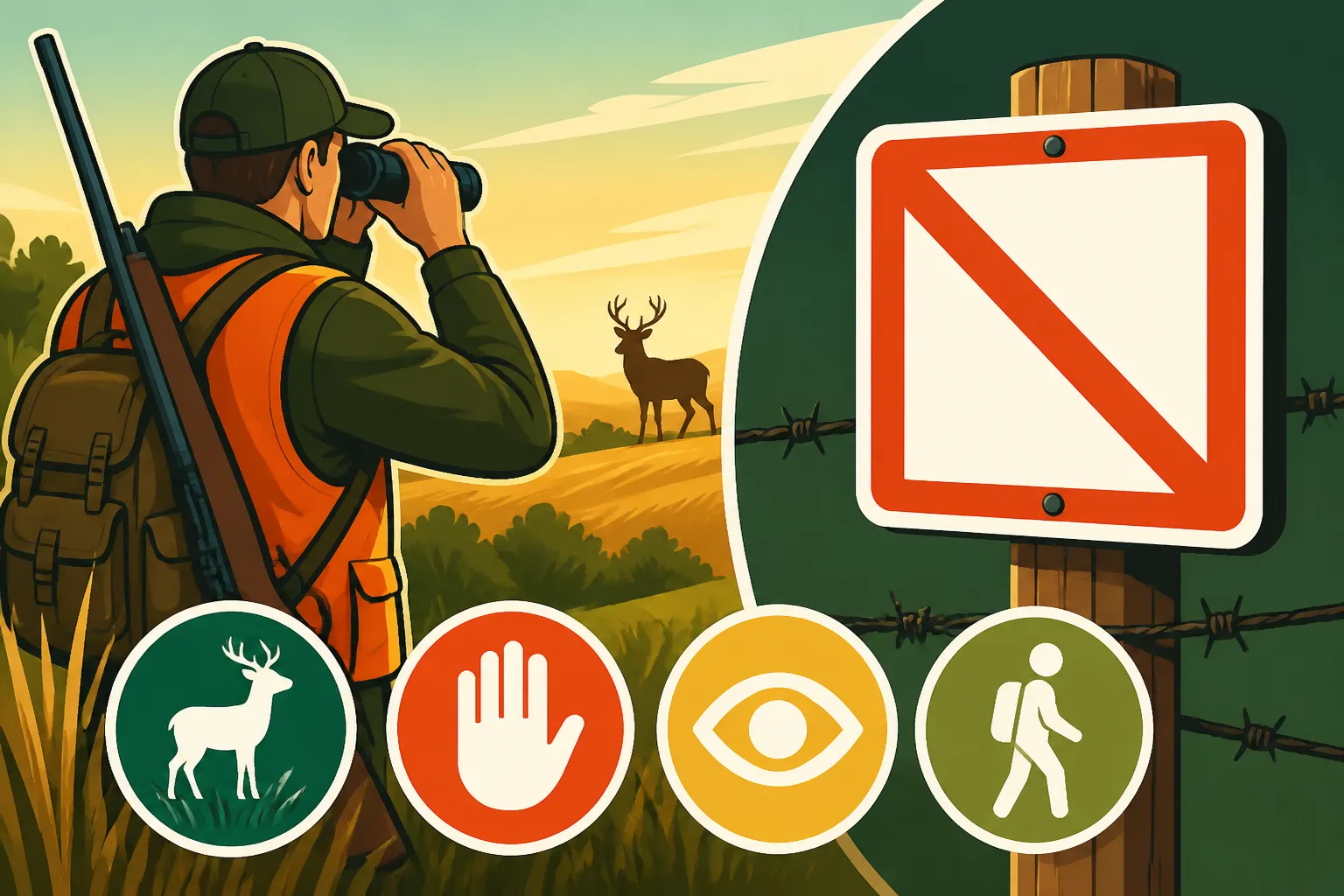
When you're out scouting or hunting in Saskatchewan, you'll encounter a variety of signs, and it’s critical to understand what each one communicates. Misinterpreting a sign can lead to uncomfortable confrontations, legal issues, and a tarnished reputation for hunters.
"No Trespassing" and "Posted" Signs
These are the most common and definitive signs you'll see. A sign that simply says "Posted" or "No Trespassing" means exactly what it sounds like: you are not permitted to enter that property without prior, explicit permission from the landowner. The law states that land is considered "posted" if there are signs conspicuously placed at all normal points of access to the property, indicating that trespass is prohibited. These signs don't need fancy wording or specific dimensions, but they do need to be visible and clear in their intent. The presence of these signs implies that the landowner does not want unauthorized individuals on their property for any reason, including hunting.
The legal implication here is straightforward: if you cross onto land marked with these signs without permission, you are committing an act of trespass. This can result in fines and, in some cases, your hunting licence being suspended or revoked. Even if you're just tracking a wounded animal, the posted sign takes precedence; you must first attempt to contact the landowner. It's a real frustration when a great buck runs onto posted land, but respecting that boundary is paramount. You might find useful guidance in What Saskatchewan's Posted Signs Must Say to understand the legal specifics of sign placement and wording.
"No Hunting" vs. "Foot Traffic Only" vs. Other Specific Restrictions
Beyond the general "No Trespassing," you might encounter signs that are more specific about the activity restricted.
A "No Hunting" sign typically means that while entry might be permitted for other purposes (like walking or berry picking, although this is rare and should never be assumed), hunting specifically is prohibited. This is less common than general "No Trespassing" signs but is equally binding. Sometimes these signs are put up by landowners who don't mind people on their land but are simply anti-hunting, or they might have livestock and don't want hunters near them.
"Foot Traffic Only" is a designation you'll often see on certain public lands, such as some Fish and Wildlife Development Fund (FWDF) properties or other designated recreational areas. These signs mean you can walk onto the land for hunting or other approved activities, but you cannot use ATVs, trucks, or other motorized vehicles. This is usually implemented to protect sensitive habitats, minimize disturbance, or prevent road damage. It's a way to allow access while minimizing impact. Always assume "Foot Traffic Only" even if the sign isn't there, particularly on public parcels meant for conservation, unless explicitly stated otherwise. Understanding Hunting an FWDF Parcel Without Permission involves knowing these access rules.
Other signs might indicate specific restrictions, like "No Vehicles Beyond This Point," "Wildlife Sanctuary," "Private Road," or even signs indicating active farming operations like "Spraying in Progress" or "Harvesting Area." While not all of these explicitly prohibit hunting, they strongly imply that it's either unsafe, undesirable, or legally restricted to enter without direct authorization. Always respect these specific instructions to maintain good landowner relations and ensure your safety.
Here's a quick reference table for common signs:
| Sign Wording | Legal Meaning | Hunter Action Required |
|---|---|---|
| POSTED / NO TRESPASSING | Entry prohibited without express permission. | DO NOT ENTER without landowner contact and explicit permission. |
| NO HUNTING | Hunting specifically prohibited, even if entry for other purposes might be allowed (rarely). | DO NOT HUNT. Seek clarification if unsure about other access, but avoid hunting. |
| FOOT TRAFFIC ONLY | Entry permitted by foot only; no motorized vehicles. | Park legally and proceed on foot. Do not bring vehicles onto the property. |
| NO VEHICLES BEYOND THIS POINT | Motorized vehicle access ends here. | Park legally and proceed on foot. Often found on leased Crown land or private access roads. |
| PRIVATE ROAD | Road is private property; access by vehicle often restricted. | Do not use unless you have permission from the landowner. |
| WILDLIFE SANCTUARY | Area protected for wildlife; no hunting allowed. | DO NOT ENTER for hunting or disturb wildlife. Observe from a distance. |
Navigating Posted Land on Private Property
Encountering posted land can be disheartening, especially if it looks like prime hunting territory. However, it doesn't always mean the end of your hunting prospects. Sometimes, with a bit of effort and courtesy, you can gain access. The key is understanding how to approach landowners and what to expect.
How to Get Permission from Landowners
The golden rule for hunting private land in Saskatchewan is: always get permission. This isn't just a legal requirement; it's a matter of respect and good neighbourly conduct. Many landowners are incredibly generous, but they need to know who is on their land, what they're doing, and when.
The best approach is always in person. Show up at a reasonable hour, dress respectfully (not necessarily in camo), and be polite. Introduce yourself, explain you are a hunter, and ask if they allow hunting on their land. Be prepared to show your licence and even provide your vehicle details. Many farmers appreciate a heads-up and knowing who is around their property. Don't show up with your gear on and loaded, ready to hunt; this can be seen as presumptuous. Start with a conversation, build rapport, and be willing to take a "no" gracefully. A simple "no hunting" sign on their fence could be there simply because they've had bad experiences in the past. Your polite, respectful approach might just change their mind, or at least open a door for future seasons.
It's also a good idea to bring a map of their property, perhaps from an app like onX Hunt, and ask them to mark the areas where you are (or are not) allowed to hunt. This helps prevent misunderstandings. Ask about specific rules: are there areas near buildings or livestock that are off-limits? Can you drive on certain trails? How should you notify them when you're done? Offering to share game, help with a chore, or simply leave your contact information can go a long way. This is fully elaborated in Getting Private Land Permission in Saskatchewan.
The Importance of Respect and Communication
Once you have permission, the work isn't over. Maintaining a positive relationship with a landowner is just as important as getting initial access. Always communicate your intentions. If you said you'd hunt the back quarter and you decide to move to a different area, send a quick text or call if possible. If you wound an animal and it runs onto adjacent land, you absolutely must contact your landowner, and they will help you contact the adjacent landowner. Never just follow it without permission.
Respect also extends to the land itself. Close all gates, drive only on designated trails or field edges to avoid crop damage, pick up any trash (even if it's not yours), and treat their property as if it were your own, or even better. If you encounter livestock, give them a wide berth. If you notice a broken fence or anything out of place, inform the landowner. These small acts of courtesy and responsibility build trust and ensure that you, and other hunters, might be welcome back in the future. Remember, one bad experience can lead a landowner to post their entire property permanently, affecting everyone. It's about collective responsibility for the hunting community.
Posted Land and Crown Land: Are They Different?
It's a common misconception that all Crown land is automatically open access for hunting. While generally more accessible than private land, Crown land can still have restrictions, and sometimes it can even be posted. Understanding these differences is vital to avoiding accidental trespass or violations.
When Crown Land Can Be Posted or Restricted
Yes, Crown land can indeed be posted or have restrictions that impact hunting. This usually occurs for several reasons.
Firstly, some tracts of Crown land may be leased out for agricultural purposes, such as grazing cattle or growing crops. While a leaseholder cannot typically deny foot access for hunting, they can restrict vehicle access to protect their livelihood and infrastructure. In these cases, you might see signs like "Leased Crown Land – No Vehicles" or similar. It's crucial to distinguish between denying hunting access and regulating how you access it. You still need to be aware of your surroundings, livestock, and any active farming operations. Contacting the leaseholder is always a good practice, even if not legally required for foot access, to build rapport and avoid conflicts.
Secondly, specific parcels of Crown land, such as certain provincial parks, wildlife refuges, or designated ecological reserves, may have outright prohibitions on hunting. These areas are posted to indicate their protected status, and hunting is simply not permitted. It's essential to check the regulations for the specific area you plan to hunt. A sign stating "Wildlife Refuge" or "No Hunting Beyond This Point" on Crown land is just as binding as one on private land. You can usually find information on these restricted areas by consulting the Saskatchewan hunting guide or by using mapping tools that differentiate land types. The process of Reading a Saskatchewan WMZ Map Before You Go will highlight many of these nuances.
Finally, during periods of extreme fire risk or environmental sensitivity, certain Crown lands may be temporarily closed or have restricted access, often indicated by temporary signs or public notices. Always check local conditions and closures before heading out.
Using Maps and Resources to Identify Land Ownership
In today's digital age, hunters have incredible tools at their fingertips to help identify land ownership and avoid posted land. This is where modern technology really shines.
Mapping applications are perhaps the most valuable resource. Tools like onX Hunt and even some government-provided online mapping services can display property boundaries, land ownership information (private vs. Crown), and often even delineate specific restrictions like WMZs or FWDF lands. Before you even leave home, you can meticulously plan your hunt, identify potential access points, and pinpoint any posted private parcels you need to avoid or seek permission for. Personally, I don't go afield without checking my map layers thoroughly. Reading Saskatchewan Crown Land Layers on onX is a fantastic way to ensure you're always informed.
Government resources, such as the Saskatchewan hunting guide and the Saskatchewan Ministry of Environment website, also provide detailed maps and legal descriptions of various land categories. These are your official sources for regulations and boundaries. While not as intuitive for in-the-field navigation as a dedicated app, they are invaluable for initial research and clarification. Websites like GoHunt might offer additional mapping insights or resources specific to hunting regulations, which can complement your primary mapping tools.
Remember, proactively identifying land ownership and access rules before you hunt is the most effective way to prevent inadvertently trespassing on posted land. Don't wait until you're standing in front of a sign to figure it out.
Tools and Resources for Identifying Land Ownership
In the age of information, there's no excuse for not knowing whose land you're on. Modern technology has revolutionized how hunters can research and navigate land ownership, making it easier than ever to avoid trespassing and find legal hunting grounds.
GPS and Mobile Mapping Applications
The absolute game-changer for land identification is the advent of GPS-enabled mobile mapping applications. Programs like onX Hunt have become indispensable for countless hunters, myself included. These apps overlay property boundaries, land ownership (private, state, federal, Crown, etc.), and often even features like wildlife management units, roads, and topography directly onto your phone or tablet's map.
Imagine this scenario: you're walking an enticing bluff, chasing whitetail sign, and suddenly you see a faint trail leading into a dense bush. With onX Hunt, you can pull out your phone, see that the bush is actually on an adjacent quarter section of private land, and realize there's a posted sign around the corner you hadn't seen yet. This allows you to stop, confirm the boundary, and make an informed decision before stepping onto private property without permission. It's truly a powerful tool for planning your hunt and staying legal in the field. They often allow you to download maps for offline use, which is critical in Saskatchewan's remote areas where cell service is non-existent.
These apps also often highlight various types of public land, such as provincial forests, FWDF lands, or even some Saskatchewan's Community Pastures and Hunting, so you can confidently know where you have public access. It takes away the guesswork and allows you to focus on the hunt itself, rather than constantly worrying about invisible lines.
Government and Online Resources
Beyond dedicated hunting apps, several government and general online resources can provide crucial land ownership information. The Saskatchewan government's online mapping tools (often found through the Ministry of Environment or Agriculture websites) can provide layers of information about Crown land, leases, and other designations. While sometimes a bit clunky to navigate, they are the authoritative source for official land data.
Websites like GoHunt often compile information on hunting regulations, season dates, and sometimes even offer their own mapping features or links to relevant government maps. While it might not have the granular, in-the-field detail of onX Hunt, these platforms can be excellent for pre-season research, helping you understand the broader landscape of land access in your chosen Wildlife Management Zone.
Another valuable, though less direct, resource is the local municipal or rural municipality (RM) office. They often have detailed maps showing property ownership and can be a good starting point for identifying landowners if you wish to seek permission. While you might not use them for every single quarter section, they can be helpful for specific areas you're interested in. Ultimately, combining these different sources of information creates a robust understanding of land ownership and access rules, empowering you to hunt legally and respectfully. This type of scouting, often called Scouting With Satellite Imagery in Saskatchewan, should be a regular part of your pre-hunt routine.
Respectful Hunter Etiquette and Avoiding Trespass
Being a successful hunter in Saskatchewan isn't just about sharp shooting and good tracking; it's equally about being a responsible, ethical, and courteous ambassador for the sport. Respect for landowners and the land itself goes a long way in ensuring future access and a positive reputation for all hunters.
The Consequences of Disrespecting Posted Land
Ignoring "Posted" signs or trespassing without permission carries a range of consequences, none of them desirable. Legally, you could face significant fines under Saskatchewan's trespass laws, and your hunting licence could be suspended or even revoked. Law enforcement takes these violations seriously, particularly when they involve firearms. If you are found to be actively hunting on posted land without permission, the penalties can be severe.
Beyond the legal ramifications, there's the much broader, long-term impact on hunter-landowner relations. A single incident of disrespect or trespass can sour an entire community's view of hunters. Landowners who might have previously granted access may decide to post all their land, effectively closing off vast tracts of hunting territory for everyone. This cycle of distrust ultimately hurts the hunting community as a whole, making it harder for responsible hunters to find places to pursue their passion. It validates the negative stereotypes some people hold about hunters.
Building Positive Relationships with Landowners
The best defense against "Posted" signs is proactive relationship building. If you plan to hunt an area for several seasons, invest the time to meet the local landowners. Even if they don't grant permission initially, a friendly chat can sometimes open the door later. Perhaps they'll remember your polite approach when another hunter makes a poor impression.
Here are some tips for fostering positive relationships:
- Be Polite and Respectful: Always approach landowners with courtesy, listen to their concerns, and abide by any rules they set.
- Communicate Clearly: State your intentions, confirm boundaries, and notify them when you're on their land and when you've left.
- Offer Assistance: Sometimes a farmer might appreciate an offer to help with a small chore, or simply keeping an eye on their property. This isn't a bribe; it's building community.
- Leave No Trace: Pack out everything you pack in. Leave gates as you found them (open or closed). Avoid driving on wet fields or damaging crops.
- Share Your Success (if appropriate): If you harvest an animal, offering to share some of the meat can be a kind gesture, though never required.
- Thank Them: A simple thank you note or a small gesture of appreciation at the end of the season can go a long way. Many hunters find success by Knocking on Doors in Saskatchewan Farm Country.
By consistently demonstrating respect and responsibility, you not only ensure your own access but also help to improve the reputation of hunters across Saskatchewan, fostering a more collaborative environment for everyone who enjoys the outdoors. Remember, we are all stewards of the land, and respecting private property is a fundamental part of that responsibility.
Disclaimer
This article is for general informational purposes only and does not constitute professional advice. Laws, prices and regulations vary by location and change over time. Consult a qualified professional for guidance on your specific situation.