Hunting the Prince Albert Forest Fringe
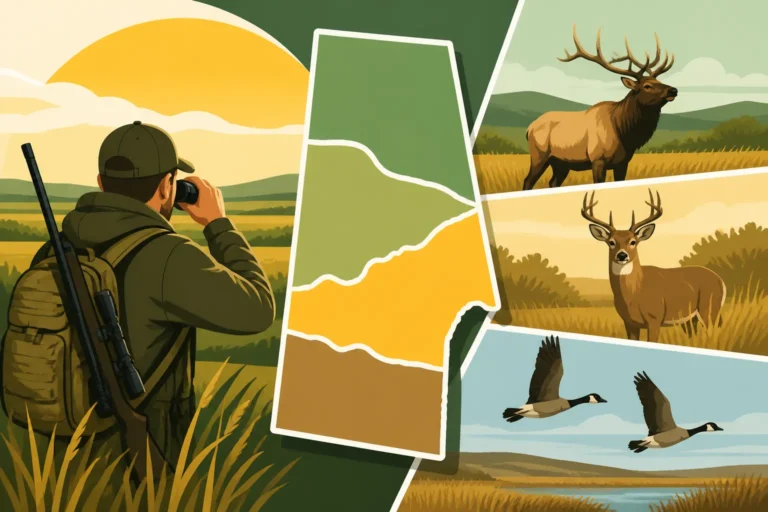
The Prince Albert Forest Fringe in Saskatchewan can feel like a maze, a wild mix of dense bush, sprawling fields, and murky transitions that leaves many hunters scratching their heads about where to even begin. It's a unique challenge, blending the tactics of both prairie and boreal hunting, but with the right approach and a deep understanding of this dynamic landscape, you can unlock some truly exceptional opportunities. This guide is dedicated to helping you unravel the complexities of hunting this incredible region, offering practical advice to navigate its varied terrain and target its diverse game.
Understanding the Prince Albert Forest Fringe Ecosystem
The Prince Albert Forest Fringe isn't just a place on a map; it's a living, breathing ecosystem that constantly shifts and changes with the seasons and human activity. It's where the vast boreal forest, with its dense stands of spruce and jack pine, begins to break up and intermingle with the rich agricultural lands and aspen parkland of central Saskatchewan. This transition zone is a powerhouse for wildlife, offering everything from prime big game habitat to abundant bird hunting.
The Unique Blend of Habitat Types
Imagine driving north from Saskatoon or Regina, watching the open prairie give way to rolling aspen bluffs and then, eventually, the darker, denser outlines of the boreal forest. The Prince Albert Forest Fringe is precisely that meeting point, creating a highly diverse mosaic of habitats that benefit a wide array of game species. You'll find everything from vast grain fields, often bordered by aspen bluffs and willow thickets, to mature poplar stands, spruce bogs, and dense alder swamps. These elements aren't just distinct zones; they weave together, forming an intricate web that animals exploit year-round. For example, a whitetail buck might bed down in a thick spruce patch during the day, then emerge to browse on aspen regrowth or feed in an adjacent pea field at dusk. This constant interplay of cover, food, and water sources is what makes the fringe so incredibly productive, but also so challenging to hunt effectively. You really have to adapt your strategy to the specific parcel you're on, understanding that a bush pocket might offer different opportunities than a bluffed field edge a few miles down the road.
Beyond the visible cover, the underlying topography plays a huge role. The fringe often features rolling hills, kettle depressions, and ancient glacial moraines that create natural funnels and travel corridors for wildlife. These subtle elevation changes and depressions can hold water, forming sloughs and potholes that become magnets for waterfowl, or simply create microclimates that offer shelter from harsh winds or extreme cold for deer and moose. Understanding these nuances requires more than just a quick glance at a map; it demands time spent scouting, observing, and learning how game animals utilize these varied features. The edges, where two or more habitat types meet – like a standing cornfield bordering a poplar bluff or a willow swamp giving way to a stubble field – are often the most productive spots, acting as highways and feeding zones for almost all species. It's this dynamic, ever-changing environment that keeps hunters coming back year after year, offering new puzzles to solve and new opportunities to discover.
Key Game Species in the Fringe
The richness of the Prince Albert Forest Fringe ecosystem means it supports a fantastic variety of game. For many, the star attraction is the whitetail deer. Saskatchewan is renowned for its trophy whitetails, and the fringe offers the perfect blend of cover and agricultural feed to help bucks grow to impressive sizes. These deer often transition between the security of the bush and the abundant food sources in the fields, making them a prime target. You'll find them using the thick cover of the forest for bedding and security, particularly as hunting pressure increases or colder weather sets in, and venturing into the fields during low light conditions to feed on peas, canola, or alfalfa.
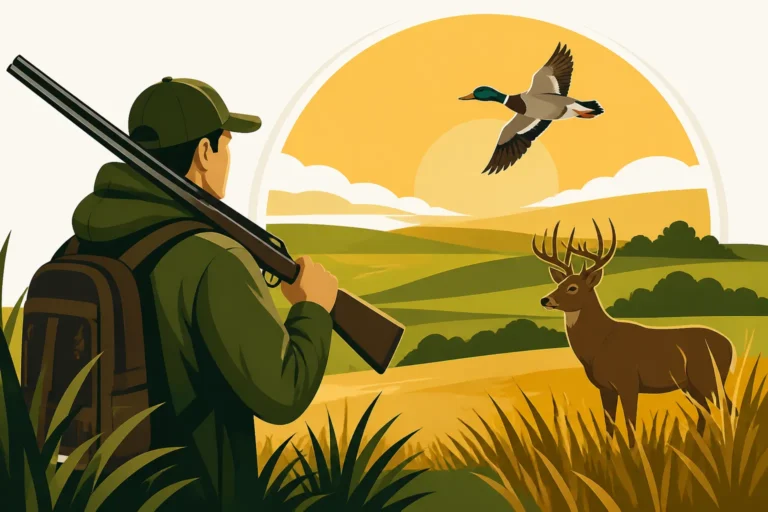
Beyond whitetails, the fringe is also home to healthy populations of moose and black bear. Moose, while often associated with the deeper boreal forest, have expanded their range into many parts of the agricultural fringe, particularly where large tracts of bush remain, or along river valleys and swampy areas. It's not uncommon to cut a moose track while looking for deer, or to hear one crashing through the willows. Black bears also thrive in this environment, utilizing the varied cover for denning and foraging, with agricultural fields providing an easy food source come spring and fall. For bird hunters, the fringe is a paradise. Sharp-tailed grouse and Hungarian partridge are abundant, especially in areas with mixed grassland and cultivated fields. And, of course, the multitude of sloughs and potholes, combined with vast grain fields, makes for outstanding waterfowl hunting, drawing in ducks and geese by the thousands during migration. This diversity means that a single hunting trip to the Prince Albert Forest Fringe can offer opportunities for multiple species, making it a truly rewarding destination.
Navigating Access and Public Land Opportunities
Finding a place to hunt in Saskatchewan, especially in high-demand areas like the Prince Albert Forest Fringe, can be one of the biggest challenges hunters face. While private land dominates much of the province, there are crucial public land opportunities that, with a bit of research and effort, can provide fantastic hunting experiences. Understanding how to locate and access these lands, as well as how to respectfully gain permission on private property, is paramount to a successful hunt here.
Locating Crown Land and FWDF Parcels
Saskatchewan has a decent amount of Crown land, even within the forest fringe, but it's often fragmented and not always obvious without the right tools. These pieces of public land can be goldmines for hunters willing to do their homework. The key is to utilize mapping applications that show land ownership. Services like onX Hunt or GoHunt have revolutionized how hunters locate public land, allowing you to clearly identify Crown land parcels, provincial forests, and Wildlife Management Zones (WMZs) right on your phone or computer. I can't stress enough how much easier these apps make it to understand where you can legally step foot. Before these tools, it was a tedious process of cross-referencing paper maps and government land titles. Now, you can zoom in, identify boundaries, and plan your approach from your living room.
Beyond general Crown land, Saskatchewan also manages specific parcels under the Fish and Wildlife Development Fund (FWDF). These lands are purchased or managed for wildlife habitat and public recreation, including hunting. They are often marked with specific signage, but again, a good mapping app will highlight them for you. Always double-check the rules for FWDF lands, as some may have specific restrictions on vehicle use or camping. When you're looking at a map, don't just focus on the large blocks; often, smaller, overlooked parcels of Crown land, perhaps nestled between private fields or bordering a river, can hold unpressured game. These smaller, harder-to-reach spots are often passed by other hunters, giving you an advantage. It's always a good practice to cross-reference your digital maps with a physical map or the official government land status viewer if you have any doubts, ensuring you're always on the right side of the law. You can also explore Reading Saskatchewan Crown Land Layers on onX for more detailed guidance on using these mapping tools effectively.
The Importance of Private Land Permission
While public land offers opportunities, private land forms the backbone of hunting access in the Prince Albert Forest Fringe, especially as you move closer to agricultural areas. The vast majority of the province is privately owned, whether by farmers, ranchers, or other landowners. Respectful communication and asking for permission is not just good etiquette; it's the law in Saskatchewan. Showing up unannounced with a gun and walking onto someone's property is a quick way to lose access permanently, not just for you but potentially for other hunters down the line. Most landowners are reasonable, and many are willing to grant access, especially if you approach them with respect, clearly state your intentions, and assure them you'll be safe and responsible.
My advice is always to ask well in advance of the season if possible. A phone call or a knock on the door a few weeks before opening day can make a huge difference. Dress respectfully, leave your hunting gear in the vehicle, and be prepared for a polite 'no.' It happens. Don't push it. If they say yes, thank them profusely, get clarity on any specific areas they want you to avoid (like around their yard site or livestock), and stick to those agreements. Offer to share some of your harvest if successful, or help with a small chore. Building these relationships with landowners can lead to long-term access to some fantastic hunting grounds. It's a testament to the strong community spirit in Saskatchewan, where a handshake and a respectful conversation still go a long way. For more on navigating this, check out Knocking on Doors in Saskatchewan Farm Country. Remember, establishing trust and being a courteous hunter is key to unlocking some of the best hunting experiences the fringe has to offer.
Strategies for Whitetails in the Fringe
The Prince Albert Forest Fringe is arguably one of the best places in North America to hunt whitetail deer, boasting the genetics and habitat to produce truly massive bucks. However, these aren't easy hunts. The mixed habitat means deer have ample cover and food, making them elusive. Success here hinges on diligent scouting, understanding deer behavior in this specific environment, and executing smart hunting strategies.
Scouting and Reading Whitetail Sign
Effective whitetail hunting in the Prince Albert Forest Fringe begins long before you ever step foot in the woods with your rifle or bow. Scouting is your absolute best friend here. This unique mix of forest and field means deer can be anywhere, but they tend to leave a wealth of clues if you know what to look for. Start by identifying the transition zones – where fields meet bush, where different timber types merge, or where waterways provide natural corridors. These edges are often heavily utilized by deer moving between bedding areas in the thick cover and feeding areas in the agricultural fields. Look for well-worn trails, fresh rubs on small trees, and active scrapes, especially in early fall as bucks begin to mark their territory. Don't just focus on the visible signs; consider the entire landscape. A good place to start your scouting could be Reading Whitetail Sign in Saskatchewan Bluffs.
During the pre-season, before hunting pressure drives deer deeper into cover, spend time walking these edges, looking for bedding areas in the dense undergrowth of spruce or aspen bluffs. Pay close attention to pinch points, funnels, and natural barriers that might concentrate deer movement. This could be a narrow strip of bush between two fields, a small creek crossing, or a ridge that deer prefer to travel along. The more time you invest in understanding these patterns, the better your chances when the season opens. Use trail cameras strategically, placing them on heavily used trails or near scrapes to get an inventory of the deer in the area and understand their patterns of movement. Remember that deer patterns can change quickly with food availability, weather, and hunting pressure, so ongoing scouting throughout the season, even just by driving and glassing field edges, is crucial. The fringe offers an incredible canvas for whitetail activity, and the more you read its signs, the clearer the picture becomes.
Stand Placement and Hunting Methods
Once you've done your scouting homework and identified key areas of deer activity, the next critical step is intelligent stand placement. In the Prince Albert Forest Fringe, you're often dealing with a combination of thick cover and open fields, so your choice of hunting method and stand location needs to reflect this duality. For many, a well-placed treestand or ground blind is the most effective approach. When selecting a spot, think about prevailing winds, sun direction, and escape routes for the deer. A common and highly effective strategy is to set up along a bush edge overlooking a field, especially one that deer are actively feeding in. You want to be positioned to intercept deer as they transition from the safety of the trees to the open fields at dawn or dusk. Consider Hanging a Stand on a Saskatchewan Bush Edge for more specific tips on this.
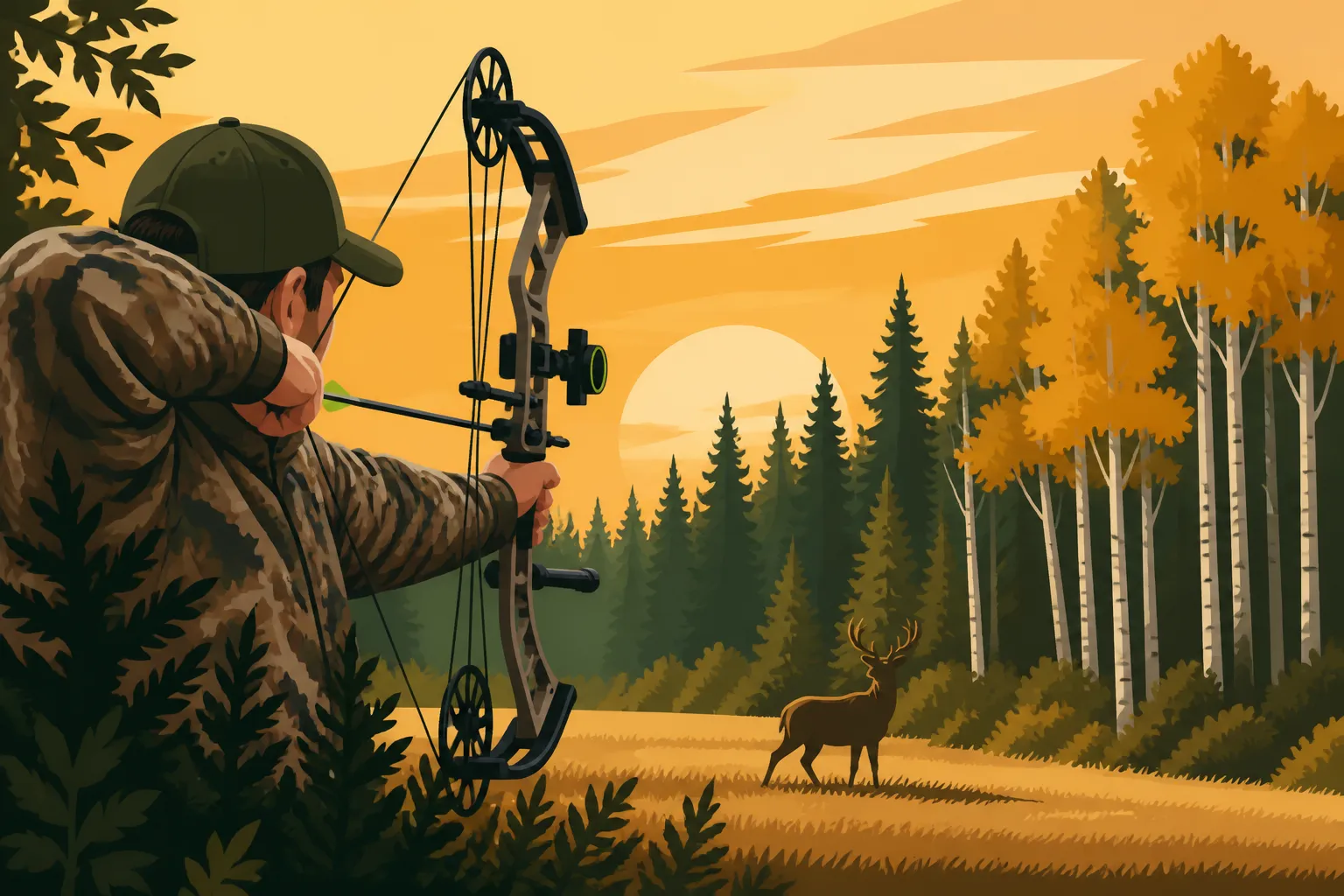
For rifle hunters, longer shots across fields are a possibility, but don't overlook opportunities for closer encounters within the timber. Bowhunters will need to focus on tighter shooting lanes and closer range setups, often deeper in the bush along heavy trails or near bedding areas. During the rut, rattling and calling can be incredibly effective in the fringe, as bucks are actively searching for does and challenging other bucks. A well-timed rattling sequence, especially near thick cover, can bring a curious buck right into your lap. Don't be afraid to sit all day, particularly during the peak of the rut in mid-November, as big bucks can move at any time. For those looking for the ultimate challenge, still-hunting or spot-and-stalk can be attempted in the more open aspen parkland sections, but the dense undergrowth in many parts of the fringe makes this extremely difficult without bumping deer. Patience, stealth, and adapting your method to the specific terrain and deer behavior will be your greatest assets when Hunting the Forest Fringe for Big Bucks.
Other Big Game Opportunities: Moose and Bear
While whitetails often get top billing in the Prince Albert Forest Fringe, it would be a mistake to overlook the fantastic opportunities for moose and black bear. These species thrive in the diverse habitat the fringe provides, offering a different kind of challenge and a chance to fill your freezer with some exceptional wild game meat.
Hunting Moose Along the Forest Edge
Moose hunting in Saskatchewan often conjures images of deep boreal forests and remote wilderness, but the Prince Albert Forest Fringe offers surprising opportunities for these majestic animals. As mentioned, moose have expanded their range into many areas where the bush meets agriculture, utilizing the dense cover for security and the surrounding fields for calorie-rich forage. They are particularly drawn to areas with thick willow bottoms, alder swamps, and riparian zones along creeks and rivers that offer both water and browse. When scouting for moose, look for areas where these features are adjacent to crop fields; a farmer's field of oats or peas can be a real magnet for a hungry bull.
Unlike whitetails, moose are less likely to be found in fragmented patches. They prefer larger, more continuous blocks of dense cover, moving out to feed primarily during low light conditions or even under the cover of darkness. Hunting them often involves patiently still-hunting through thick areas or setting up on a natural travel corridor between a bedding area and a feeding ground. Calling can be incredibly effective, especially during the rut. The sounds of a cow in estrus or a bull raking branches can bring a curious bull right in, particularly if you're set up in a thick aspen or willow stand where visibility is limited. It's an exhilarating experience to have a bull moose respond to your calls, and you can learn more about this by checking out Calling a Bull Moose in the Rut. Remember, moose are incredibly large animals, and planning for meat retrieval is crucial. This is not a task for the faint of heart, especially if you're deep in the bush, so always have a solid plan and sufficient help before you pull the trigger.
Black Bear Hunting in Transition Zones
The Prince Albert Forest Fringe is also prime black bear country. The mix of mature forest, regenerating clear-cuts, and abundant natural food sources, coupled with proximity to agricultural fields, creates an ideal environment for bears to grow large and healthy. Bear hunting here typically takes place in the spring or fall. Spring hunts often revolve around baiting, which is a popular and effective method to bring bears into a predictable location. Choosing the right bait site, maintaining it consistently, and understanding bear behavior around bait are critical for success. This method allows hunters to carefully judge a bear before taking a shot, ensuring it's a mature animal and not a sow with cubs. For insights on setting up a successful bait, refer to Setting a Bear Bait Site in Saskatchewan.
Fall bear hunts, while less common than spring, can also be productive. Bears are focused on hyperphagia – consuming as many calories as possible before hibernation – and will often be found gorging on berries, acorns (if present), or once again, spilled grain in agricultural fields bordering the bush. Spot-and-stalk hunting can be a thrilling option in the fall, particularly in areas with good visibility like cutlines or around large clear-cuts. Identifying active feeding areas, especially those with natural choke points or cover nearby, is key. Remember, bears are incredibly powerful animals, and proper shot placement is paramount for a quick and ethical harvest. Always carry bear spray, even when hunting other species, as unexpected encounters can happen, especially in the thick cover of the fringe.
Upland Birds and Waterfowl in the Parkland Fringe
Don't let the allure of big game overshadow the incredible bird hunting opportunities that the Prince Albert Forest Fringe offers. This diverse landscape isn't just for deer, moose, and bear; it's a haven for feathered game, providing excellent chances for both upland birds and waterfowl. Whether you enjoy walking miles behind a pointing dog or sitting in a blind calling in geese, the fringe has something for every bird hunter.
Chasing Grouse and Huns
For upland bird enthusiasts, the Prince Albert Forest Fringe is a dream come true. You'll find healthy populations of both sharp-tailed grouse and Hungarian partridge, often in overlapping habitats. Sharp-tailed grouse prefer the transitional areas where native grasslands meet aspen bluffs and cultivated fields. They are masters of camouflage and can hold incredibly tight, making them a fantastic target for hunters with dogs. Walking up sharptails on a crisp fall morning, especially in areas with good cover, is an experience that truly captures the essence of prairie upland hunting. For more on this, you might find Walking Up Sharp-Tailed Grouse in Saskatchewan helpful. Look for them along field edges, in brushy draws, and on stretches of unbroken native prairie.
Hungarian partridge, or "Huns" as they're commonly called, are often found in coveys on cultivated lands, especially around shelterbelts, stubble fields, and in the edges of standing crops like flax or canola. They are notoriously fast flyers and can be challenging to hit, offering an exhilarating hunt. A common strategy for Huns is to drive gravel roads in rural areas, looking for coveys feeding on the shoulder, then attempting a quick stalk and flush. The key to both grouse and Huns is covering ground and being prepared for quick shots when they burst into the air. Good quality, comfortable boots are essential, as you'll be putting in the miles. The fringe offers a fantastic opportunity to hunt both species, often in the same general vicinity, providing a dynamic and rewarding bird hunting experience. You can find more targeted advice on Hunting Hungarian Partridge on Saskatchewan Farms.
Pothole and Field Hunting for Waterfowl
Saskatchewan is world-renowned for its waterfowl hunting, and the Prince Albert Forest Fringe plays a significant role in this reputation. The region is dotted with countless potholes, sloughs, and small lakes that serve as prime nesting and staging areas for ducks of all varieties. Mallards, pintails, widgeon, and teal are abundant, offering incredible opportunities for jump-shooting, pass-shooting, or hunting over decoys. The agricultural landscape surrounding these water bodies means ducks have an endless supply of high-energy food, drawing them in by the thousands.
Beyond the potholes, the vast grain fields become magnets for migrating geese. Canada geese, specklebellies, and snow geese descend upon the stubble fields to feed, providing spectacular field hunting opportunities. Setting up a decoy spread in a freshly harvested pea, barley, or wheat field and calling in hundreds of geese is an unforgettable experience. This type of hunting often requires a good number of decoys and precise scouting to find where the birds are actively feeding. You'll need permission from landowners to hunt these fields, so building those relationships, as discussed earlier, is crucial. Whether you prefer the close-quarters action of a duck blind over a pothole or the grand spectacle of a goose spread, the Prince Albert Forest Fringe truly delivers. Consider reading Field Hunting Geese in Saskatchewan Stubble for specific strategies that apply to this region. The sheer volume of birds and the varied terrain make it a waterfowl hunter's paradise.
Essential Gear and Safety Considerations
Hunting in the Prince Albert Forest Fringe, with its blend of open fields and dense bush, demands that you are adequately prepared. The weather can change on a dime, the terrain can be challenging, and you're dealing with wild animals. Having the right gear and prioritizing safety are non-negotiable for a successful and enjoyable trip.
Preparing for Varying Conditions
The weather in Saskatchewan, particularly in the fall and early winter, is famously unpredictable. A beautiful, mild morning can quickly turn into a frigid, windy afternoon, or even a sudden snowfall. Therefore, layering your clothing is absolutely essential. Start with a moisture-wicking base layer, add insulating mid-layers like fleece or wool, and top it off with a waterproof and windproof outer shell. This allows you to adjust your attire as conditions change throughout the day, preventing both overheating and chilling. Don't forget a warm hat, gloves, and quality waterproof boots that are comfortable for walking long distances. Even if you plan on sitting in a blind, you might need to walk a significant distance to get there or track a game animal. Having a Winter Truck Kit for a Saskatchewan Hunt is also a very good idea, especially in late season.
Beyond clothing, think about your essential hunting gear. A good quality pair of binoculars or a spotting scope is invaluable for glassing field edges and spotting game in the distance. A reliable rangefinder is also crucial for accurate shot placement, especially in the mixed terrain where judging distance can be tricky. Carry a sharp knife, a small first-aid kit, a headlamp with extra batteries, and sufficient food and water for the day. A GPS device or a mapping app like onX Hunt on your phone is non-negotiable for navigation, helping you stay oriented in unfamiliar terrain and ensuring you don't accidentally trespass. Always tell someone where you're going and when you expect to return, especially if you're hunting alone. Being prepared for varying conditions means you can focus on the hunt itself, rather than battling the elements or unforeseen circumstances.
Safety in the Mixed Forest Environment
Hunting safety in the Prince Albert Forest Fringe requires a keen awareness of your surroundings and strict adherence to firearm or archery safety rules. The mixed habitat, with its dense bush, can severely limit visibility, making target identification and knowing what lies beyond your target critical. Always use appropriate blaze orange clothing as required by Saskatchewan regulations, even if you are hunting alone. This is not just a legal requirement but a vital safety measure, making you more visible to other hunters who might be in the area, especially during peak seasons. Understand and strictly follow the four fundamental rules of firearm safety: treat every firearm as if it's loaded, always point the muzzle in a safe direction, keep your finger off the trigger until ready to shoot, and be sure of your target and what is beyond it.
Beyond firearm safety, be aware of the natural hazards of the environment. The dense undergrowth can hide uneven terrain, fallen logs, and soft spots, so watch your footing. Moose and bears, while generally not aggressive, are wild animals and should be given their space. Carry bear spray in bear country, even if you're not specifically hunting bear. If you're using a treestand, always use a safety harness from the moment your feet leave the ground until they return. Cell service can be spotty in some parts of the fringe, so don't rely solely on your phone for emergencies. A satellite communication device can be a worthwhile investment if you plan on venturing into more remote areas. Hunting is a privilege, and ensuring everyone's safety, including your own, is the most important responsibility we have as hunters.
Disclaimer
This article is for general informational purposes only and does not constitute professional advice. Laws, prices and regulations vary by location and change over time. Consult a qualified professional for guidance on your specific situation.