Where Saskatchewan Deer Yard in Deep Snow
Saskatchewan deer yard up in dense evergreen stands, aspen bluffs, and willow thickets to conserve energy and survive deep winter snow.

Saskatchewan deer yard up in dense evergreen stands, aspen bluffs, and willow thickets to conserve energy and survive deep winter snow.

Saskatchewan deer antlers in August feature fuzzy velvet with blood vessels, making racks appear thick and larger than they are.
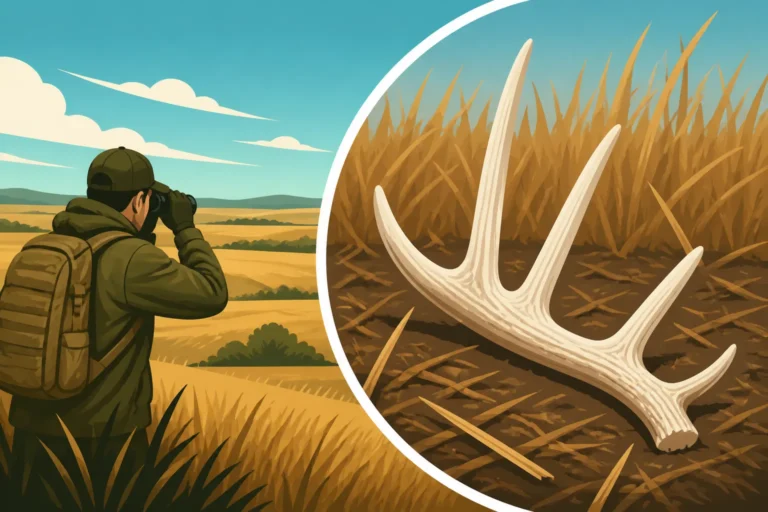
Saskatchewan white-tailed and mule deer drop their antlers from late December through March, with peak shedding in January and February.

Saskatchewan buck antler drop timelines, driven by hormones and harsh winters, help shed hunters know when to search the bush.
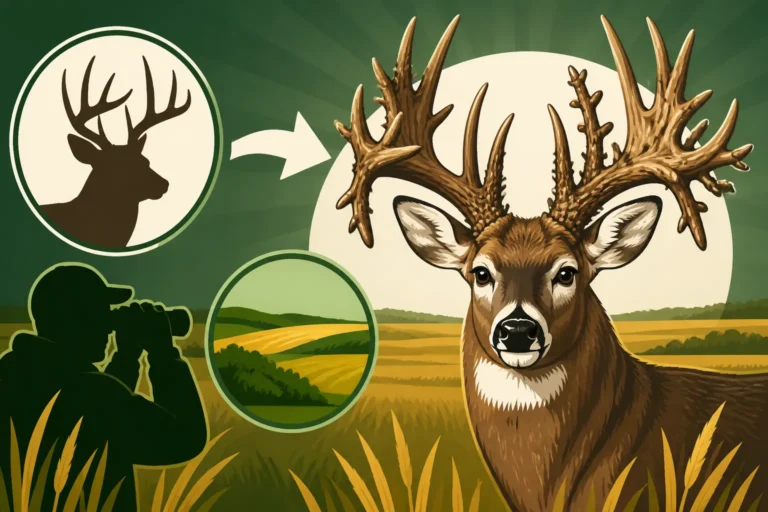
Biological and environmental factors cause Saskatchewan white-tailed deer to grow asymmetrical antlers with extra points and drop tines.
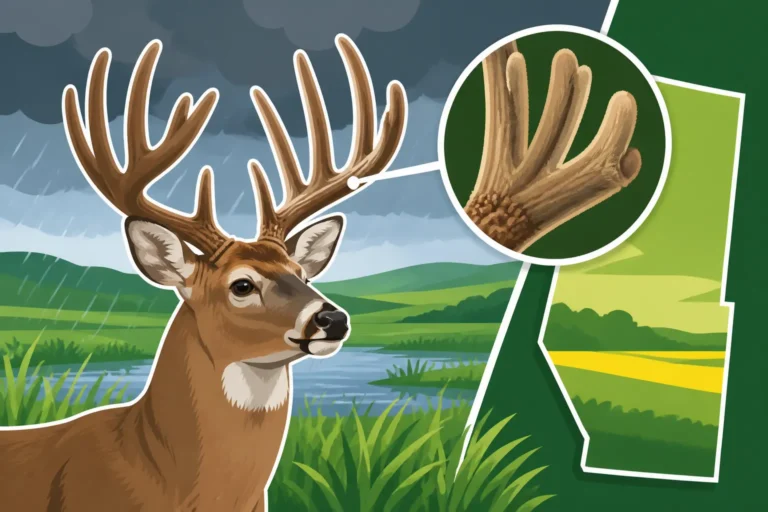
Saskatchewan deer antler growth during wet years depends on protein, mineral availability, energy efficiency, and vegetation.
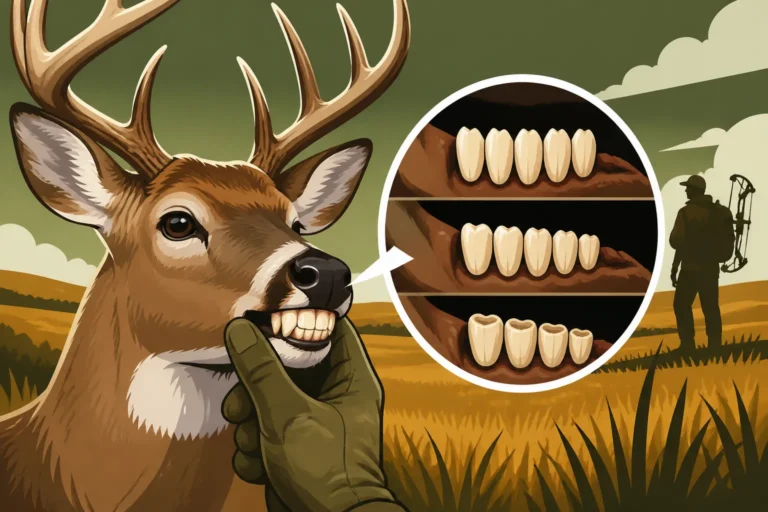
Aging a deer by dental structure explains herd health and helps Saskatchewan hunters make responsible wildlife management decisions.
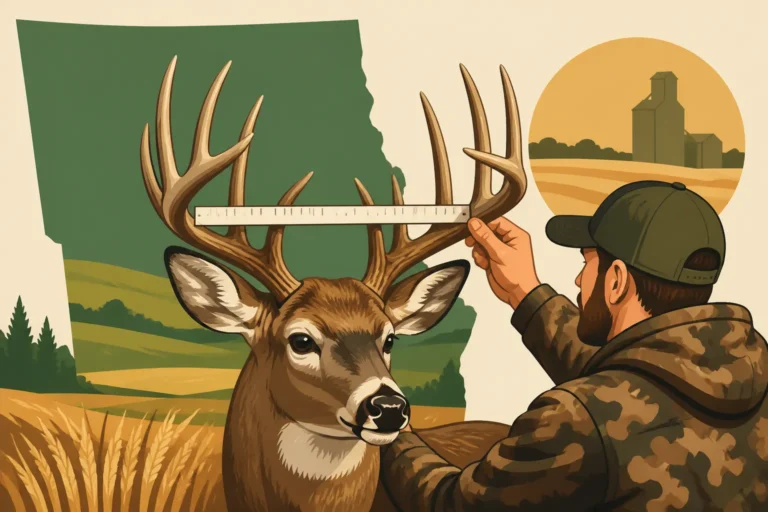
Standardized scoring for typical whitetail racks details main beam length, tine lengths, circumferences, and inside spread.
Saskatchewan whitetails achieve high antler scores through strong genetics combined with rich prairie agriculture and forest fringe nutrition.

Saskatchewan whitetail rankings in Boone and Crockett and Pope and Young records depend on wheat, barley, canola, and deer age structure.