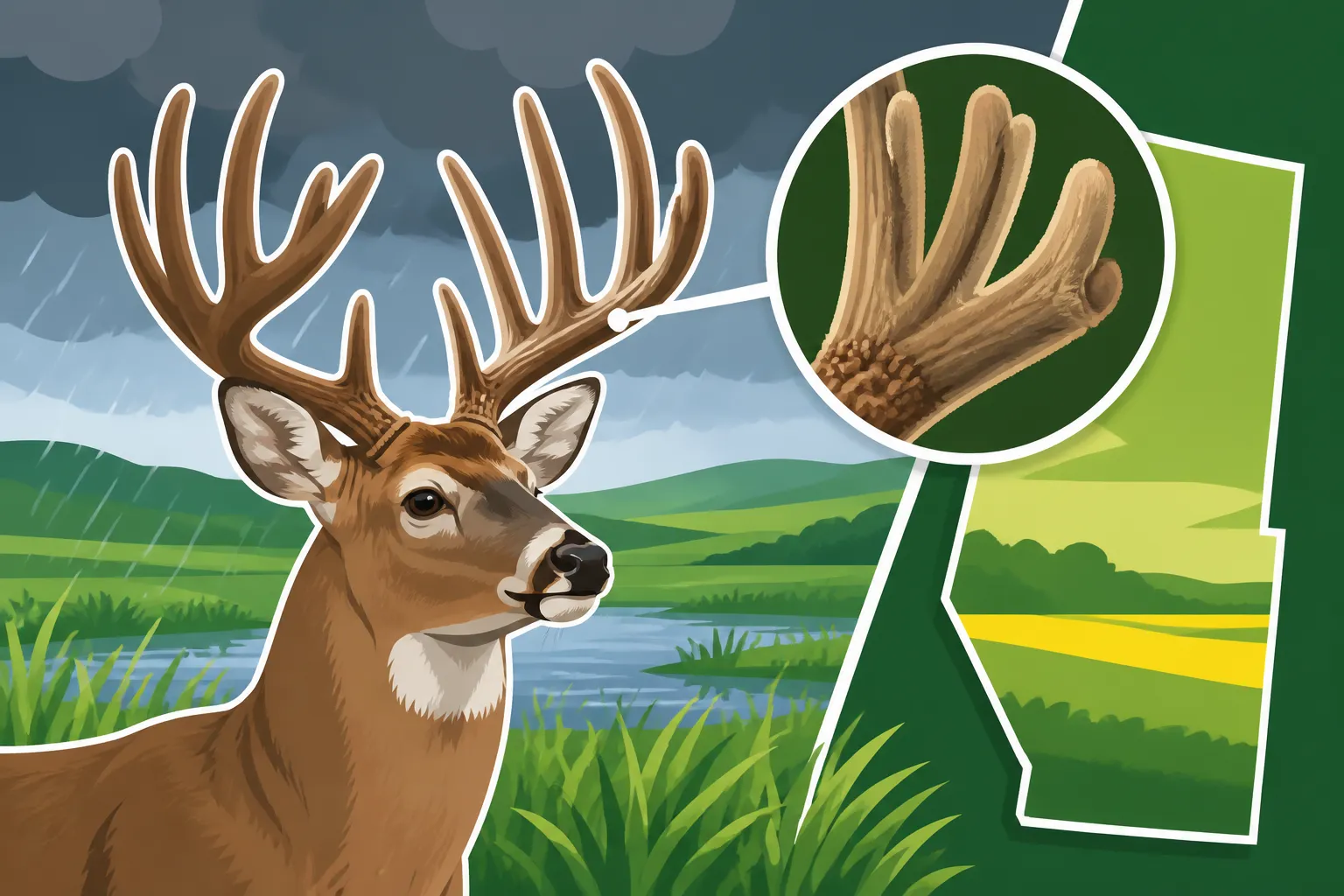
Reading Antler Growth After a Wet Year
You've spent months watching the landscape change, maybe a spring was uncharacteristically wet, or summer saw more rain than usual, and now you're wondering: what does all that moisture mean for the antlers on the bucks you're chasing this fall? It's a question every hunter in Saskatchewan has pondered, because weather deeply impacts everything, from forage growth to animal movement, and ultimately, antler development. This guide will walk you through the fascinating connection between a wet year and the racks on our province's deer, helping you understand what to look for and how to adjust your hunting strategy.
The Science Behind Antler Growth and Deer Nutrition
Antler growth isn't just a random act of nature; it's a complex biological process intricately linked to a buck's overall health and the nutritional resources available in its environment. Think of it like building a house – you need good materials and plenty of energy to get the job done right. A wet year can drastically change the availability and quality of those "building materials" for our Saskatchewan deer.
The Role of Protein and Minerals
For a buck to grow an impressive rack, it first needs to be in excellent physical condition. Its body prioritizes survival and basic functions over antler growth. Once those needs are met, excess energy and nutrients are channeled into growing bone. Protein is the fundamental building block, essential for muscle mass and overall body development, which in turn fuels antler growth. Minerals, especially calcium and phosphorus, are the concrete and steel of the antler structure itself. These elements are primarily derived from the deer's diet.
In a wet year, the abundance of green vegetation can lead to an increase in available protein. However, the concentration of these vital minerals can sometimes be diluted if plant growth is too rapid and doesn't allow for sufficient mineral uptake from the soil. Conversely, if a dry spell preceded the wet year, the sudden flush of green might be exactly what the deer need to recover and allocate resources to their antlers. It's a delicate balance. Bucks browse on a variety of plants, from grasses and forbs to woody shrubs and agricultural crops, all of which contribute different nutritional profiles. Understanding What Whitetails Eat Through a Prairie Winter gives you insight into their year-round nutritional needs.
Energy Demands and Antler Development
Antler growth is one of the fastest forms of bone growth in the animal kingdom, demanding a massive amount of energy from a buck. This energy comes from carbohydrates and fats stored in the deer's body, primarily acquired through its diet. When food is plentiful and easily accessible, a buck doesn't have to expend as much energy foraging, leaving more reserves to dedicate to antler development.
A wet year typically means more lush forage across the landscape. This increased food availability reduces the energy expenditure needed for foraging, allowing bucks to put more of their metabolic energy into growing their antlers. If a buck spends less time moving to find food and water, it's conserving precious calories that can instead be used to add mass and length to its rack. This direct link between energy efficiency and antler size is a crucial factor, and it's why you often see bigger bucks coming from areas with consistent, high-quality nutrition.
How a Wet Year Impacts Saskatchewan's Habitat and Deer
Saskatchewan is a diverse province, ranging from the vast southern prairies to the dense boreal forest. A wet year doesn't impact all these habitats equally, but generally, increased moisture has significant ripple effects on the landscape and, consequently, on the deer population and their antler growth.
Increased Forage Quantity
The most immediate and obvious impact of a wet year is the explosion of vegetation. Fields that might have struggled in a dry spell become lush carpets of green. Native grasslands thrive, forbs (broad-leafed plants) pop up everywhere, and even woody browse in the Hunting Saskatchewan's Aspen Parkland Bluffs and forest fringe areas sees more robust growth. For deer, this means a veritable buffet of food choices spread across their range.
This abundance means bucks have less competition for food, and they don't have to travel as far or expend as much energy to fill their bellies. This might lead to them spending more time in denser cover, venturing out into fields for shorter periods, or utilizing areas they might typically avoid in drier conditions. It creates a more relaxed feeding environment, which is always a boon for growth.
The Double-Edged Sword of Forage Quality
While more quantity sounds universally good, it's a bit of a nuanced situation when it comes to quality. Rapidly growing plants can sometimes have a lower concentration of nutrients per bite compared to plants that grow slower in more moderate conditions. It's like having a huge salad versus a nutrient-dense steak; both fill you up, but one packs a bigger punch nutritionally. If the soil itself is poor, even abundant rain won't magically infuse the plants with top-tier minerals.
However, in Saskatchewan's rich agricultural regions and fertile forest fringe soils, a wet year often means both quantity and quality are excellent. Lush alfalfa, pea, or canola fields, abundant natural forbs, and thriving woody browse provide a steady diet of high-protein, mineral-rich food sources. This sustained nutritional input is exactly what contributes to Why Saskatchewan Bucks Grow So Large and produce those impressive racks. The specific impact depends heavily on the soil type, the plant species present, and the duration and timing of the wet conditions.
Water Sources and Accessibility
In dry years, deer are often forced to concentrate around limited water sources like dugouts, sloughs, or river breaks. This can make them more predictable for hunters, but it also stresses the deer, making them more vulnerable to disease and reducing their overall health and antler potential.
A wet year changes this dynamic entirely. Every low spot might hold water, sloughs are full, and even ephemeral puddles can provide hydration. This means deer don't have to travel far for a drink, further conserving energy. This widespread water availability can make them less predictable, as they aren't tied to specific watering holes. When scouting, you'll want to focus less on finding the only water source and more on tracking movement between bedding and abundant feeding areas. Hunting strategy might shift from a prime water source to a productive Hunting a Slough Edge for Whitetails that also offers good cover and food.
Specific Antler Characteristics After a Wet Year
After a season of generous rainfall, hunters often get excited about the potential for exceptional antler growth. While it's not a guarantee every single year, there are some general trends you can expect to see in Saskatchewan bucks when conditions have been wet and favorable.
What to Expect in Size and Mass
When bucks have consistent access to ample, high-quality forage and water, they are under less stress. Their bodies can dedicate more resources to antler development rather than just maintenance. This usually translates to a few key improvements:
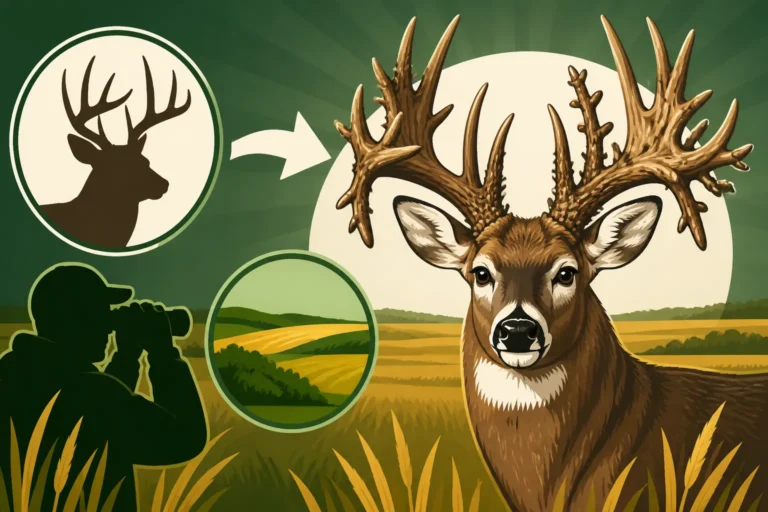
- Increased Mass: This is often the most noticeable difference. Antlers will appear thicker, with a larger circumference, especially at the bases. A buck in prime condition simply has more "material" to work with.
- Longer Tines: Both main beam length and the length of individual tines (G2s, G3s, etc.) tend to be greater. The tips might look sharper and more pronounced.
- More Total Inches: While not always the case, generally, the combination of increased mass and length leads to a higher overall score for the rack.
However, sometimes an abundance of specific nutrients, or conversely, an imbalance, can lead to more non-typical points. These can add character and sometimes boost scores, but aren't always a direct indicator of overall health, though they can suggest a buck is simply doing exceptionally well and has extra resources to allocate to unique growth. You'll want to pay close attention to the general health and body condition of the deer you're seeing; a buck carrying a lot of body mass is often the one putting out a great set of antlers. Consider What a Big Saskatchewan Whitetail Weighs and how that influences its rack.
Geographic Variations Within Saskatchewan
The impact of a wet year isn't uniform across Saskatchewan's diverse landscape. A soaking rain in the agricultural belt south of Regina or Saskatoon will affect deer differently than similar precipitation in the boreal forest north of Prince Albert.
- Southern Prairie: In zones like the Missouri Coteau or the Great Sand Hills, where moisture is often the limiting factor, a wet year can be a game-changer. Grasses and forbs can flourish, turning arid landscapes into lush feedlots. Deer here might show the most dramatic improvement in antler quality, as they are usually more constrained by drought.
- Aspen Parkland: This transition zone, rich in agriculture, bluffs, and sloughs, is already incredibly productive. A wet year here often means even better conditions. Bucks in the Hunting a Poplar Bluff at First Light or along rich farmland edges might grow truly exceptional racks due to the abundance of high-protein crops and natural forage.
- Forest Fringe and Boreal Forest: In the northern reaches, where precipitation is typically higher, a wet year might simply mean denser forest undergrowth and more lush browse. While good, the relative improvement might be less dramatic than in the drier south. However, moose and elk in these areas will also benefit from the increased forage.
No matter the region, a hunter can still benefit from resources like GoHunt which provides detailed mapping and scouting tools that can help pinpoint areas that have responded particularly well to the increased moisture, showing you where the prime forage and cover might be.
Scouting and Observation Tips for a Wet Year
A wet year changes the game, not just for the deer, but for the hunters pursuing them. Your usual scouting strategies might need a tweak to account for the altered landscape and deer behaviour.
Adjusting Your Scouting Strategy
When water and forage are abundant and widespread, deer don't need to move as much or concentrate in predictable areas. This can make them harder to pattern, but also potentially less pressured.
- Focus on Cover and Food: Instead of zeroing in on a single water source, expand your search to larger blocks of cover adjacent to prime feeding areas. Deer might bed down closer to abundant food sources if water isn't a limiting factor. Think about how deer use a Hunting a Field of Standing Corn or a lush pea field after a good rain.
- Wider Ranging: Bucks might expand their home range slightly or use areas they traditionally bypassed in drier years. Don't be afraid to venture into new pockets of cover or less obvious feeding zones. Use satellite imagery, perhaps with a tool like GoHunt, to identify areas that show exceptionally dense green-up, which could indicate prime bedding or feeding. Check Scouting With Satellite Imagery in Saskatchewan for more tips.
- Trail Cameras are Key: With deer movement potentially less concentrated, trail cameras become even more valuable. Place them on rubs, scrapes, and especially trails leading between bedding cover and diverse food plots or agricultural fields. They'll help you pinpoint exactly when and where bucks are moving, rather than relying on fewer, more obvious pinch points.
Reading Sign and Patterns
Even in a wet year, deer leave sign, but you might need to interpret it slightly differently. The signs of a healthy deer population and robust antler growth are often subtle but undeniable.
- Heavier Rub Lines: If bucks are carrying more mass, their rub lines might appear more substantial, with larger trees or thicker shrubs getting worked over. Look for fresh, aggressive rubs as the season progresses, especially in the Hunting the Forest Fringe for Big Bucks.
- Diverse Browsing: Observe where deer are feeding. Are they focusing heavily on one type of plant, or are they utilizing a wide variety of lush forage? A varied diet indicates a rich environment.
- Expanded Bedding: With more cover available and less need to conserve energy by sticking to traditional bedding, deer might bed in areas they wouldn't normally. Look for tracks leading into thicker, less disturbed pockets, especially near fresh food sources. Don't forget to hone your skills in Reading Whitetail Sign in Saskatchewan Bluffs which can be very productive in these conditions.
- Tracks and Trails: Look for distinct, well-worn trails leading between thick cover and feeding areas. If you find larger, heavier tracks, it's a good indication of a mature buck in the area. Pay attention to how deer navigate specific terrain features, especially on public land where pressure might be higher on opening weekend. Don't forget to bring your Reading a Saskatchewan WMZ Map Before You Go and mark down any fresh sign.
Patience and Persistence
While a wet year often leads to better antlers, it can sometimes make the hunting itself more challenging. When food and water are everywhere, deer don't have to follow predictable patterns. They can be more spread out, and less concentrated around specific features that hunters often rely on.
This is where patience truly pays off. Don't get discouraged if early season scouting doesn't reveal the same concentrated activity you're used to. Bucks are still out there, and they're likely in fantastic shape. Your job is to adapt your approach, cover more ground (or strategically place more cameras), and be persistent. The payoff, in the form of a heavy-horned Saskatchewan buck, can be well worth the effort.
Stay observant, trust your scouting, and enjoy the fruits of a well-watered Saskatchewan landscape. The deer are thriving, and with a bit of adaptability, you can too.
Disclaimer
This article is for general informational purposes only and does not constitute professional advice. Laws, prices and regulations vary by location and change over time. Consult a qualified professional for guidance on your specific situation.