What Counts for a Saskatchewan Trophy Record
Saskatchewan big game trophy records, typical and non typical scoring metrics, and Boone and Crockett Club standards explained.
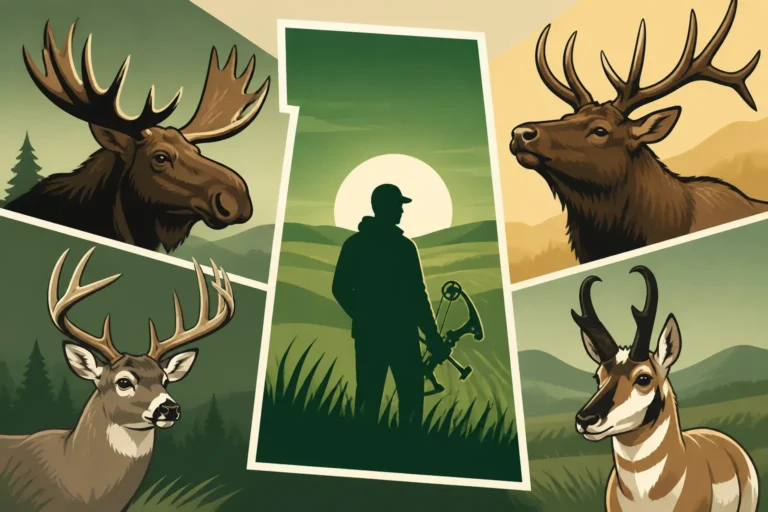
Saskatchewan big game trophy records, typical and non typical scoring metrics, and Boone and Crockett Club standards explained.
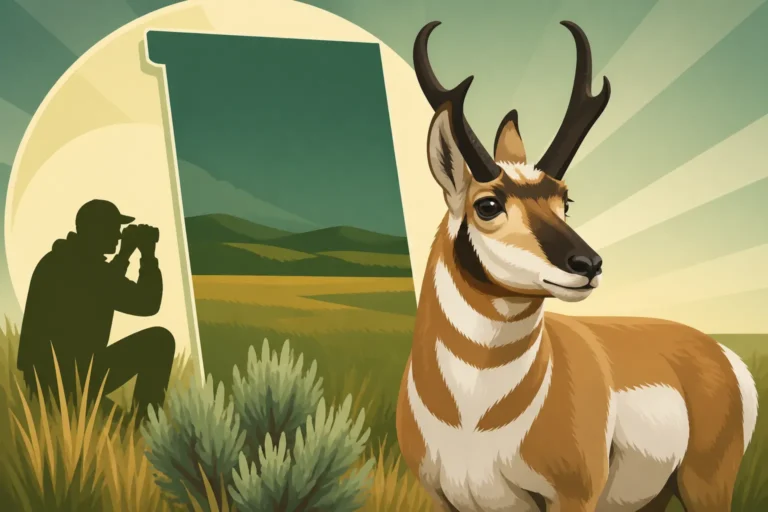
Saskatchewan pronghorn scoring standards and trophy measurements explain how Boone and Crockett evaluate record bucks using horn length and mass.
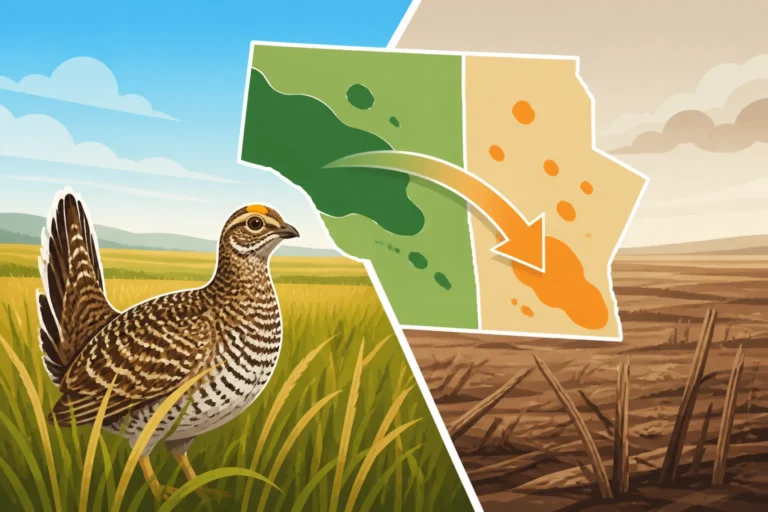
Grassland loss in Saskatchewan altered sharp-tailed grouse range and abundance, impacting birds and hunters across the prairie.
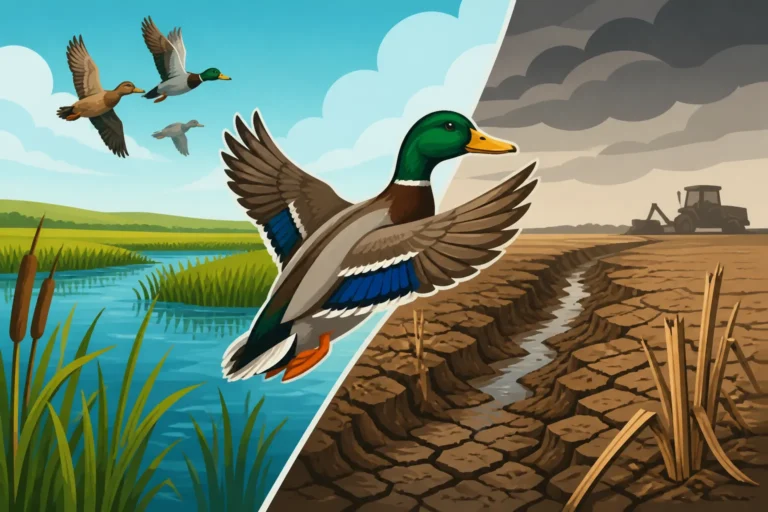
Wetland drainage in Saskatchewan removes vital nesting grounds and protein-rich food sources, severely impacting regional duck populations.
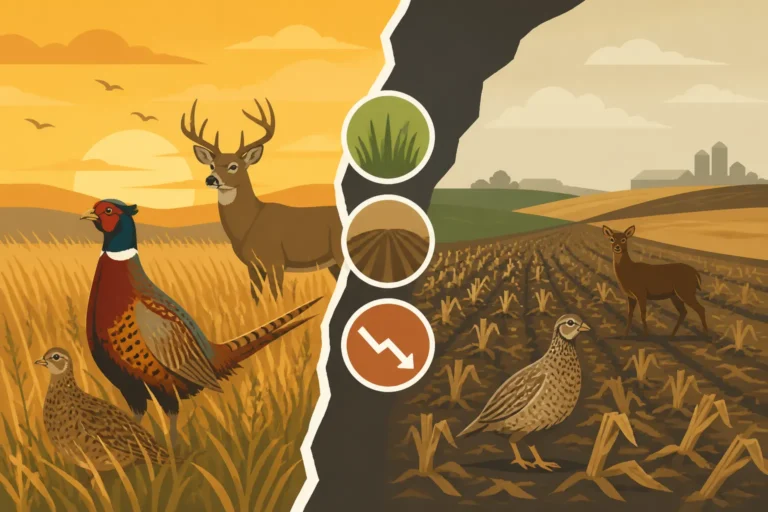
Intensive cropland development in Saskatchewan has dramatically reshaped wild prairie game populations and their natural habitats.
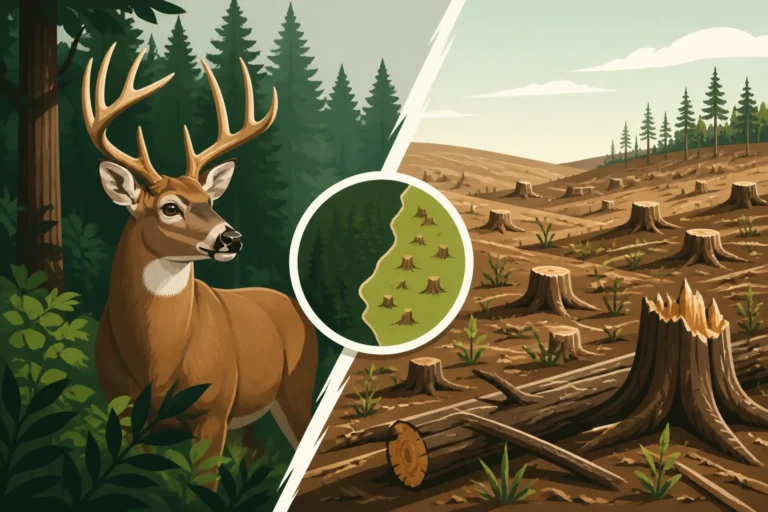
Saskatchewan logging cutblocks displace deer initially, but regenerating vegetation creates new food sources and highly productive habitats.
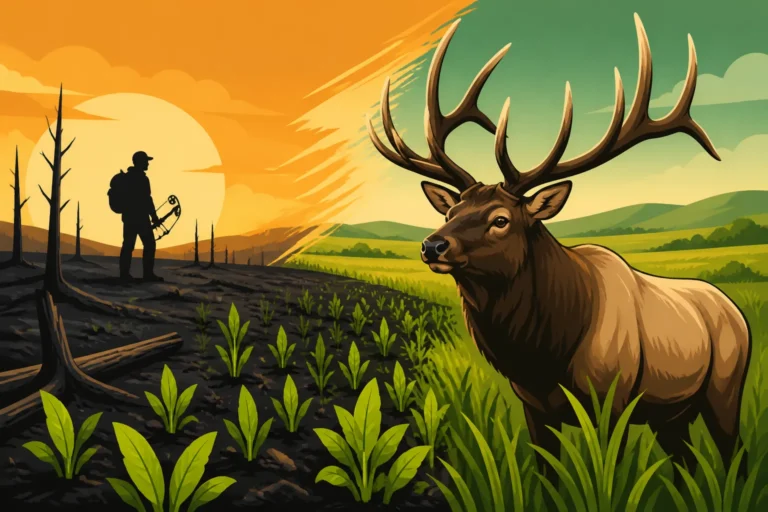
Saskatchewan wildfires clear forest canopies and enrich soil nutrients, explaining why post-fire zones produce giant bull elk.
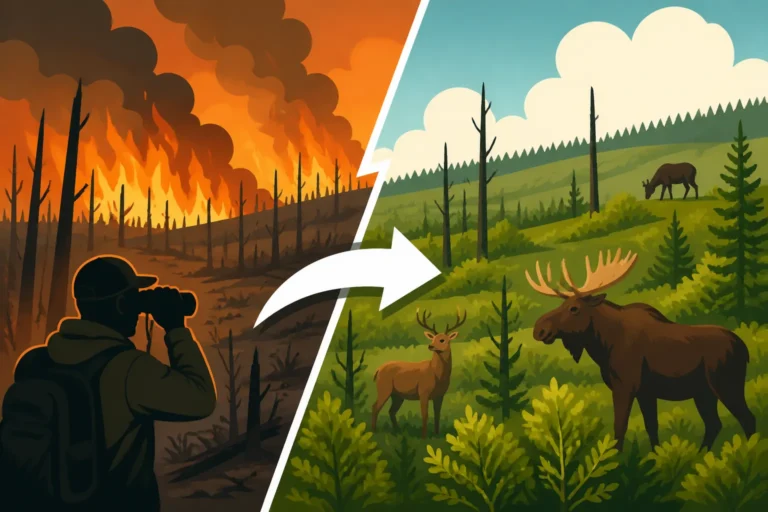
Wildfire alters northern Saskatchewan game ranges, reshaping vegetation, water sources, and animal movement for hunters.
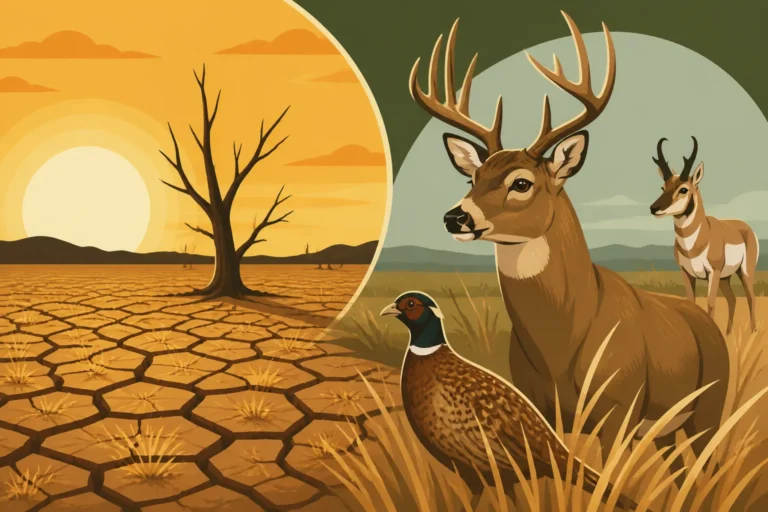
Drought impacts Saskatchewan game by reducing water and forage, weakening animals, and increasing their vulnerability to predators.
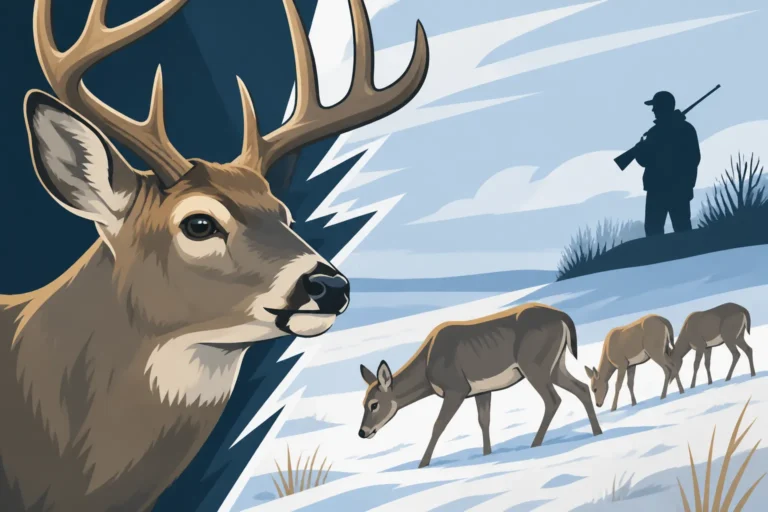
Saskatchewan winter culls explain how extreme cold, starvation, and predators impact game animal populations and future hunting opportunities.