When Saskatchewan Bucks Drop Their Antlers
One of the most anticipated times for many deer enthusiasts, even after the hunting season wraps up, is the arrival of shed season. There's nothing quite like finding a dropped antler, a silent testament to a buck's journey through another year. But figuring out "when Saskatchewan bucks drop their antlers" can feel like chasing a ghost, with so much variation from year to year and even from buck to buck. This guide is going to break down the ins and outs of antler drop in our beautiful province, from the biological triggers to the environmental factors, helping you understand when to hit the bush looking for those precious bone treasures.
The Science Behind Antler Drop in Saskatchewan Bucks
It’s easy to think of antlers as just hard bone, but their growth and eventual shedding are a complex dance of hormones and environmental cues. Understanding this process helps us predict when to expect those coveted sheds on the forest floor.
Hormonal Shifts and Photoperiod
At the heart of antler growth and shedding is a buck’s hormonal cycle, heavily influenced by the photoperiod – the amount of daylight in a 24-hour cycle. As the days grow shorter in late summer and into fall, the buck's body produces more testosterone. This surge in testosterone hardens the antlers, leading to the stripping of velvet and preparing the buck for the breeding season, or rut. When Saskatchewan's Whitetail Rut Peaks is a time when testosterone is at its absolute peak, fueling aggression and breeding drives.
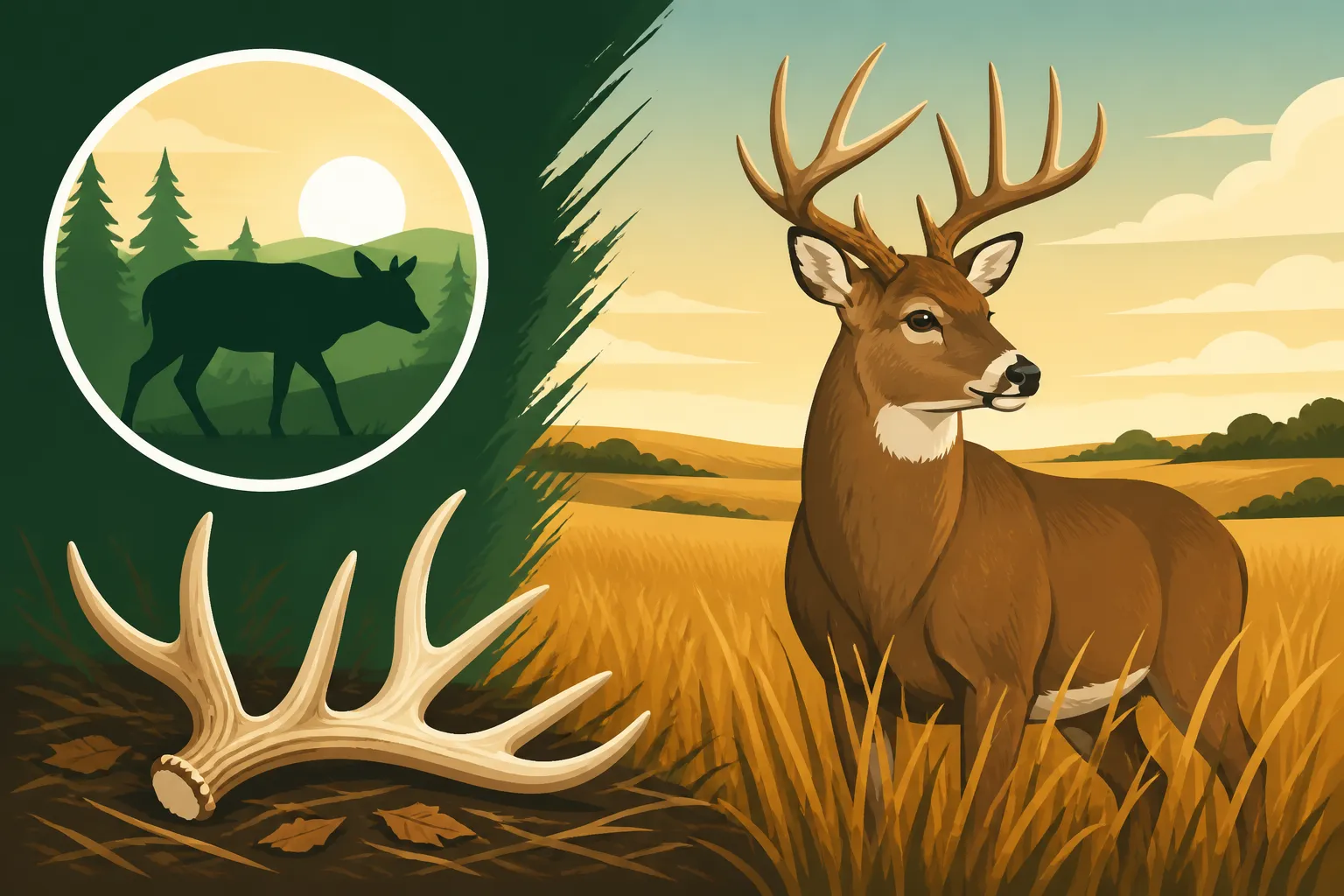
After the rut, as daylight continues to diminish and breeding activity winds down, testosterone levels in the buck's body begin to plummet. This decrease is the primary trigger for antler drop. The connection between the antler and the pedicle (the bony base on the skull) weakens as a specialized layer of cells, called the abscission layer, forms. Essentially, the body decides it's time to let go, much like a tree shedding its leaves in autumn. This natural biological clock, primarily governed by light, sets the general timeframe for shedding across the deer population.
Environmental Factors and Stress
While hormones are the main drivers, environmental factors can certainly influence the exact timing of antler drop. Think of it as a finely tuned machine that can be nudged one way or another by external forces. A particularly harsh winter, for instance, can stress deer, causing them to expend more energy simply staying alive. This increased physiological stress can sometimes lead to an earlier drop. What a Hard Saskatchewan Winter Culls illustrates how demanding our winters can be on wildlife.
Nutrition also plays a huge role. Bucks that went into the rut in prime physical condition and found ample forage post-rut tend to hold their antlers longer. Conversely, bucks that were stressed during the rut, perhaps due to injury, heavy breeding activity, or poor food sources, might shed earlier. It's a matter of the body prioritizing survival. If resources are scarce, maintaining calcium-rich antlers becomes less important than conserving energy for basic metabolic functions. Similarly, a serious injury can cause a buck to drop an antler prematurely, sometimes even just one side, as the body redirects resources to healing. All these elements create a fascinating variability in what might seem like a straightforward biological process.
Typical Antler Drop Timeline in Saskatchewan
While every buck is an individual, and every year is a little different, we can certainly identify general periods for antler drop across Saskatchewan's whitetail and mule deer populations. Understanding this timeline is key for anyone hoping to hit the woods at the right moment.
Early Droppers: December and January
For some bucks, especially those that are older, have been through a very demanding rut, or are simply not in peak physical condition after the breeding season, the antlers can start to fall surprisingly early. We often see the first few sheds appearing in late December, and by mid-January, it’s not uncommon to find a decent number of dropped antlers, particularly in areas with good deer numbers. These early droppers are often the mature bucks that put everything they had into the rut, exhausting their reserves. It's their body's way of saying "enough is enough, time to recover."
If you're an eager shed hunter, looking at areas where deer congregated during the rut, or where they seek early winter browse, can sometimes yield these early finds. Think about those sheltered pockets or south-facing slopes where they might catch the sun and conserve energy. Keep an eye out for fresh deer sign, even after hunting season closes. This early period is often a game of chance, but the reward of an early shed is certainly a thrill.
Peak Drop: February into March
The absolute peak of antler drop in Saskatchewan usually occurs from mid-February through much of March. This is when the vast majority of bucks will be shedding their headgear. As the days slowly begin to lengthen again, signaling the approach of spring, and winter's grip often tightens one last time, many bucks reach that critical point where testosterone levels have sufficiently diminished. This is the sweet spot for shed hunters – the time when the greatest number of antlers are hitting the ground.
During this period, deer are often concentrated in wintering areas, trying to survive the coldest, deepest snow periods of the year. South-facing slopes, dense willow bluffs, and fields of standing crop become crucial havens. This concentration can make shed hunting more productive. Places where deer browse, bed, and travel regularly will be the most promising spots. If you're using a tool like GoHunt to analyze land features or even Scouting With Satellite Imagery in Saskatchewan, you'll be looking for these winter concentration areas.
Late Droppers: March and Beyond
While most bucks will have shed by the end of March, there are always those stubborn few that hold onto their antlers well into April, and occasionally, even into May. These late droppers are often younger bucks who didn't participate as heavily in the rut, or bucks that went into winter in exceptional physical condition and experienced very little stress. Their bodies just take a little longer to signal the "off" switch for antler retention.
Finding these late sheds can be more challenging as new spring growth begins to emerge, making antlers harder to spot. However, these late finds are often big, heavy sheds, as these bucks were typically in prime health to hold onto them so long. It’s also important to remember that mule deer tend to hold their antlers a bit longer than whitetails, often shedding more consistently into late March and early April. So, if you're specifically targeting mule deer sheds, don't give up too early.
Factors Influencing Saskatchewan's Shed Season
Understanding the typical timeline is a great start, but to really dial in your shed hunting efforts or just better appreciate the annual cycle, it helps to know what influences the drop. It's not just a calendar date; it's a dynamic process.
Nutrition and Health
The overall health and nutritional status of a buck are paramount in determining when its antlers will drop. A buck that had access to high-quality forage throughout the summer and fall, enabling it to build up good fat reserves, is more likely to hold its antlers longer. These bucks are often physically stronger and can better withstand the rigors of the rut and the onset of winter. Think about a buck that has been feeding heavily on a Hunting a Field of Standing Corn or a pea field. They're going into winter in good shape.
Conversely, a buck that entered the rut in poor condition, or one that had to work exceptionally hard during the breeding season and then faced a brutal winter with scarce food, will likely shed earlier. Its body simply can't afford the energy expenditure required to maintain those antlers. Energy needs to be redirected to vital functions like staying warm and finding sustenance. This is why we often see variations in shed timing even within the same geographic area – it’s a reflection of individual buck health. What Whitetails Eat Through a Prairie Winter also plays a role in how long they can sustain themselves.
Age and Genetics
Age is another significant factor. Generally, older, more mature bucks tend to shed earlier than younger bucks. The reason for this is often tied back to the rut. Older bucks typically participate more actively and intensely in breeding, depleting more of their energy reserves. This higher level of exertion and the subsequent physiological stress often lead to an earlier drop. They've done their job, and their body needs to recover sooner.
Genetics also play a subtle but important role. Just as some bucks naturally grow larger antlers, some might be genetically predisposed to hold them longer or shed earlier. While it’s not as pronounced as the hormonal and environmental factors, it contributes to the overall variability we observe in the deer population. This is part of the fascinating complexity of Why Saskatchewan Bucks Grow So Large, as both genetics and environment combine to produce impressive antlers.
Winter Severity and Snowpack
Saskatchewan winters are legendary, and their severity can have a profound impact on antler drop. A particularly cold winter, especially one with deep, persistent snowpack, can accelerate antler drop. Deer have to work harder to move through deep snow and find food, burning more calories and increasing stress levels. This heightened stress can cause testosterone levels to fall more quickly, prompting an earlier shed. Hunting Saskatchewan Winter Weather Safely emphasizes the challenges presented by our climate.
Conversely, a mild winter with minimal snow and readily available forage might see bucks holding their antlers longer. Less stress means the body isn't in such a hurry to shed. These milder conditions allow deer to maintain better body condition, delaying the hormonal shift that triggers the drop. The impact of snow is also evident in how deer move and concentrate. After a fresh snowfall, you might see them consolidating in more sheltered areas, which can be great for shed hunting later. Reading Sign After Fresh Saskatchewan Snow can give you clues about these winter hangouts.
What This Means for Hunters and Shed Hunters
Understanding when antlers drop isn't just a fun fact; it has practical implications for both active hunters looking ahead to next season and dedicated shed hunters hoping to add to their collection.
Post-Season Scouting Insights
Even though hunting season is over, the antler drop period offers a fantastic opportunity for post-season scouting. When you find a shed, you’re not just finding bone; you’re finding evidence of where a buck has been. This tells you about wintering habitat, travel corridors, and potential food sources that deer are utilizing when they're under pressure and focused on survival. It can give you invaluable intel for next season.
Using your shed hunting trips to identify these areas can directly inform your stand placement or scouting strategy for the following fall. For example, if you consistently find sheds in a particular willow run between two fields, you know that area is a crucial crossing point or bedding area for deer during the toughest part of the year. This intel is gold. Many serious hunters use applications like GoHunt to mark these locations, noting the date, size of the shed, and any other relevant observations. Over several years, this data can paint a powerful picture of deer movement and habitat preferences on your hunting grounds, helping you understand patterns. Remember, deer are creatures of habit, and their wintering areas often dictate their travel patterns through the rest of the year. Reading Whitetail Sign in Saskatchewan Bluffs can teach you how to interpret more than just sheds.
Ethical Considerations for Shed Hunting
While the thrill of finding a shed is undeniable, it's crucial to approach shed hunting with ethics and respect for the animals. Our Saskatchewan winters are tough, and deer are often at their most vulnerable during the antler drop period. Chasing deer, pushing them out of their winter cover, or repeatedly disturbing their bedding areas can cause undue stress, leading to a waste of vital energy that they need for survival.
Always prioritize the well-being of the deer. If you encounter deer while shed hunting, give them a wide berth. Observe from a distance and avoid pushing them across open fields or out of sheltered areas. If you find yourself repeatedly disturbing deer in a particular area, it's best to move on and revisit that spot another day, or even wait until spring green-up when the deer are less stressed. Responsible shed hunting ensures that the deer herd remains healthy and strong for future seasons. It’s about being a good steward of the land and its wildlife. Where to Look for Sheds in Saskatchewan discusses good spots, but remember to be ethical in your approach.
Here's a quick overview of the antler drop timeline:
| Time Period | Whitetail Bucks | Mule Deer Bucks | Key Influences | Shed Hunter Strategy |
|---|---|---|---|---|
| Late December/Early January | First few older, highly stressed bucks. | Occasional early droppers. | Intense rut, poor post-rut condition, early winter stress. | Low odds, check high-stress rut areas and early winter food sources. |
| Mid-January | More consistent dropping, especially mature deer. | Beginning to see isolated sheds. | Sustained cold, moderate snow, declining testosterone. | Focus on primary wintering areas, south slopes, heavy cover. |
| February (Peak) | Most whitetail bucks shed during this month. | Increasing numbers of sheds, nearing peak. | Deep cold, heavy snow, lowest testosterone levels. | Best month for whitetail sheds. Concentrate efforts on winter beds and feeding trails. |
| March (Peak) | Last of the whitetails, but main mule deer peak. | Most mule deer bucks shed during this month. | Lengthening days, but still often harsh conditions. | Excellent for mule deer sheds. Whitetail stragglers still possible. Check open prairie coulees. |
| April/May (Late) | Very few stragglers, often younger healthy bucks. | A few healthy, younger mule deer still holding. | Mild conditions, abundant forage, very low stress. | Much harder to find with new growth, but rewards can be large antlers. |
Disclaimer
This article is for general informational purposes only and does not constitute professional advice. Laws, prices and regulations vary by location and change over time. Consult a qualified professional for guidance on your specific situation.