Where Saskatchewan Whitetails Bed in Snow
Saskatchewan whitetail deer winter bedding areas in deep snow, thermal cover, evergreens, and nearby food sources like willow and corn.
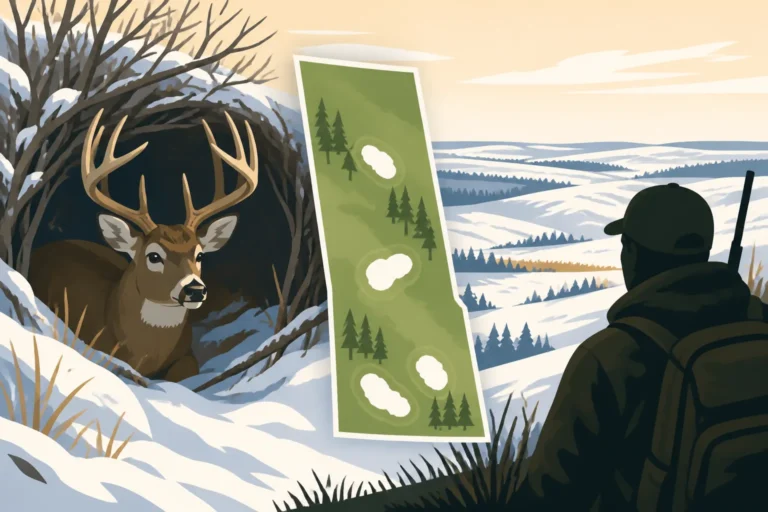
Saskatchewan whitetail deer winter bedding areas in deep snow, thermal cover, evergreens, and nearby food sources like willow and corn.
Saskatchewan Crown land whitetail hunting strategies explain how to find public parcels, decode lease rules, and scout deer habitats.
Whitetail deer movement patterns in Saskatchewan swathed grain fields help hunters intercept elusive animals during the last light of dusk.
Saskatchewan canola field edges offer trophy buck sanctuary, presenting deer hunters with unique visibility and shot placement challenges.
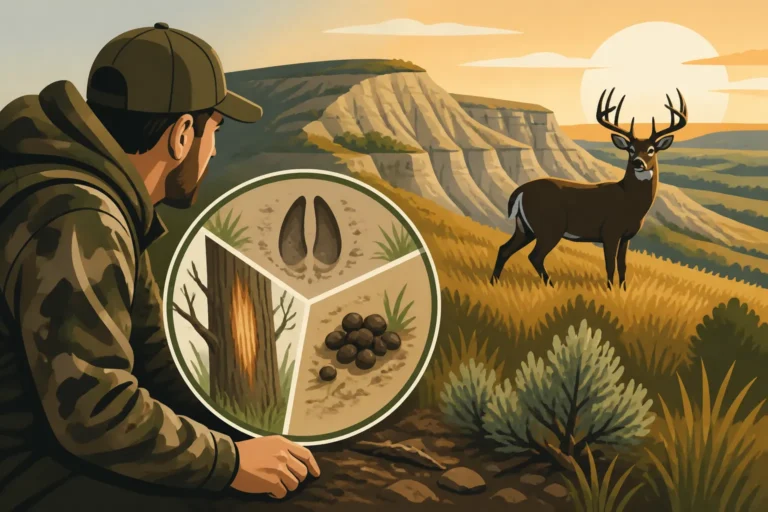
Whitetail sign in Saskatchewan bluffs explained, showing how deer use aspen and poplar cover through changing seasonal needs.
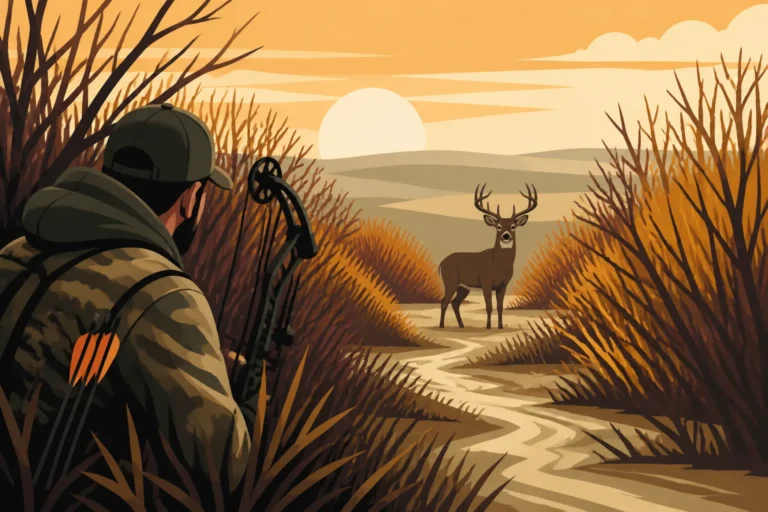
Saskatchewan willow runs provide whitetails with thermal cover and security, acting as travel corridors and natural funnels for hunters.
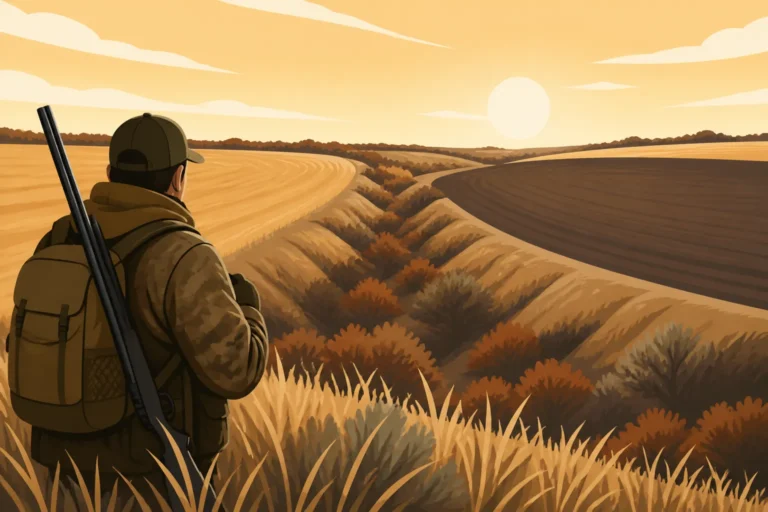
Small tree bluffs sitting between open fields in Saskatchewan serve as crucial hideouts, bedding areas, and travel corridors for deer.
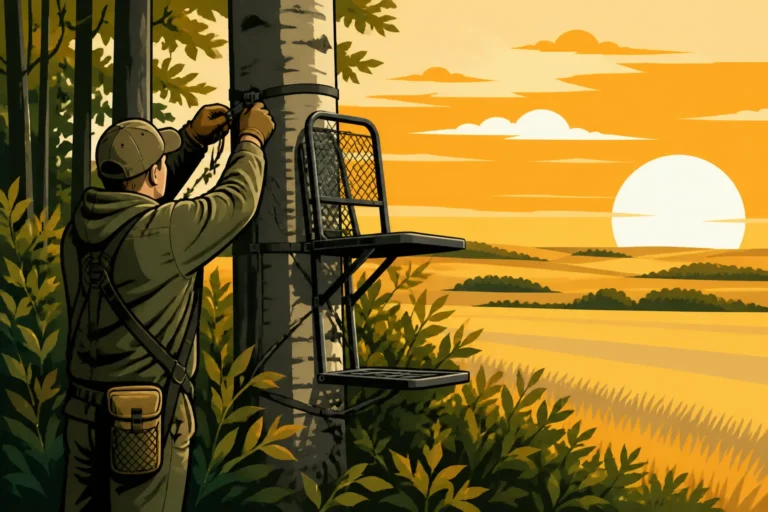
Saskatchewan bush edge treestand placement methods explain how to safely hang deer hunting stands near agricultural fields.
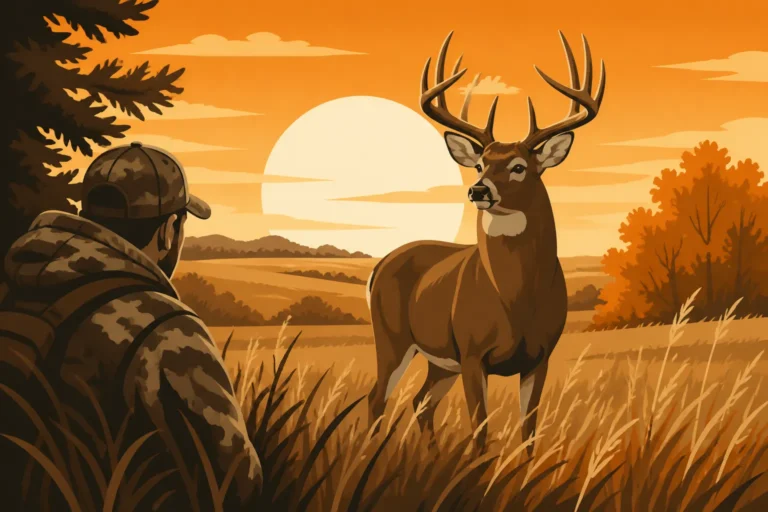
Saskatchewan whitetail deer hunting strategies during the November rut explain buck behavior shifts and peak activity windows.
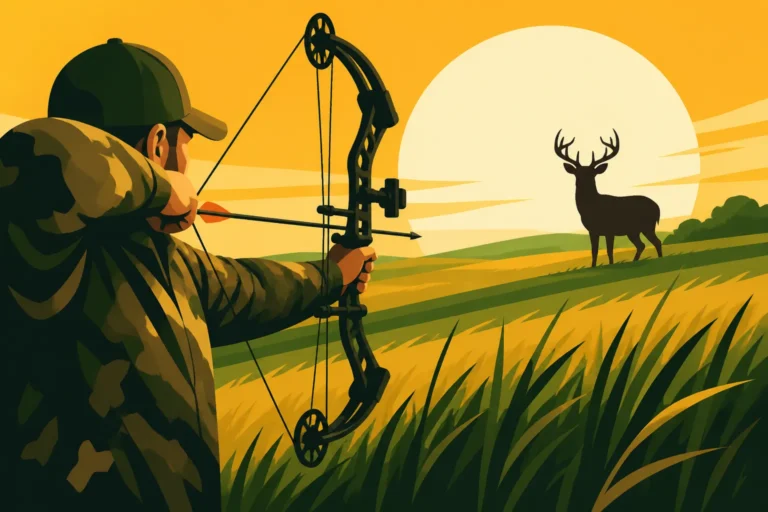
Saskatchewan archery season officially opens on September first for whitetail and mule deer across most wildlife management zones.