Hunting Mule Deer After a Snowfall
Mule deer behavior after snowfall in Saskatchewan, including predictable feeding patterns, bedding habits, and track interpretation.
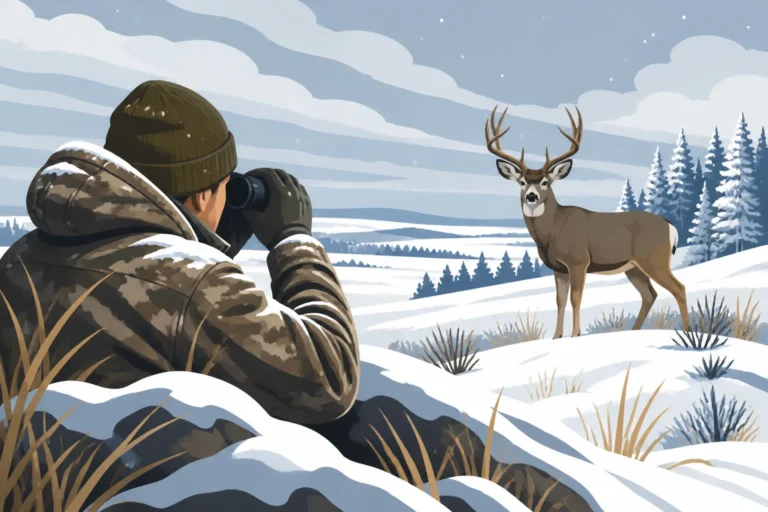
Mule deer behavior after snowfall in Saskatchewan, including predictable feeding patterns, bedding habits, and track interpretation.
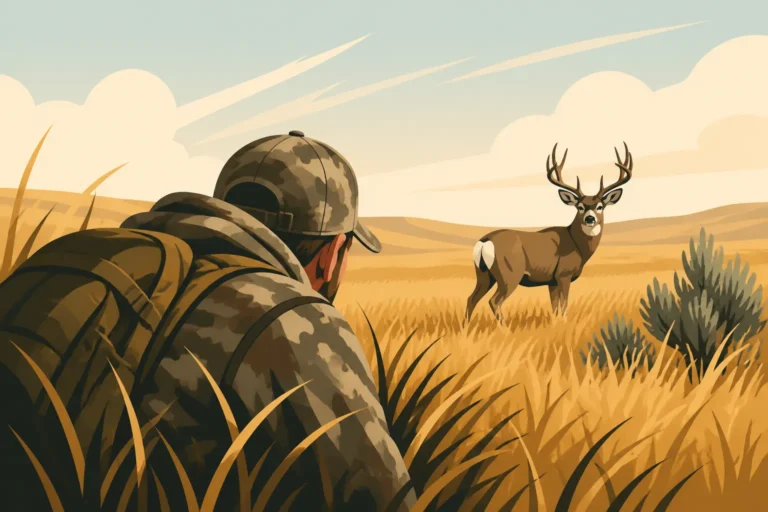
Prairie mule deer hunting strategies include using coulees, spotting with optics, and stalking across Saskatchewan open terrain.
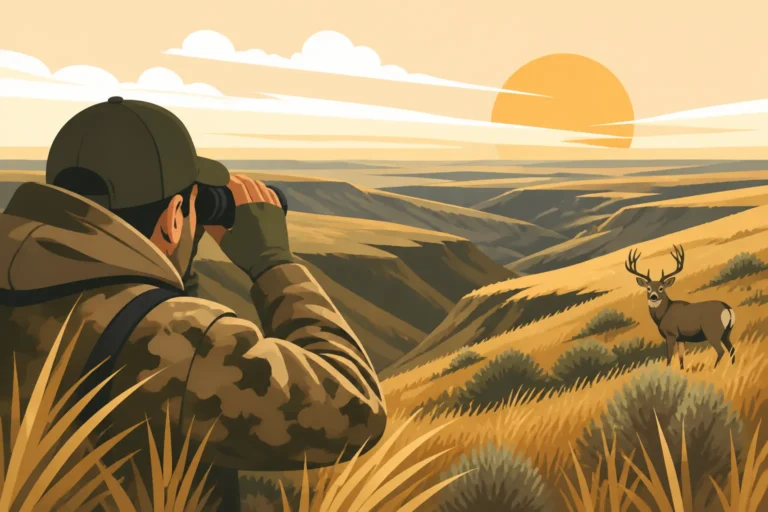
Saskatchewan coulee topography and mule deer behavior patterns help hunters systematically locate wildlife in vast prairie terrain.
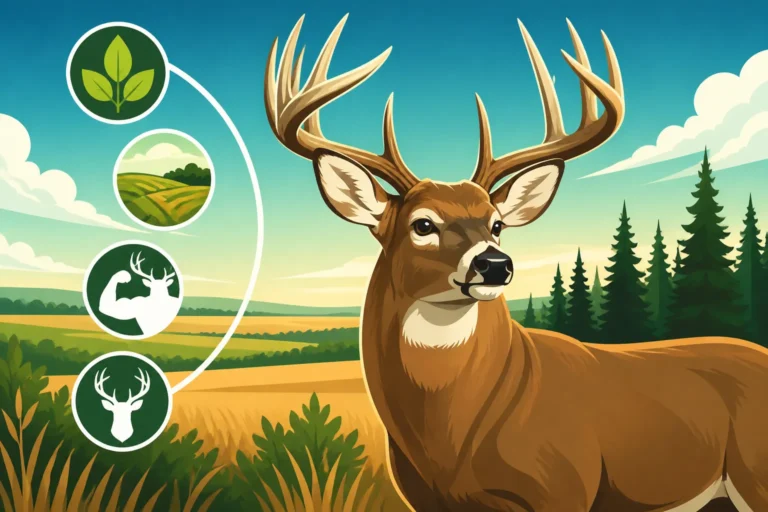
Saskatchewan whitetail deer grow massive bodies and huge antlers due to robust genetics, superior nutrition, and prime habitat.
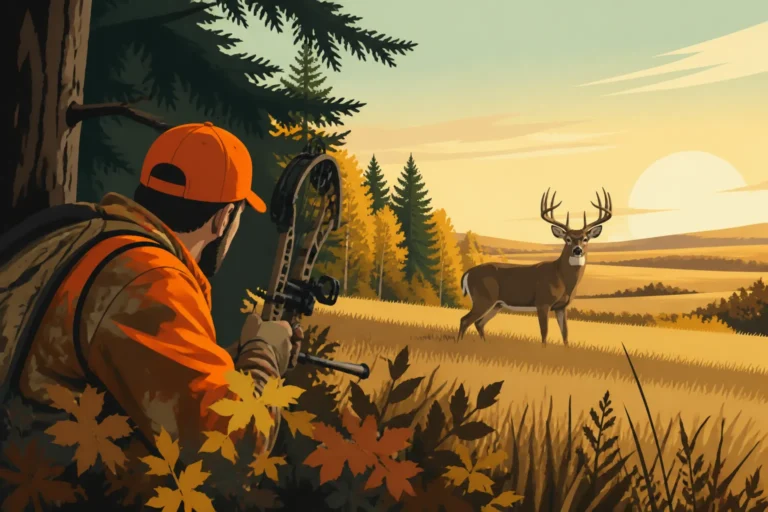
Saskatchewan forest fringe habitats combine agricultural crops and dense cover, providing food and safety for mature whitetail bucks.
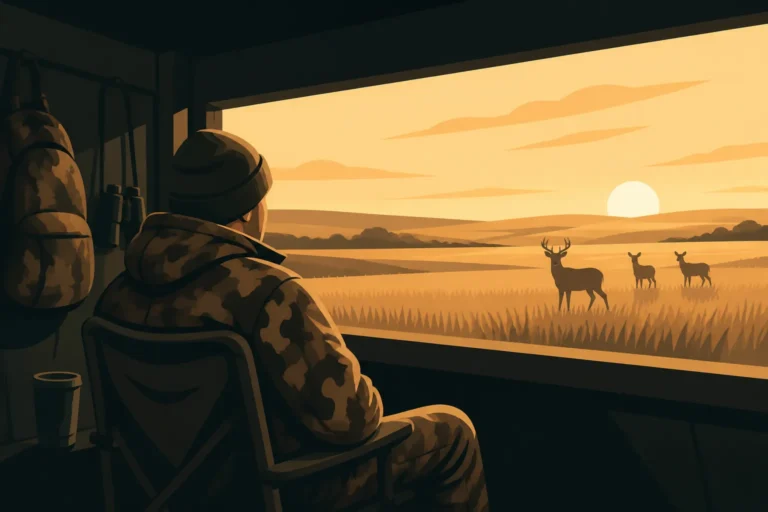
Saskatchewan deer hunters use all day blind sits to tag trophy game during midday movement windows, rut periods, and heavy snowfalls.
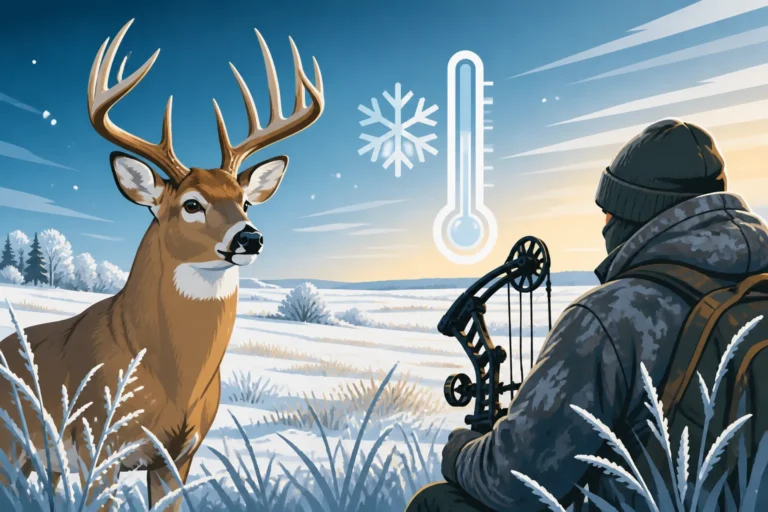
Saskatchewan winter whitetail hunting at minus thirty degrees explains deer behavior, safety risks, and effective gear strategies.
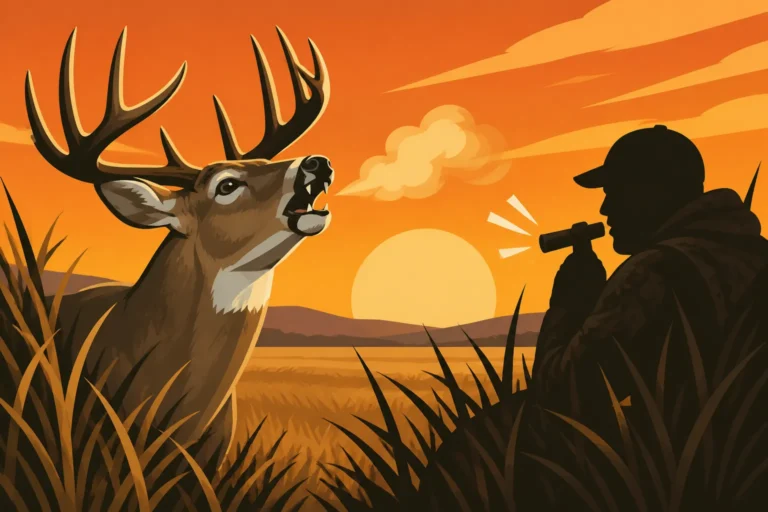
Late-season grunt calls in Saskatchewan help hunters attract exhausted bucks during the secondary whitetail breeding period.
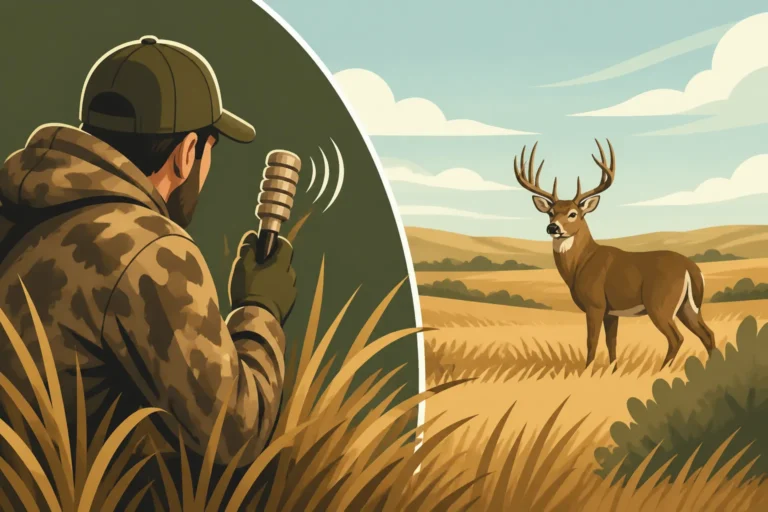
Adjusting rattling volume and technique helps whitetail hunters draw in elusive bucks across open Saskatchewan parkland environments.
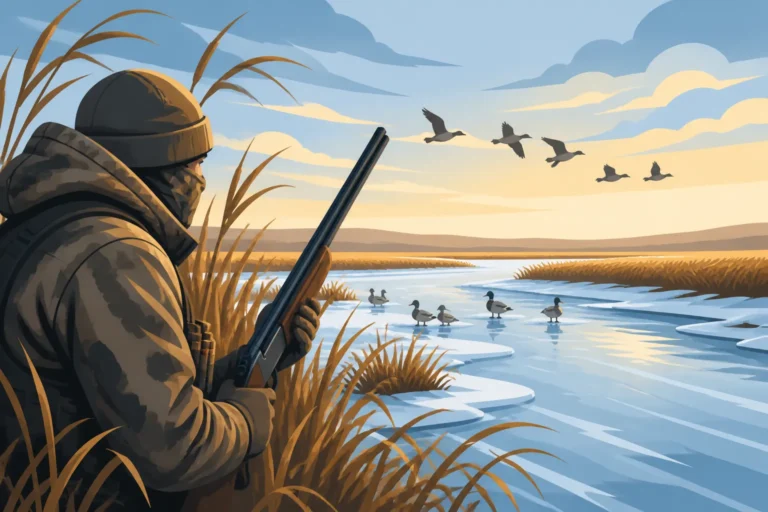
Saskatchewan frozen slough crossings serve as wildlife travel corridors, offering hunters strategic spots to track deer and moose.