Elk Damage on Saskatchewan Grain Farms
Elk damage on Saskatchewan grain farms causes significant economic losses when expanding herds consume and trample crops.
Know what you’re after.
Big game, small game, upland birds, and waterfowl — identification, behavior, rut and migration timing, and how each species moves through the season.
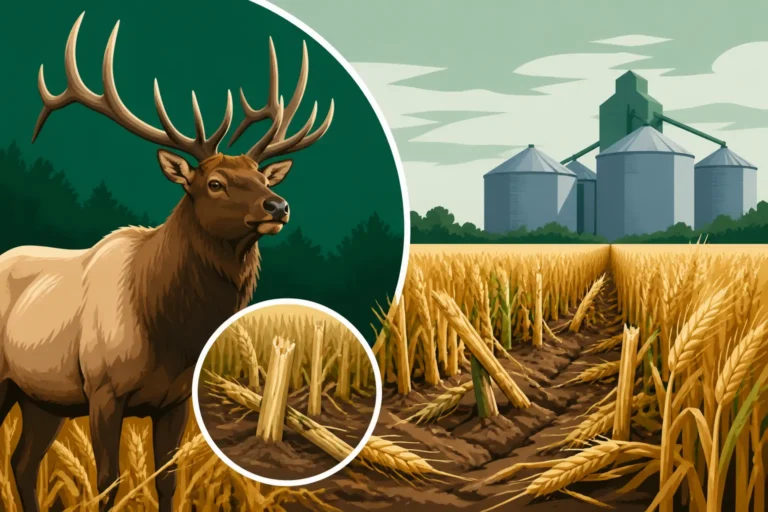
Elk damage on Saskatchewan grain farms causes significant economic losses when expanding herds consume and trample crops.
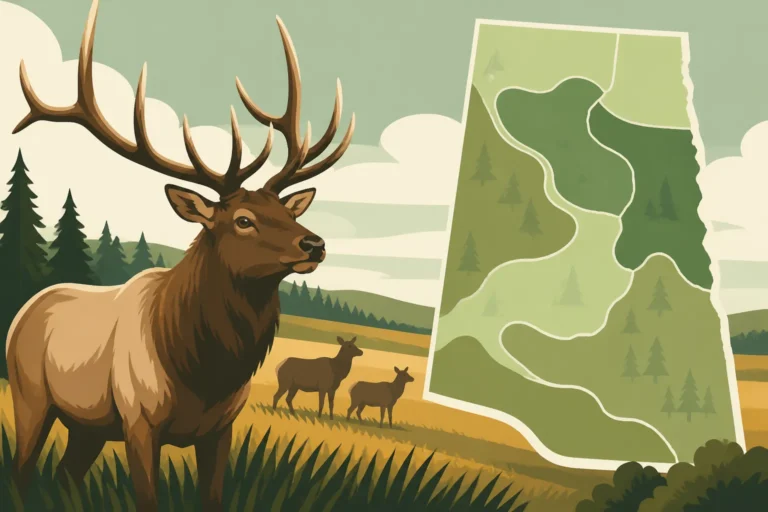
Saskatchewan elk populations, historical declines, and modern recovery trends are explained with insights into their growing provincial range.
Agricultural expansion, habitat fragmentation, and abundant food sources explain why moose migrated into Saskatchewan farmland areas.
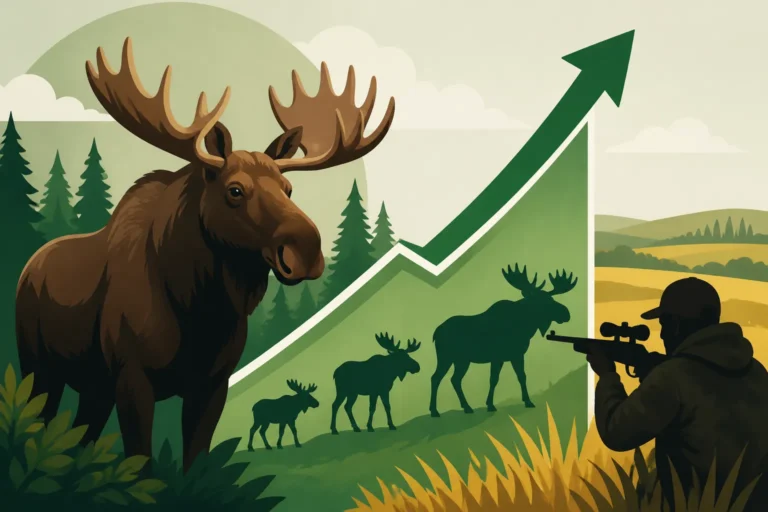
Saskatchewan moose population trends, historical context, and habitat factors across boreal forests, agricultural lands, and aspen parklands.
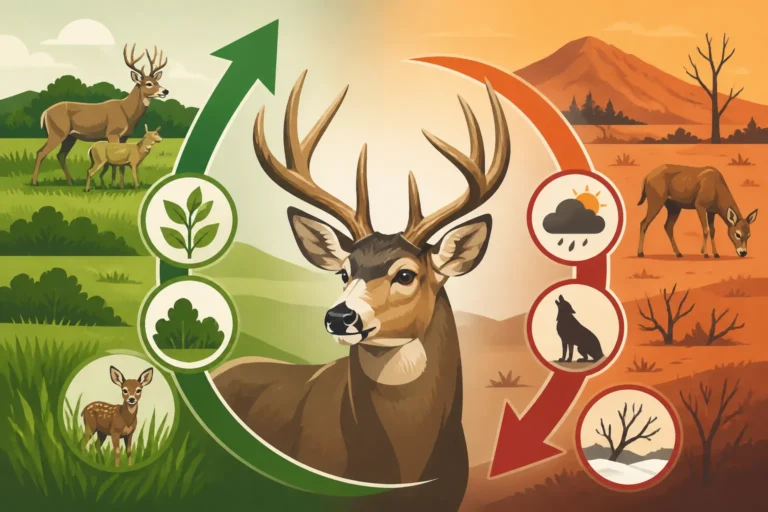
Saskatchewan mule deer populations fluctuate due to natural reproduction cycles, severe winters, and historical range expansion across prairie badlands.
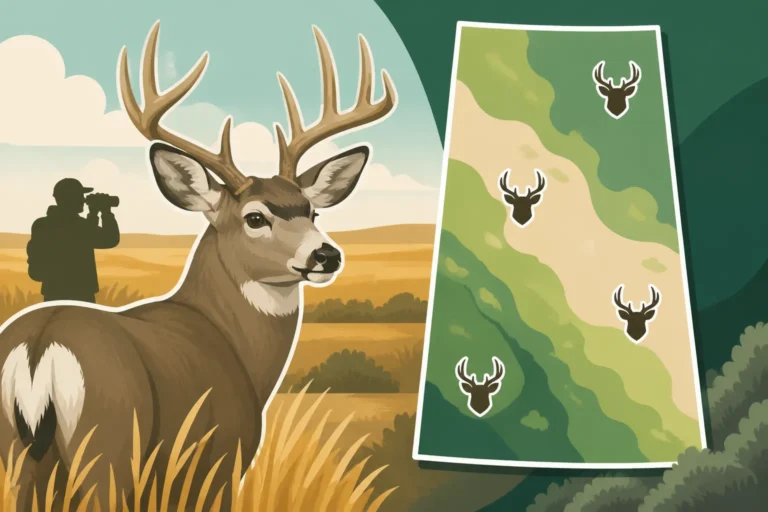
Saskatchewan mule deer habitat preferences include prairie coulees, grasslands, rolling hills, and the Cypress Hills region.
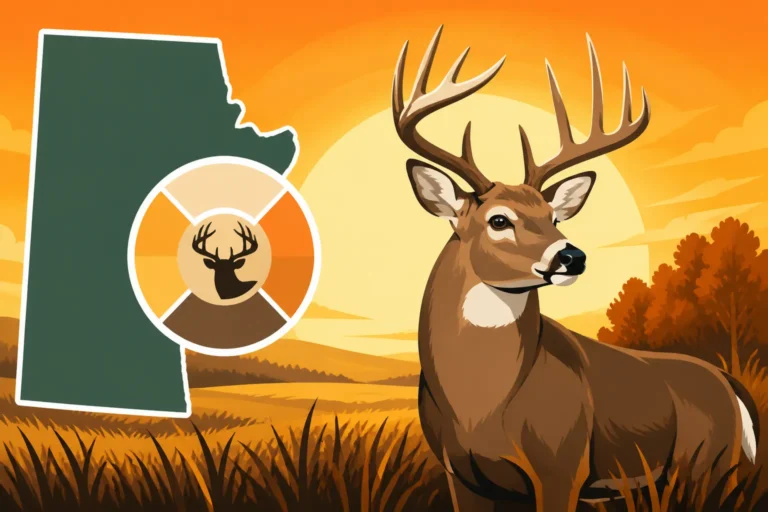
Saskatchewan whitetail deer hunting during the November rut relies on photoperiods, temperature drops, and local environmental conditions.
The Hanson Buck history and Boone and Crockett scoring explain why this Saskatchewan whitetail remains the world record.
Saskatchewan whitetail deer habitat regions and agricultural food sources explain why this province produces massive trophy bucks.
Saskatchewan whitetail deer population estimates rely on aerial surveys, track counts, and complex models to help wildlife agencies set tag allocations.