Hunting Farmland Moose in Saskatchewan
Farmland moose hunting in Saskatchewan requires specific strategies for navigating open agricultural landscapes and crops.
Close the distance.
Archery, muzzleloader, and firearm techniques — calling, stand placement, still-hunting, spot-and-stalk, and the weapon rules that change at the state line.
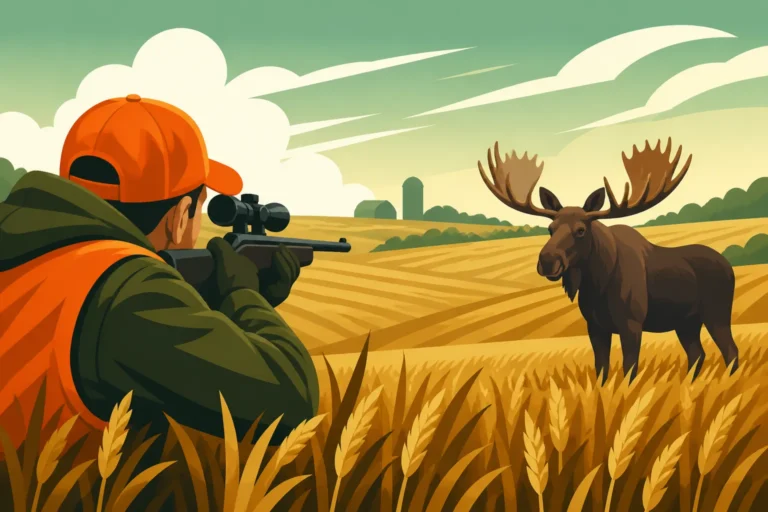
Farmland moose hunting in Saskatchewan requires specific strategies for navigating open agricultural landscapes and crops.
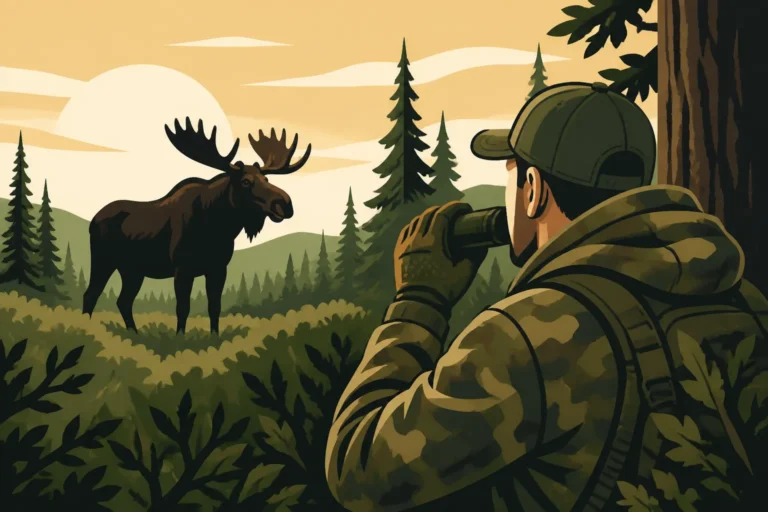
Saskatchewan moose calling techniques, seasonal rut phases, and boreal forest habitat preferences for successful bull moose hunting.
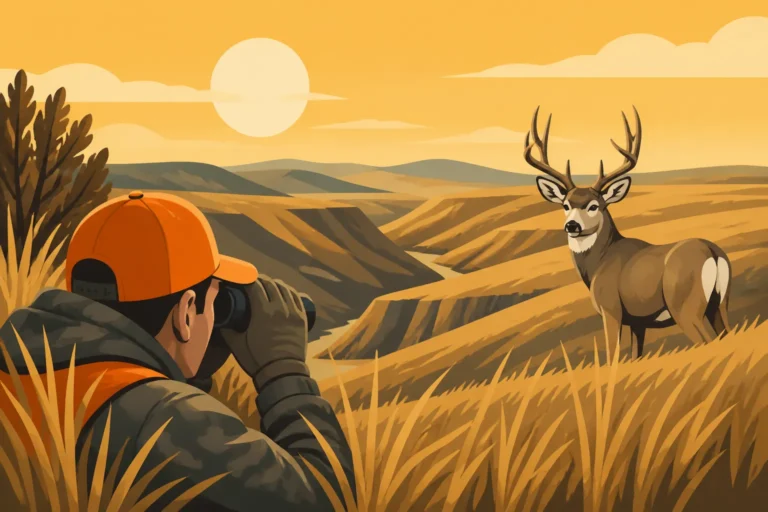
Hunting mule deer in Saskatchewan prairie coulees requires effective scouting strategies and understanding complex habitat structures for successful harvests.
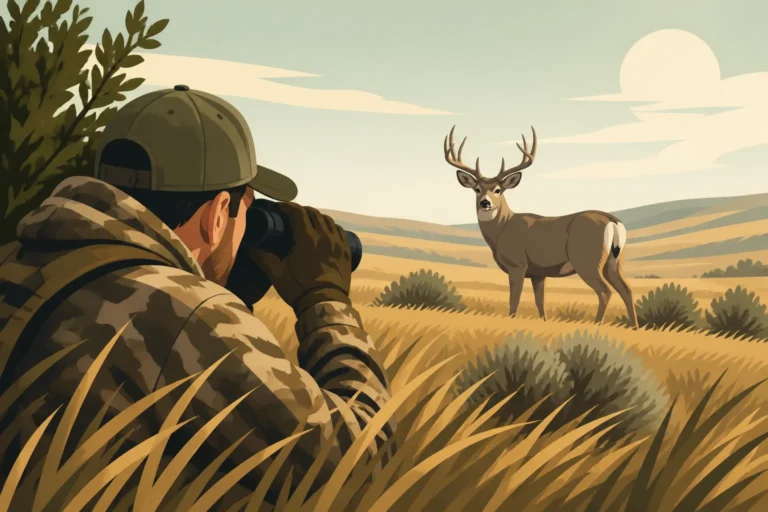
Spot-and-stalk mule deer hunting strategies in Saskatchewan help hunters locate, approach, and harvest big bucks in open terrain.
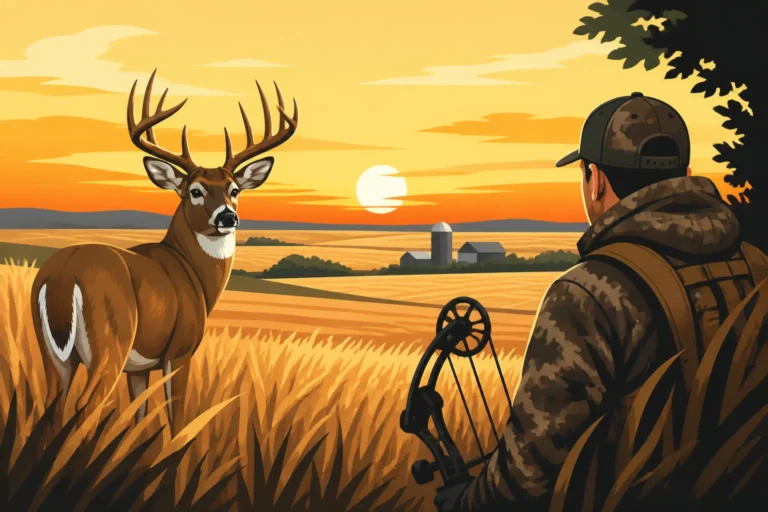
Saskatchewan farmland whitetails achieve massive body mass and antler growth by feeding on concentrated agricultural crops like peas and canola.
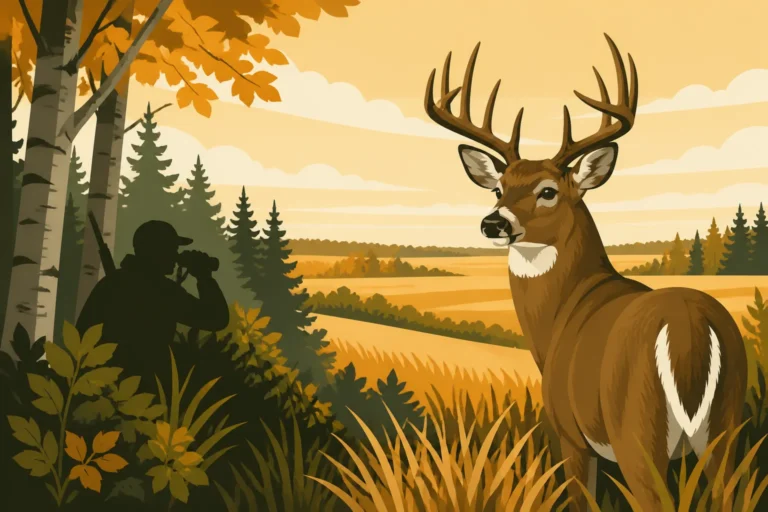
Saskatchewan forest fringe whitetail hunting strategies explain how deer move between agricultural fields and dense bush cover.
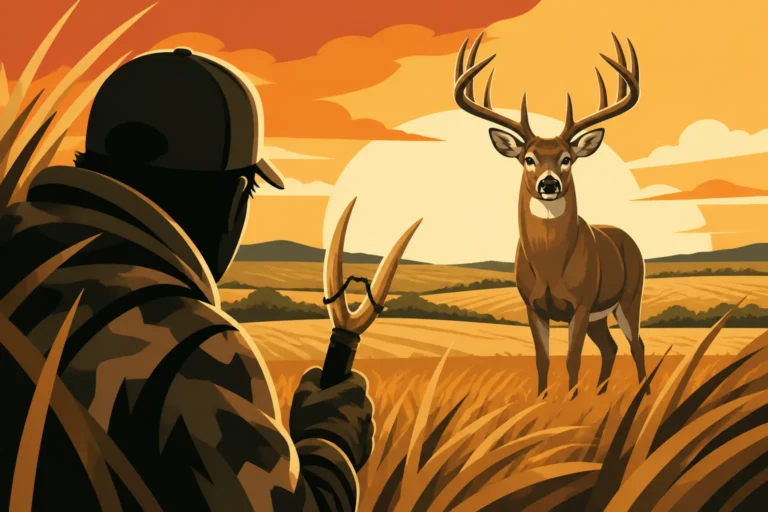
Saskatchewan farmland whitetail deer hunting techniques explain rattling and calling strategies during the rut and crop cycles.
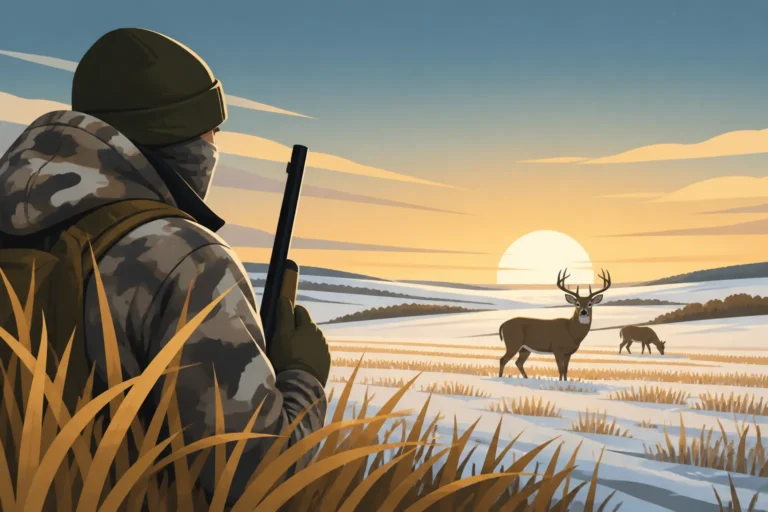
December whitetail deer behavior shifts to survival, requiring hunters to target specific food sources and heavy thermal cover.
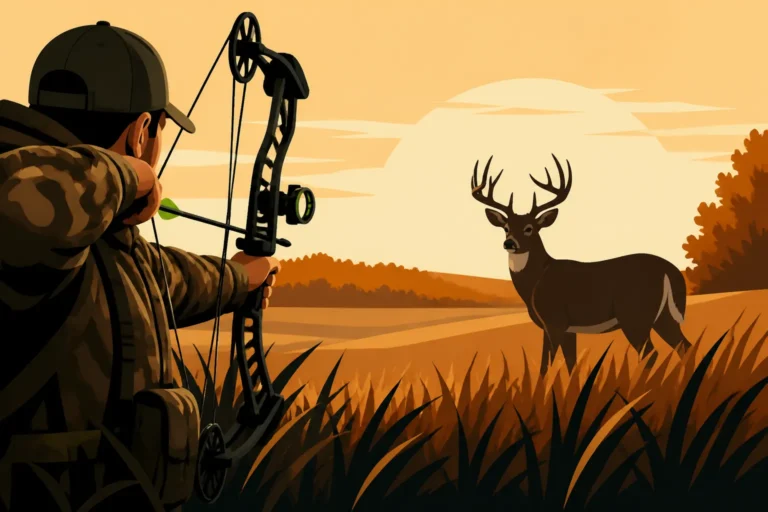
Saskatchewan whitetail rut phases explain buck behavior, helping hunters identify key locations and refine November hunting strategies.
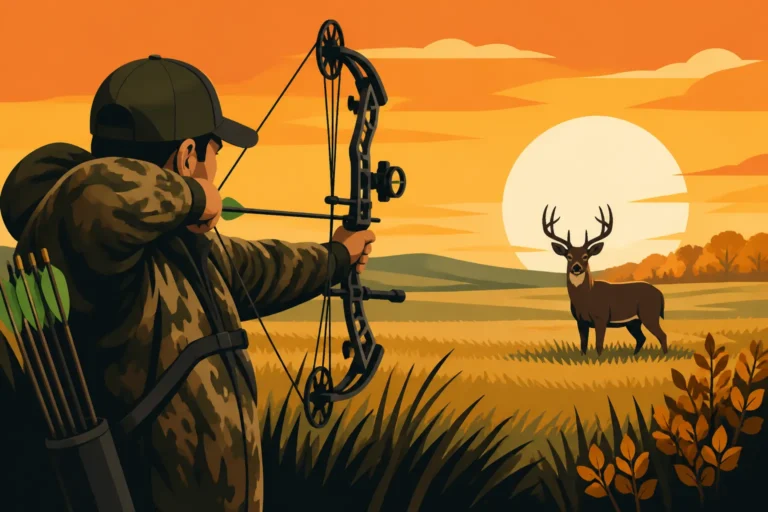
Saskatchewan archery hunters learn strategies for scouting, setup, and execution targeting whitetail and mule deer in September.